Kitchen Sink: Types, Materials, Sizes, and Practical Design Ideas
Choosing the right kitchen sink affects how your kitchen works every day. Washing vegetables, cleaning dishes, filling pots, almost every cooking task starts or ends at the sink.
Yet many homeowners treat the sink as a simple fixture. They focus on cabinets, appliances, and countertops first. The sink often becomes an afterthought.
That’s a mistake.
The right kitchen sink design improves workflow, keeps the kitchen organized, and complements the countertop, faucet, and cabinetry. Size, material, installation type, and bowl configuration all matter.
This guide explains the main kitchen sink types, materials, sizes, and design ideas so you can choose a sink that fits your kitchen and your daily routine.
Kitchen Sinks
A modern kitchen sink does more than hold water. It supports food preparation, dishwashing, and kitchen cleanup.
Before choosing a sink, consider these factors:
- cabinet width
- countertop material
- faucet compatibility
- plumbing and drain layout
- bowl size and depth
All of these influence how comfortable the sink is to use.
What Type of Product Are You Looking For?
Start by identifying the style of sink that suits your kitchen layout.
Common options include:
- single bowl sinks
- double bowl sinks
- farmhouse sinks
- undermount sinks
- drop-in sinks
- integrated sinks
Each type fits a different kitchen workflow.
Kitchen Sink Types and Styles
Different kitchens require different sink configurations.
Some focus on functionality. Others focus on design.
Single Bowl Kitchen Sink
A single bowl kitchen sink has one large basin.
Advantages:
- more room for large pots and baking trays
- simple cleaning
- modern appearance
This design works well in small kitchen sink layouts where counter space is limited.
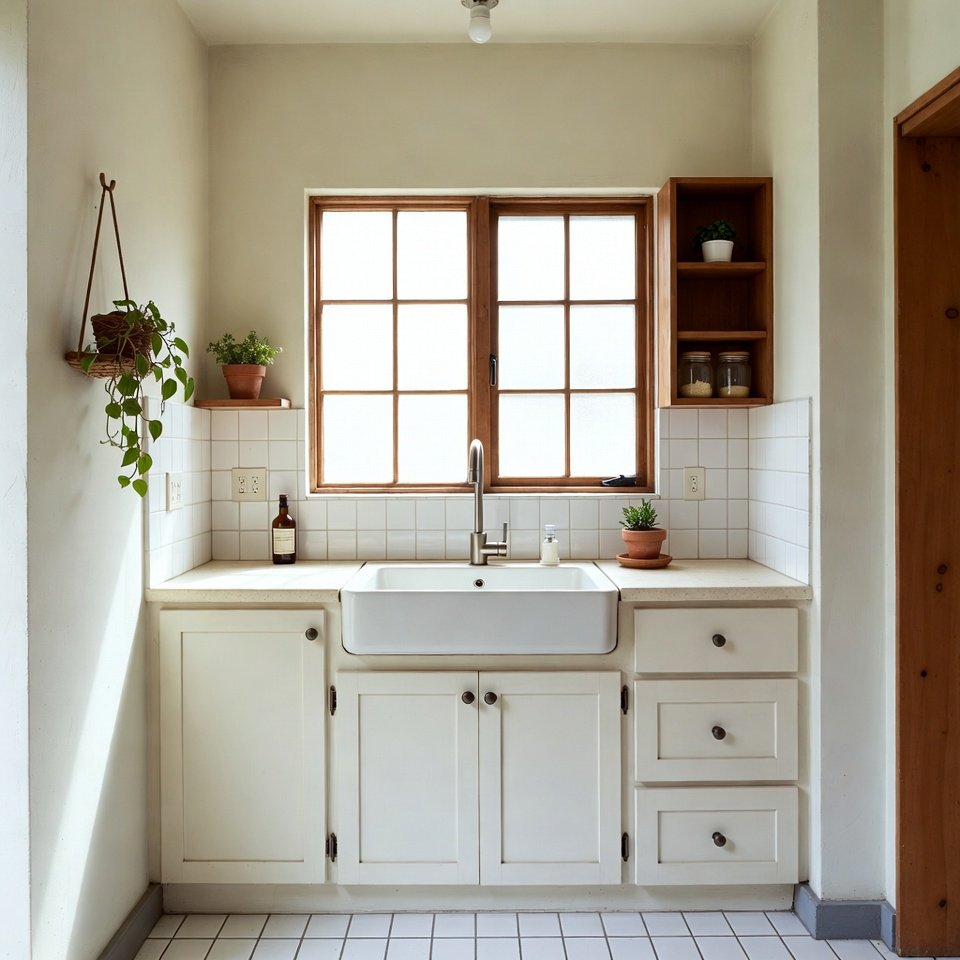
Double Bowl Kitchen Sink
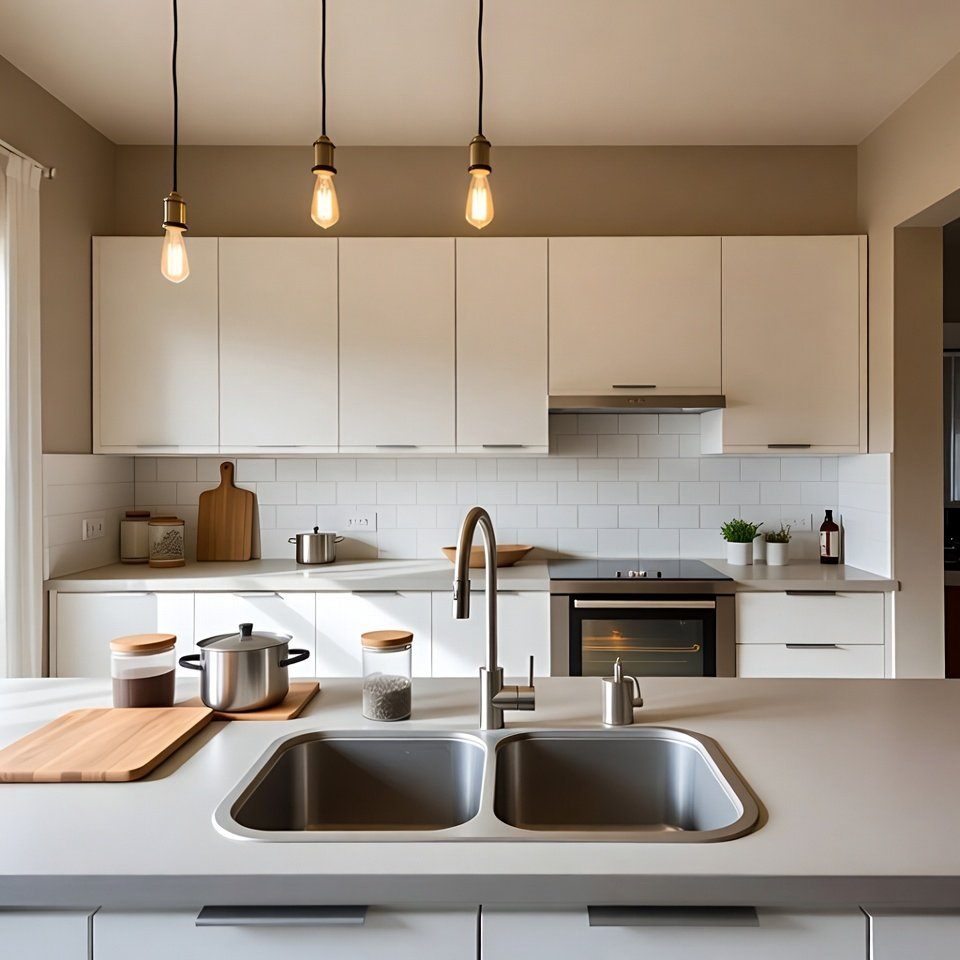
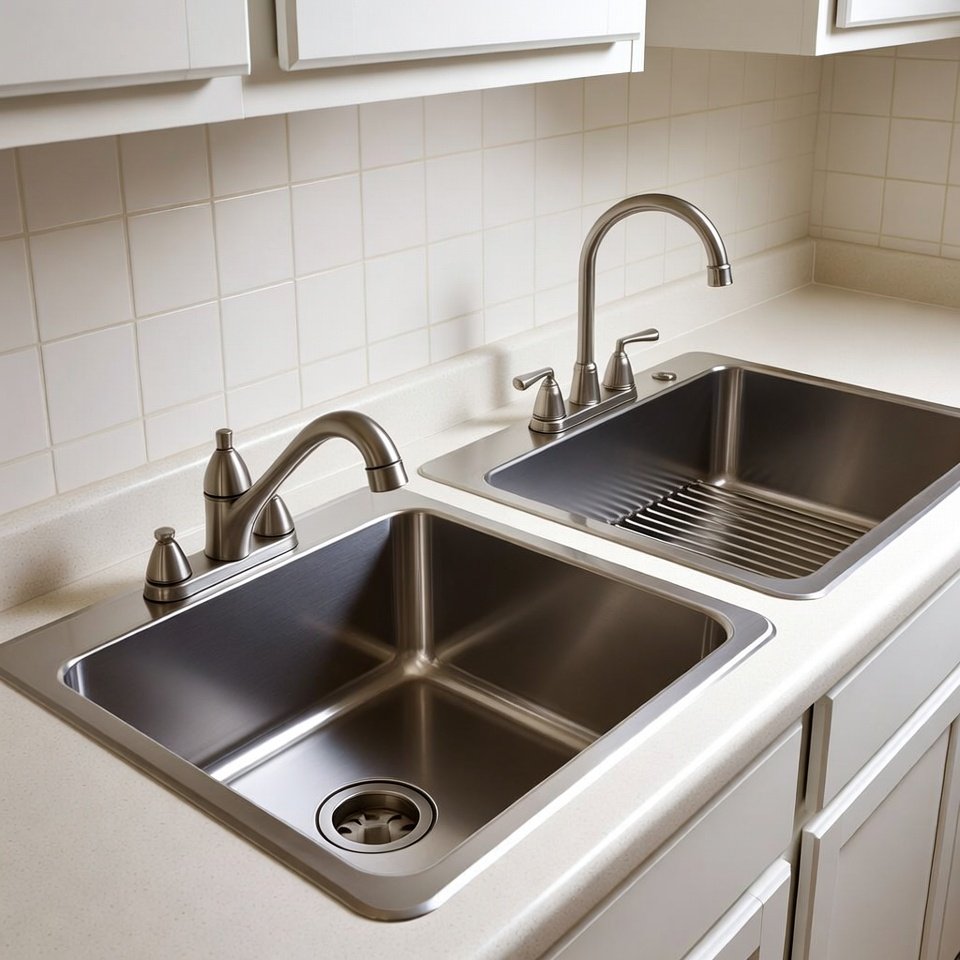
A double bowl kitchen sink includes two separate basins.
One side can hold dirty dishes.
The other can be used for rinsing or food preparation.
This setup works well for busy kitchens and families.
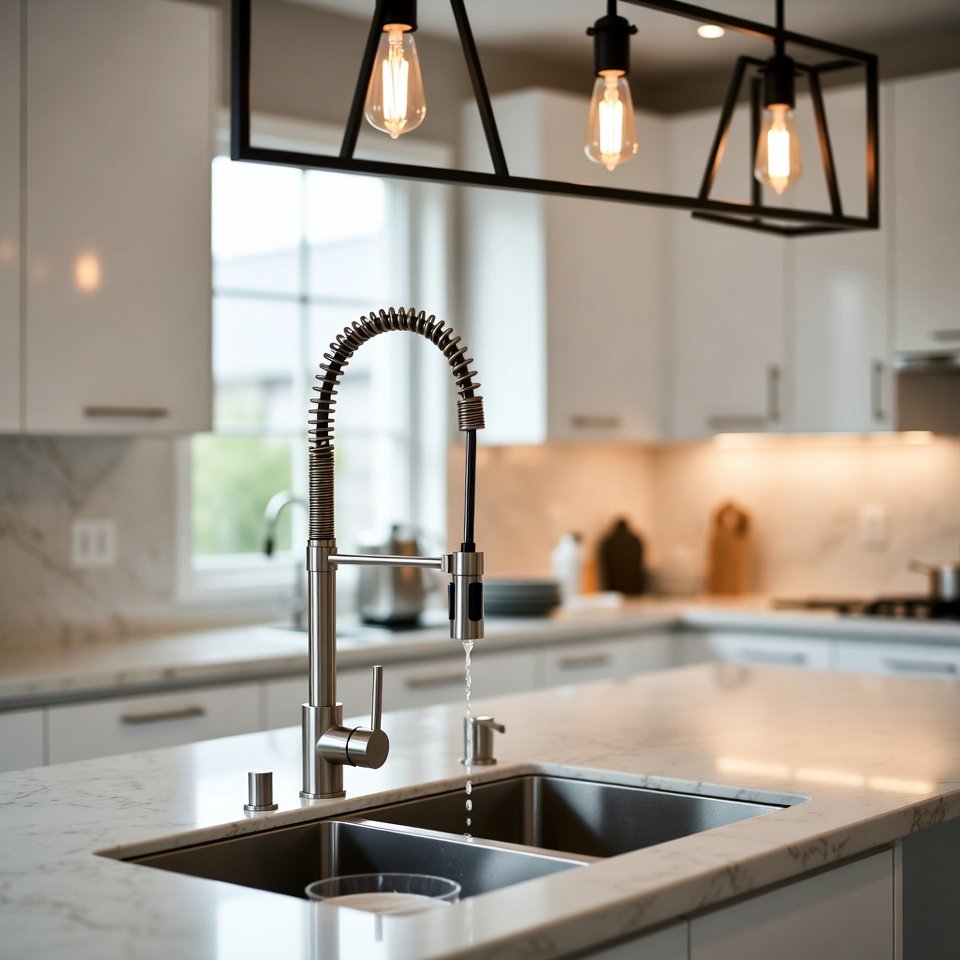
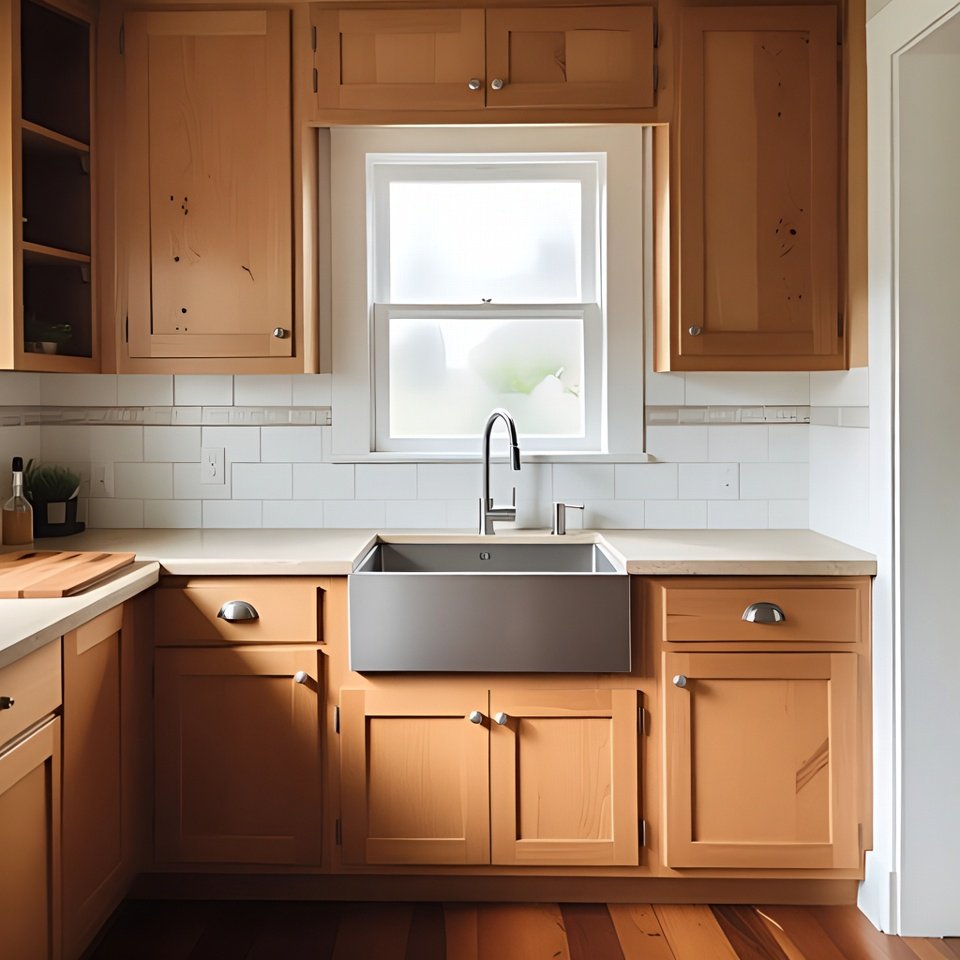
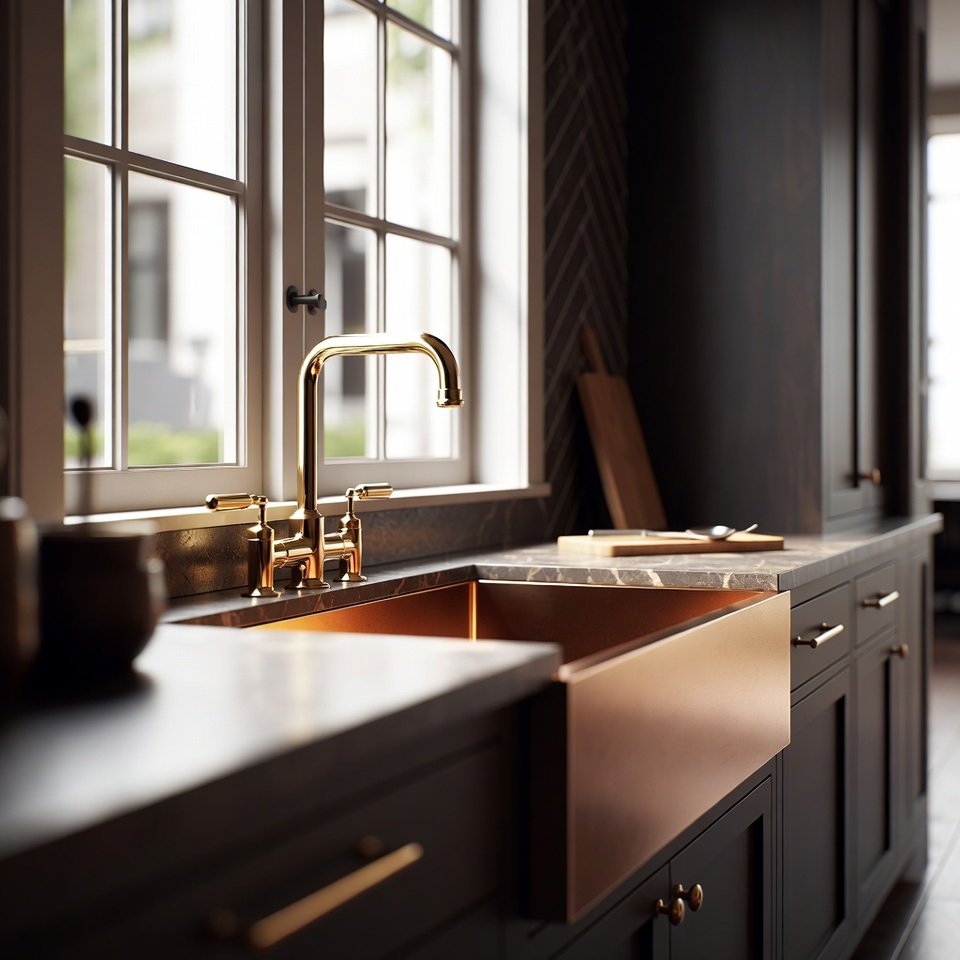
Farmhouse Kitchen Sink
A farmhouse kitchen sink has an exposed front panel called an apron.
Features:
- deep basin
- large washing area
- strong visual presence
Farmhouse sinks are popular in rustic, country, and transitional kitchens.
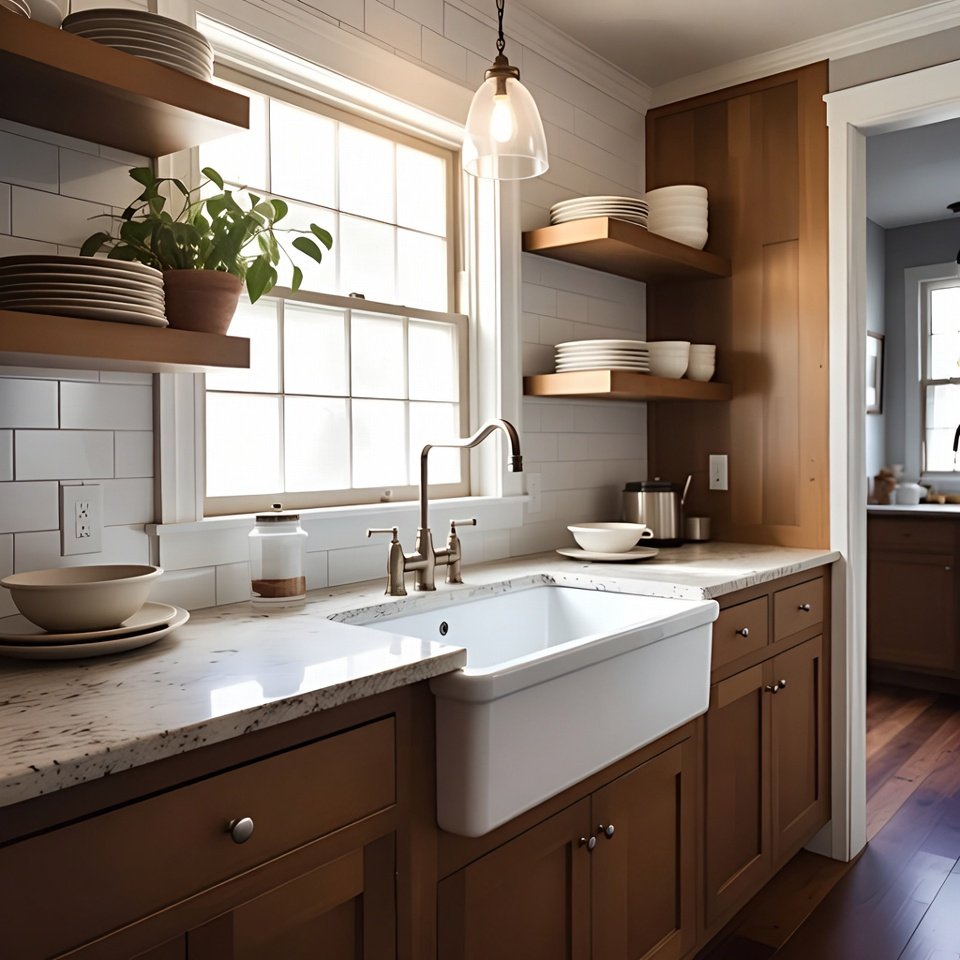
Undermount Kitchen Sink
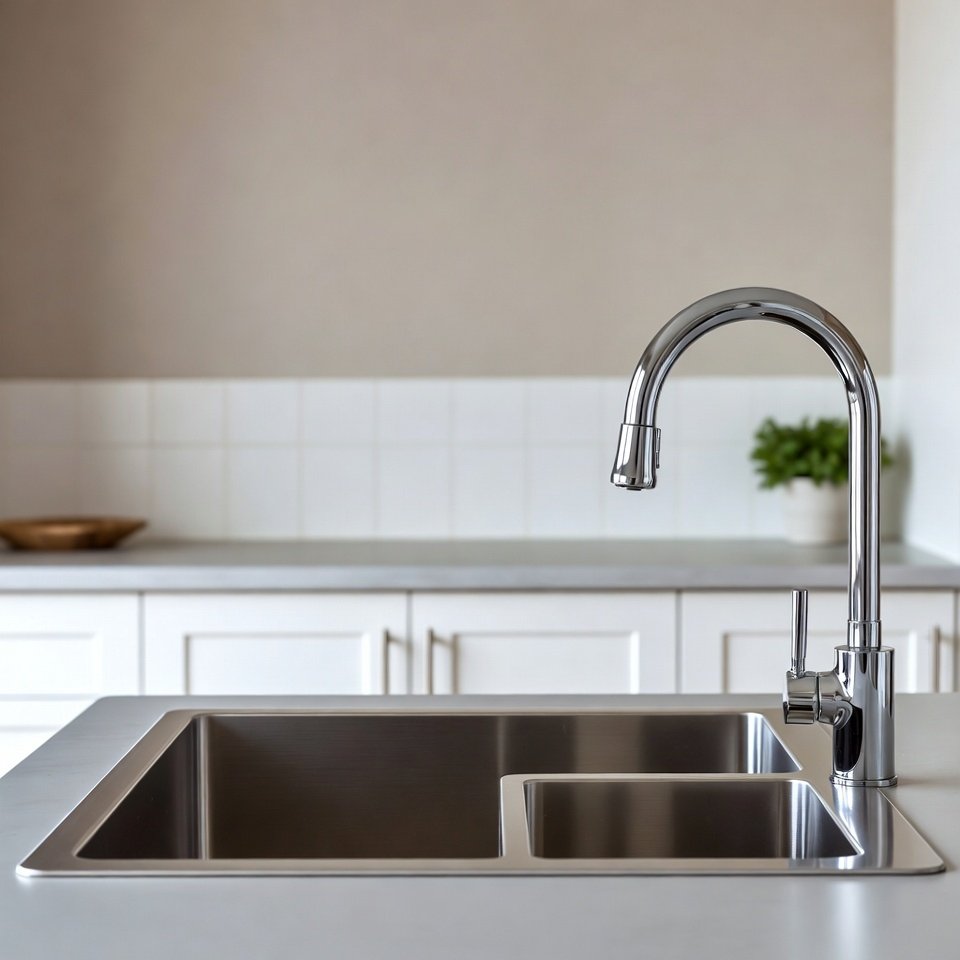
An undermount kitchen sink installs beneath the countertop.
Benefits:
- smooth countertop edges
- easy cleanup
- modern appearance
Crumbs and water are wiped directly into the sink.
This design works well with granite, quartz, and marble countertops.
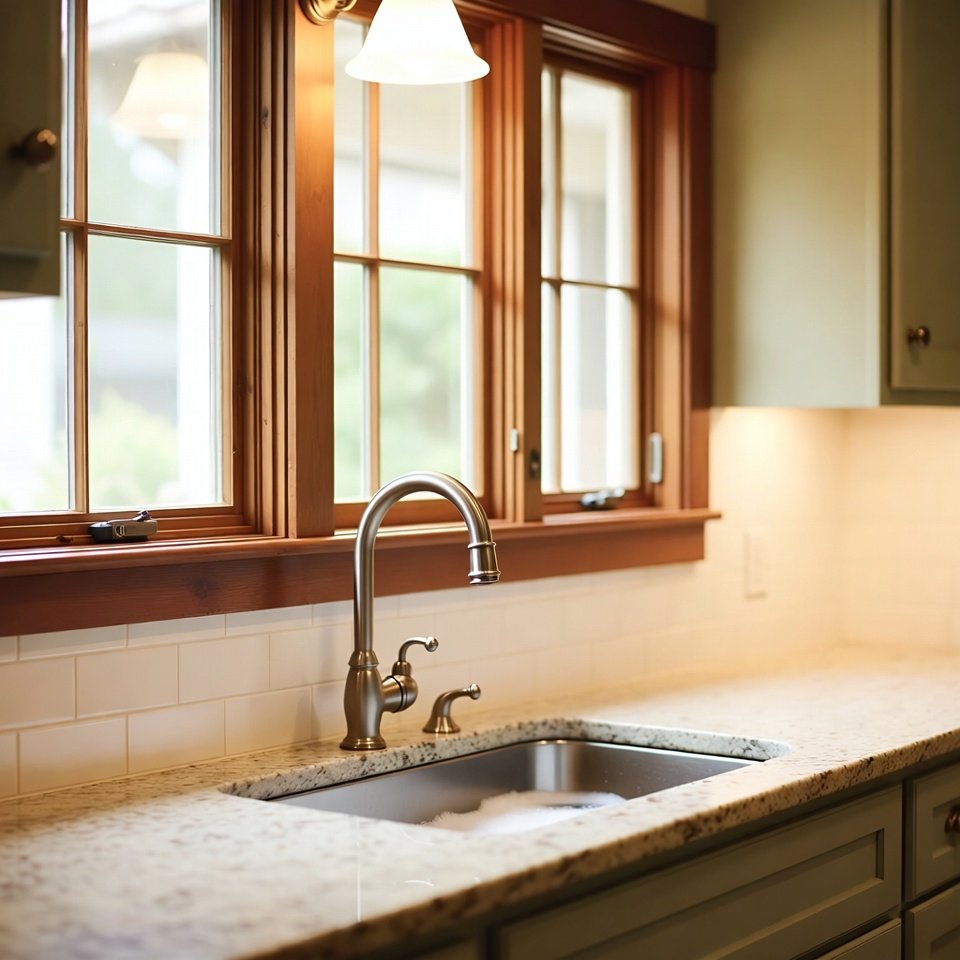
Watch also High End Kitchen
Drop-In Kitchen Sink
A drop-in kitchen sink sits inside a cutout in the countertop with a visible rim.
Advantages:
- easy installation
- affordable replacement
- compatible with most countertop materials
Many homeowners choose this style for simple kitchen upgrades.
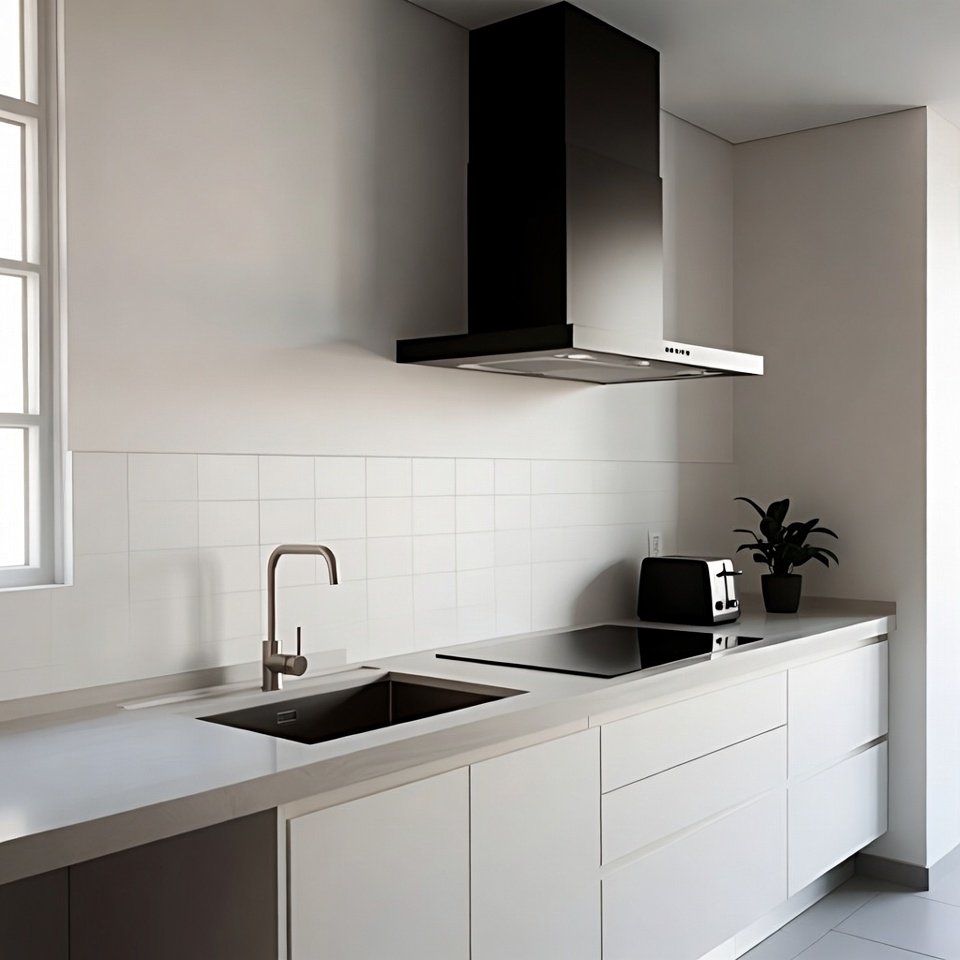
Integrated Kitchen Sink
An integrated kitchen sink is built directly into the countertop surface.
No visible seams.
Benefits include:
- seamless design
- easier cleaning
- modern minimalist appearance
Integrated sinks are common in luxury kitchens.
Popular Kitchen Sink Materials
Material determines durability, maintenance, and style.
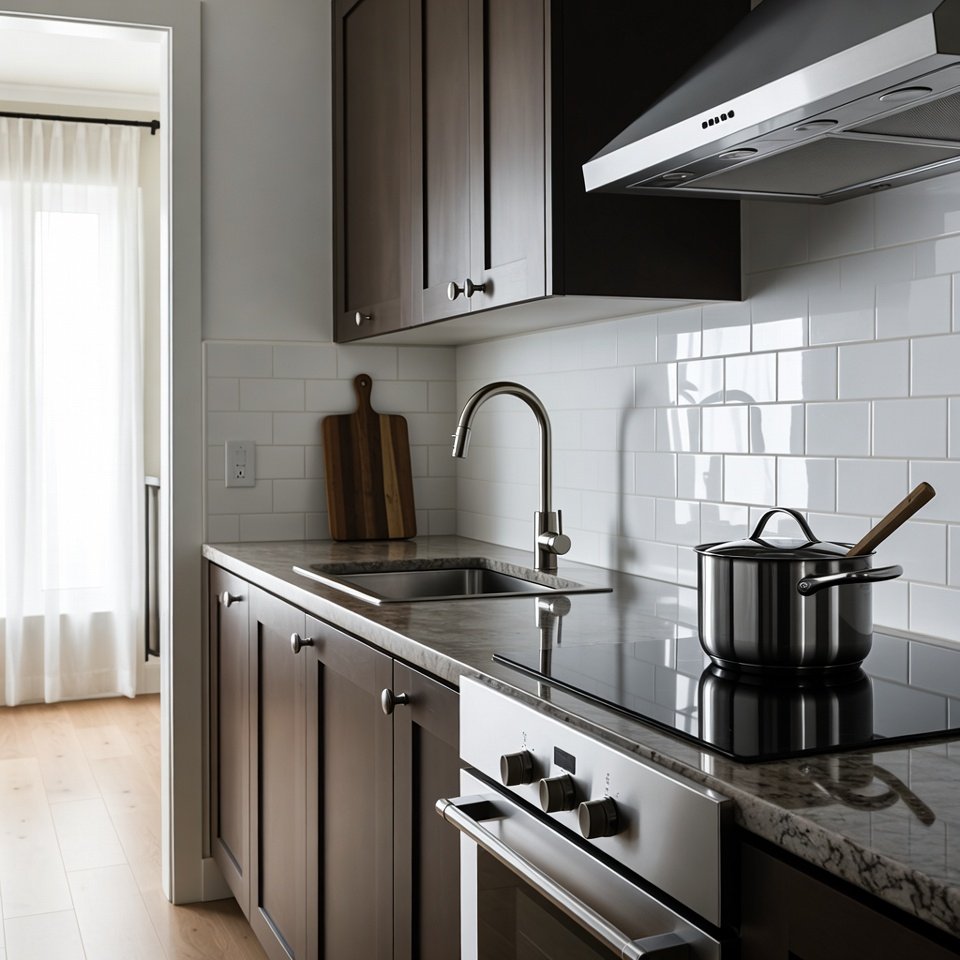
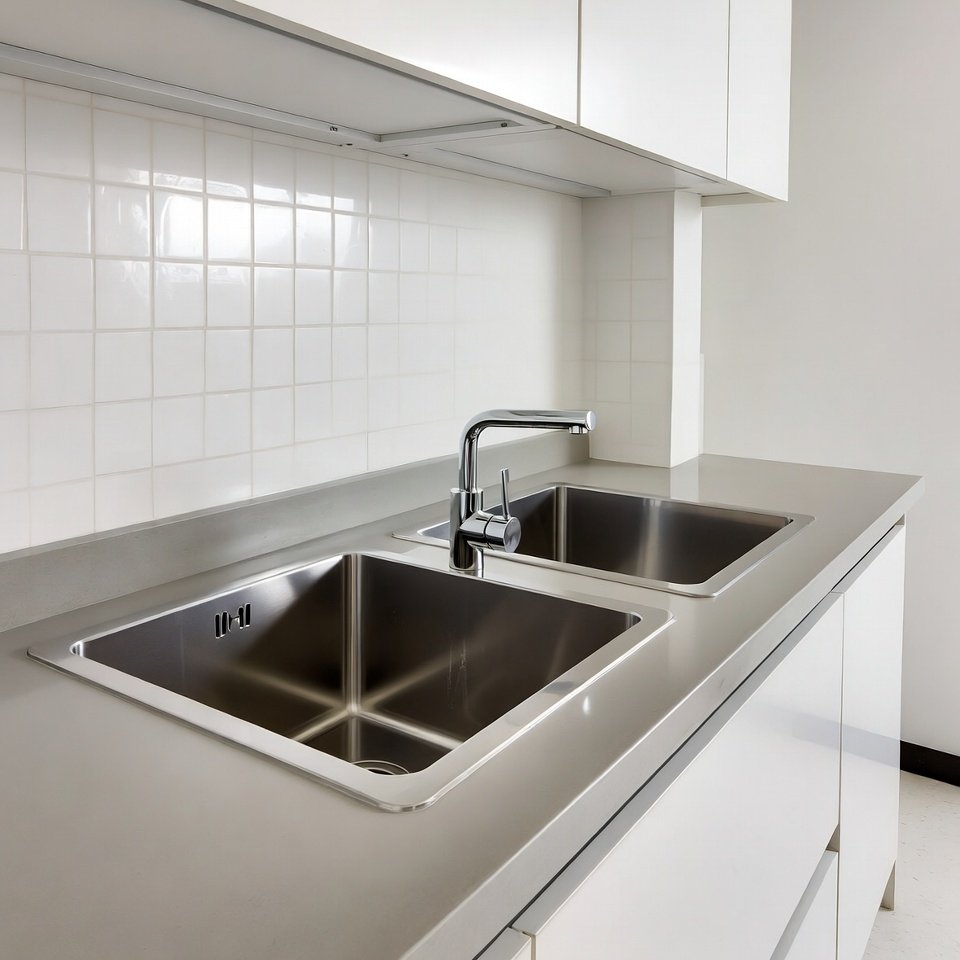
Stainless Steel Kitchen Sink
The stainless steel kitchen sink is the most common choice.
Reasons include:
- strong and durable
- rust resistant
- lightweight
- easy to clean
Many modern kitchens install stainless steel single bowl kitchen sinks because they handle heavy daily use.
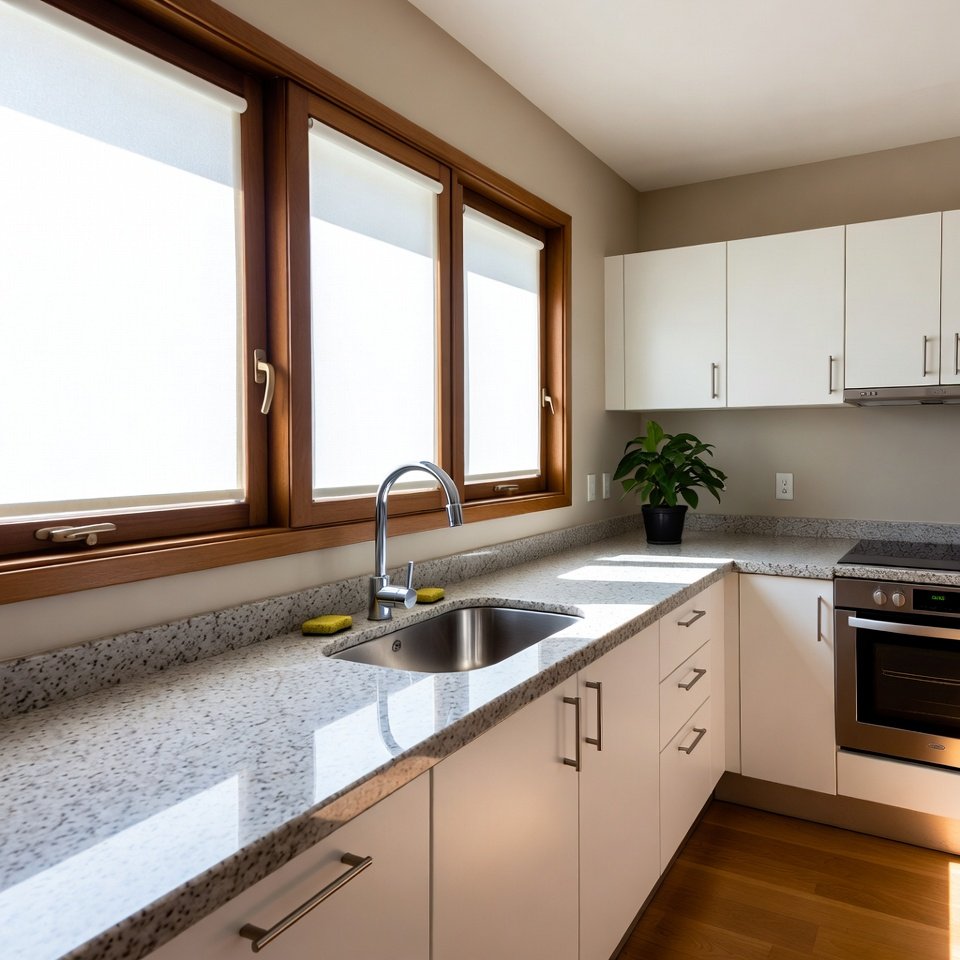
Granite Kitchen Sink
A granite kitchen sink feels solid and heavy.
Benefits:
- scratch resistance
- heat resistance
- matte modern finish
Granite sinks match well with stone countertops and contemporary kitchen designs.
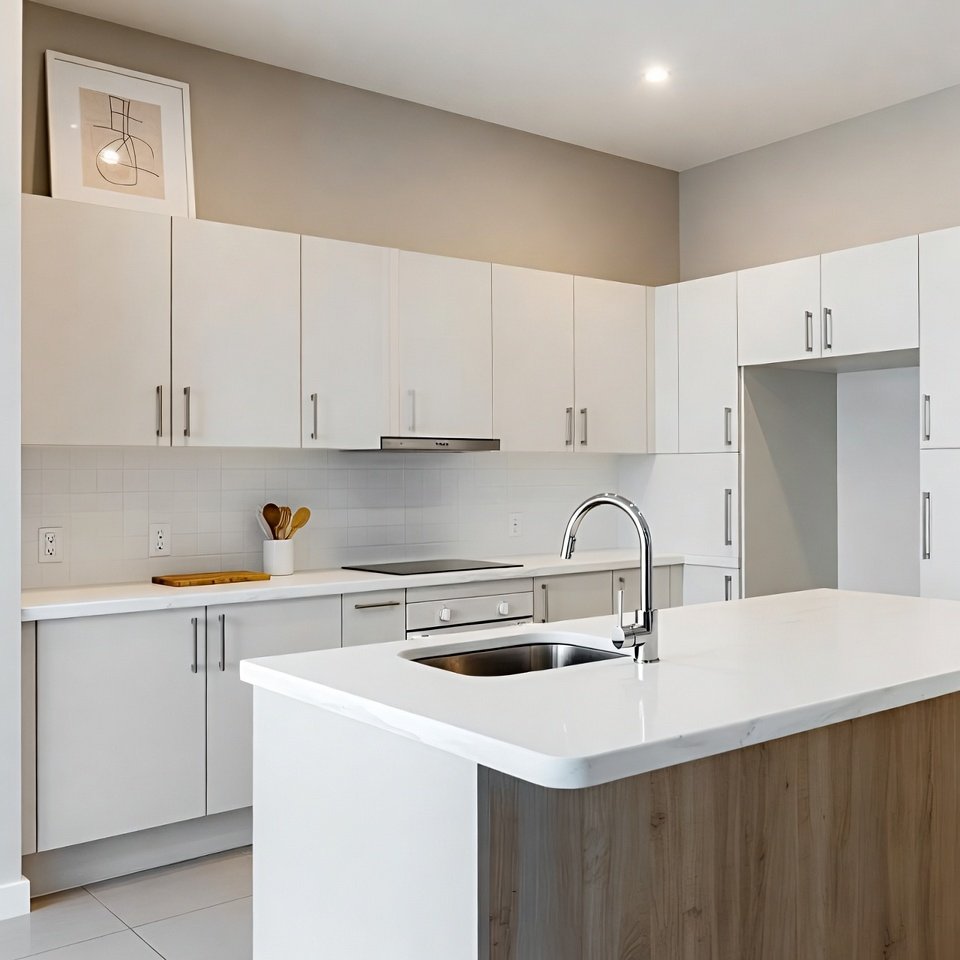
Quartz Kitchen Sink
Quartz sinks combine natural stone and resin.
Advantages:
- strong surface
- stain resistance
- low maintenance
Quartz models often appear in modern or luxury kitchens.
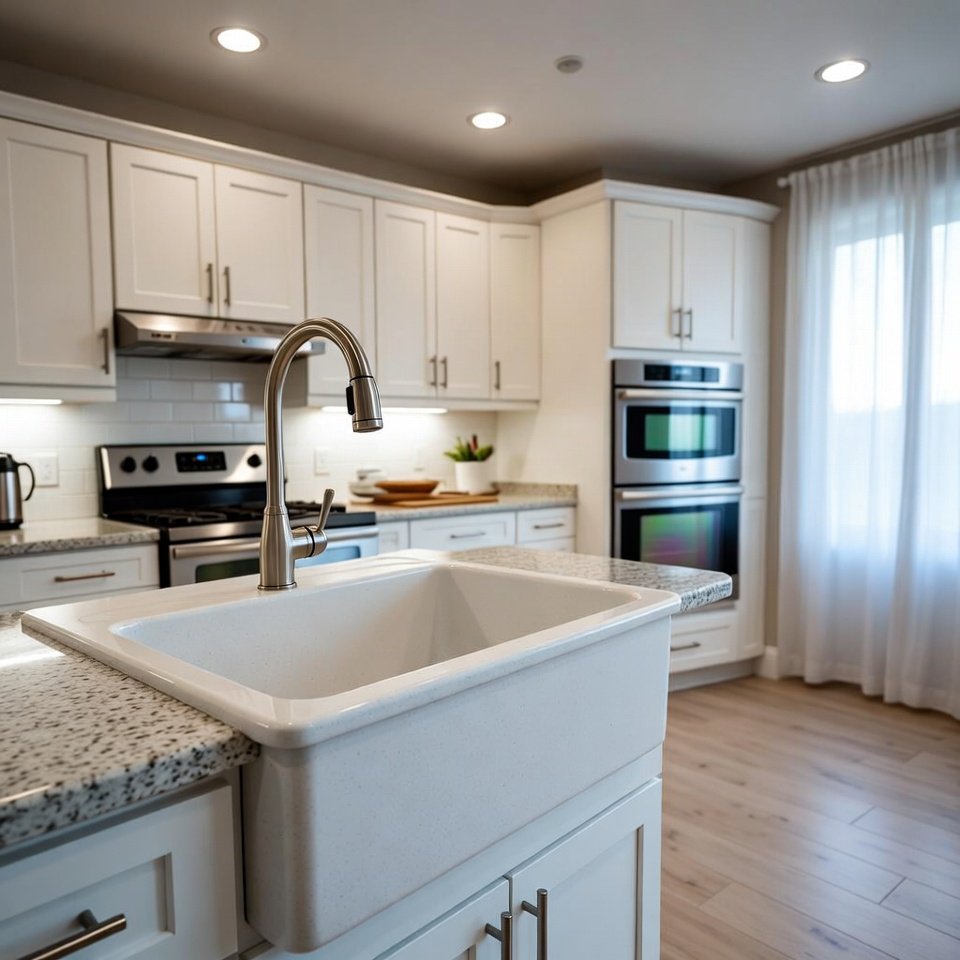
Ceramic and Porcelain Kitchen Sinks
Ceramic sinks provide a classic look.
Features include:
- glossy surface
- traditional appearance
- easy cleaning
They are often used in farmhouse kitchens.
Kitchen Sink Materials Comparison
| Material | Durability | Maintenance | Best For |
| Stainless Steel | High | Easy | Modern kitchens |
| Granite | Very High | Medium | Luxury kitchens |
| Quartz | High | Low | Contemporary kitchens |
| Ceramic | Medium | Easy | Traditional kitchens |
Kitchen Sink Design Ideas
A well-designed sink area improves both style and functionality.
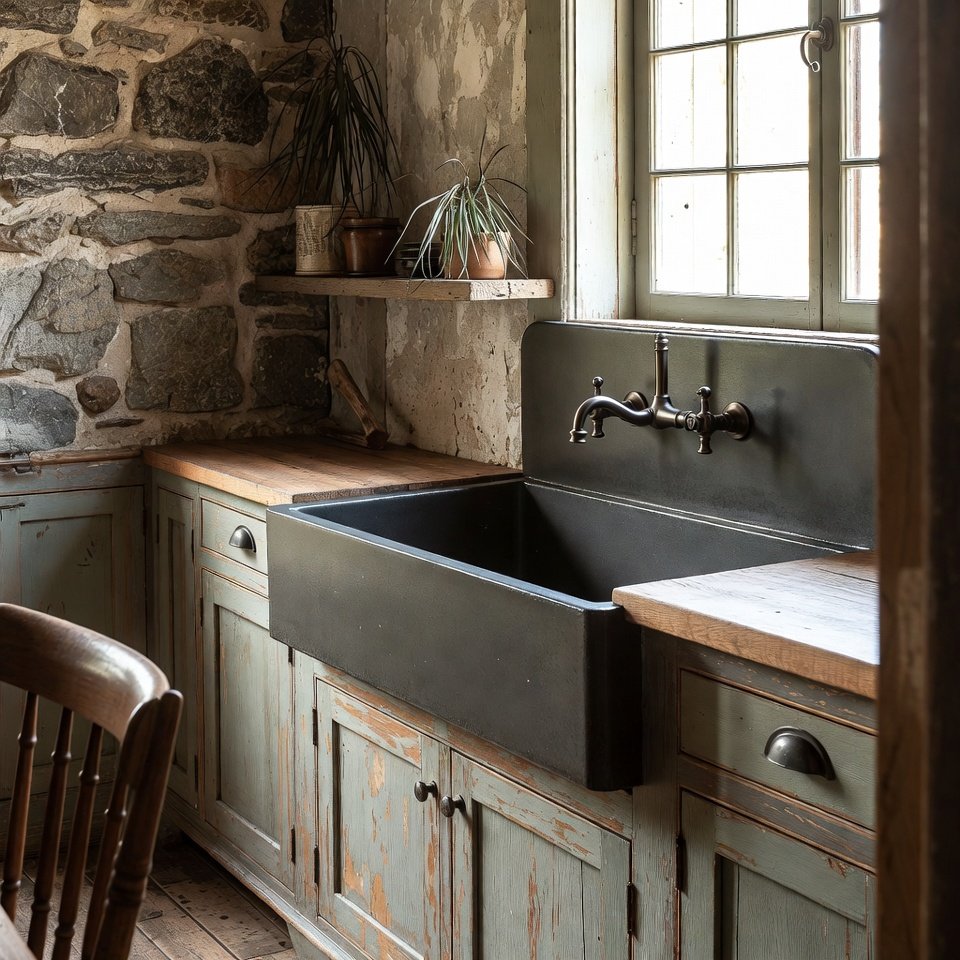
Farmhouse Sink
Large and deep.
Great for washing oversized cookware.
Adds character to traditional kitchens.
Double Basin Sink
Two compartments.
Useful when cooking and cleaning happen at the same time.
Undermount Sink
Clean edges. Smooth countertop flow.
Works especially well in modern kitchens.
Single Basin Sink
Wide basin with no divider.
Ideal for large cookware and baking trays.
Stainless Steel Sink
Minimal look.
Durable surface.
Works in almost any kitchen style.
Porcelain and Ceramic Sinks
Bright and traditional.
Common in classic kitchen interiors.
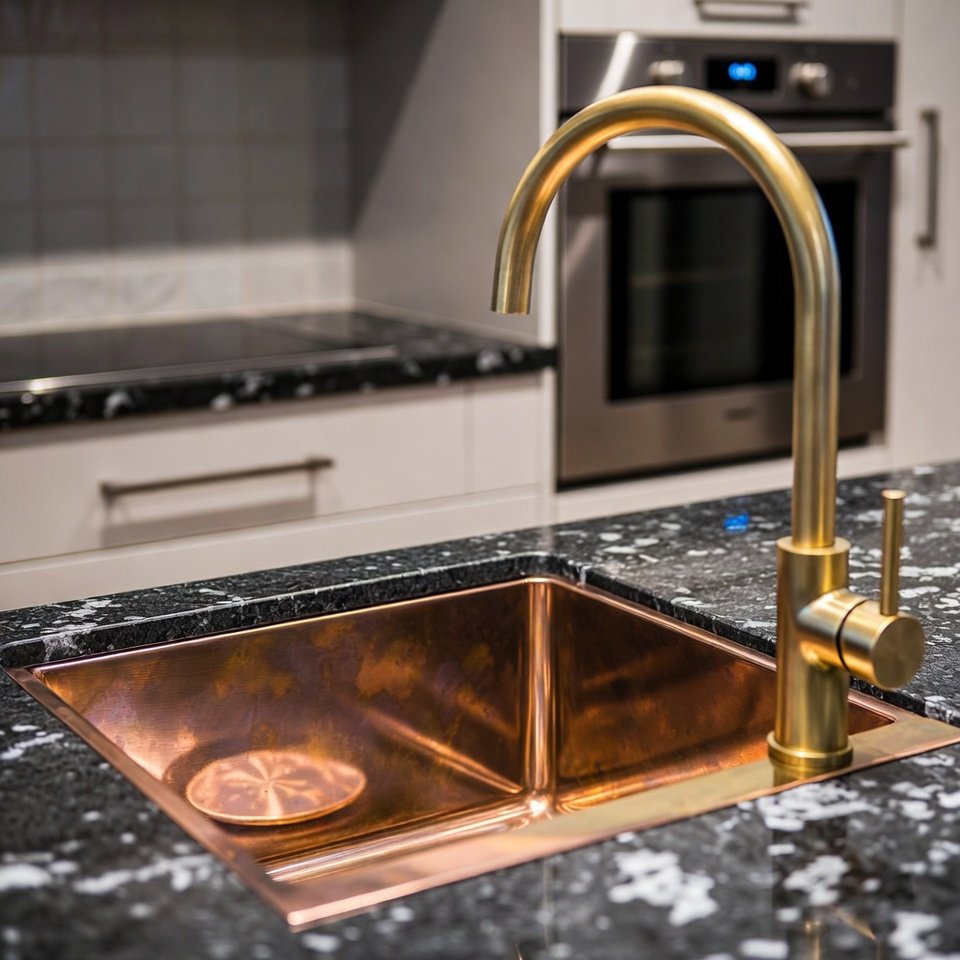
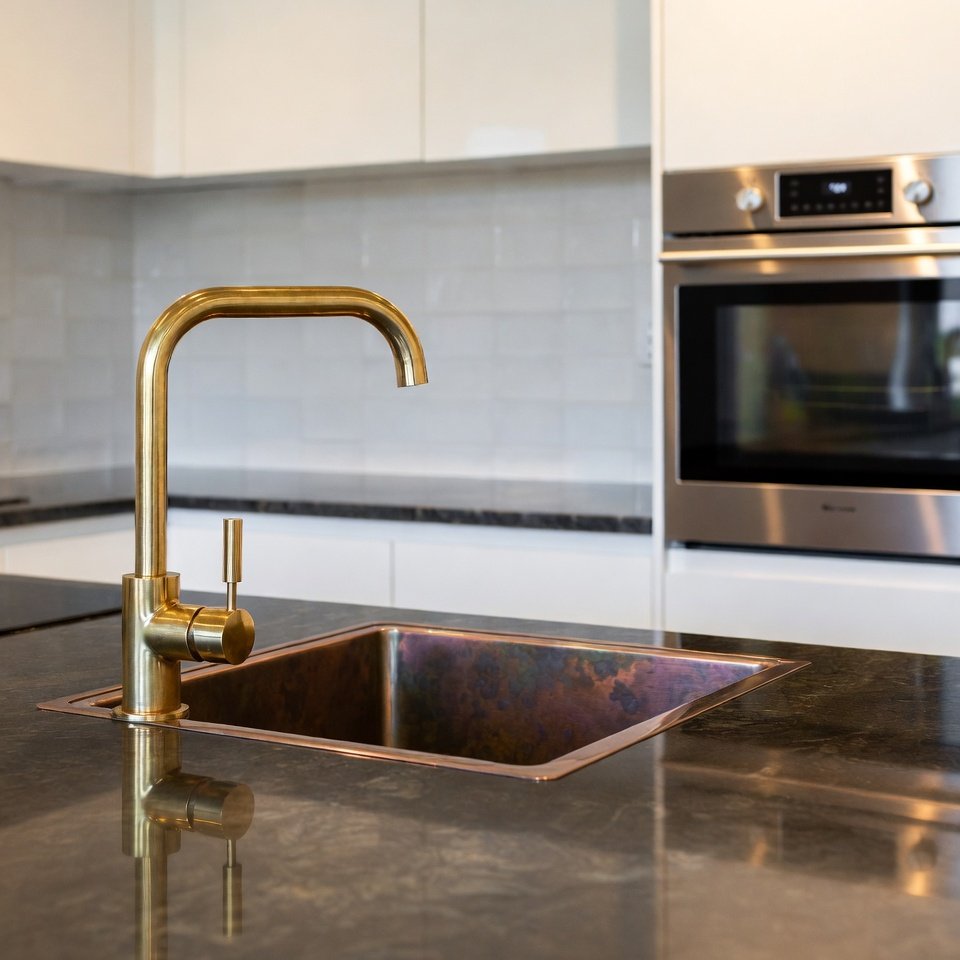
Brass and Copper Sinks
Warm metallic finish.
Often used in luxury kitchens.
See More on Vintage Kitchen Decorations
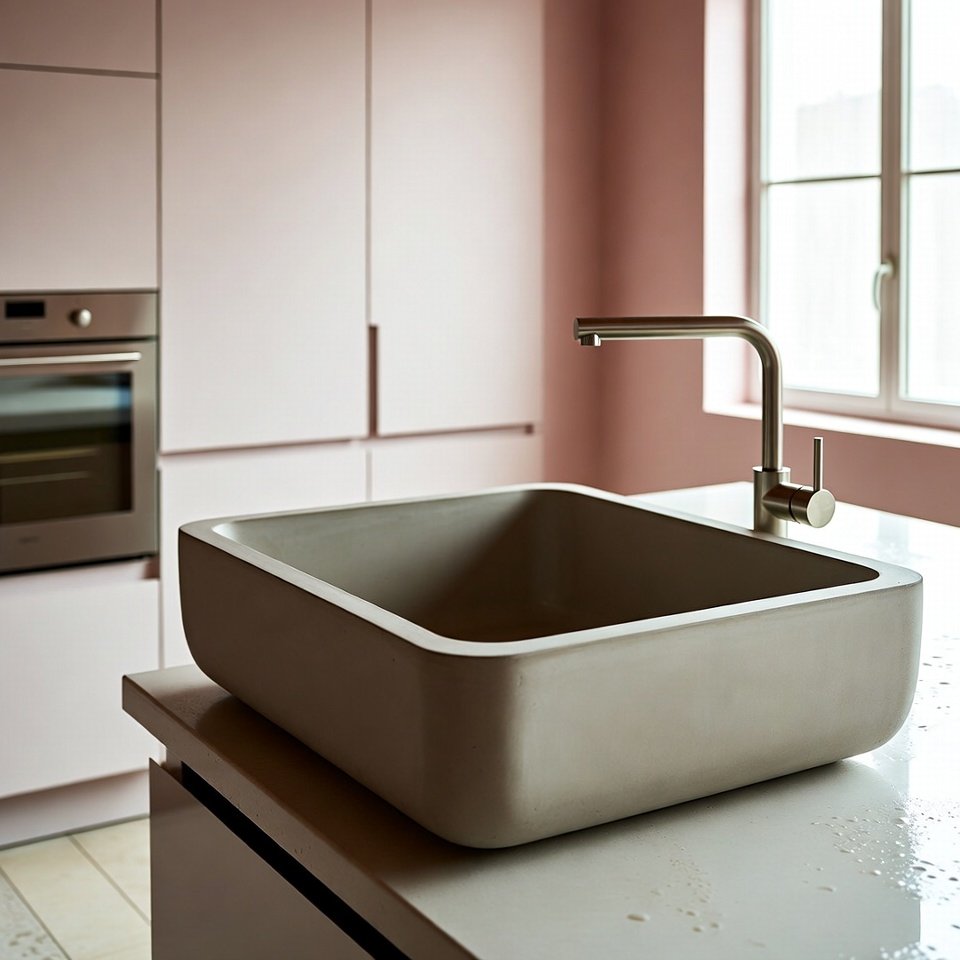
Concrete Sink
Bold design choice.
Heavy and durable.
Popular in custom kitchen builds.
Choosing the Best Kitchen Sink
Selecting the best kitchen sink depends on daily cooking habits and available space.
Consider the following:
Kitchen size
Small kitchens usually work best with single-bowl sinks.
Cabinet width
The cabinet determines the maximum sink size.
Sink depth
Deeper sinks reduce splashing and hold more dishes.
Faucet compatibility
The sink should work well with your kitchen faucet and spray attachment.
Plumbing layout
The drain location must align with existing plumbing connections.
Kitchen Sink Sizes
Standard kitchen sink sizes include:
- 22 inches
- 30 inches
- 33 inches
- 36 inches
Single bowl sinks often work in compact kitchens.
Double bowl sinks are common in larger kitchens.
Kitchen Sink Accessories
Accessories make the sink area more functional.
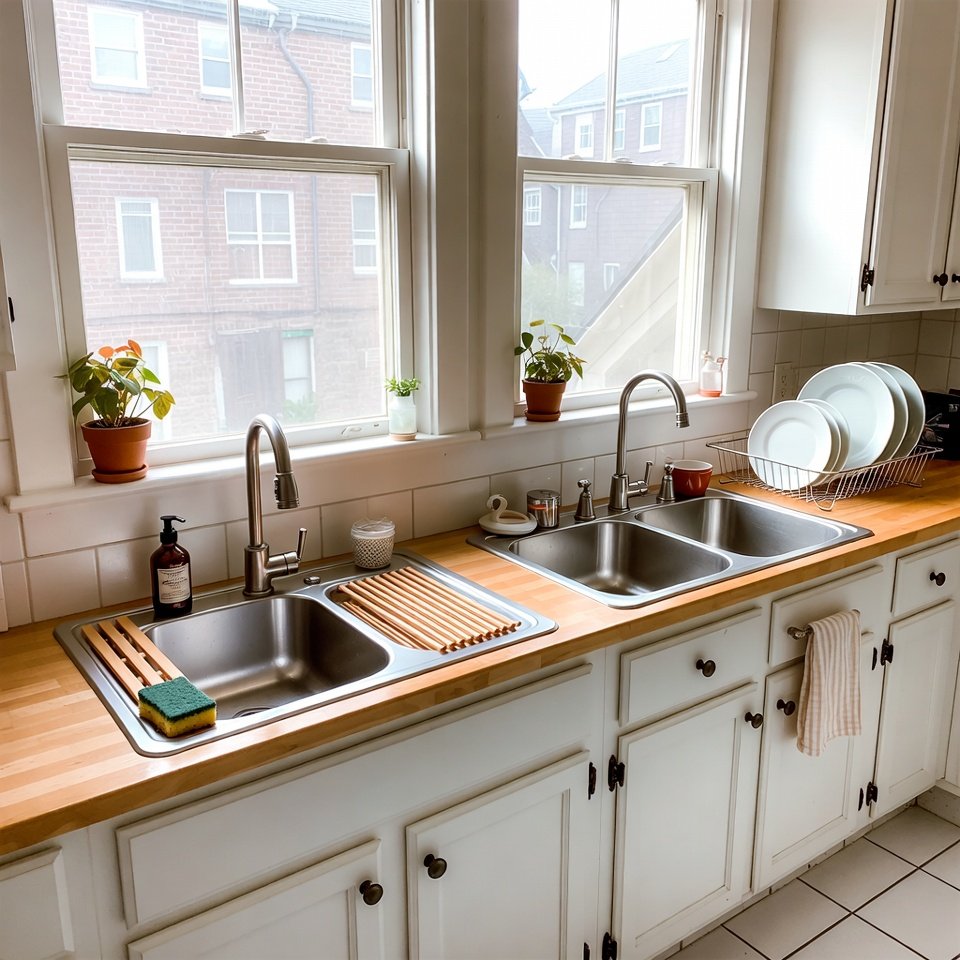
Common kitchen sink accessories include:
- dish drying racks
- sink grids
- soap dispensers
- sponge holders
- vegetable washing baskets
- splash guards
These accessories help keep the sink area organized.
Kitchen Sink Installation Guide
Proper kitchen sink installation ensures the sink works correctly.
Steps usually include:
- measuring cabinet width
- cutting the countertop opening
- installing mounting clips
- connecting the drain system
- attaching the faucet and plumbing lines
Some kitchens also include a garbage disposal unit, which connects to the sink drain system.
Undermount sinks usually require professional installation.
Kitchen Sink Maintenance Tips
A kitchen sink lasts longer with regular care.
Simple habits help prevent damage:
- Rinse food debris from the drain
- Clean the sink with mild soap
- Avoid harsh chemical cleaners
- Use a sink mat to prevent scratches
Regular maintenance also prevents clogged plumbing and drain buildup.
Conclusion
The kitchen sink is one of the most used fixtures in the home. Every meal, every cleanup, every food preparation step relies on it.
Choosing the right sink means considering size, material, installation type, and kitchen layout. Stainless steel offers durability. Granite and quartz provide strength and style. Farmhouse sinks add character and space.
A well-chosen kitchen sink design improves both workflow and appearance.
Take time to evaluate your kitchen space, cabinet size, countertop material, and plumbing layout before making a final decision.
The right sink will serve your kitchen reliably for many years.
FAQs
What is the best material for a kitchen sink?
Stainless steel is the most popular because it is durable, affordable, and easy to maintain.
What is the standard kitchen sink size?
Most kitchen sinks range between 30 and 36 inches wide.
Is a single or double bowl kitchen sink better?
Single bowls hold large cookware easily. Double bowls allow multitasking.
Are granite kitchen sinks better than stainless steel?
Granite sinks are stronger and more scratch resistant, but stainless steel sinks are lighter and easier to maintain.
What type of kitchen sink is easiest to clean?
Stainless steel sinks are usually the easiest to clean and maintain.
How deep should a kitchen sink be?
Most sinks are 8 to 10 inches deep, which provides enough space for washing dishes without excessive splashing.