Best Bathroom Vanity with Sink: Complete Buying Guide for Every Bathroom
Choosing a bathroom vanity with sink sounds simple until you start shopping. Sizes don’t match. Plumbing is off. Storage is either too small or too bulky. And many units look great online but don’t work in real life.
This guide is for homeowners, renovators, and first-time buyers who want a vanity that fits the space, handles daily use, and lasts for years. Whether you’re upgrading a small powder room or designing a master bath, the right choice comes down to measurements, materials, and layout: not just style.
How to Choose the Right Bathroom Vanity for Your Home
Start with how the bathroom is used.
Ask yourself:
- How many people use it daily?
- Do you need makeup or grooming space?
- Is storage currently a problem?
- Where are the plumbing lines located?
- How much walking space must remain clear?
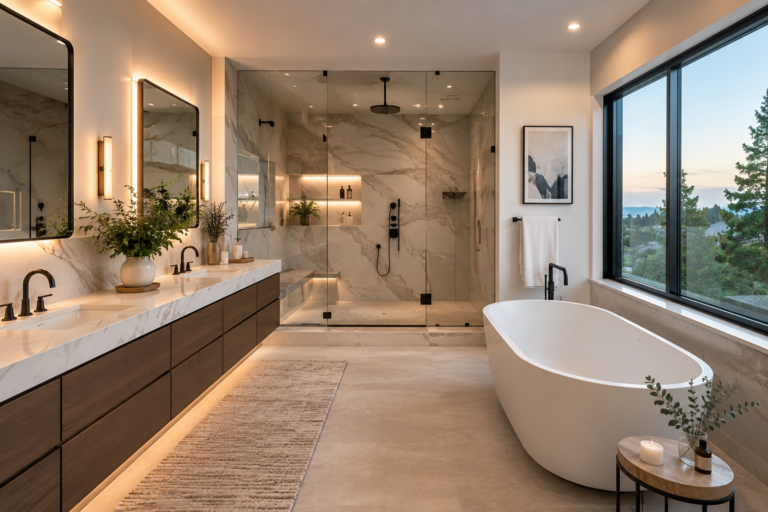
A shared bathroom usually benefits from a double bathroom vanity with sink, while a guest bath works better with a compact single unit.
Shop by Popular Width (Vanity Sizes That Actually Work)
Width determines everything: placement, storage, and comfort.
Small Bathroom Vanity Sizes (18–30 Inches)
Best for tight layouts and powder rooms.
Typical options:
- 18–24 inches: very compact
- 24–30 inches: small but usable
- 30 inches: most common small size
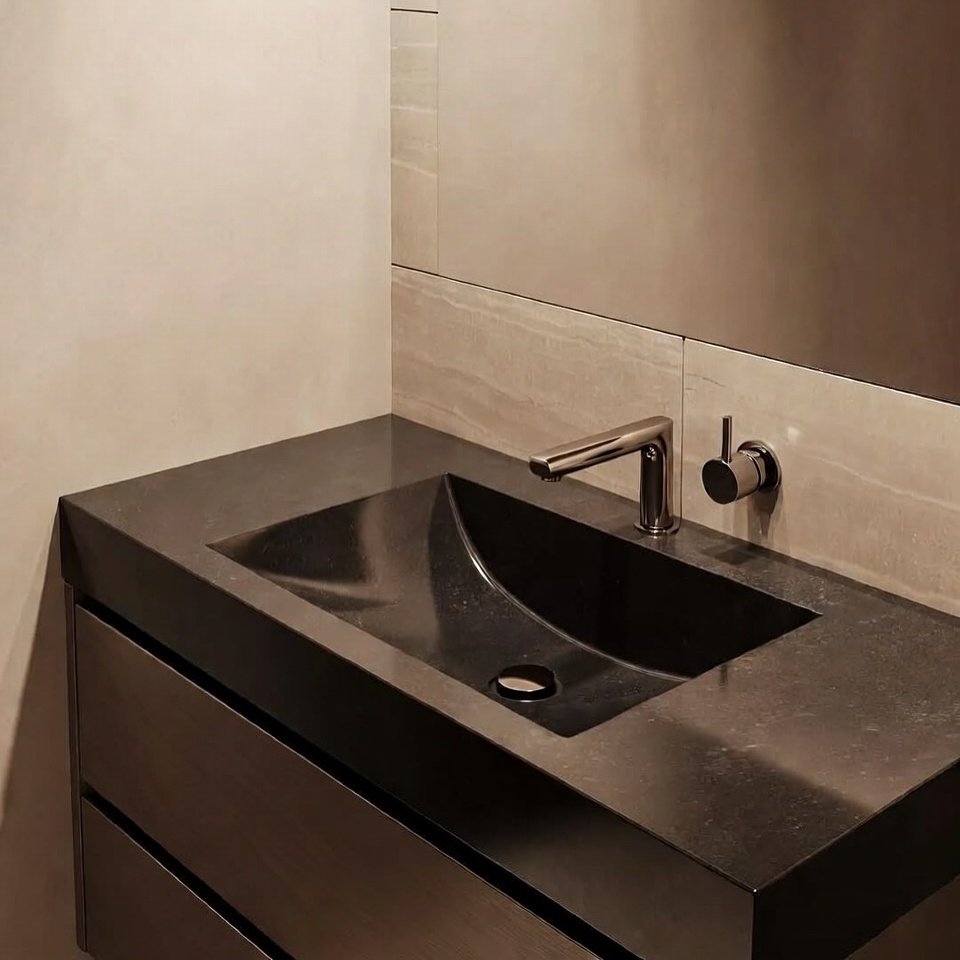
A small bathroom vanity with a sink should prioritize vertical storage, as counter space is limited.
Works well for:
- Half baths
- Apartments
- Narrow floor plans
See more on Bathroom Tile Ideas
Standard Sizes (36–48 Inches)
Fits most full bathrooms.
Common choices:
- 36 inches: standard single vanity
- 42 inches: extra elbow room
- 48 inches: large single sink setup
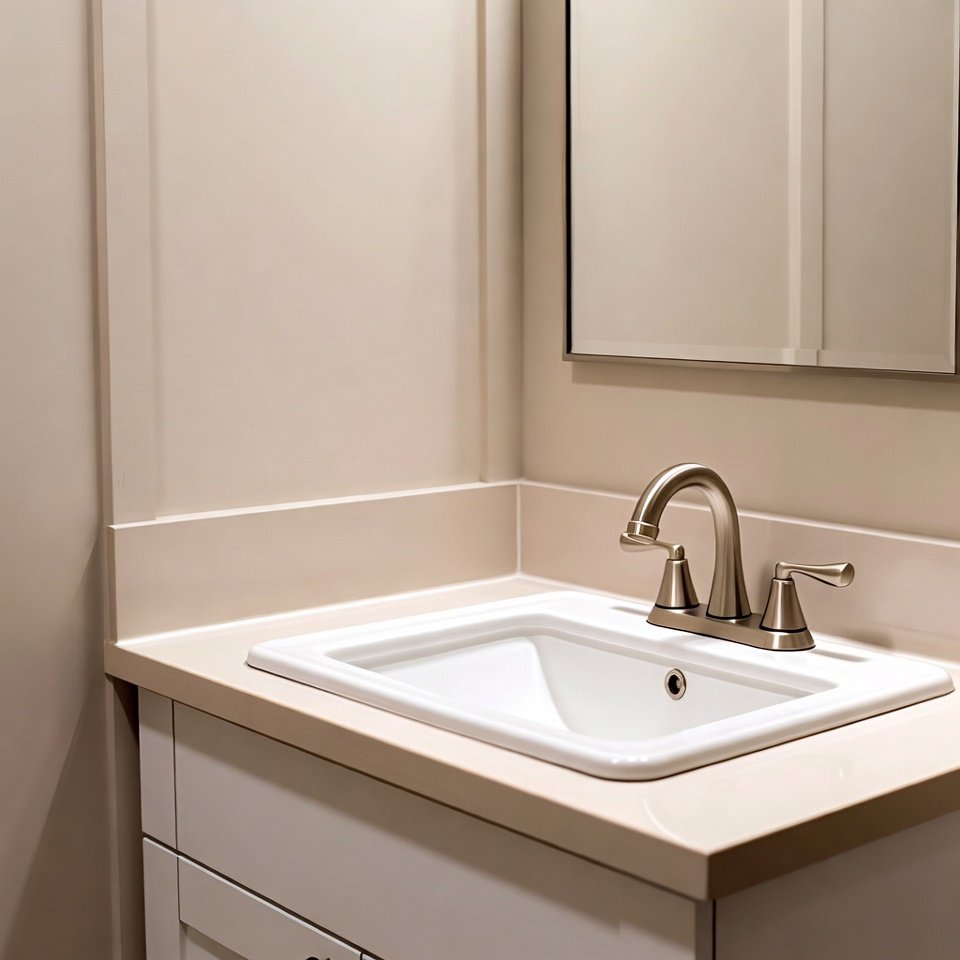
This range balances storage, countertop space, and clearance for movement.
Large & Double Vanity Sizes (60+ Inches)
Designed for master bathrooms.
Standard widths:
- 60 inches
- 72 inches
- 80 inches or more
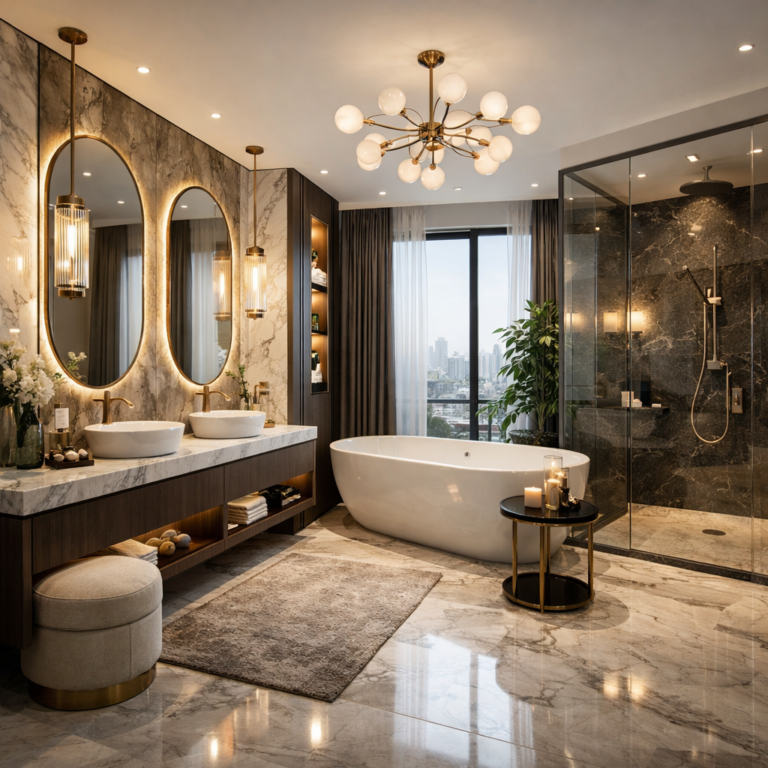
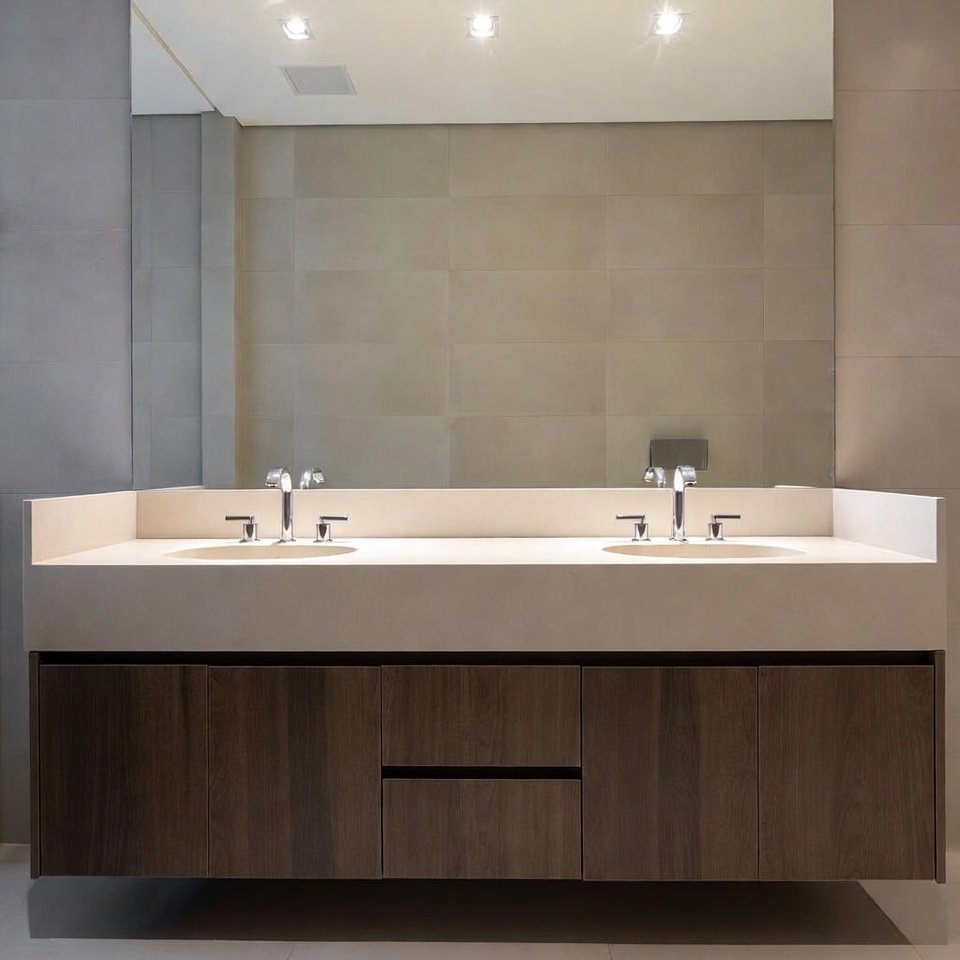
A double bathroom vanity with sink provides separate basins, more drawers, and smoother morning routines for couples or families.
Height, Depth & Clearance: Often Overlooked
Height
- 30–32 inches: traditional height
- 34–36 inches: comfort height (most popular today)
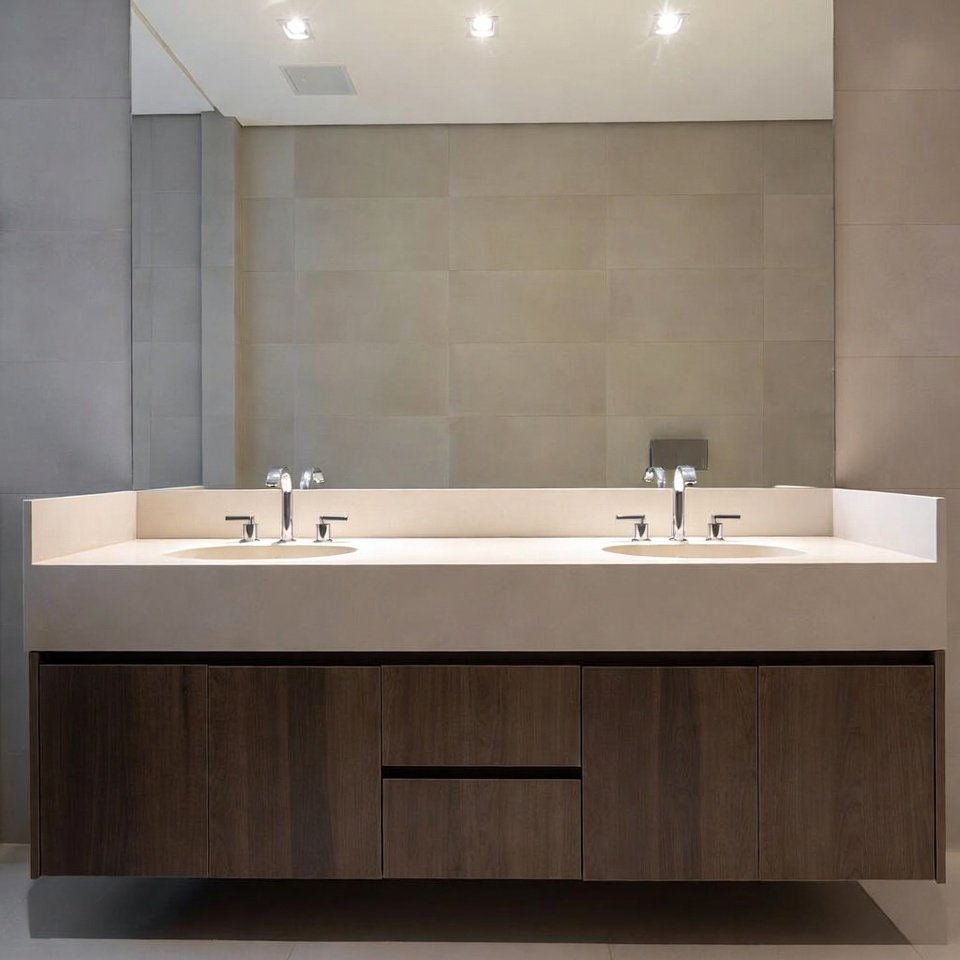
Comfort height reduces bending and feels more natural for adults.
Depth
Standard depth ranges from 18 to 22 inches.
- Shallow units save space in tight bathrooms
- Deeper units provide more counter area
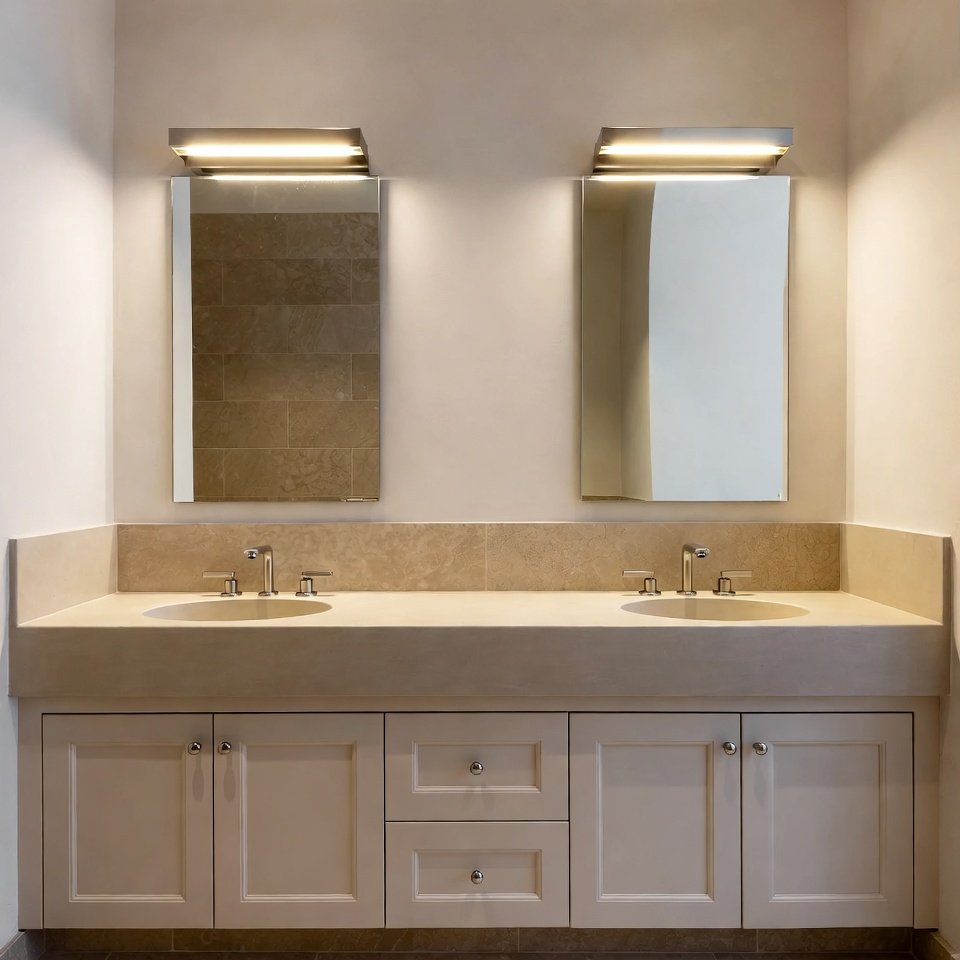
Clearance Guidelines
Leave enough space for safe movement:
- At least 30 inches of walking clearance in front
- Door swing space if cabinets or drawers open outward
- Adequate distance from the toilet and the shower
Ignoring clearance is one of the most common remodeling mistakes.
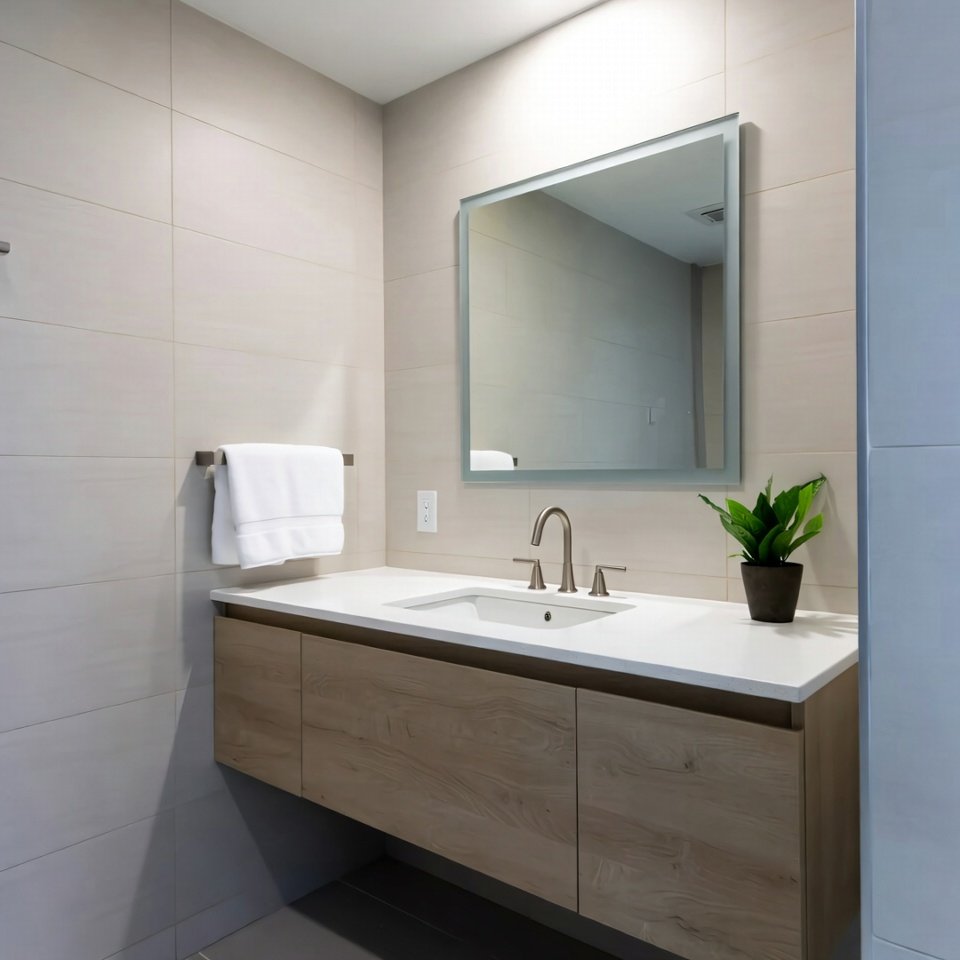
Types of Bathroom Vanities
Freestanding Bathroom Vanity
The most common option.
- Sits on the floor
- Offers maximum storage
- Easy replacement later
- Works with most plumbing setups
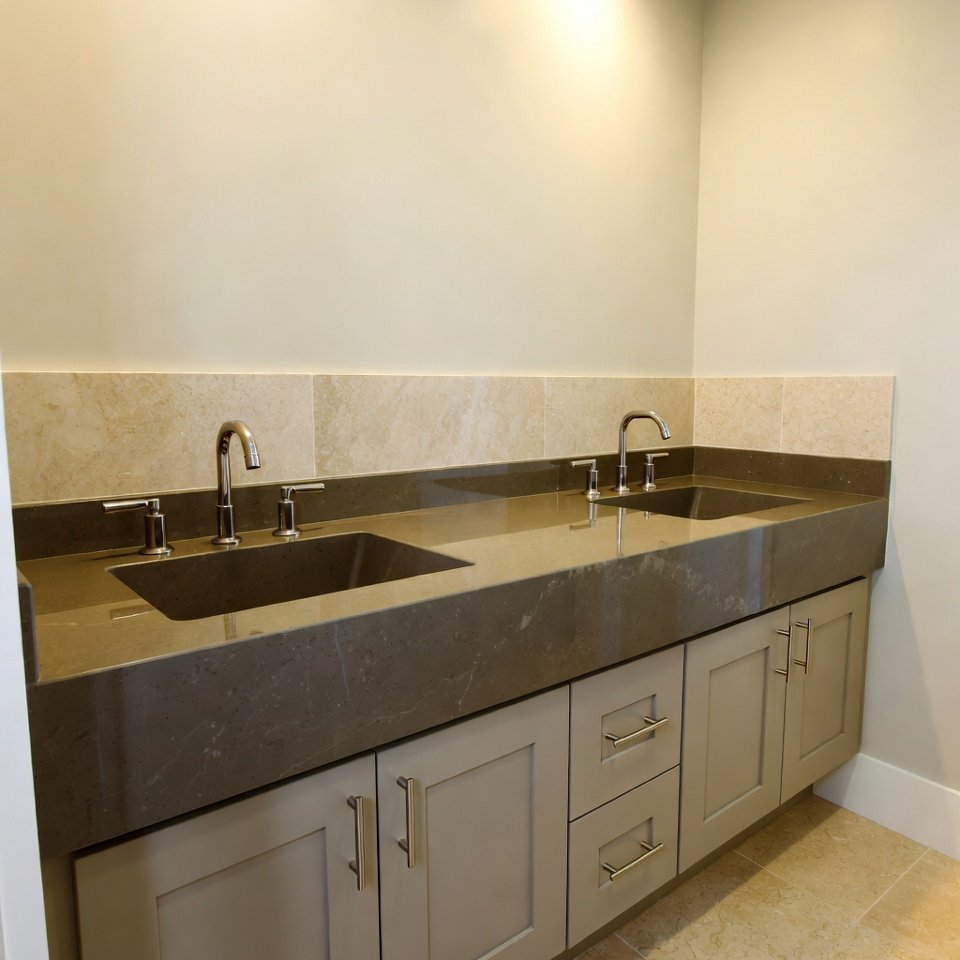
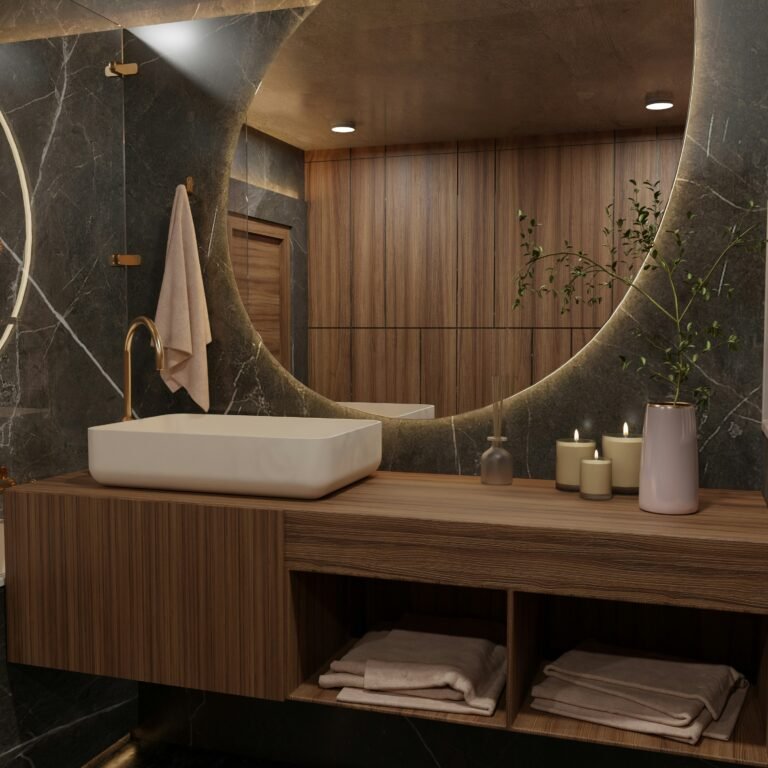
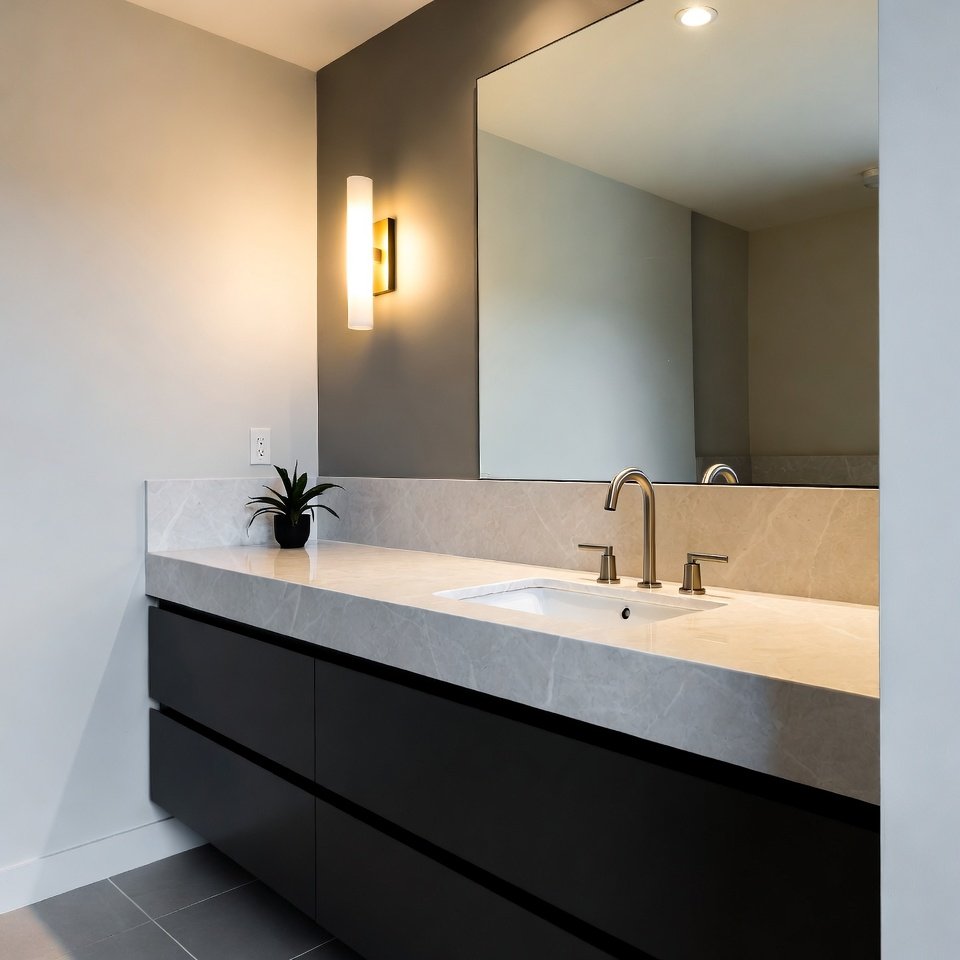
Wall-Mounted / Floating Vanity
Attached to the wall with an open floor space below.
Advantages:
- Makes small rooms feel larger
- Modern appearance
- Easier cleaning underneath
- Adjustable installation height
Requires solid wall support and proper anchoring.
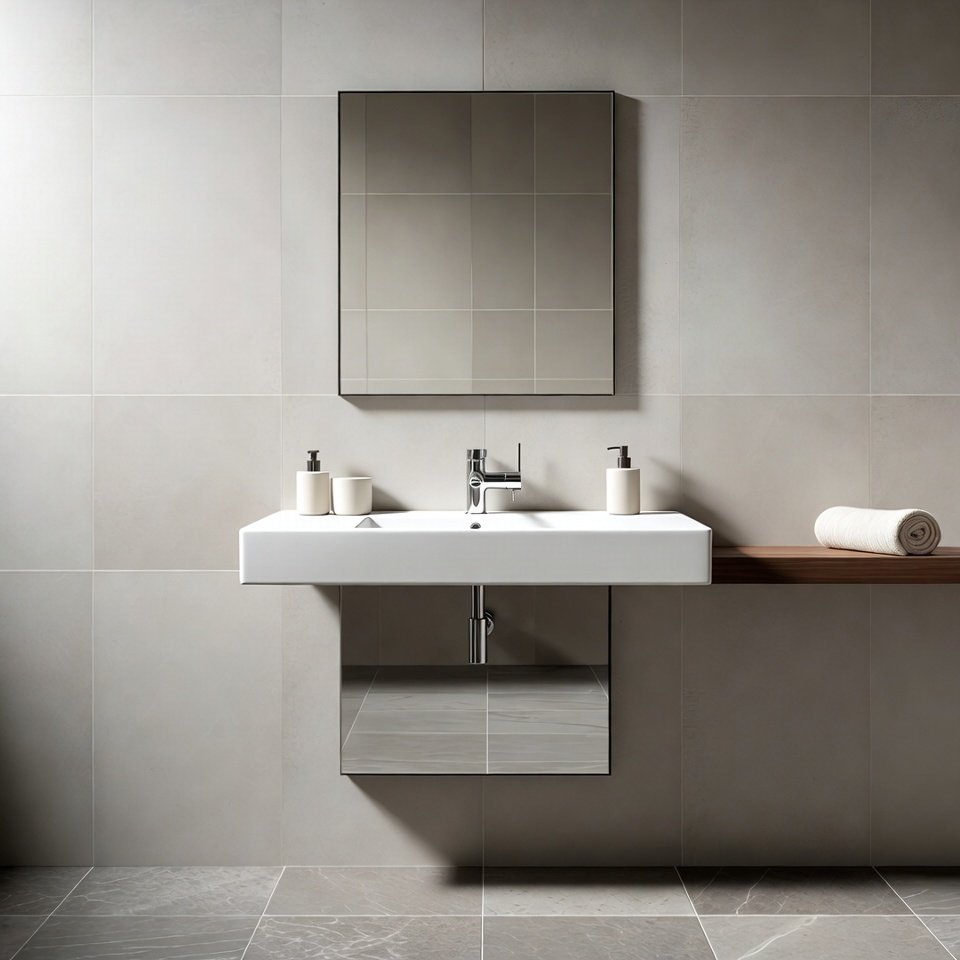
Corner Bathroom Vanity
Designed for unused corners.
Ideal for very small bathrooms where standard layouts don’t fit.
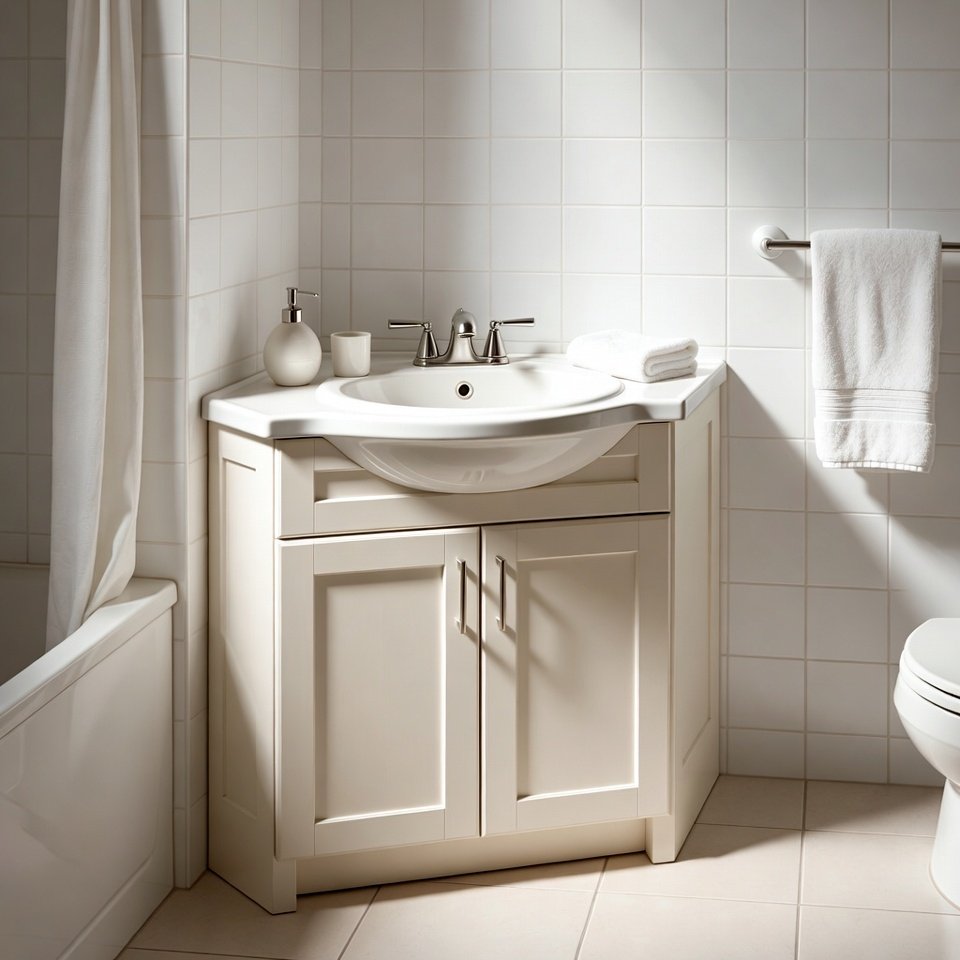
Single vs Double Sink Vanity
Single sink
- Lower cost
- Easier plumbing
- Better for small spaces
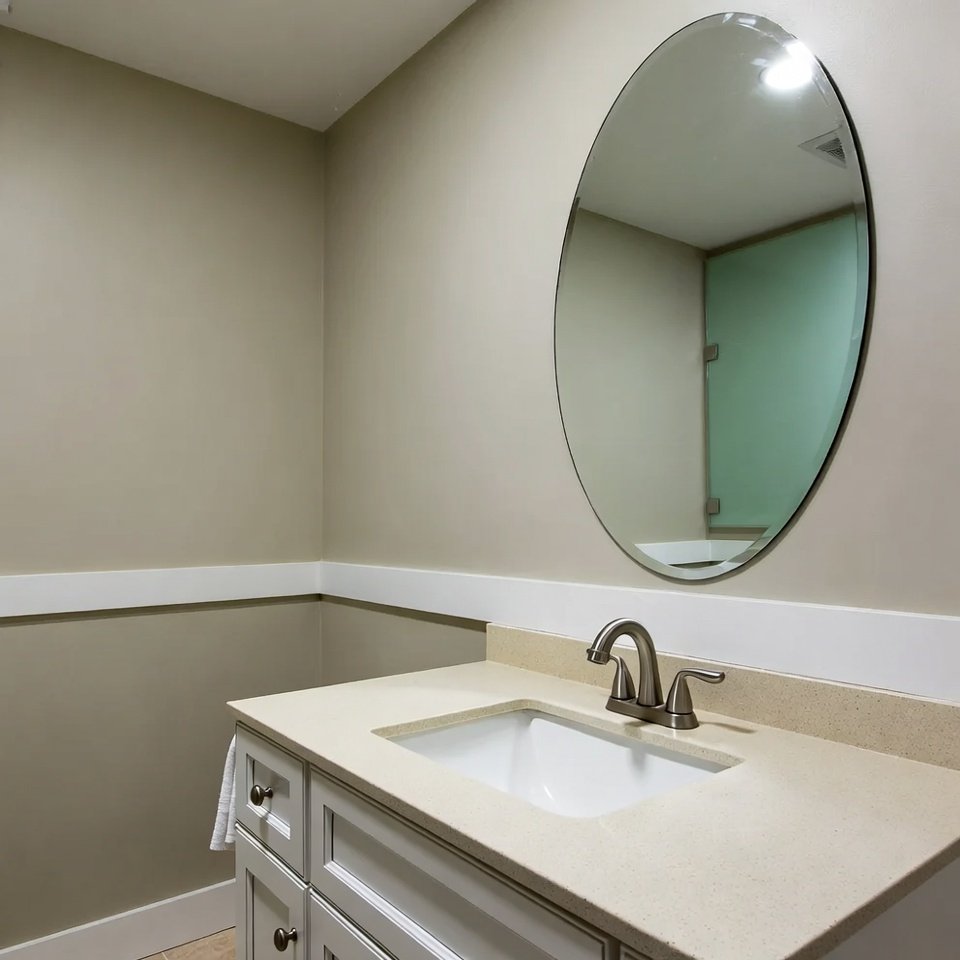
Double sink
- Personal space for two users
- More storage
- Requires a wider layout
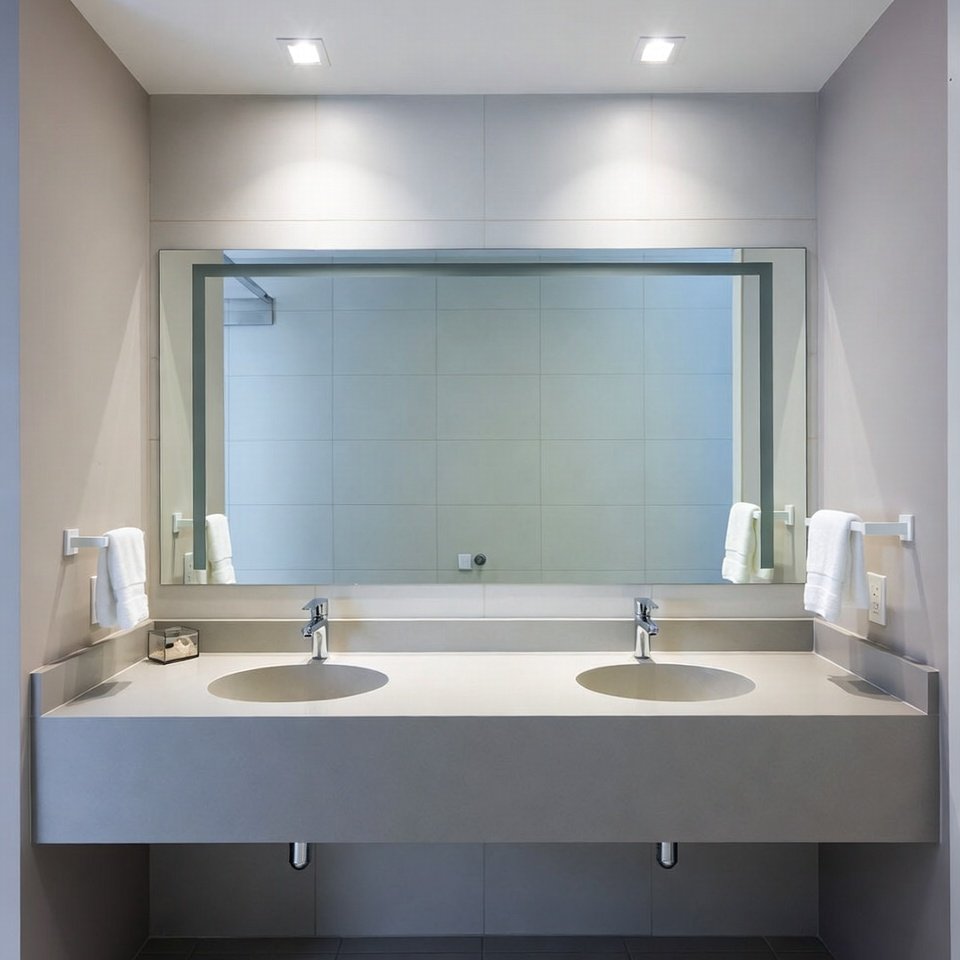
Watch also Modern Bathroom Design Ideas
Materials That Hold Up in Humid Bathrooms
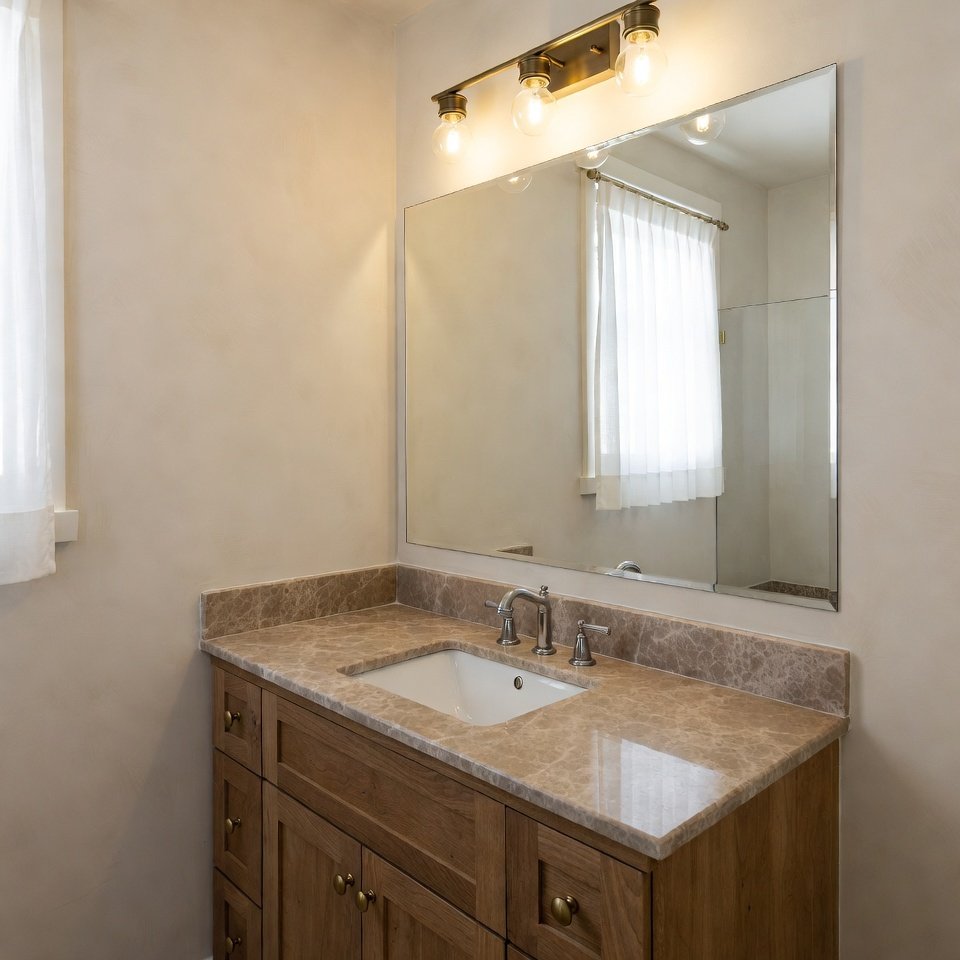
Solid Wood
Premium option.
Pros:
- Strong and long-lasting
- Can be refinished
- High resale appeal
Cons:
- Expensive
- Needs sealing against moisture
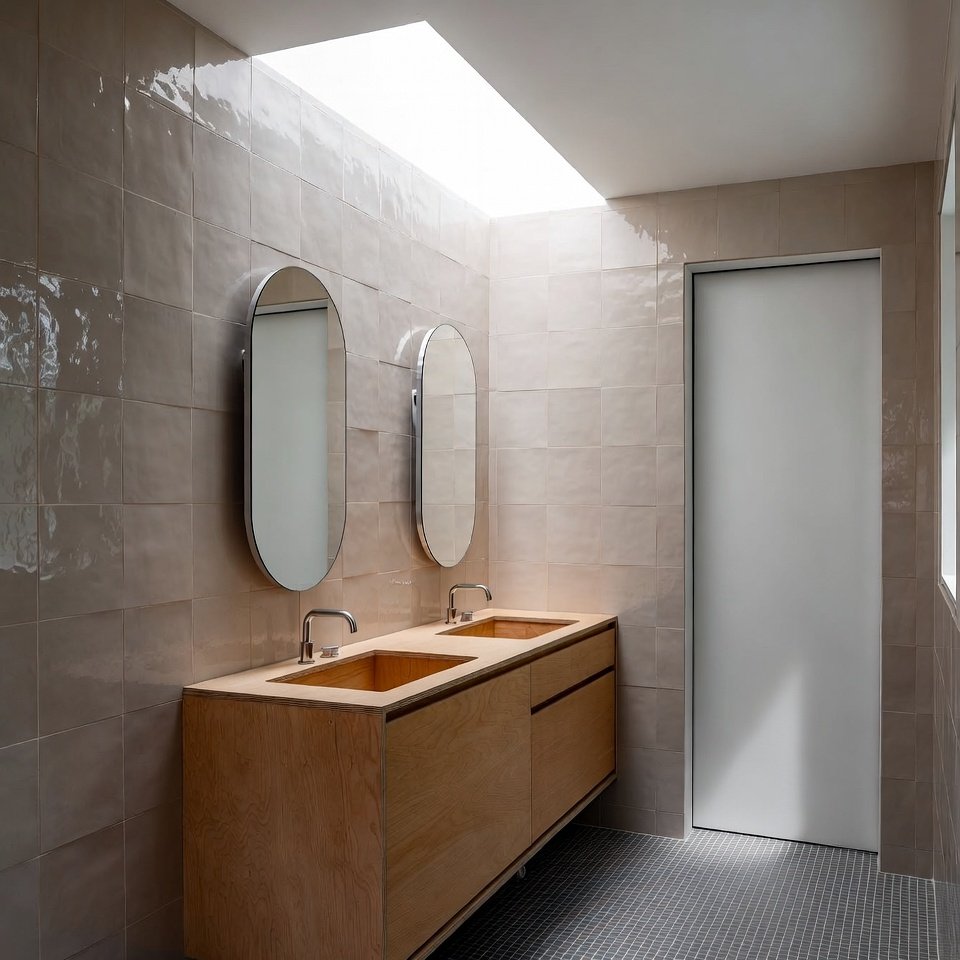
Plywood Construction
Best durability-to-price balance.
- Moisture resistant
- Structurally strong
- Common in quality vanities
MDF or Particle Board
Budget-friendly but less durable.
- Smooth painted finish
- Vulnerable to water damage
- Shorter lifespan in humid spaces
Countertop & Sink Options
Most units come as a complete bathroom vanity with sink, but materials vary widely.
Countertop Materials
Quartz: durable, non-porous, low maintenance
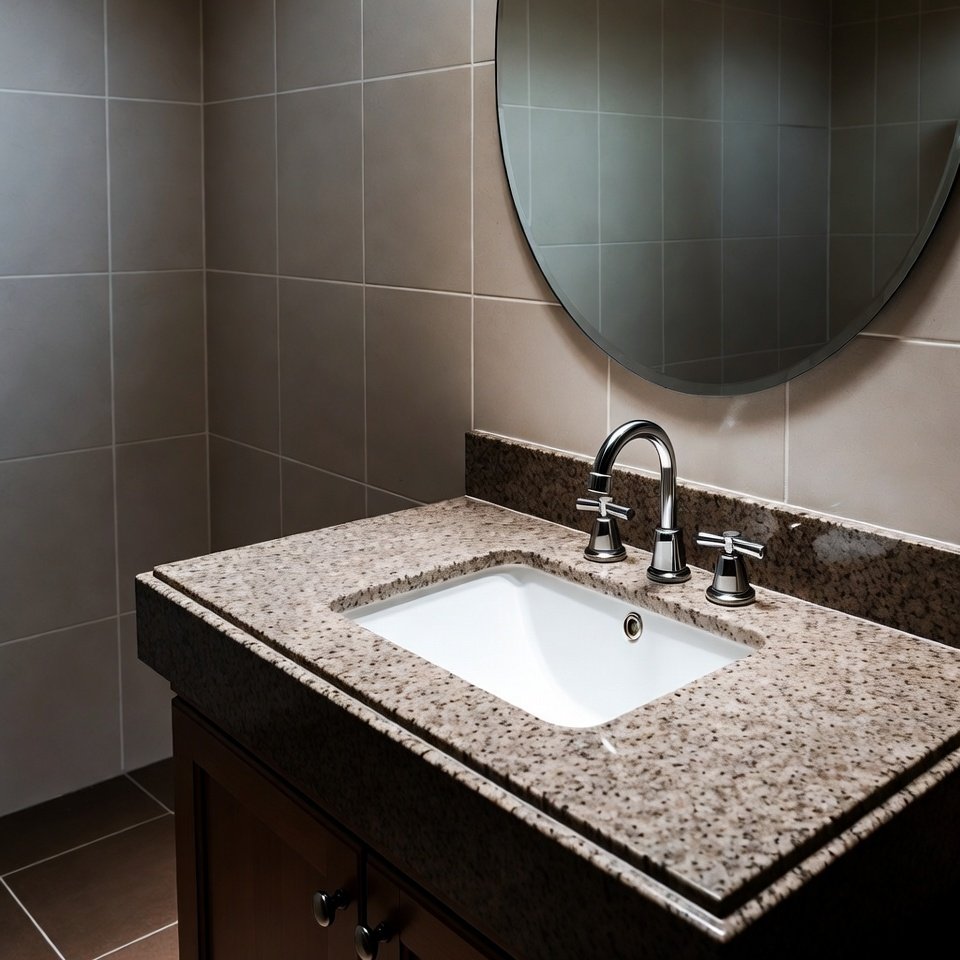
Granite: natural stone, very tough, requires sealing
Marble: high-end look, stains easily without care
Ceramic/Porcelain: affordable and easy to clean
Sink Styles
Undermount
- Installed below the counter
- Seamless look
- Easy cleaning
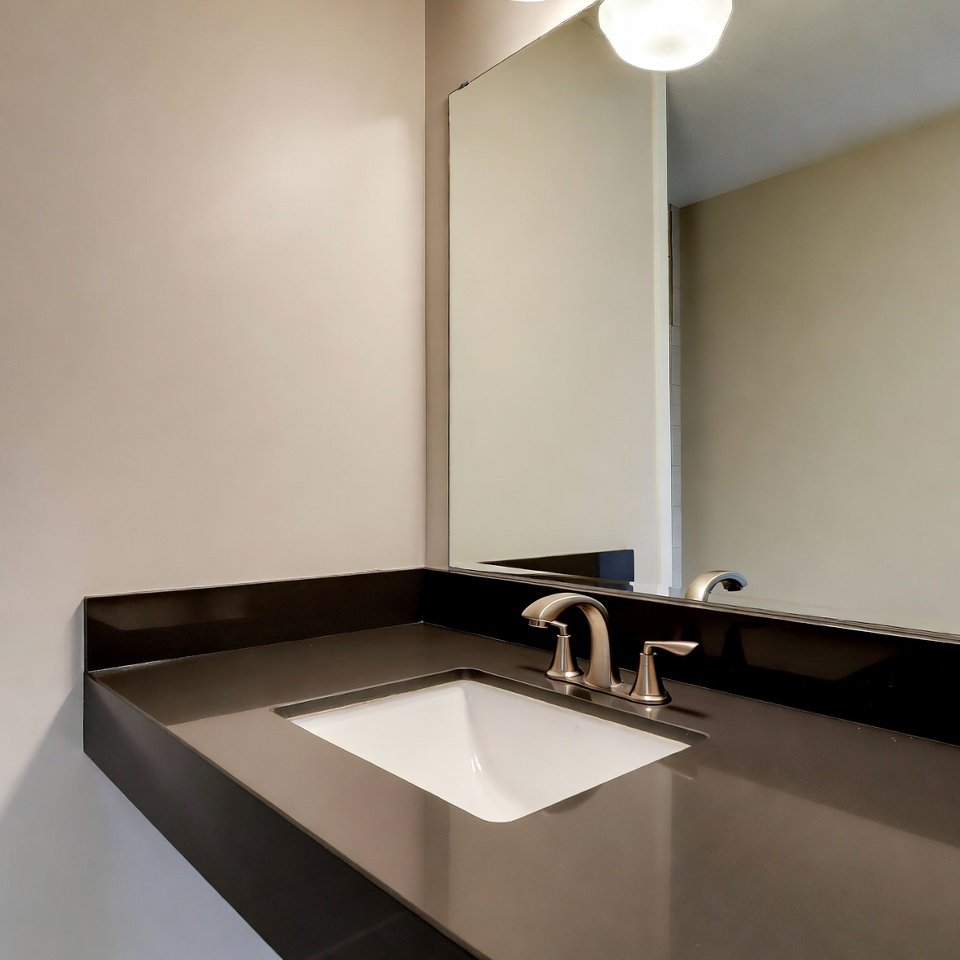
Vessel
- Sits on top of the surface
- Decorative focal point
- Requires a taller faucet
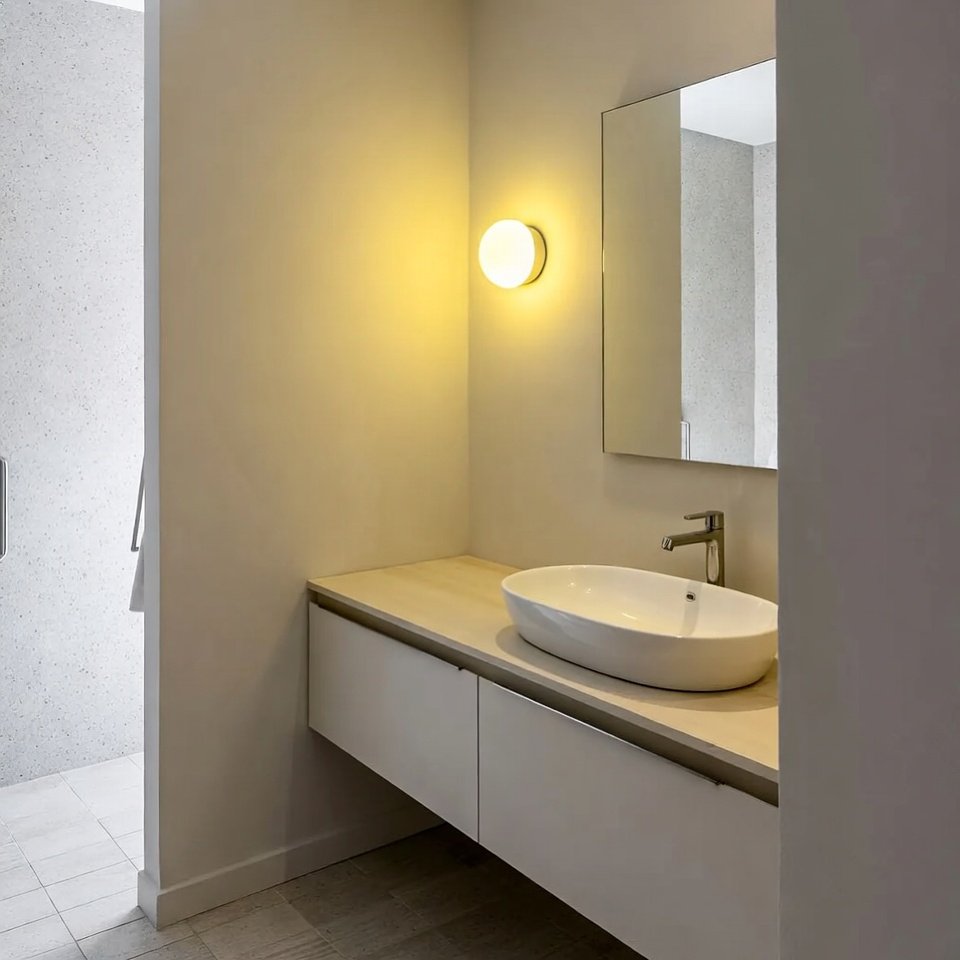
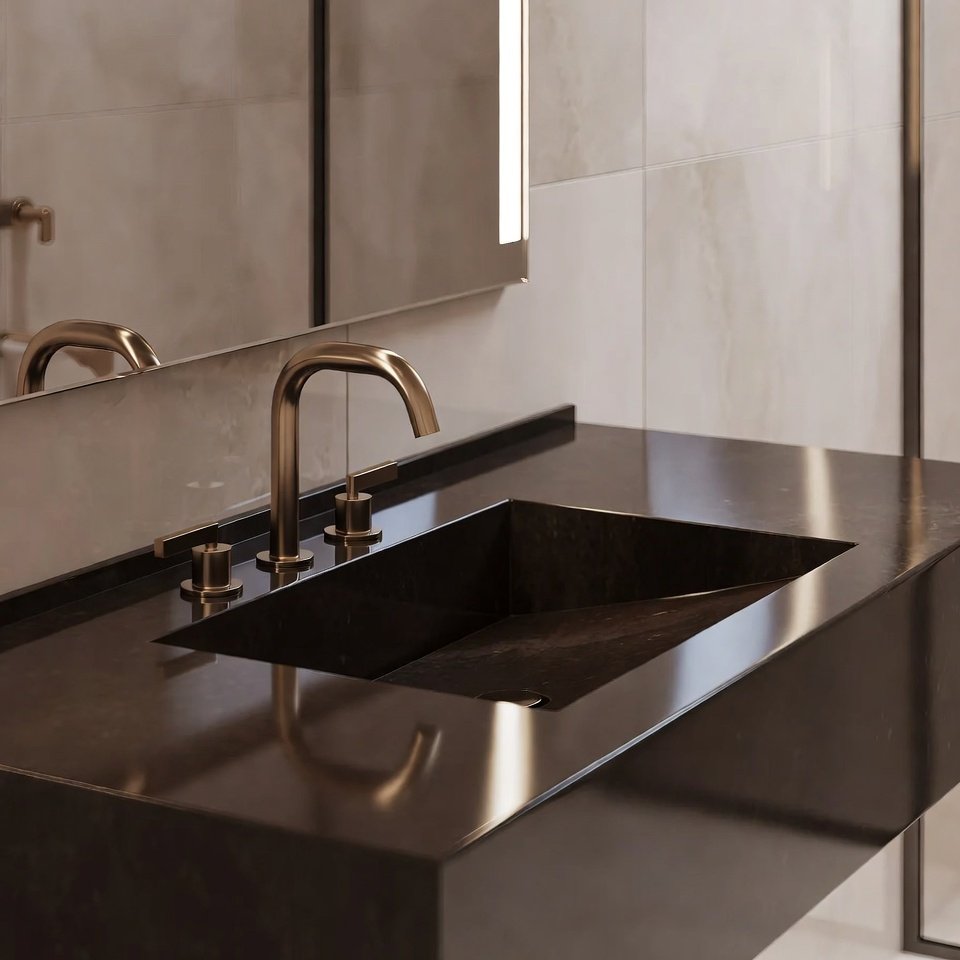
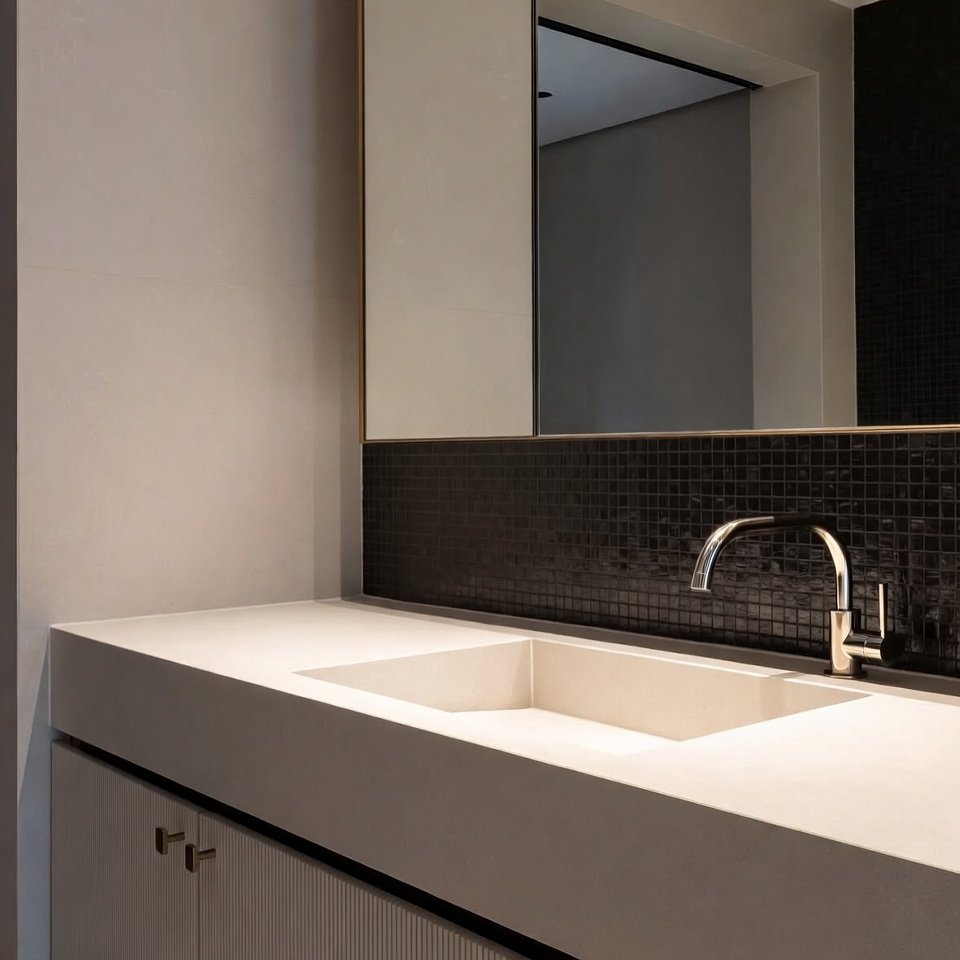
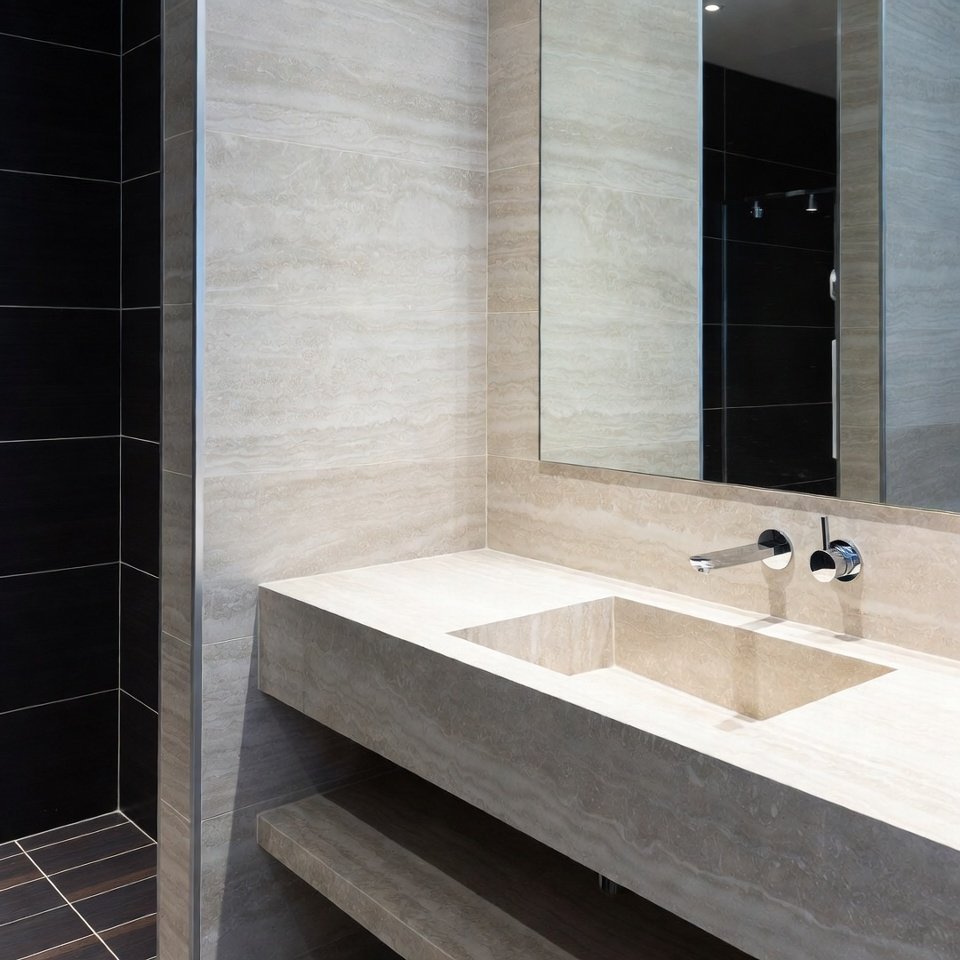
Integrated Sink
- Molded into the countertop
- Few seams
- Minimal maintenance
Plumbing & Installation Considerations
Before buying, confirm these details:
- Drain location (center vs offset)
- Faucet hole configuration
- Water supply line position
- Wall studs for mounting
- P-trap clearance inside the cabinet
A vanity that doesn’t match plumbing may require costly modifications.
Storage Features That Make Daily Use Easier
Good storage matters more than appearance.
Look for:
- Deep drawers for tall items
- Drawer dividers
- Space for cleaning supplies
- Shelves for towels
- Hidden compartments
Drawers are usually more practical than cabinets because items are easier to access.
Bathroom Vanity Styles to Match Your Space
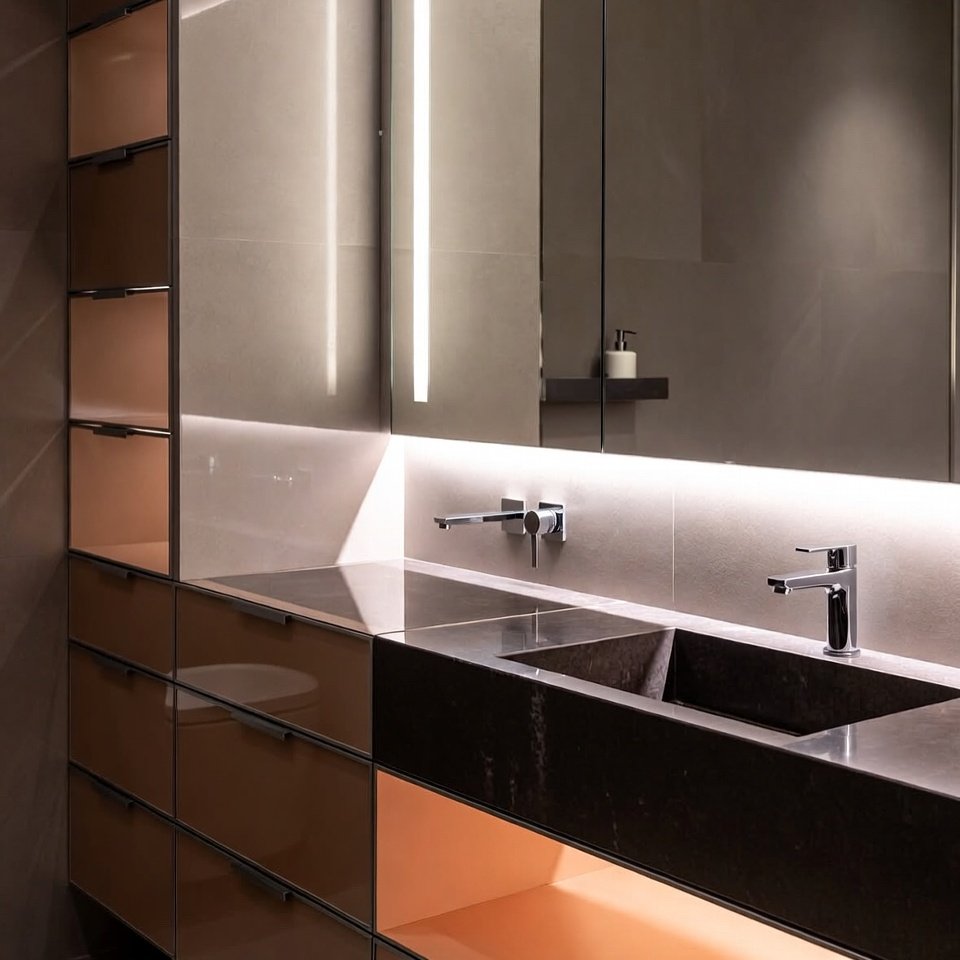
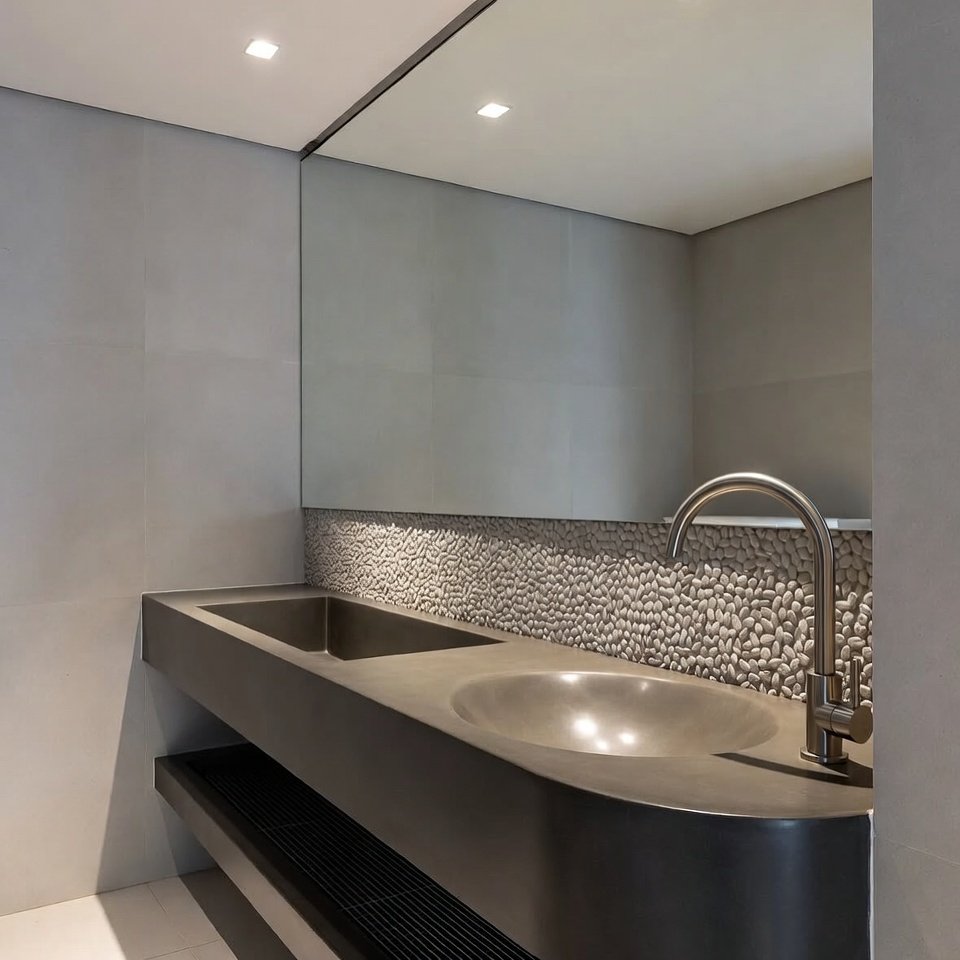
Modern / Contemporary
- Clean lines
- Neutral finishes
- Minimal hardware
- Floating designs
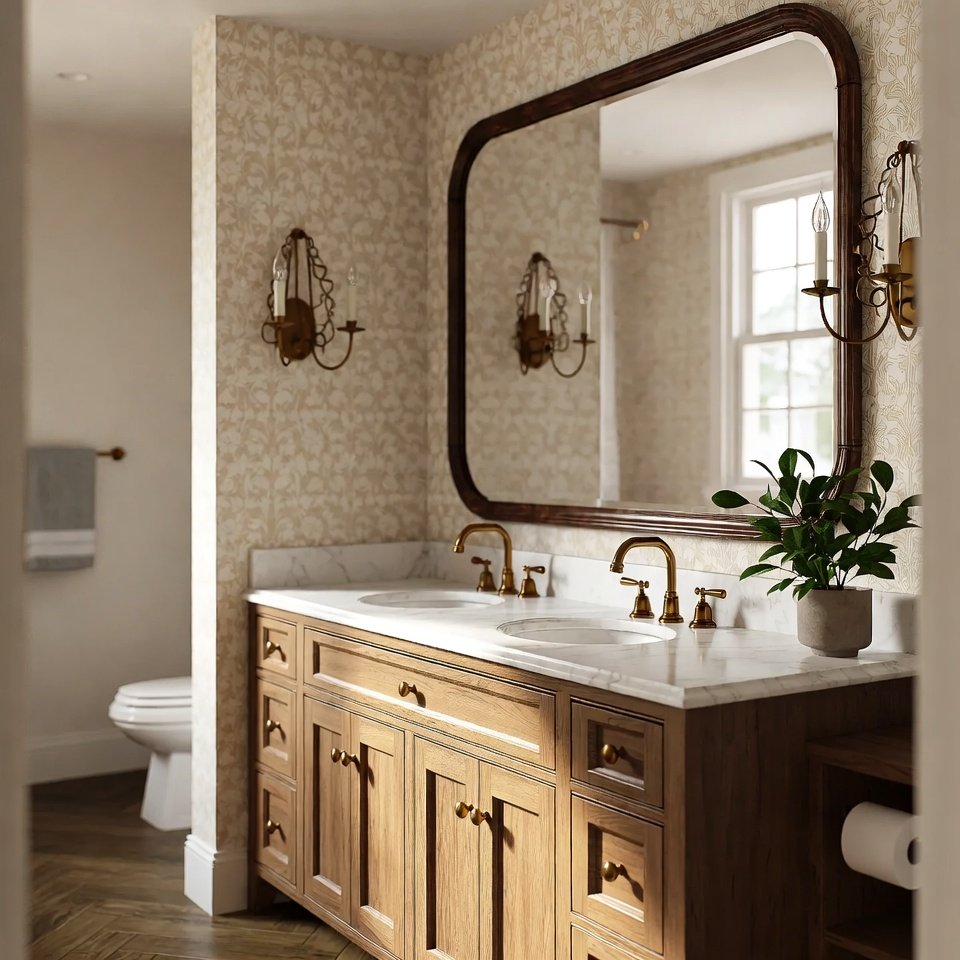
Traditional
- Decorative cabinet fronts
- Rich wood tones
- Classic details
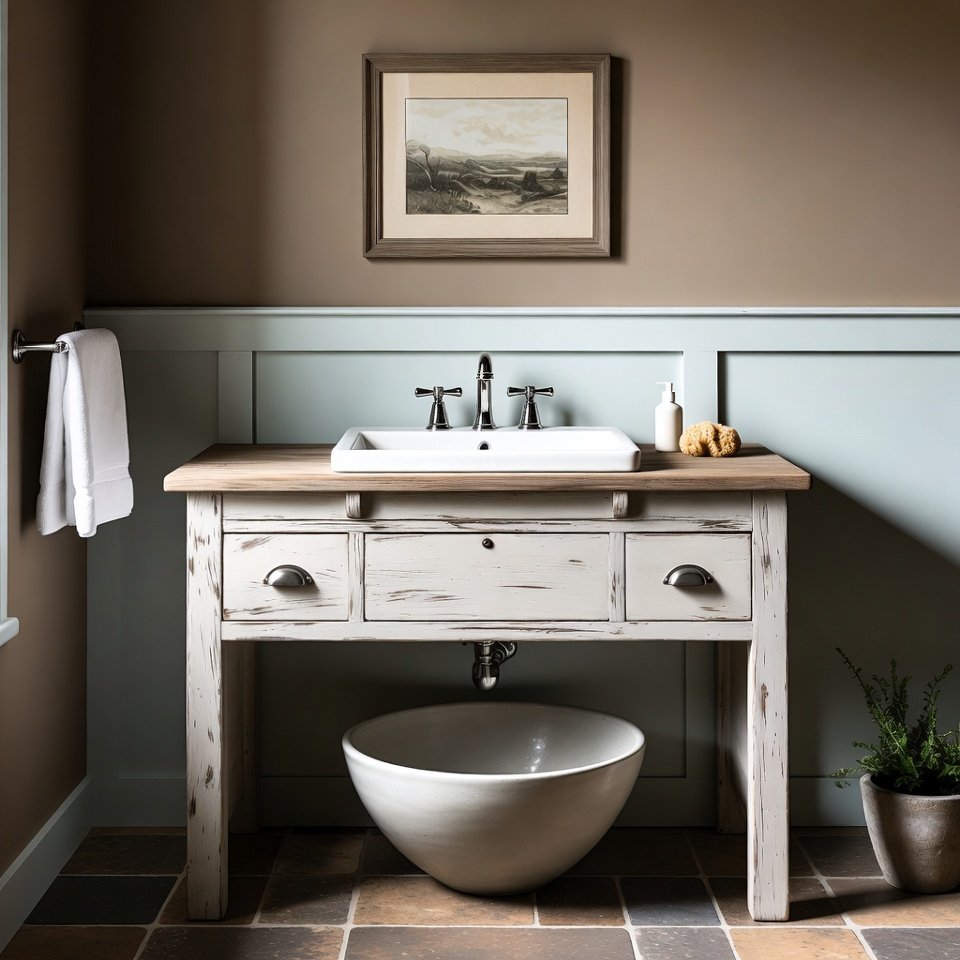
Farmhouse
- Rustic textures
- Matte finishes
- Warm, cozy look
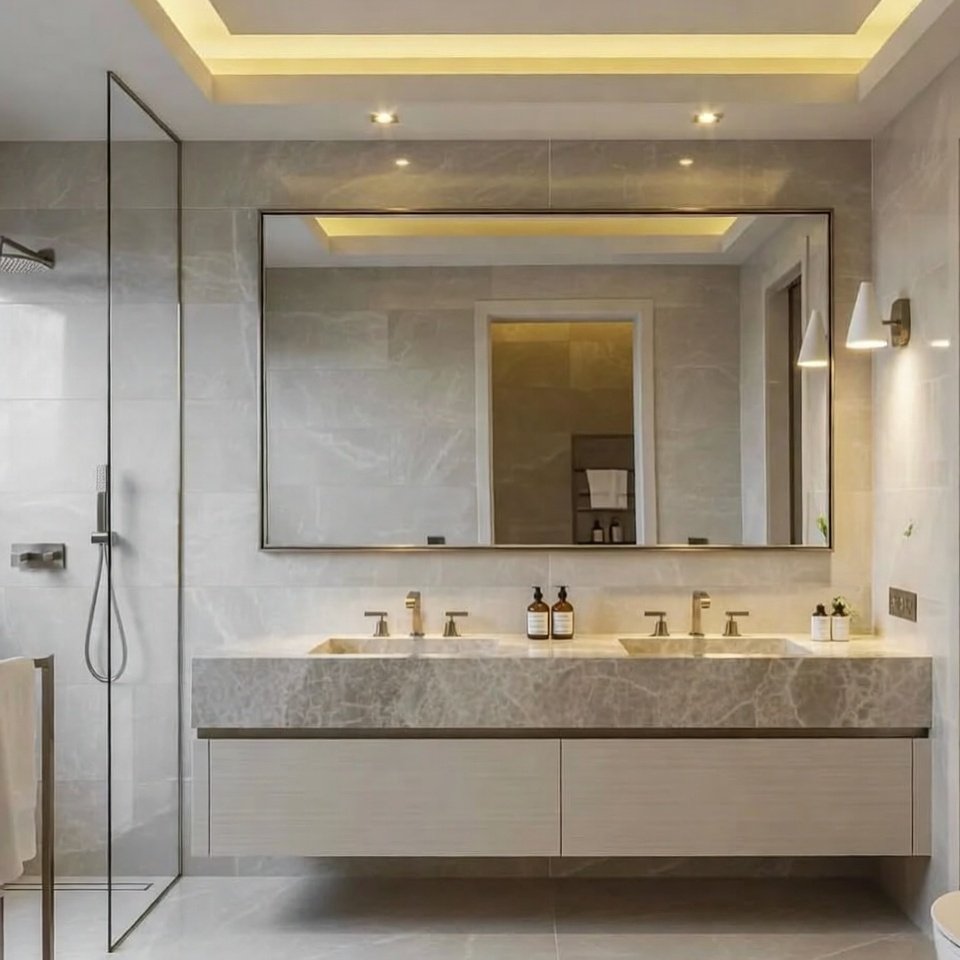
Luxury Designs
Higher-end features often include:
- Stone countertops
- Soft-close hardware
- Custom finishes
- Premium drawer systems
Expert Tips: Mistakes to Avoid When Buying a Vanity
Many problems appear after installation, not before.
Avoid these common errors:
Buying without measuring plumbing location
Leads to expensive rework.
Choosing style over storage
Looks good, functions poorly.
Ignoring door swing clearance
Cabinet doors may hit walls or toilets.
Picking cheap materials for humid rooms
Results in swelling and damage.
Installing too high or too low
Affects comfort long-term.
Best Options by Bathroom Type
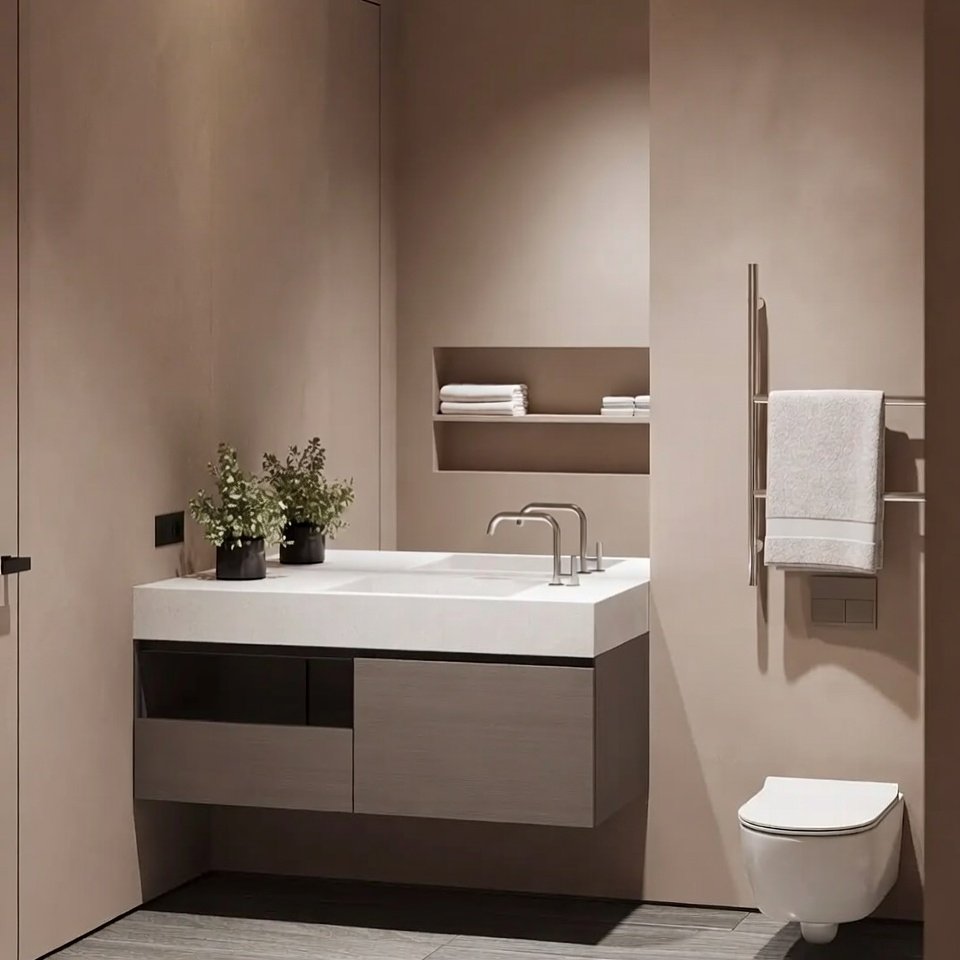
Small Bathrooms
Choose:
- Floating vanity
- Light colors
- Slim depth
- Integrated storage
Keeps the room open and functional.
Master Bathrooms
You can prioritize comfort.
- Double vanity with sink
- Large mirror
- Ample countertop
- Durable materials
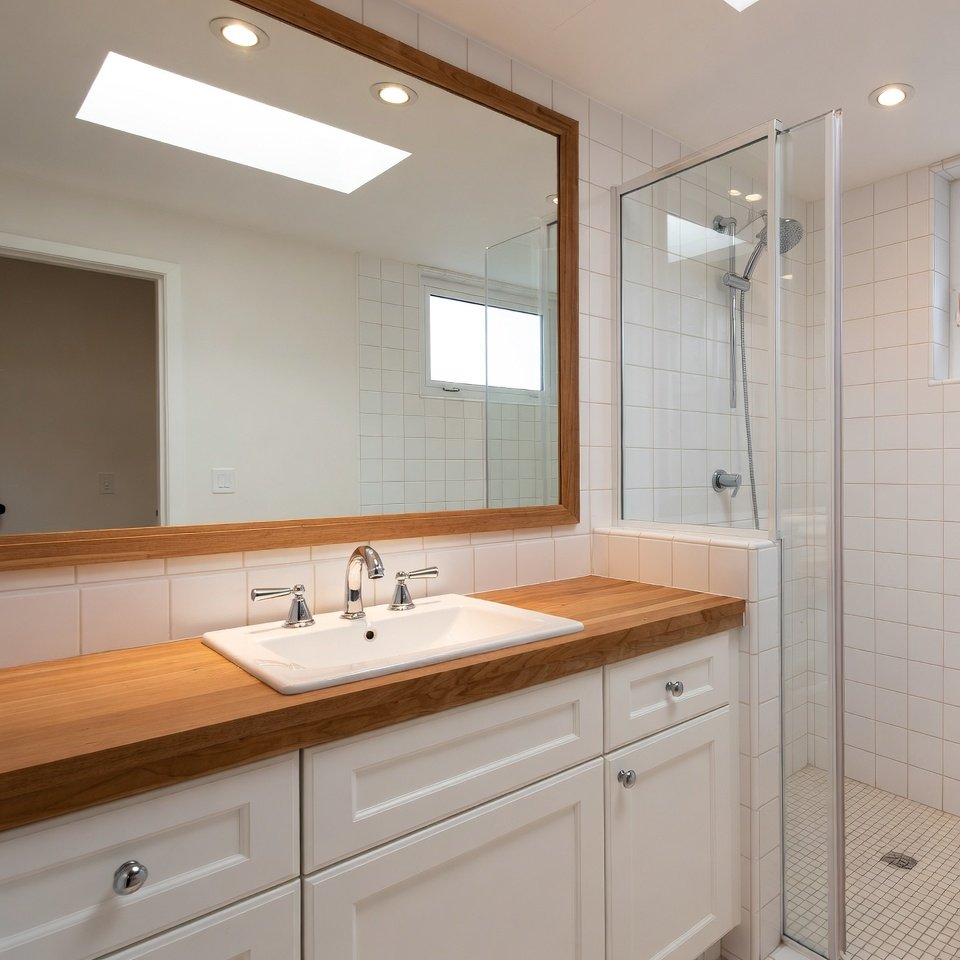
Guest Bathrooms
Focus on simplicity.
- Moderate size
- Neutral style
- Easy cleaning
Installation Overview
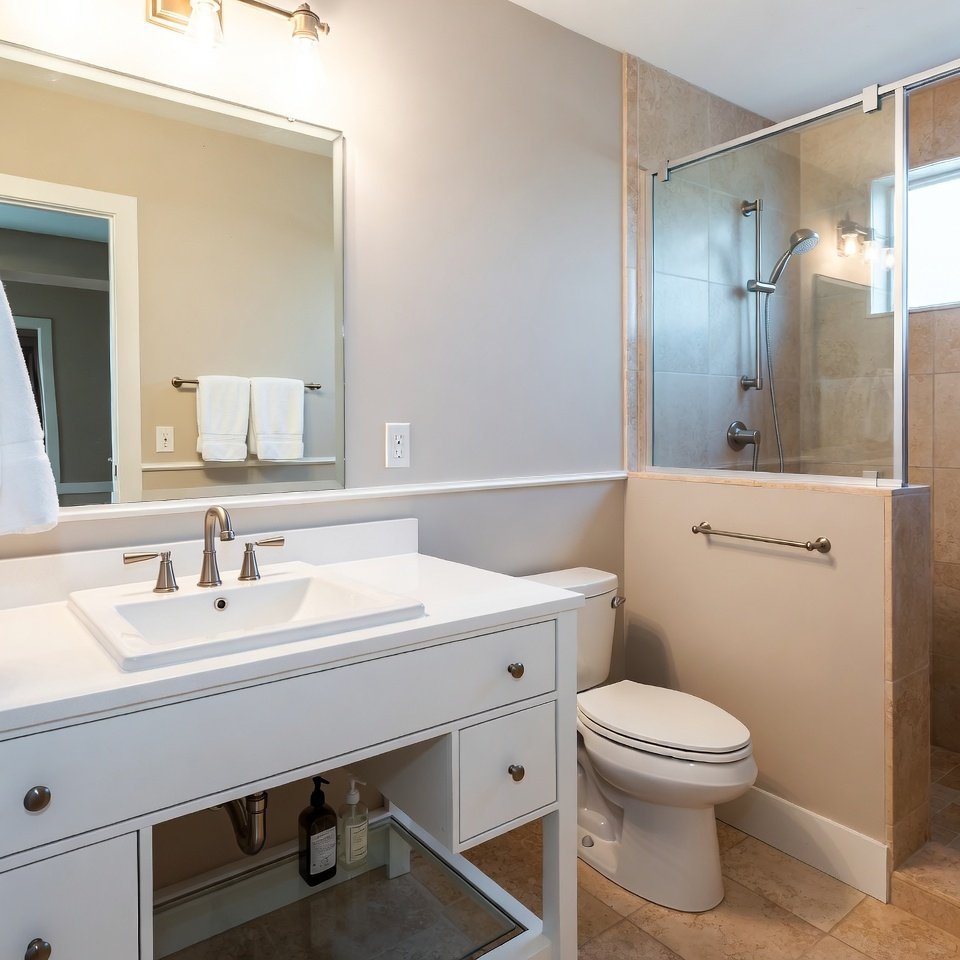
Freestanding units are often DIY-friendly.
Basic process:
- Shut off the water supply
- Remove existing vanity
- Position the new cabinet
- Connect plumbing
- Secure to the wall
- Seal edges
Wall-mounted models typically require professional installation.
Price Range: What You’ll Actually Pay
Costs vary based on size, materials, and construction quality.
Typical ranges:
- Budget: $150–$400
- Mid-range: $400–$900
- Premium: $900–$3,000+
- Custom units: $3,000+
A durable bathroom vanity with sink often costs more upfront but lasts significantly longer.
Where to Buy Quality Bathroom Vanities
Reliable sources include:
- Home improvement retailers
- Bath showrooms
- Furniture stores
- Online specialty shops
- Custom cabinet makers
Check warranty coverage and customer reviews before purchasing.
Simple Upgrades That Elevate Any Vanity
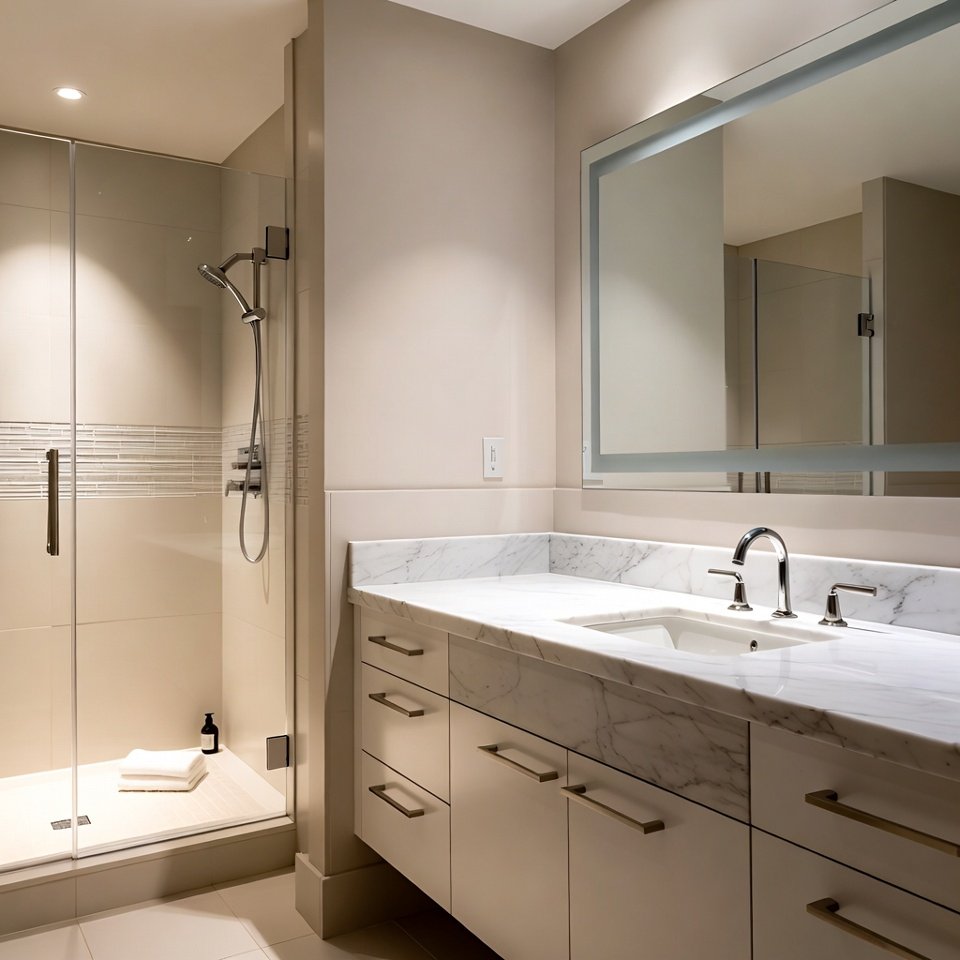
Even basic units can look high-end with small changes:
- Larger mirror
- Better lighting
- Updated hardware
- Tile backsplash
- Coordinated accessories
Conclusion
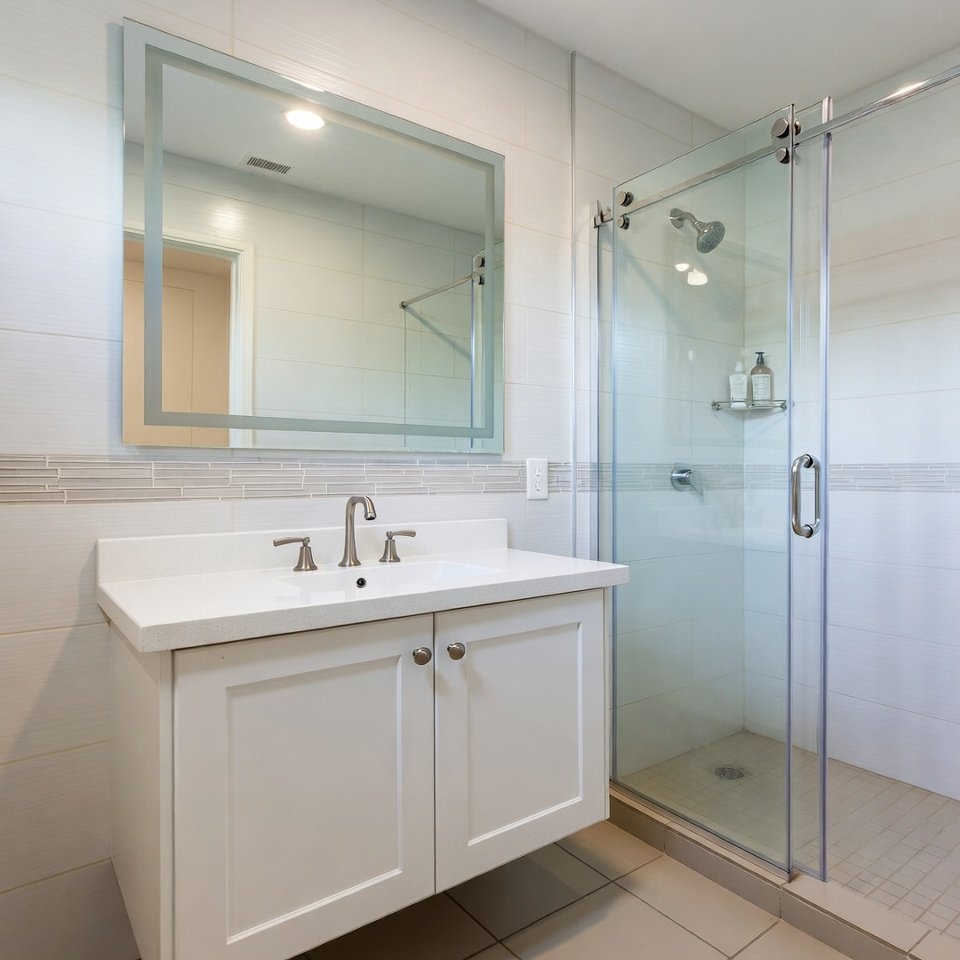
The best bathroom vanity with sink is the one that fits your space, matches your plumbing, and supports daily routines. Size and layout matter more than trends. Durable materials prevent long-term problems. Proper installation ensures everything functions correctly.
Measure carefully, plan for storage, and prioritize quality construction. Done right, a vanity upgrade can improve both usability and home value for years.
FAQ
What size bathroom vanity with sink is best for a small bathroom?
Most small bathrooms use vanities between 24 and 36 inches wide. Floating designs can make tight spaces feel larger.
Is a double sink vanity worth it?
Yes, for shared bathrooms. It reduces crowding and provides separate storage areas but requires at least 60 inches of width.
What material lasts longest in a humid bathroom?
Solid wood and plywood perform best. MDF and particleboard are more susceptible to moisture damage.
Can I replace a vanity without moving plumbing?
Yes, if the new unit matches the existing drain and supply locations. Otherwise, plumbing adjustments may be needed.
Are floating vanities strong enough?
When anchored into wall studs or proper supports, they are very secure and safe for everyday use.