
Kitchen Range Exhaust Hood: A Complete Guide for Better Kitchen Ventilation
Cook once without ventilation. You’ll notice it.
Smoke spreads. Grease sticks. Heat stays trapped.
That buildup doesn’t go away on its own.
A kitchen range exhaust hood pulls out smoke, grease, and heat at the source. It keeps air moving and surfaces cleaner.
Why a Kitchen Range Exhaust Hood Matters
Air quality drops fast while cooking.
Especially when:
- Frying food
- Using gas burners
- Cooking for long periods
Grease particles float in the air. They settle on cabinets and walls.
A proper kitchen ventilation system removes it before it spreads.
In most home kitchens, weak airflow fails during heavy cooking. That’s when a kitchen range exhaust hood makes a real difference.
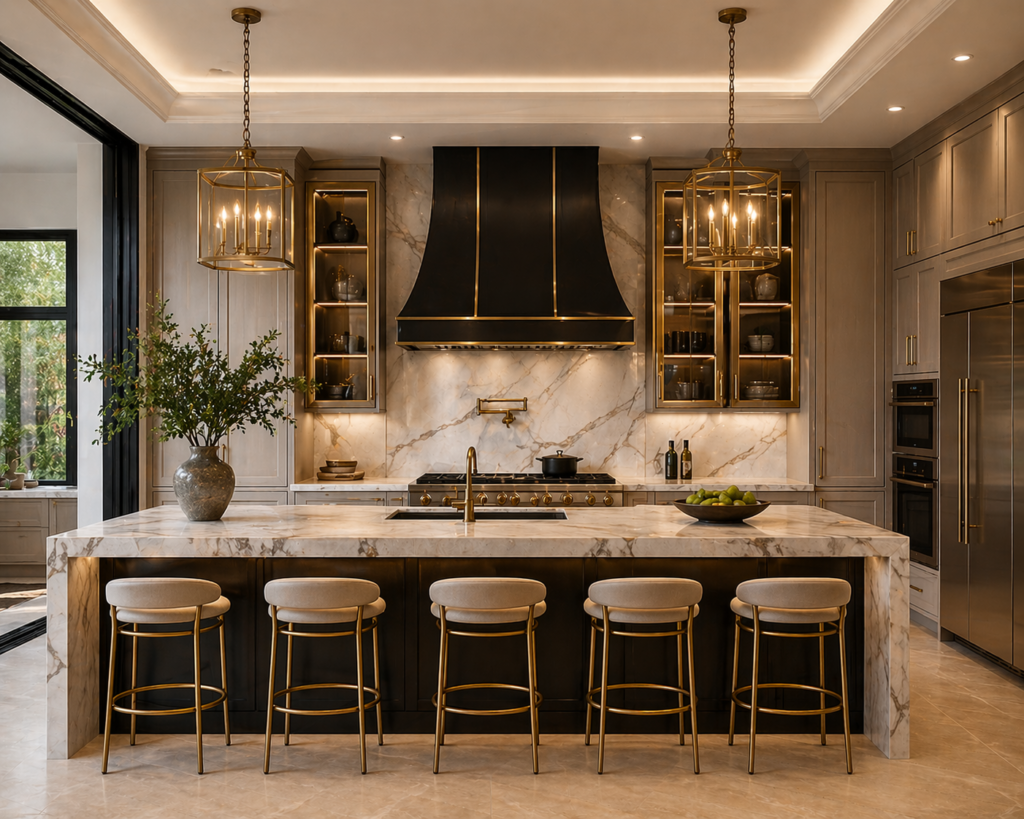
Types & Styles of Kitchen Range Exhaust Hoods
Your kitchen layout decides what works.
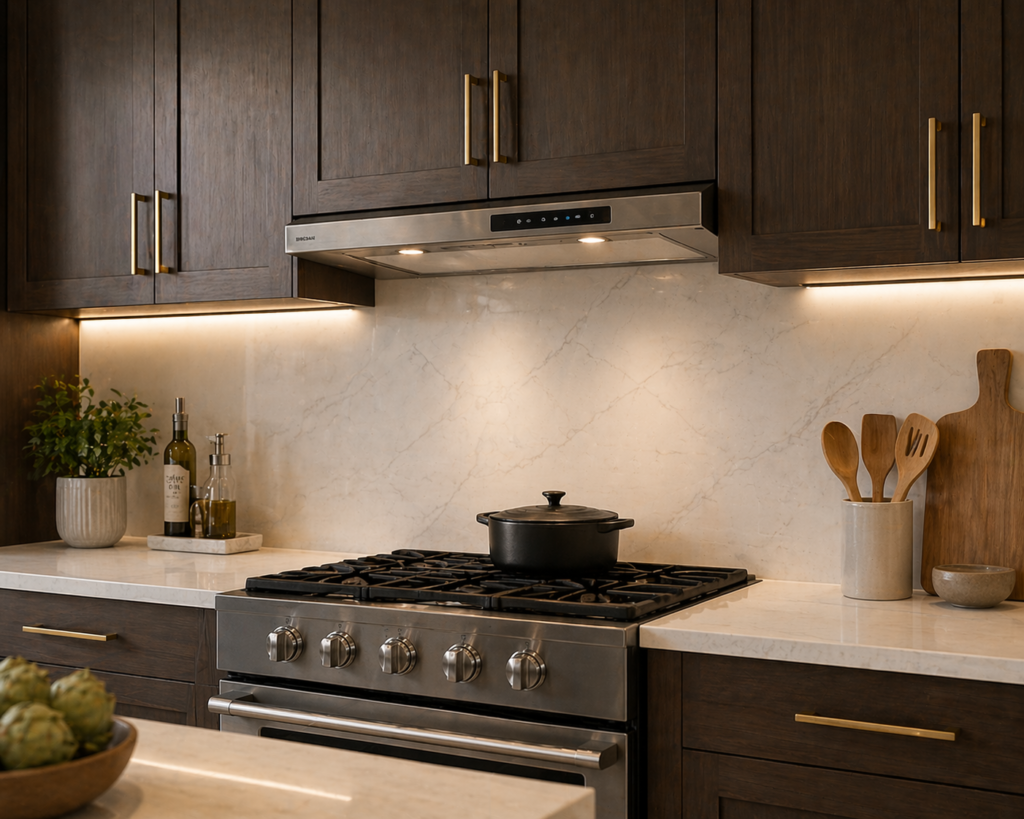
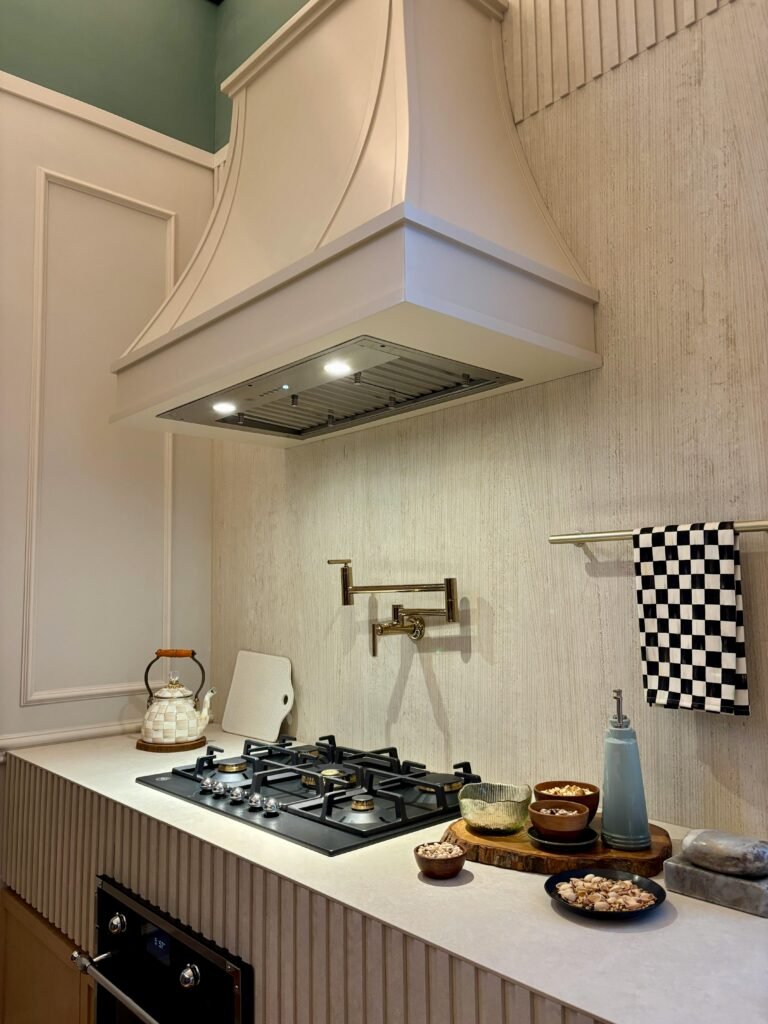
Under-Cabinet Range Hood
Fits under cabinets. Saves space.
Best for:
- Compact kitchens
- Straight wall layouts
Works with ducted or ductless systems.
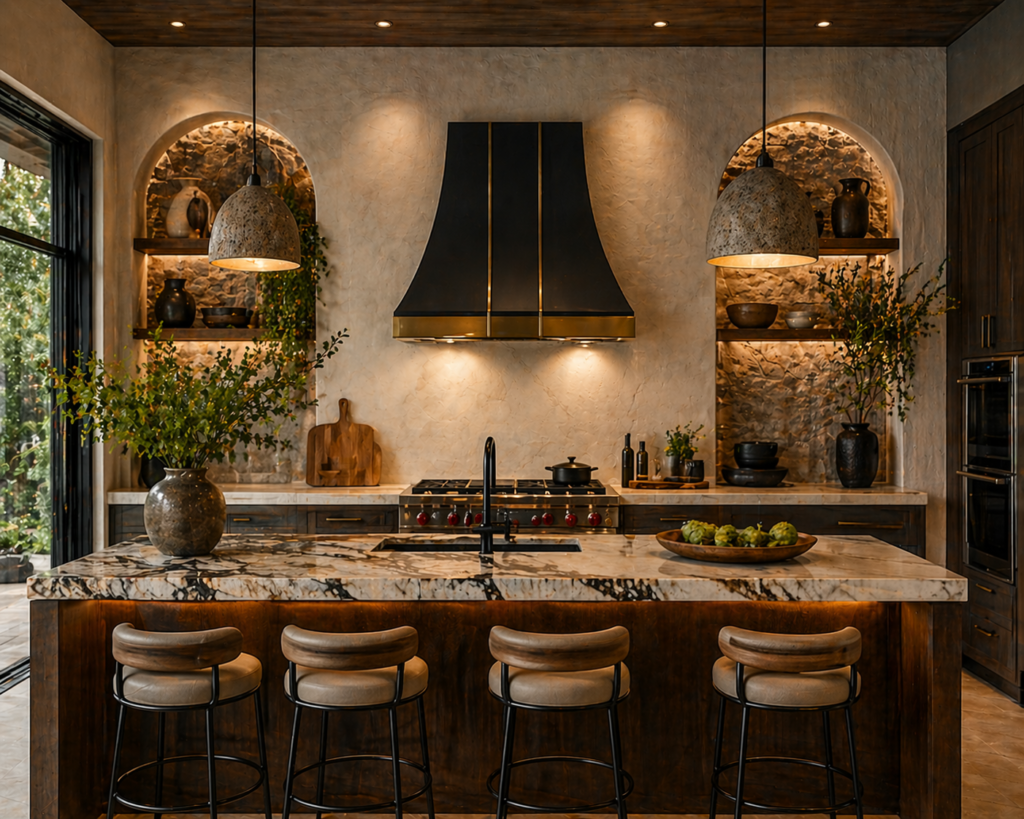
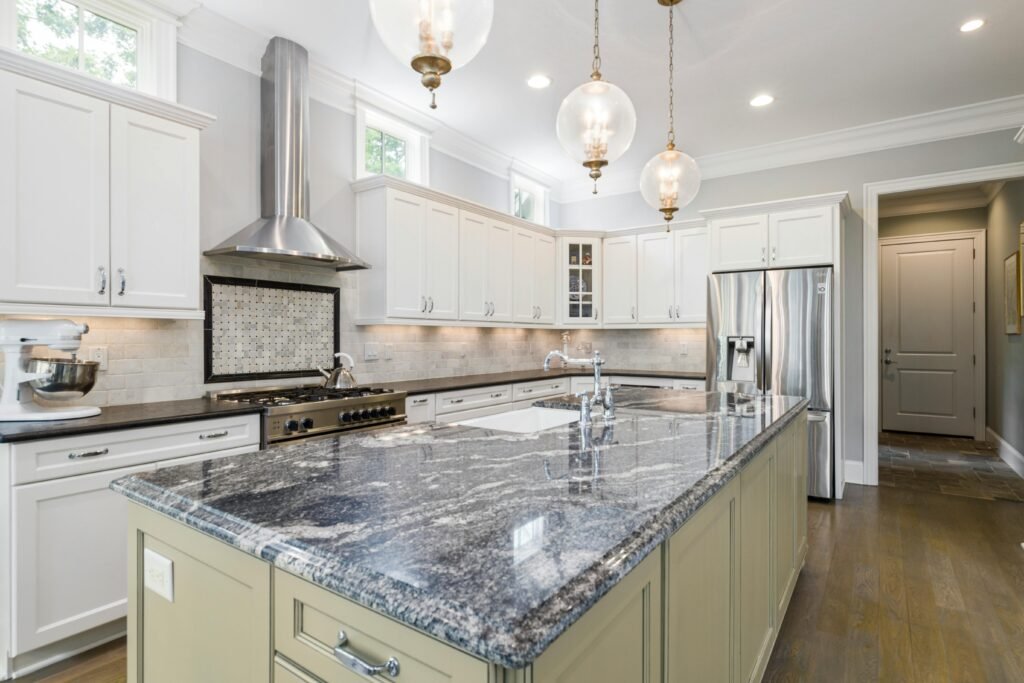
Wall-Mounted Range Hood
Mounted directly on the wall.
Best for:
- Open kitchens
- Modern layouts
Stronger airflow than basic models.
Watch also High End Kitchen
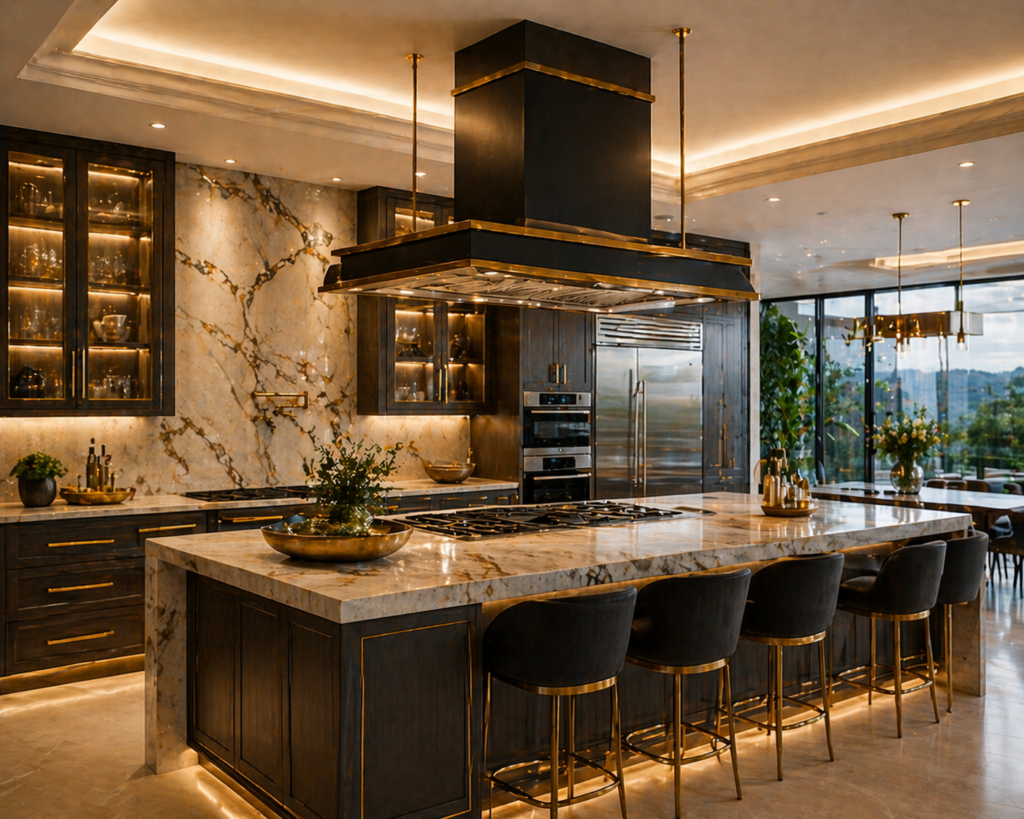
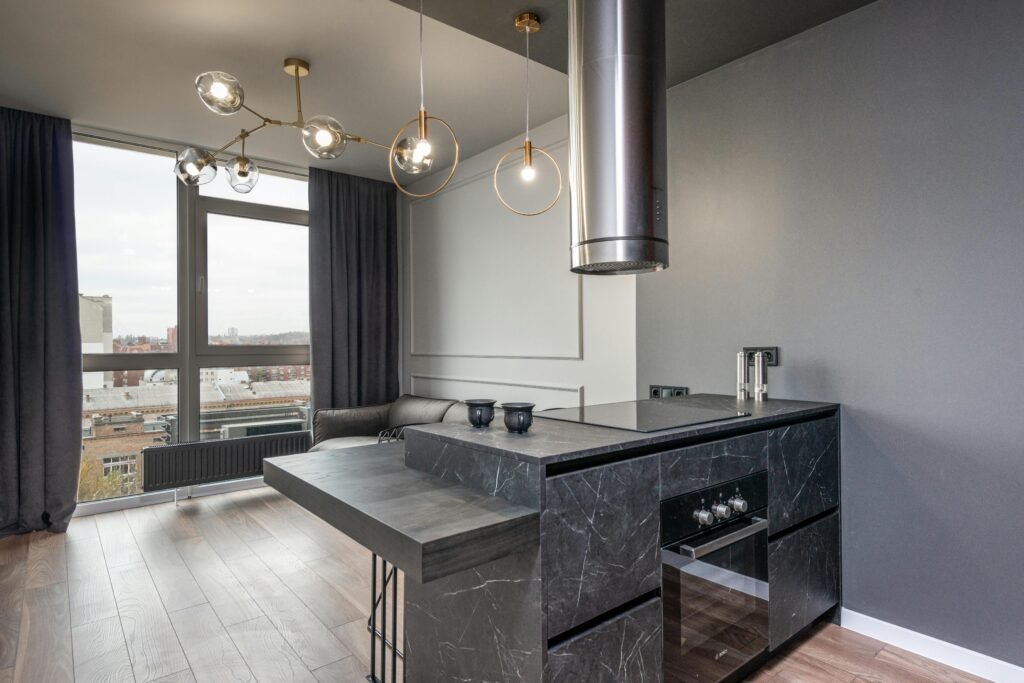
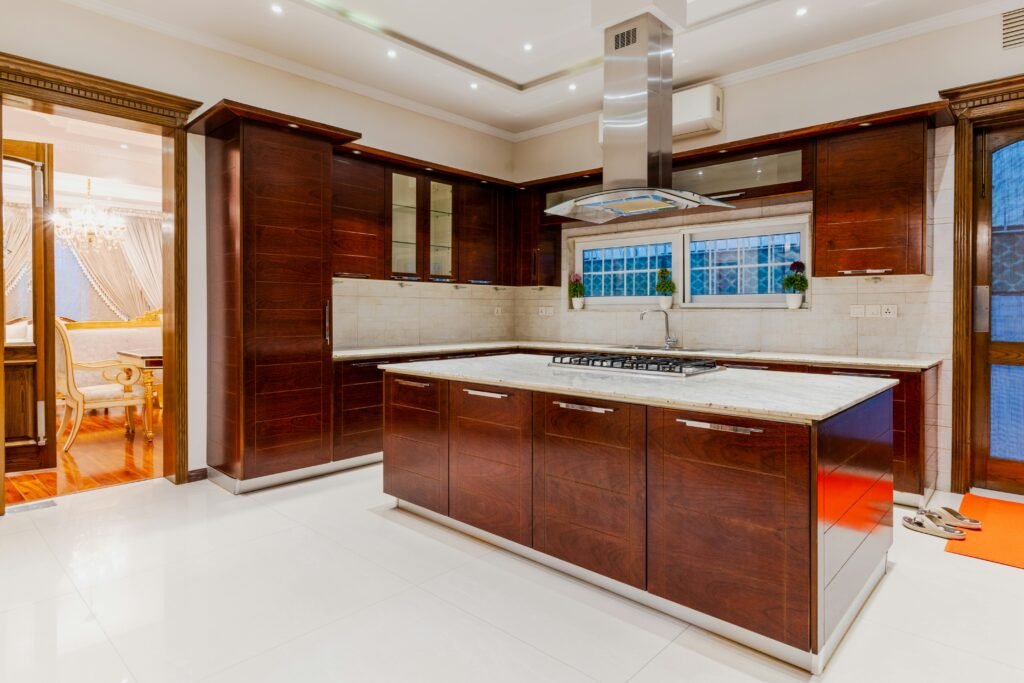
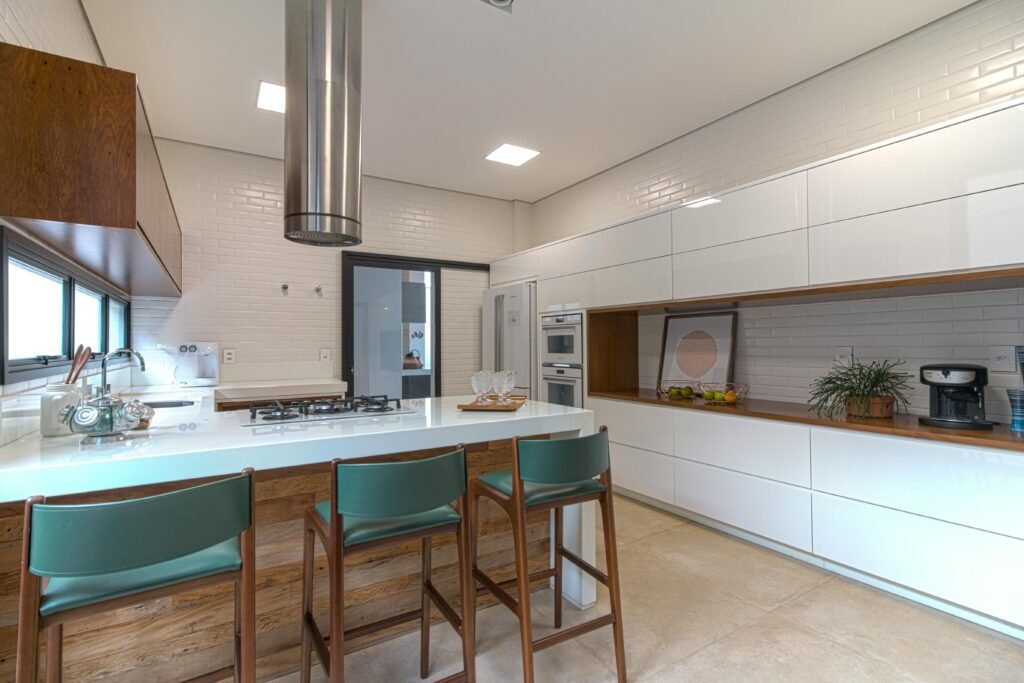
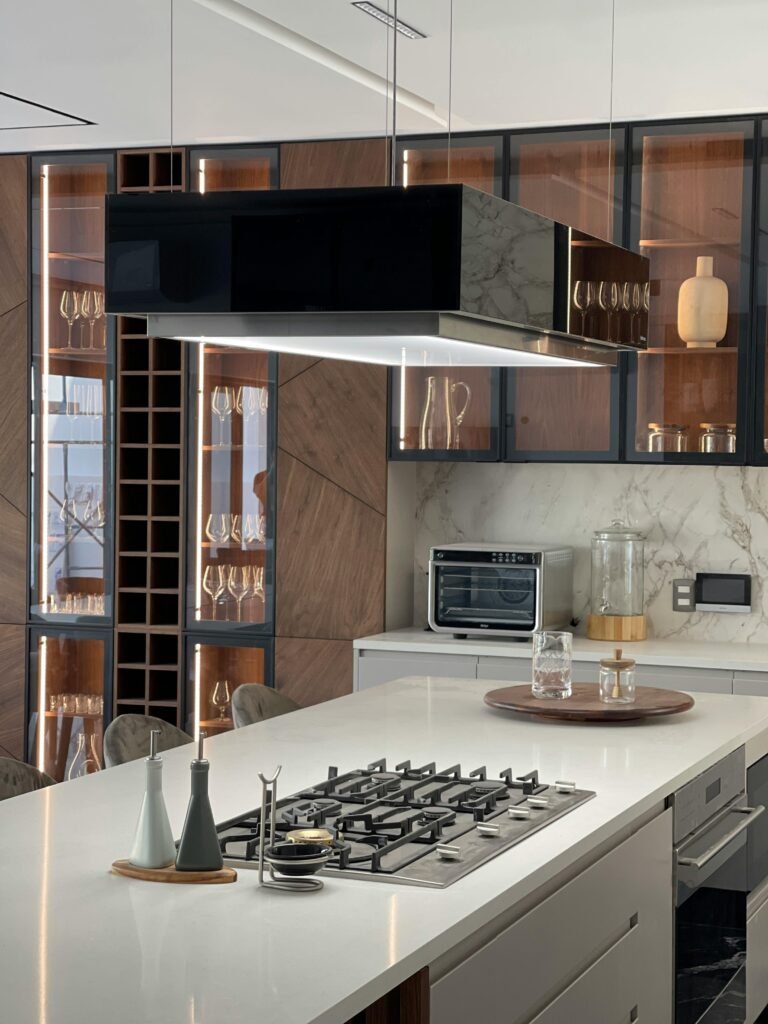
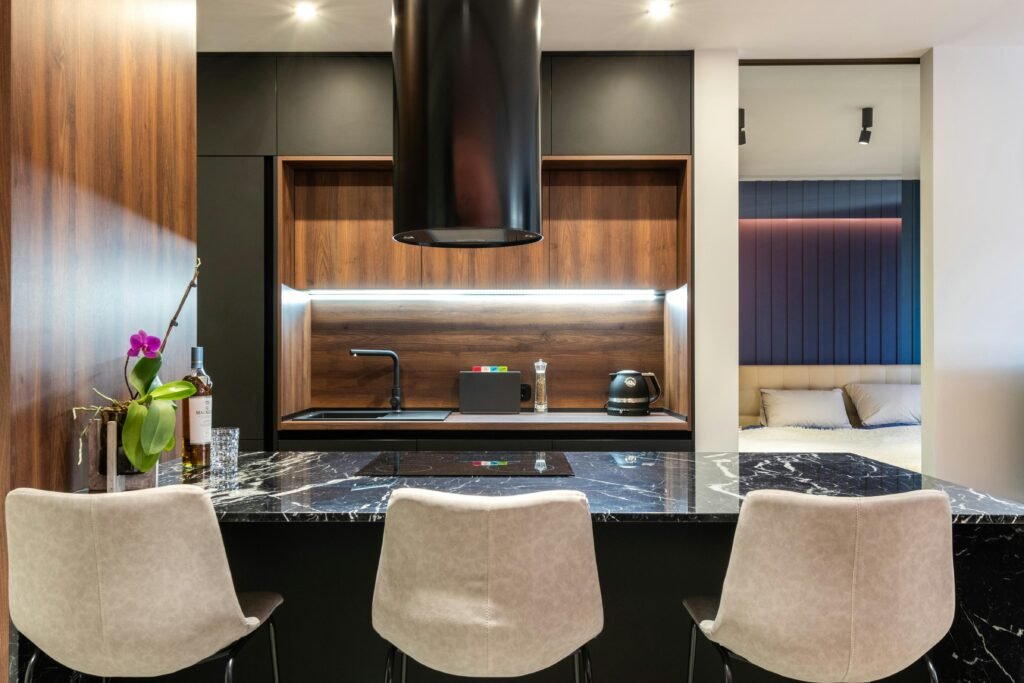
Island Range Hood
Hangs from the ceiling.
Best for:
- Island cooktops
Needs higher CFM because there are no surrounding walls.
Ducted vs Ductless Range Hood
This choice affects performance.
Ducted range hood
- Moves air outside
- Better grease removal
- More efficient long-term
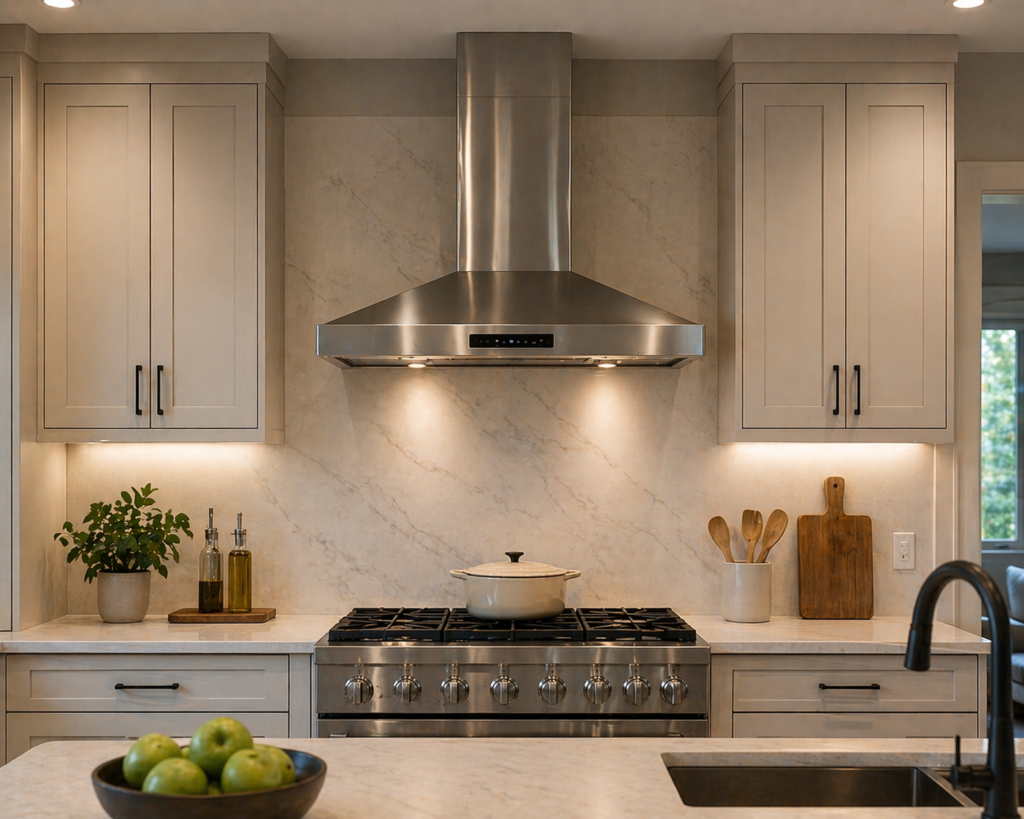
Ductless range hood
- Uses carbon filters
- Recirculates air
- Easier to install
If you can vent outside, go duck.
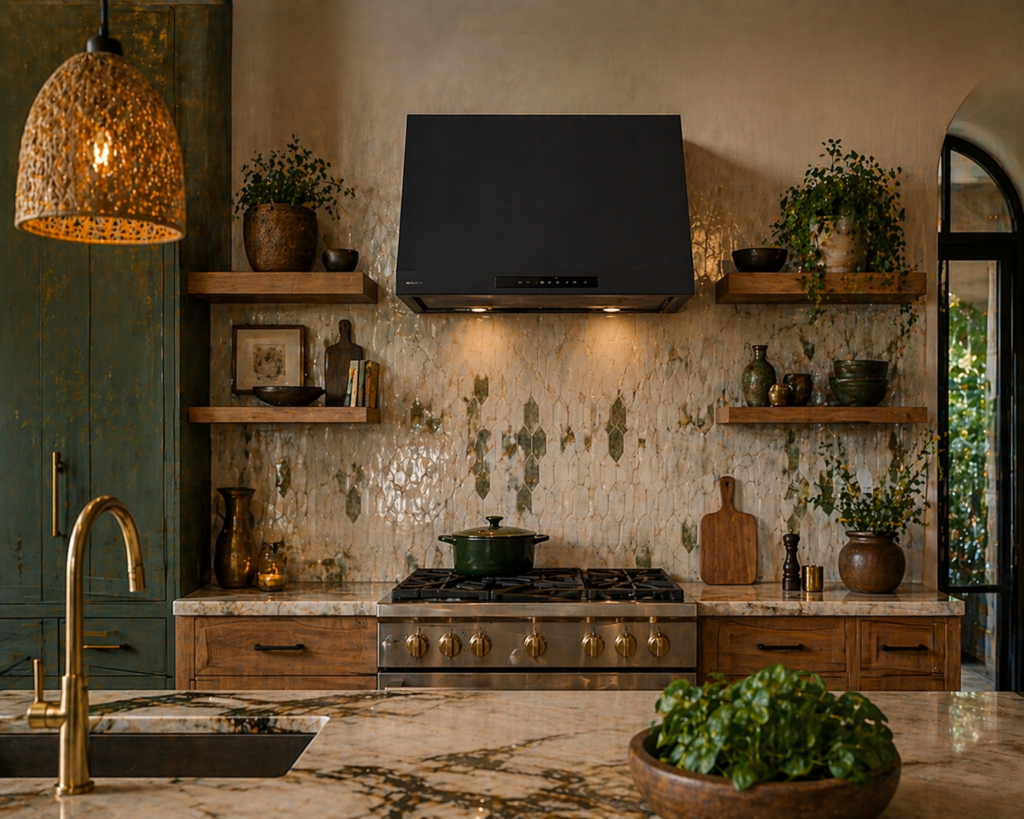
Commercial Kitchen Exhaust Hood
Designed for heavy use.
Used in:
- Restaurants
- Large households with frequent cooking
Handles grease and smoke more effectively.
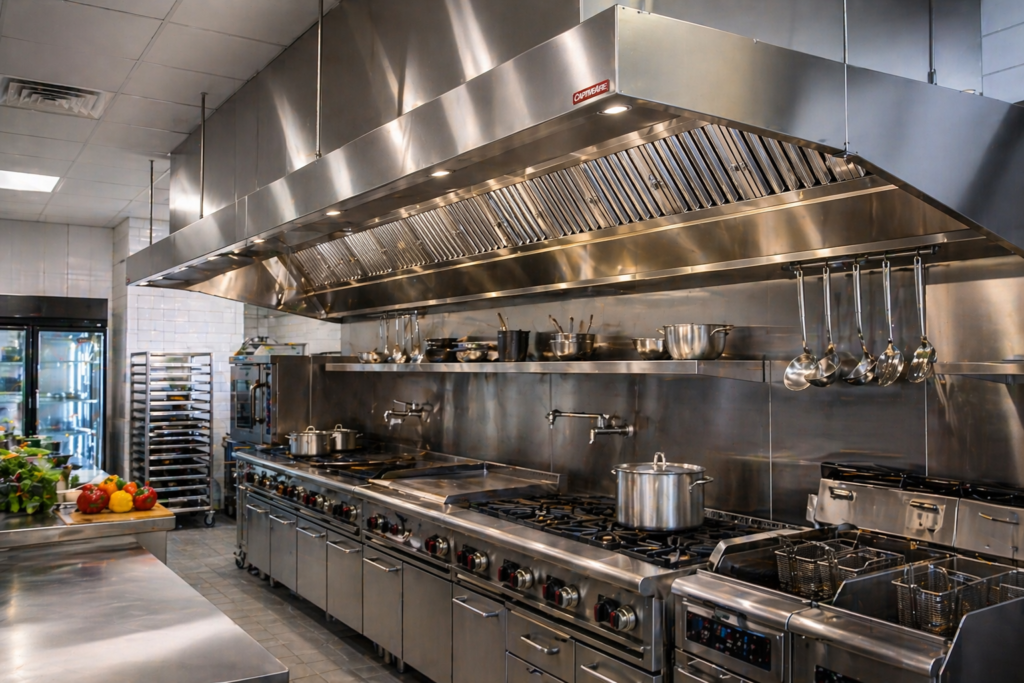
Key Features of a Kitchen Range Exhaust Hood
Performance matters more than looks.
Airflow (CFM)
CFM controls suction strength.
General guide:
- 200–300 CFM → light cooking
- 300–500 CFM → regular use
- 600+ CFM → frying, grilling
For gas stoves, aim higher. They produce more heat and smoke.
Noise Level
Higher power often means more noise.
Look for:
- Low zone rating
- Balanced motor design
Quiet models make daily use easier.
Filters
Filters trap grease before it enters ducts.
Common types:
- Mesh filters (basic)
- Baffle filters (better for grease)
- Carbon filters (ductless systems)
Baffle filters last longer and clean more easily.
Lighting
Most hoods include LED lights.
Better visibility. Safer cooking.
See more on Kitchen Layout Trends
Build Quality
Durability matters.
Popular materials:
- Stainless steel (most common)
- Glass + steel designs
Stainless steel handles grease better.
Choosing the Right Range Hood Size
Size affects coverage.
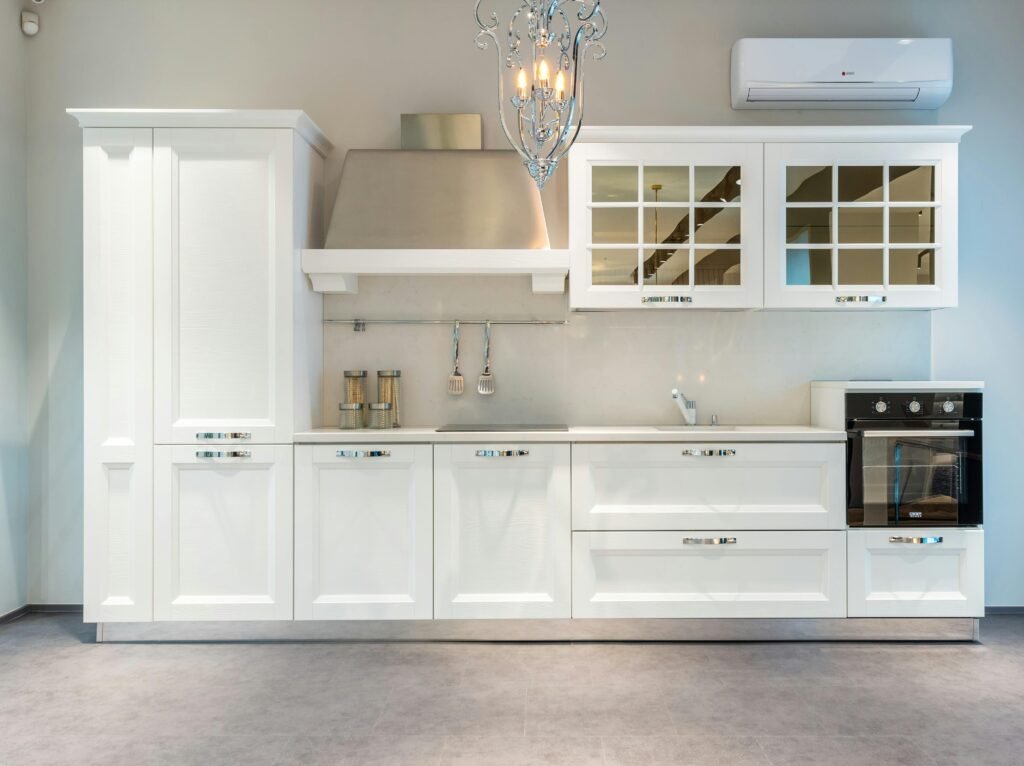
Rule: match or exceed cooktop width.
Examples:
- 30-inch stove → 30–36 inch hood
- 36-inch stove → 36–42 inch hood
Wider hoods capture smoke better.
Height Placement
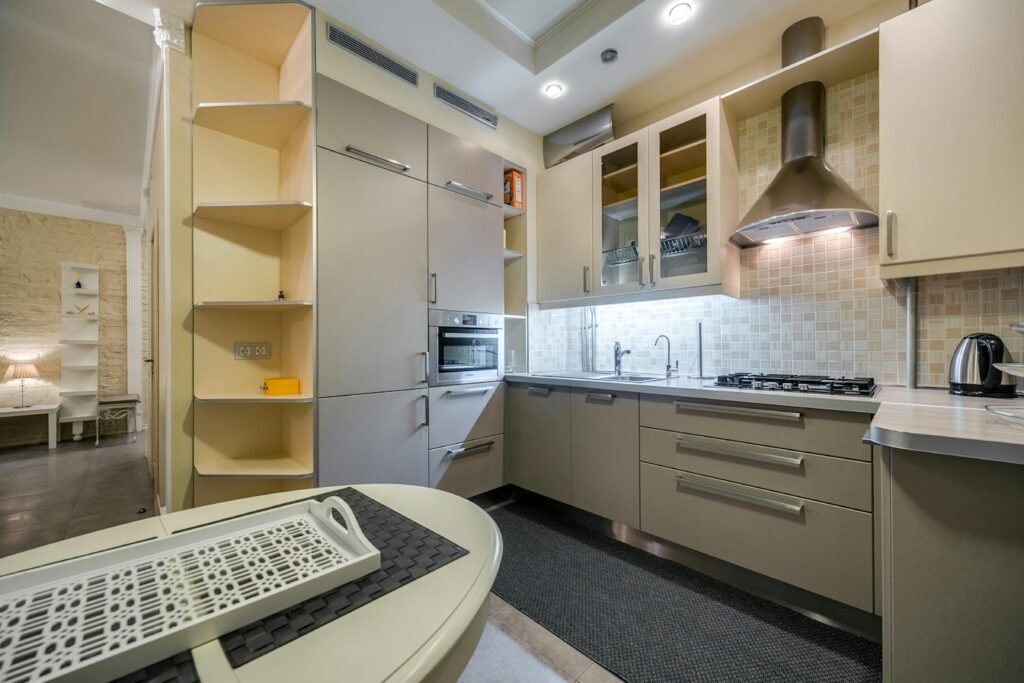
Placement impacts airflow.
- Electric stove: 24–30 inches
- Gas stove: 28–36 inches
Too high reduces suction. Too low creates safety issues.
Things to Consider Before Buying a Kitchen Range Exhaust Hood
Keep it practical.
Kitchen Layout
Small kitchen → under cabinet
Open kitchen → wall or island hood
Cooking Style
Heavy cooking needs stronger airflow.
Frequent frying? Don’t go below 400–600 CFM.
Venting Option
Can you install ducting?
Ducted systems connect to a kitchen exhaust vent outside.
They remove heat and grease more effectively.
Budget
Entry models cost less.
High-end models offer better airflow and quieter motors.
Don’t choose based on price alone.
Installation Basics That Affect Performance
Installation errors reduce efficiency.
Ducting Design
Keep ducts:
- Short
- Straight
- Wide enough
Standard duct sizes:
- 6-inch for moderate airflow
- 8-inch for high CFM systems
Long duct runs reduce performance.
Vent Direction
Options:
- Through wall
- Through roof
Both work. Choose the shortest route.
DIY vs Professional
Simple installs can be DIY.
Complex ducting or rewiring needs a professional.
Maintenance and Care for Range Hoods
Performance drops without maintenance.
Cleaning Filters
Clean every 2–4 weeks.
Steps:
- Remove filters
- Soak in hot water
- Use degreaser
- Rinse and dry
Exterior Cleaning
Wipe weekly.
Grease builds quickly on surfaces.
Duct Cleaning
Grease collects inside ducts over time.
Schedule cleaning every few months if you cook often.
Filter Replacement
Carbon filters wear out.
Replace every 3–6 months.
Kitchen Range Exhaust Hood vs Exhaust Fan
They are not the same.
Exhaust fan
- Moves air
- Limited grease control
Kitchen range exhaust hood
- Designed for cooking
- Handles grease and smoke better
For serious cooking, a hood performs better.
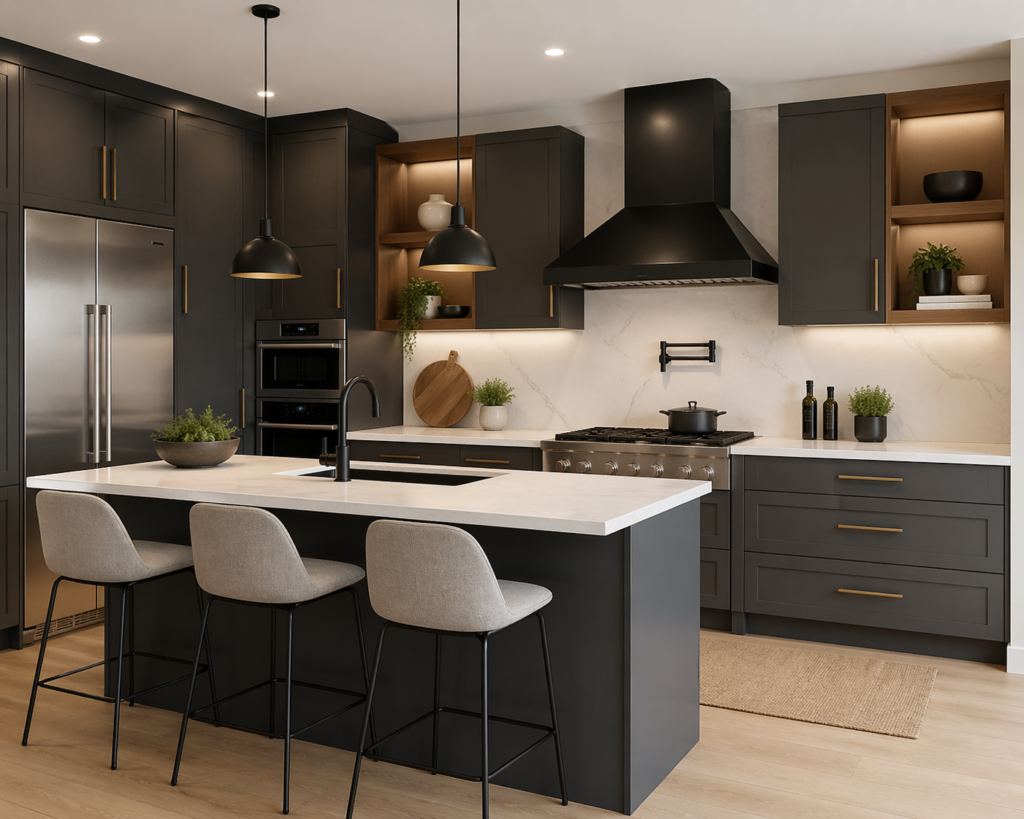
Range Hood Design Ideas
Function matters. Design still counts.
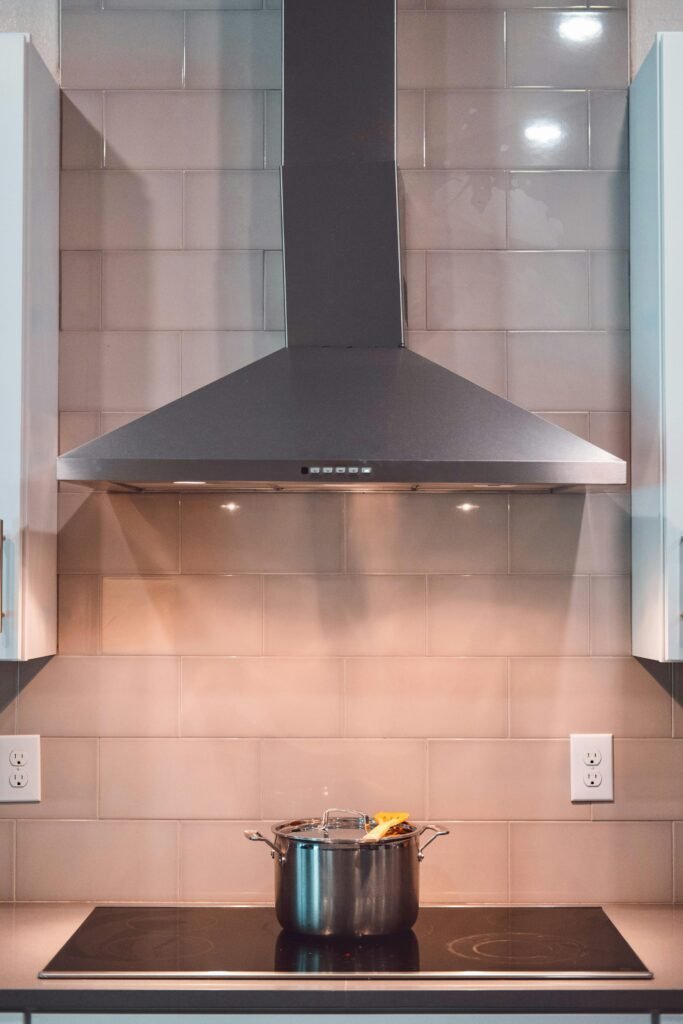
Popular styles:
- Stainless steel finish
- Matte black
- Hidden built-in designs
Choose a style that fits your kitchen layout.
Cost of Kitchen Range Exhaust Hood
Cost depends on features.
- Basic models → lower cost
- Mid-range → better airflow
- Premium → strong performance + design
Also consider:
- Installation cost
- Ductwork cost
Common Mistakes to Avoid
These reduce performance:
- Choosing the wrong size
- Ignoring the CFM rating
- Using narrow ducts
- Skipping maintenance
Each one affects airflow and efficiency.
FAQs
What happens if you don’t have a range hood?
Smoke and grease stay inside. Air quality drops. Surfaces get dirty faster.
What type of range hood is best?
Ducted models perform better for most kitchens. They remove air instead of recirculating it.
Does a range hood need to vent outside?
No, but ducted systems connected to a kitchen exhaust vent outside work more effectively.
How much should I spend on a range hood?
It depends on airflow and build quality. Avoid very low-cost models if you cook often.
Can I install a range hood myself?
You can install simple models. Complex ducting setups require professional help.
How high should a hood be above a stove?
Usually between 24 and 36 inches, depending on the stove type.
Are ductless range hoods worth it?
They work in limited setups. They need regular filter replacement and offer lower performance.
How do I choose a quiet range hood?
Check the zone rating and motor design. Lower numbers mean quieter operation.
How do I know what size range hood I need?
Match the width of your stove or go slightly wider for better coverage.
Do downdraft vents work?
They work, but they don’t capture smoke as effectively as overhead hoods.
Conclusion
A kitchen range exhaust hood controls air, grease, and heat where it starts.
Right size. Proper ducting. Regular cleaning.
That’s what keeps your kitchen air clean and manageable.