15 Japanese Maple Tree Care Tips, Best Varieties, and Landscaping Ideas for Small Gardens
What Is a Japanese Maple?
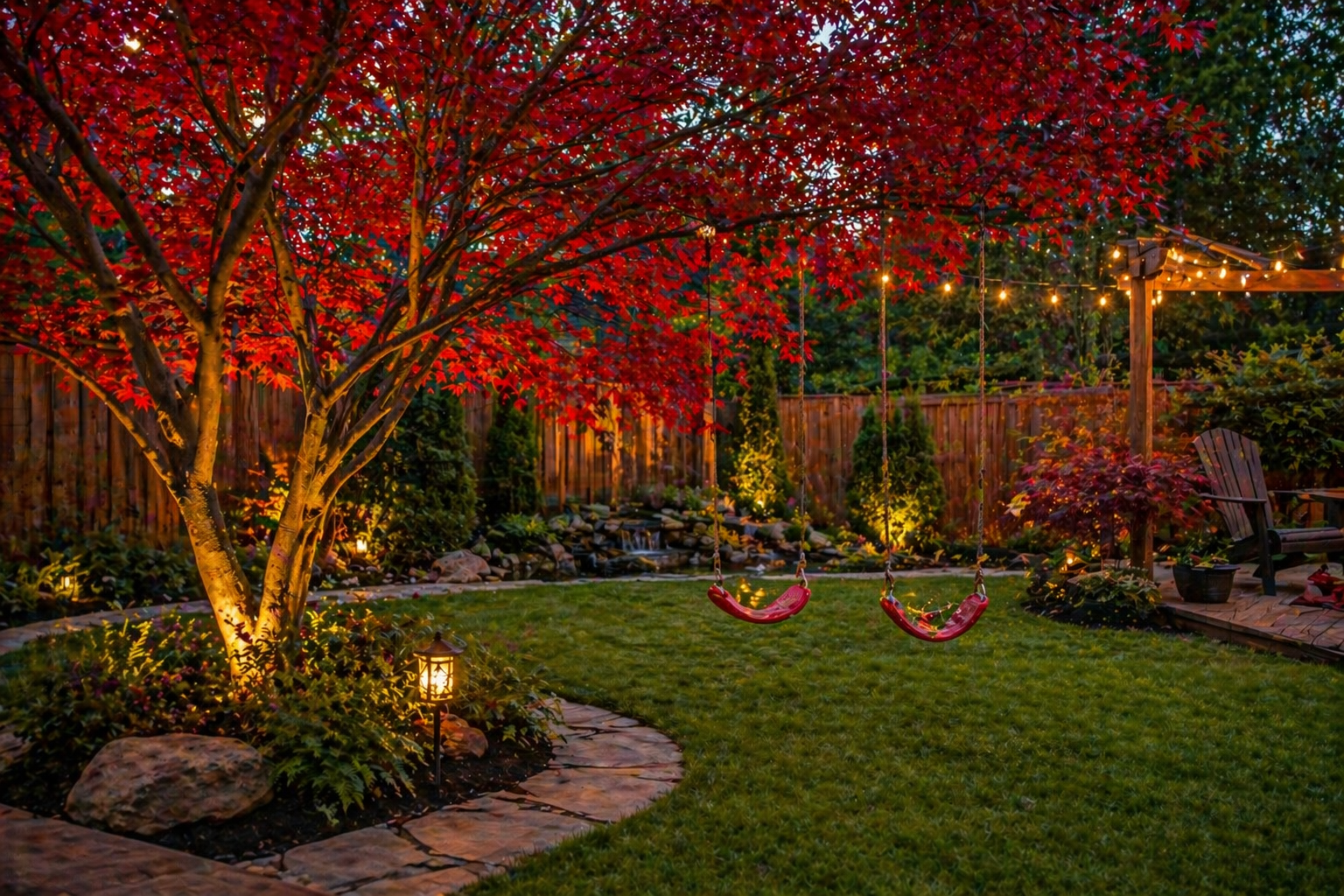
A Japanese maple (Acer palmatum) is a deciduous ornamental tree with palmate leaves and layered branching. It is known for strong seasonal color and controlled growth.
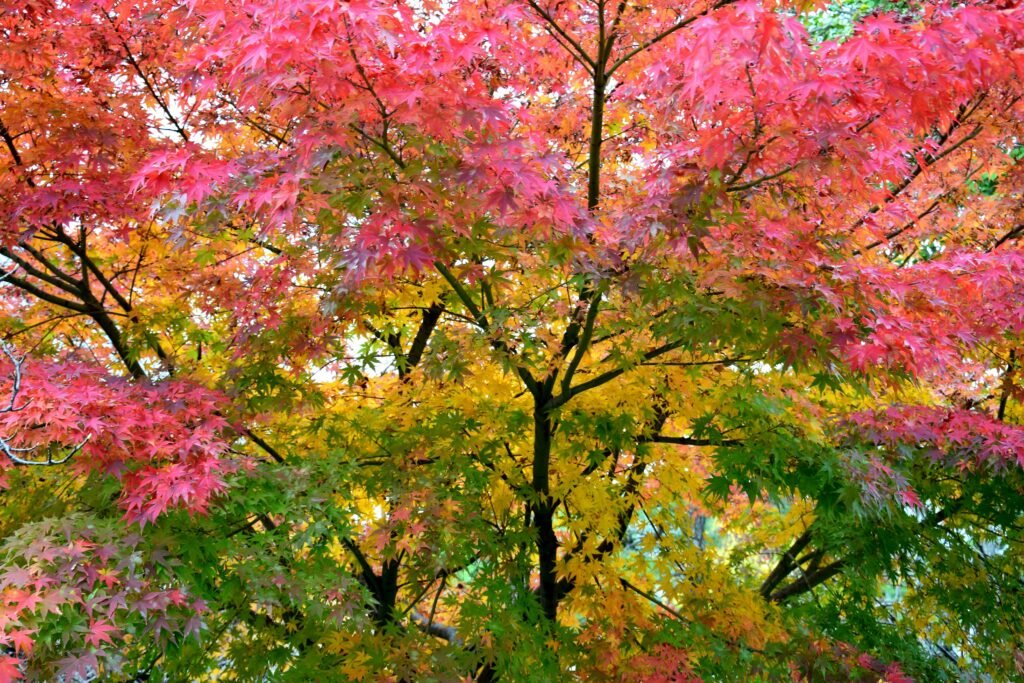
Leaves change through the year. Red, green, purple, and orange tones show at different stages.
Most trees grow 6 to 25 feet tall. Spread ranges from 6 to 20 feet. Growth stays slow. Usually 12–24 inches per year.
This makes a Japanese maple tree suitable for small yards, front gardens, and container setups.
See also Garden Front Yard Ideas
Japanese Maple Basics (Quick Facts)
- Botanical name: Acer palmatum
- Type: Deciduous ornamental tree
- Growth rate: Slow to moderate
- Lifespan: 50+ years with proper care
- Hardiness zones: 5–8
- Sun: Partial shade preferred
- Soil: Well-drained, slightly acidic
These basics help you choose the right variety and placement.
Why Japanese Maple Trees Work in Modern Landscapes
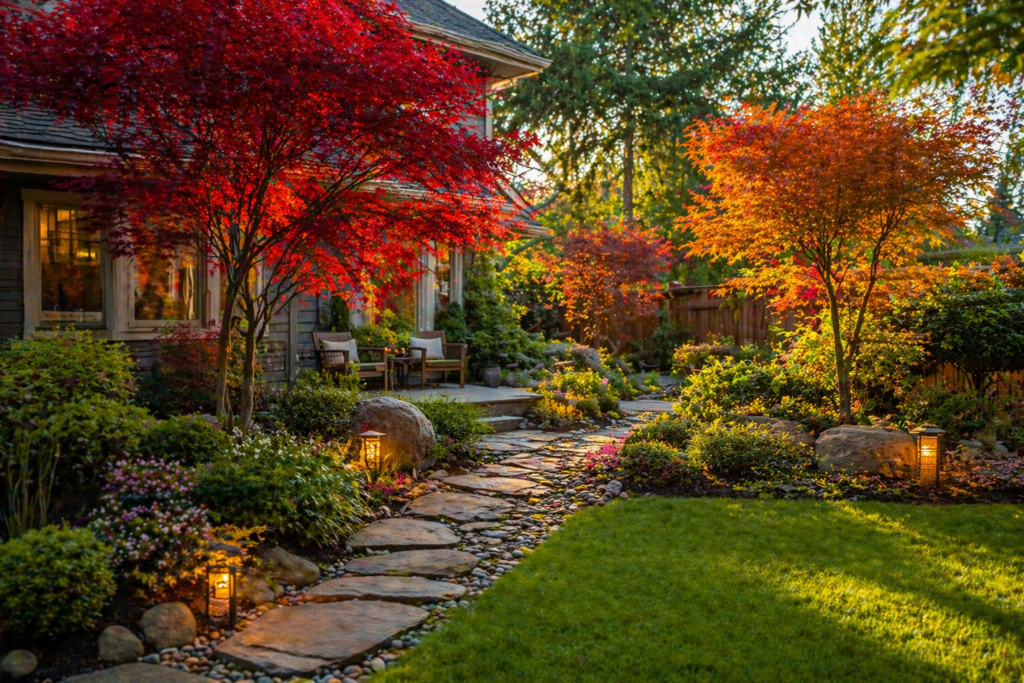
A Japanese maple adds structure without taking over space. It works as a focal point or part of layered planting.
It fits small layouts. It also blends well with stone, water, and minimalist designs.
Key reasons people choose it:
- Predictable size
- Strong color contrast
- Works in containers
- Easy to shape
- Long lifespan
Japanese Maple Varieties and Types
There are hundreds of Japanese maple varieties. Each one differs in color, shape, and growth habit.
Popular Varieties
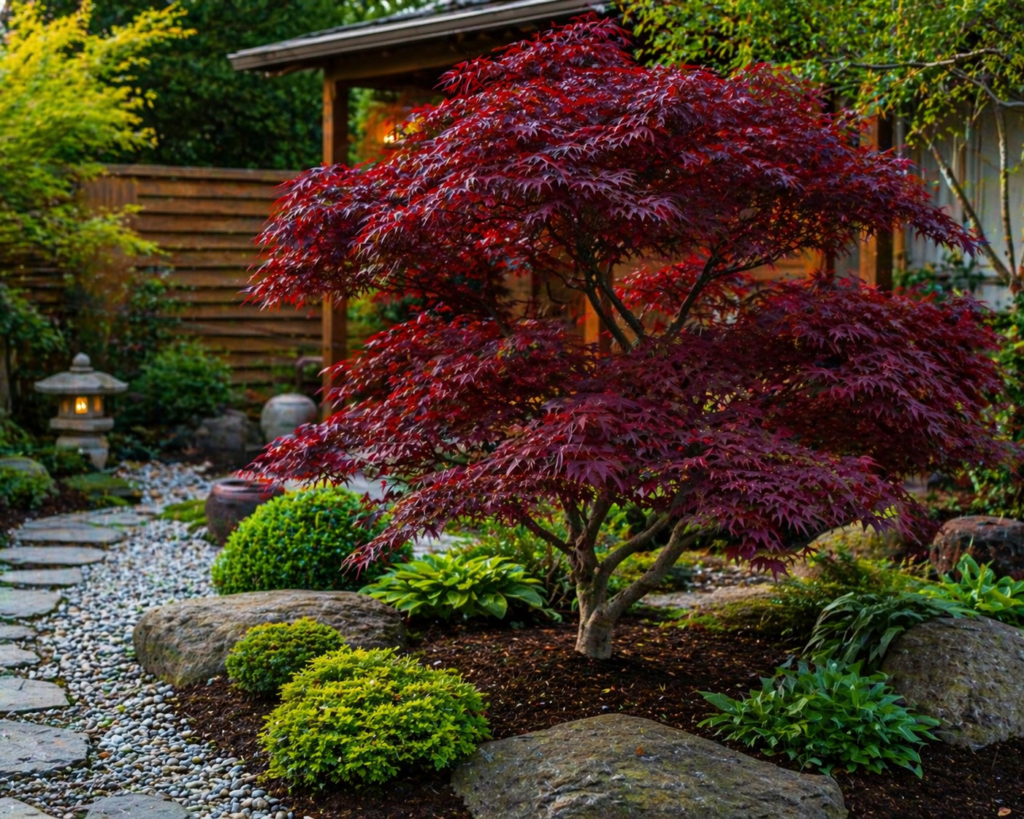
Japanese maple ‘Bloodgood.’
Deep red foliage. Holds color through summer. Reaches 15–20 feet.
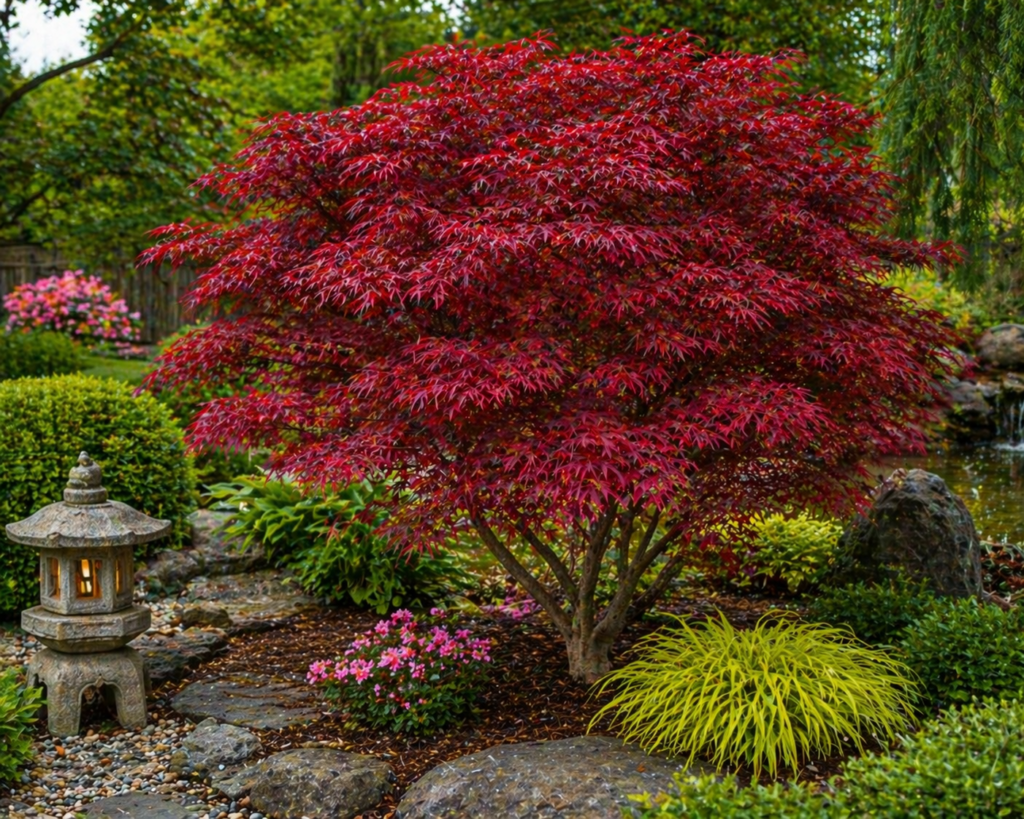
Japanese maple, Crimson Queen
Weeping form. Laceleaf texture. Ideal for low-height planting.
Japanese maple, Tamukeyama
Spreading habit. Strong red color. Good for slopes and borders.
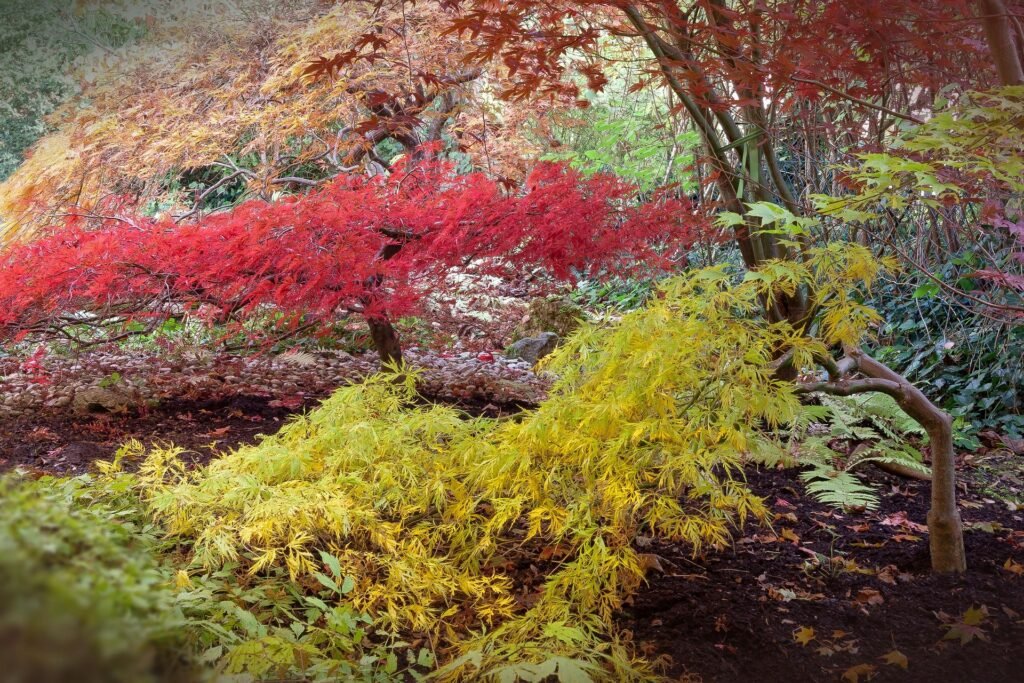
Japanese maple coral bark (sango kaku)
Bright red bark in winter. Adds off-season interest.
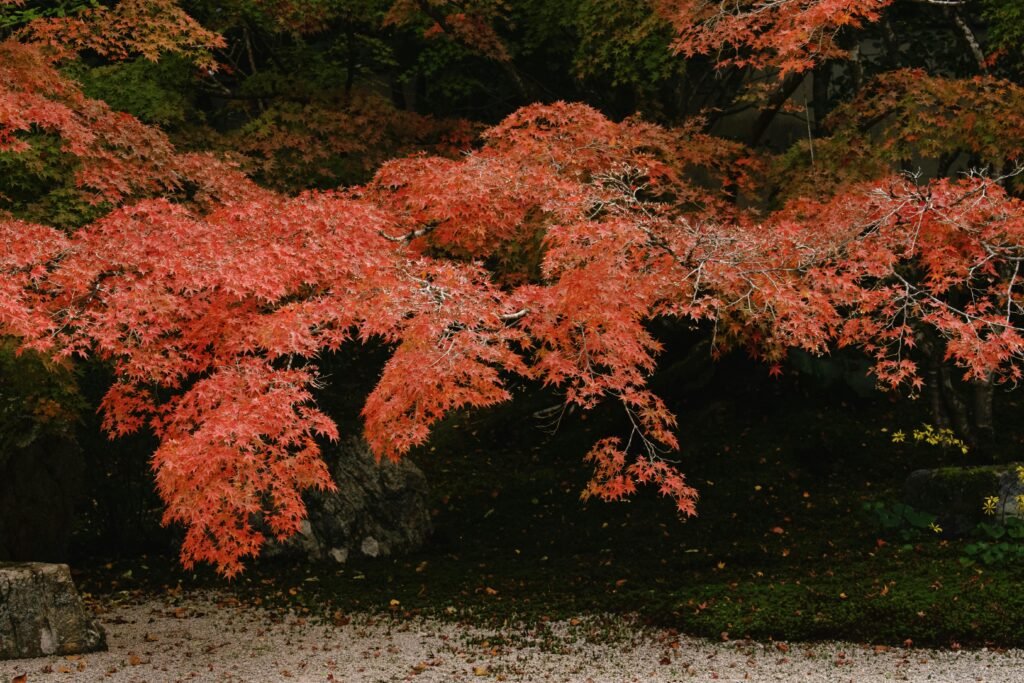
Japanese maple emperor
Better heat tolerance. Good choice for warmer regions.
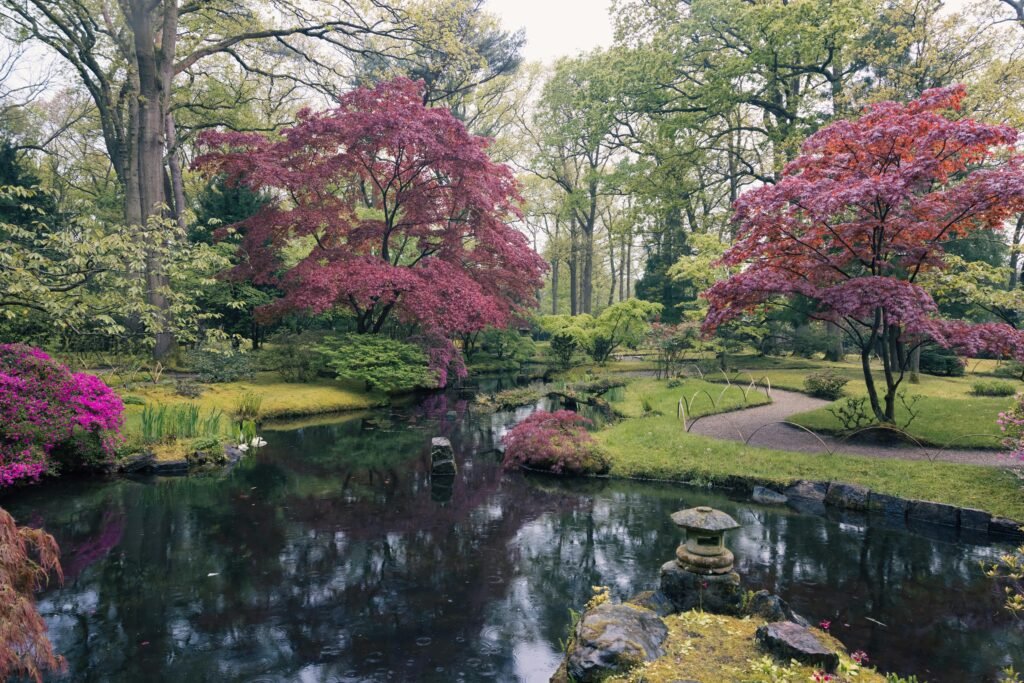
Japanese maple seiryu
Upright dissectum type. Fine leaves with airy structure.
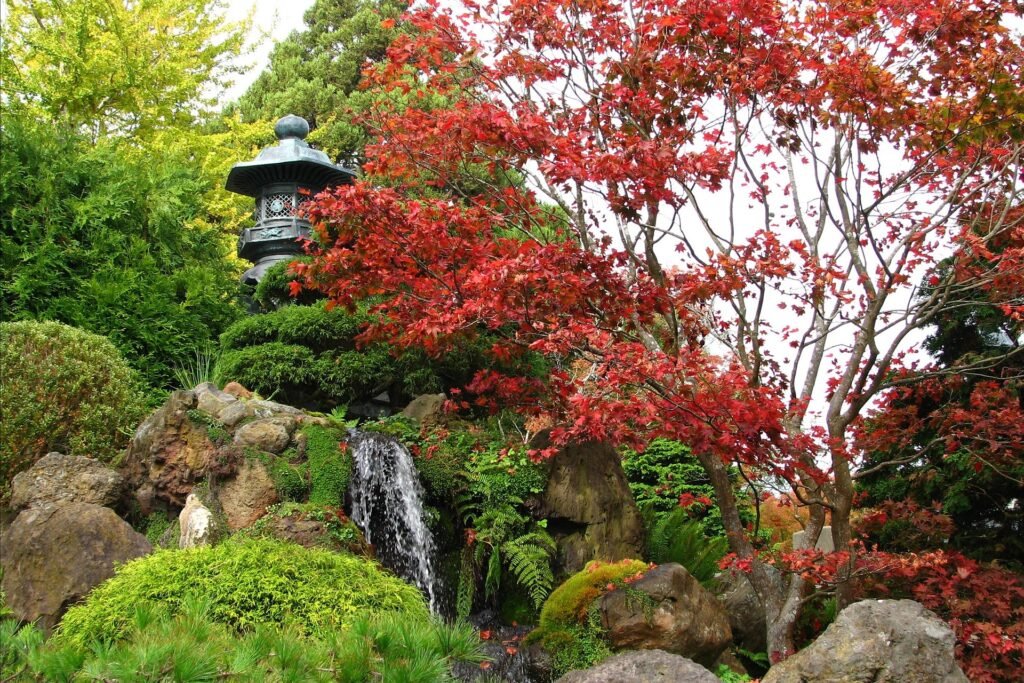
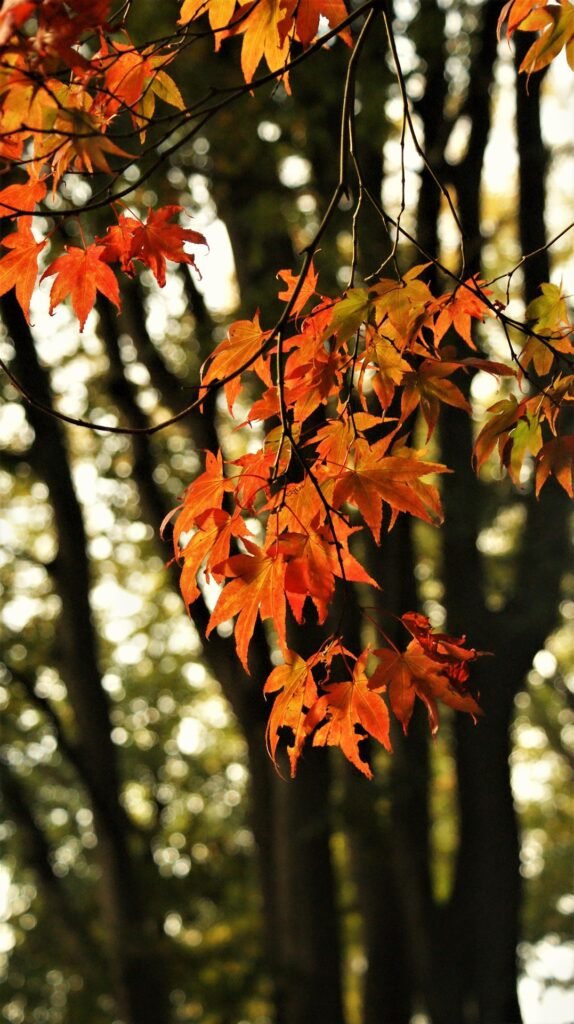
Growth Forms
- Upright Japanese maple
- Weeping Japanese maple
- Laceleaf (dissectum)
Choose based on space. Upright works in tight spots. Weeping suits open areas.
Best Location for Japanese Maple
Placement affects growth, leaf quality, and lifespan.
Sunlight Requirements
A Japanese maple prefers
- Morning sun
- Afternoon shade
Full sun works in cooler climates. In hotter areas, leaves can burn.
Soil Requirements for Japanese Maple
Soil must drain well.
Best mix:
- 50% garden soil
- 30% organic compost
- 20% sand or perlite
Avoid compacted clay. It traps water, leading to root rot.
Spacing and Airflow
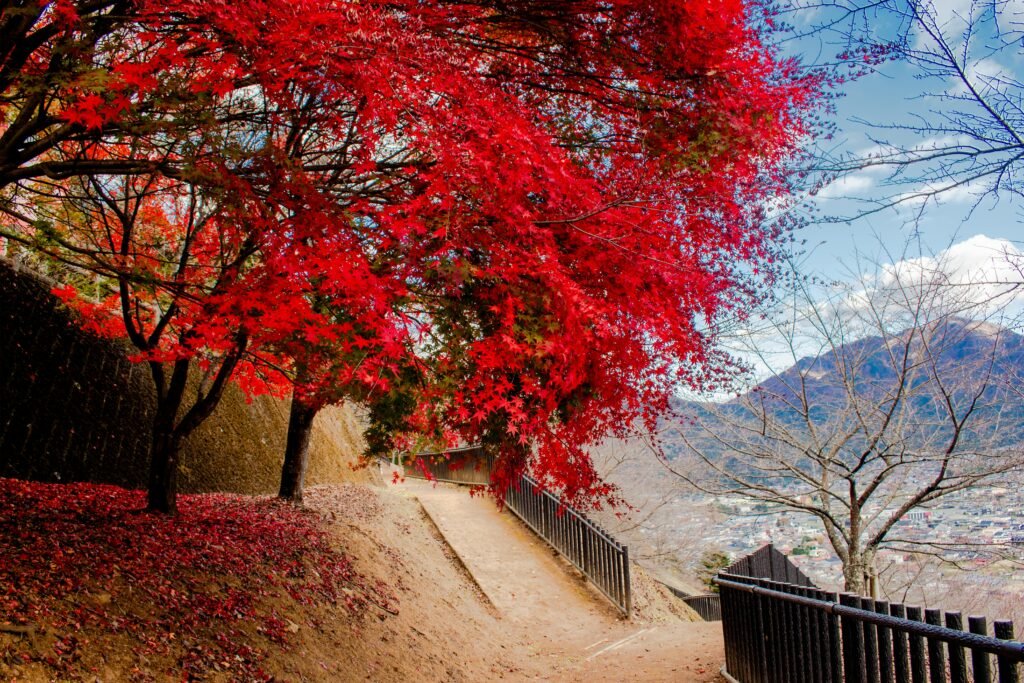
Leave space around the tree. At least 6–10 feet from structures.
Good airflow reduces disease risk and supports even growth.
How to Plant a Japanese Maple Tree
Follow this method:
- Dig a hole twice the width of the root ball
- Keep planting depth equal to the container
- Place the tree and backfill with loose soil
- Water deeply (10–15 liters right after planting)
Add 2–3 inches of mulch. Keep it away from the trunk.
Japanese Maple Care Guide
Care stays simple when done right.
Watering Schedule
- Newly planted: 2–3 times per week
- Established trees: once per week
- Summer heat: increase frequency
Soil should stay moist, not waterlogged.
Fertilizer Use
Use a balanced fertilizer like 10-10-10 once in early spring.
Avoid high nitrogen. It causes weak growth and dull color.
Mulching
Use bark mulch or wood chips. Helps retain moisture and regulate soil temperature.
Pruning Japanese Maple Correctly
Pruning keeps the shape natural.
When to Prune
Late winter or early spring, before new growth starts.
How to Prune
- Remove dead branches
- Cut crossing limbs
- Thin crowded areas
Avoid heavy cutting. A Japanese maple tree does not need aggressive pruning.
Watch also Garden Lighting Ideas Outdoor
Japanese Maple Root System Explained
Roots are shallow and fibrous.
- Spread: 2–3 times the canopy width
- Depth: usually under 24 inches
Roots are not invasive. Safe near patios and foundations.
Japanese Maple Propagation Methods
You can grow new trees using:
Cuttings
- Take softwood cuttings in early summer
- Use rooting hormone
- Keep in moist soil
Grafting
Common for maintaining specific varieties.
Seeds
Possible but slow. Seed-grown trees may differ from the parent.
Common Problems and Solutions
Leaves Turning Brown
Cause: sun scorch or inconsistent watering
Fix: move to partial shade, adjust watering
Slow Growth
Cause: poor soil or lack of nutrients
Fix: improve soil mix, apply light fertilizer
Diseases
- Verticillium wilt
- Root rot
Prevention: well-drained soil and proper spacing
Japanese Maple Landscaping Ideas
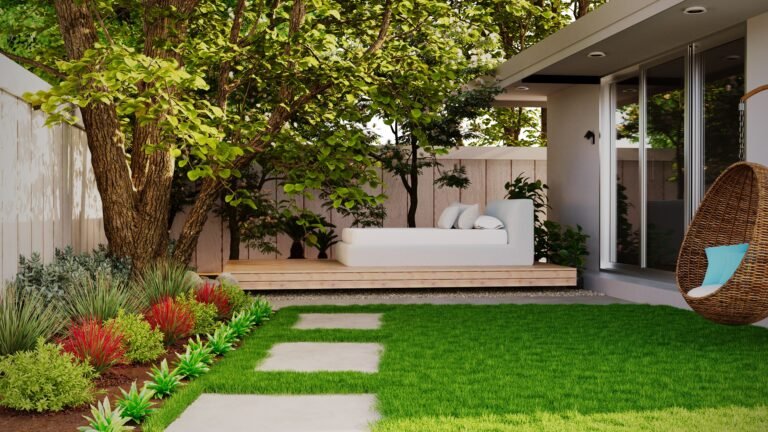
A Japanese maple works in many layouts.
Front Yard Ideas
- Use as a focal tree
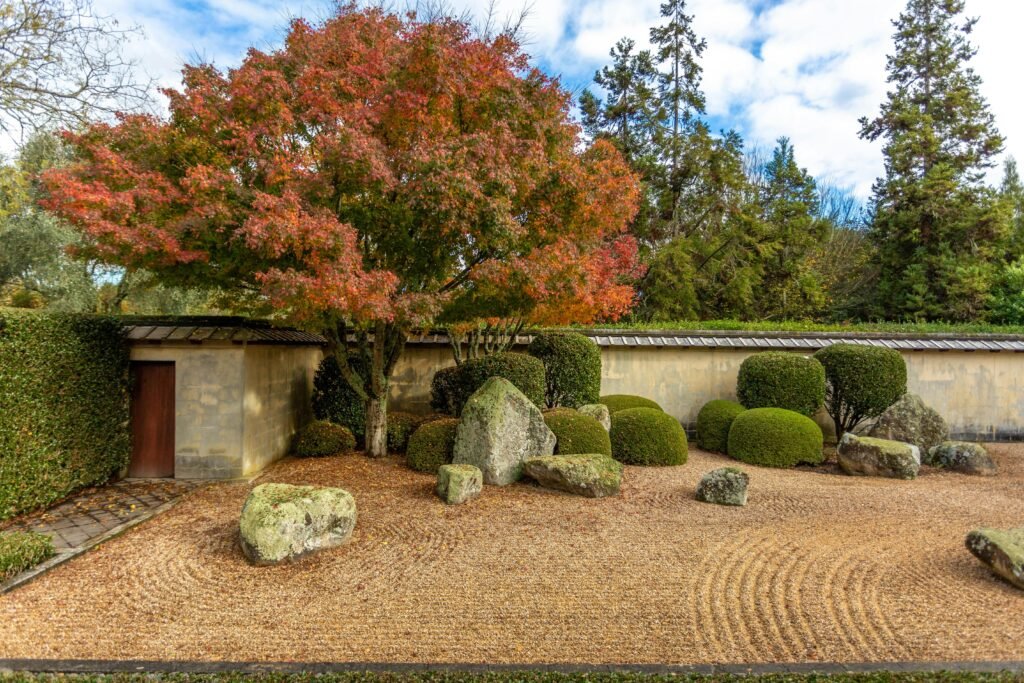
- Pair with gravel and stone
- Add low shrubs for layering
Garden Design Ideas
- Combine with evergreen plants
- Place near pathways
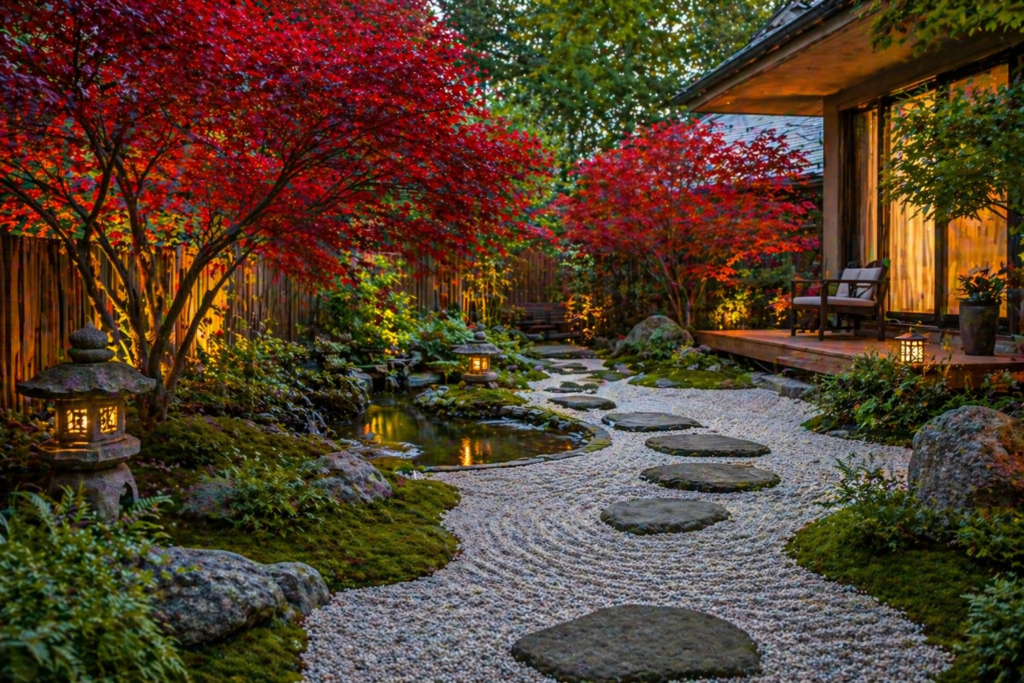
- Build a simple Zen-style layout
Companion Plants for Japanese Maple
Best options:
- Hydrangea
- Boxwood
- Ferns
- Ornamental grasses
These balance texture and color through seasons.
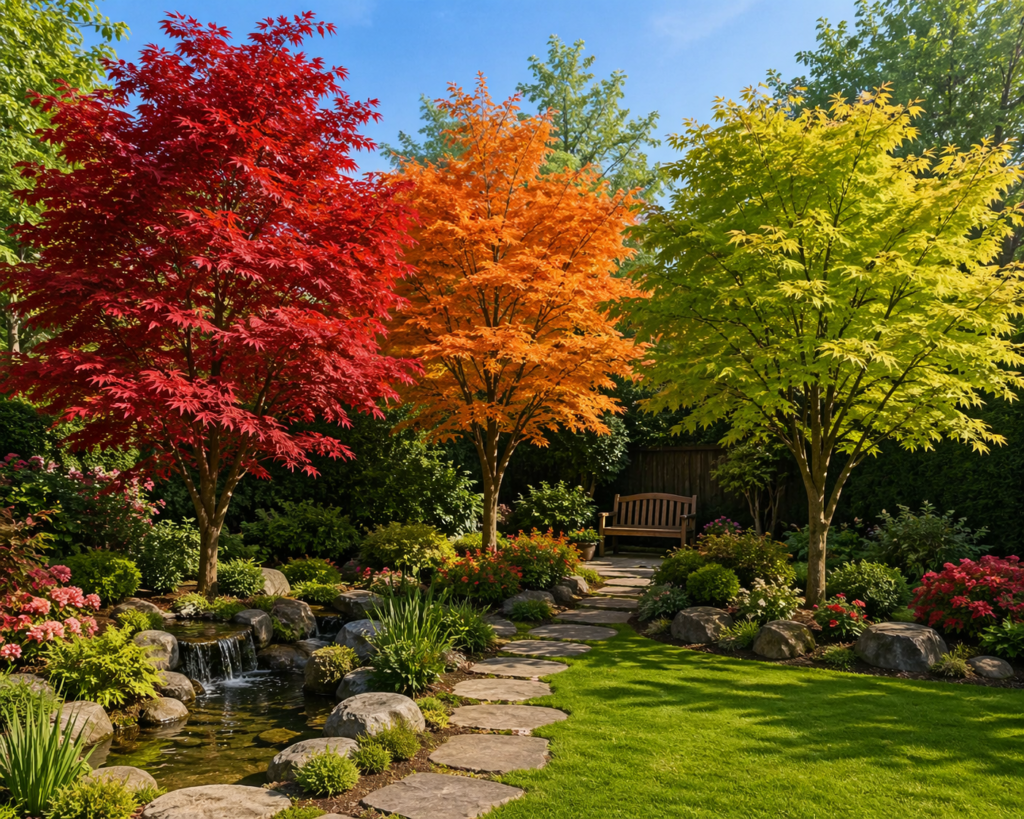
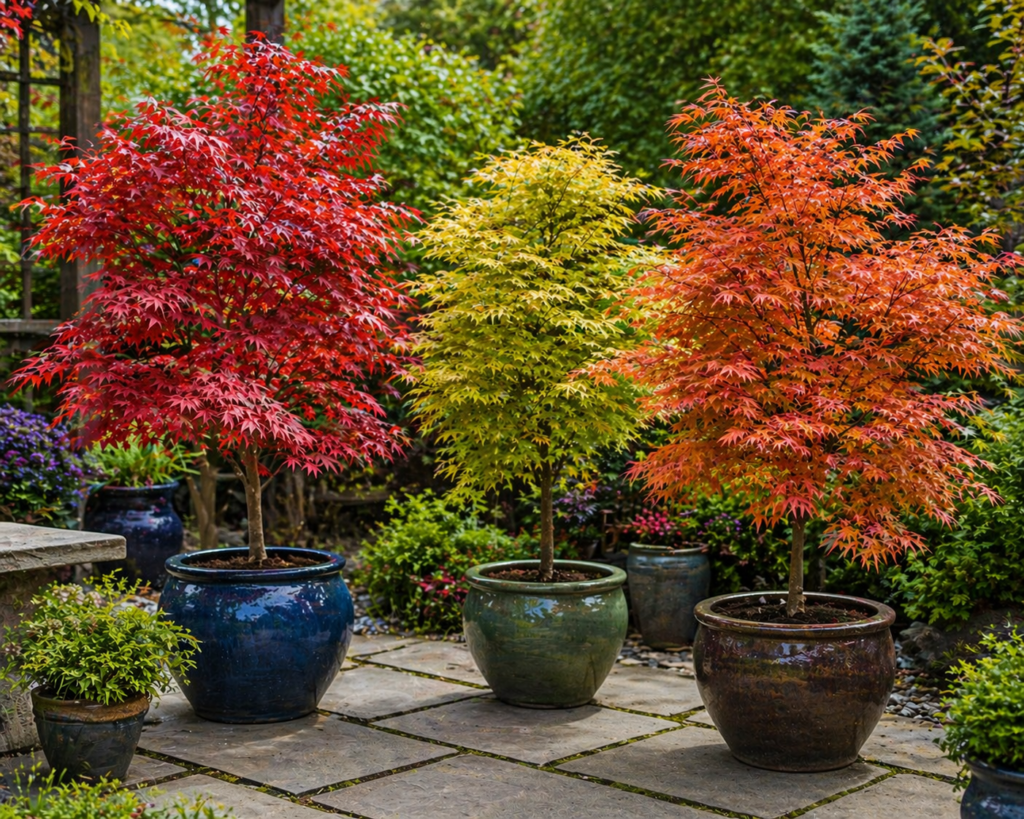
Growing Japanese Maple in Containers
Container planting works well in small spaces.
Key Tips
- Use large pots (at least 18–24 inches wide)
- Ensure drainage holes
- Use a well-draining potting mix
Water more often. Containers dry faster.
Japanese Maple Growth, Size, and Lifespan
- Height: 6–25 feet
- Spread: 6–20 feet
- Growth rate: 12–24 inches per year
- Lifespan: 50–100 years
A Japanese maple stays manageable and long-lasting.
Climate and Hardiness Zones
Best suited for zones 5–8.
In hotter climates:
- Provide shade
- Protect from dry wind
Cold tolerance is strong, but late frost can damage new leaves.
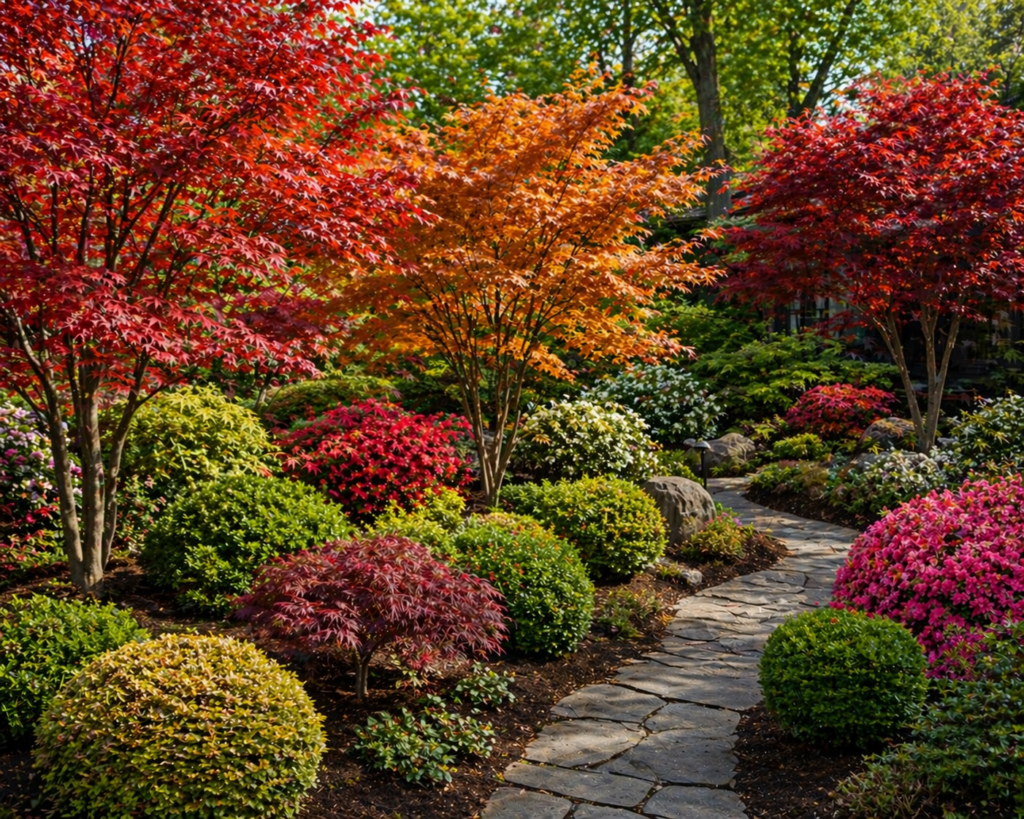
Japanese Maple Buying Guide
Before buying a Japanese maple tree, check:
- Healthy leaf color
- No root damage
- No signs of disease
Buy from a reliable nursery. Avoid root-bound plants.
Common Mistakes to Avoid
- Planting too deep
- Overwatering
- Full sun in hot climates
- Over-fertilizing
- Heavy pruning
Small mistakes can slow growth or damage the tree.
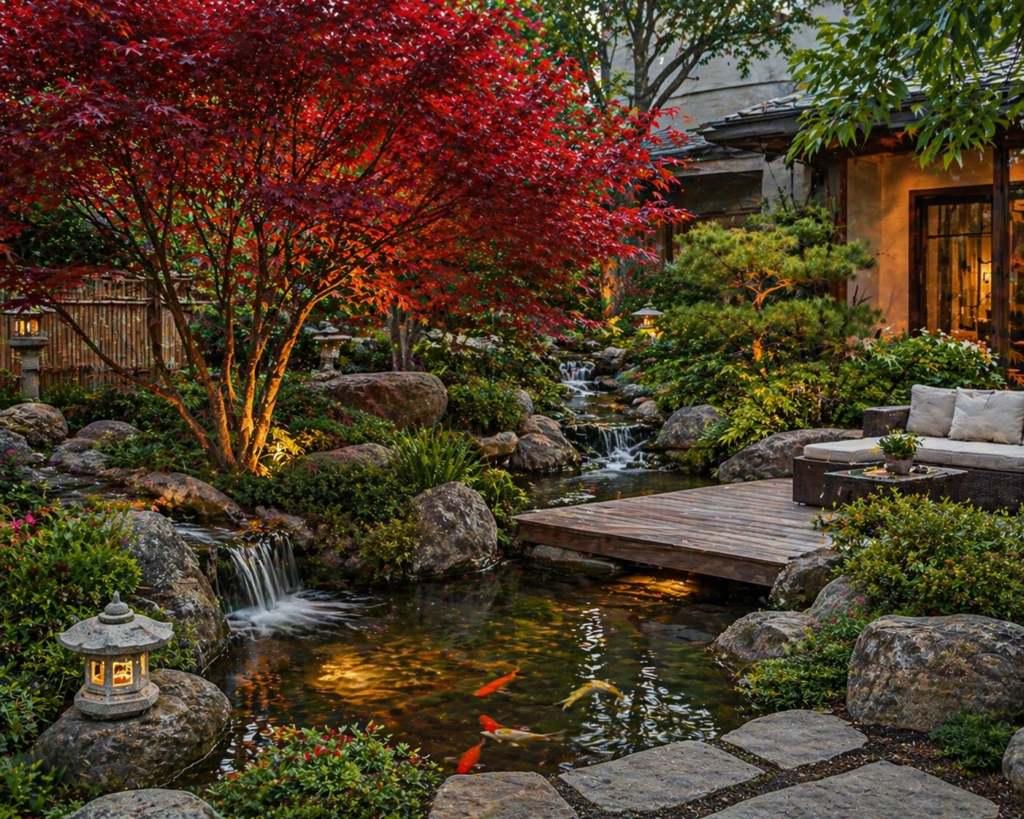
FAQ: Japanese Maple
What is the best place to plant a Japanese maple?
Plant in a spot with morning sun and afternoon shade. Soil must drain well. Avoid areas with strong wind or standing water. Proper placement improves leaf color and reduces stress.
Are Japanese maple roots invasive?
No. Roots are shallow and non-aggressive. They spread near the surface but do not damage foundations. Safe for planting near patios and walkways.
Can Japanese maple grow in pots?
Yes. A wide variety grows well in containers. Use a large pot with drainage. Water regularly, as soil dries faster in pots compared to ground planting.
Why are Japanese maple leaves turning brown?
Leaf burn usually comes from too much sun or irregular watering. Move the tree to partial shade and maintain consistent moisture levels.
How fast does a Japanese maple grow?
Growth is slow. Most trees grow 12 to 24 inches per year. Proper care improves steady development.
Conclusion
A Japanese maple brings structure, color, and balance to any space. It fits small gardens, containers, and detailed landscape designs.
Choose the right variety. Focus on placement and soil. Keep care simple and consistent.
Visit a local nursery. Check plant health before buying. Start with one tree and build your layout around it.