15 Ideas of Cabinets for the Bathroom: Smart Storage Solutions in the USA
Choosing the right cabinets for the bathroom changes how the space works. Storage runs out fast. Clutter builds up. The right cabinet fixes both.
In the U.S., homes range from compact apartments to large layouts. Humidity still matters. You need cabinets that handle moisture and daily use.
What Are Cabinets for the Bathroom?
Cabinets for the bathroom are storage units built to hold toiletries, towels, and daily items while saving space and reducing clutter.
Types of Cabinets for the Bathroom
Bathroom Wall Cabinets
Mounted on the wall. No floor space used.
Best for:
- Small bathrooms
- Above sink storage
- Over toilet use
Wall-mounted bathroom cabinets keep things simple and accessible.
See more on Ideas on Remodelling a Bathroom
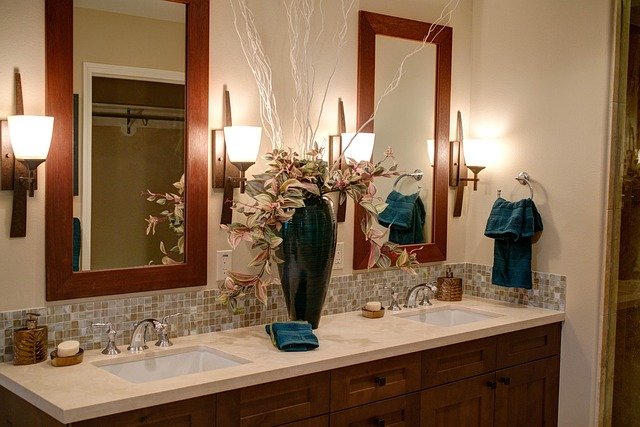
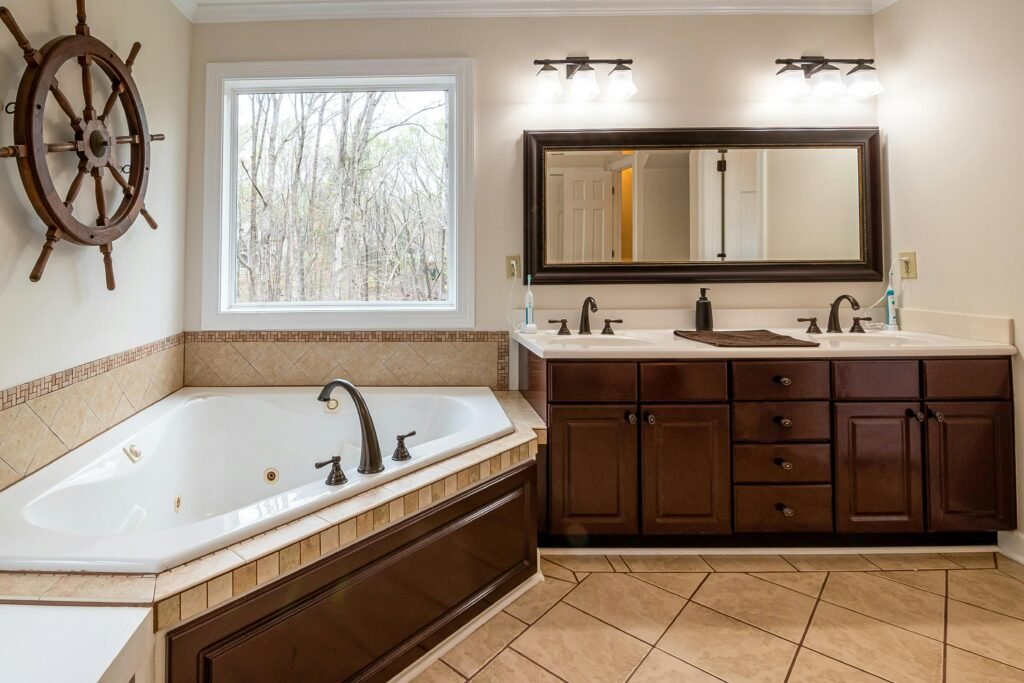
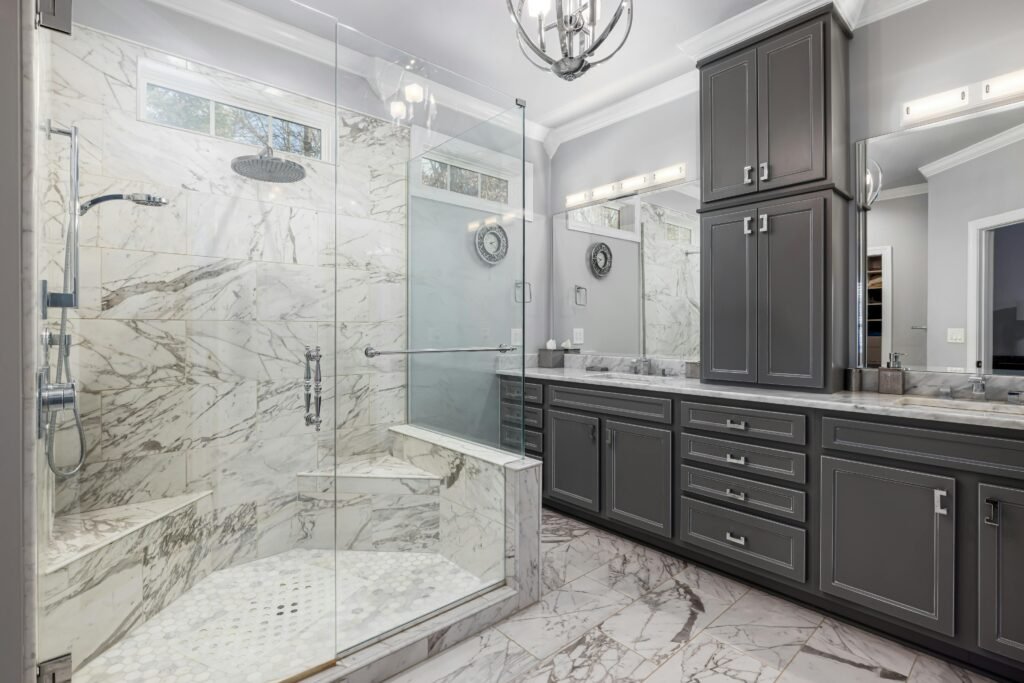
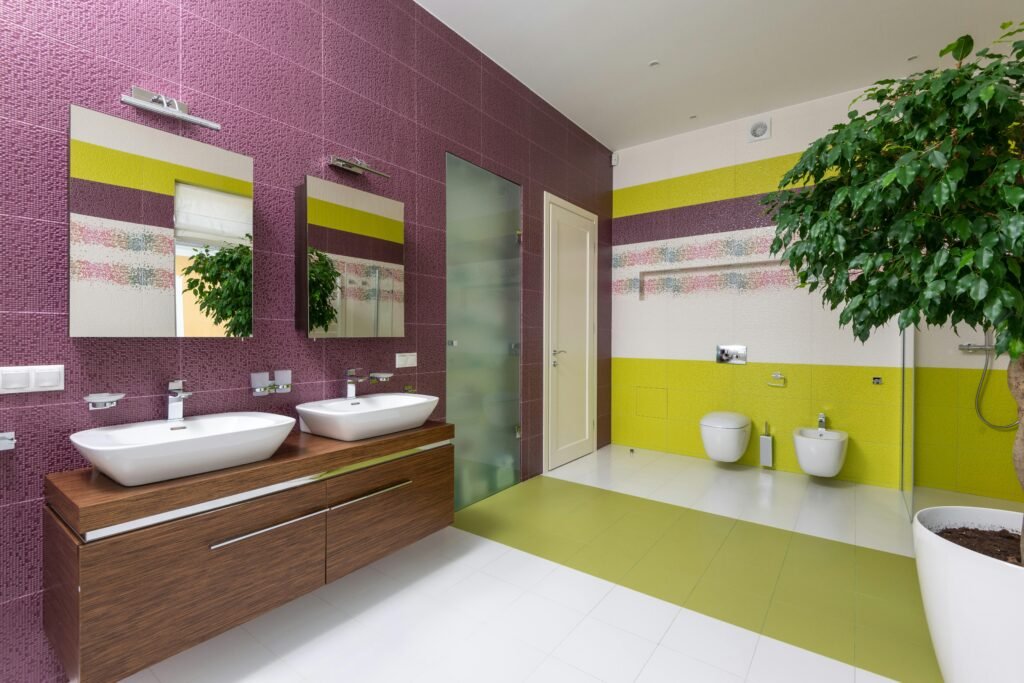
Bathroom Vanity Cabinets
Placed under the sink. Hide pipes. Add storage.
Options include:
- Single-sink vanity
- Double sink bathroom vanity cabinet
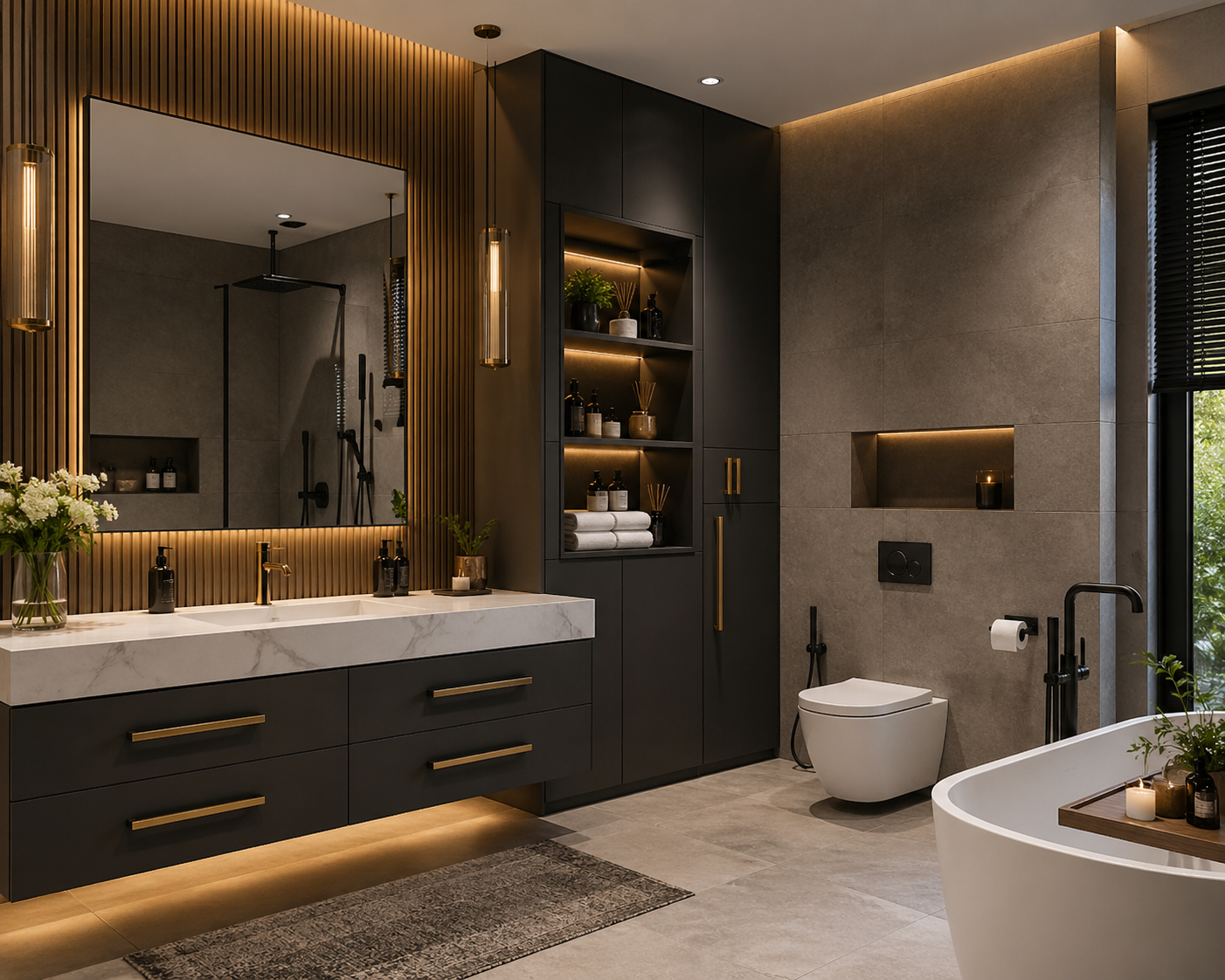
- Floating vanity
Daily use. High value.
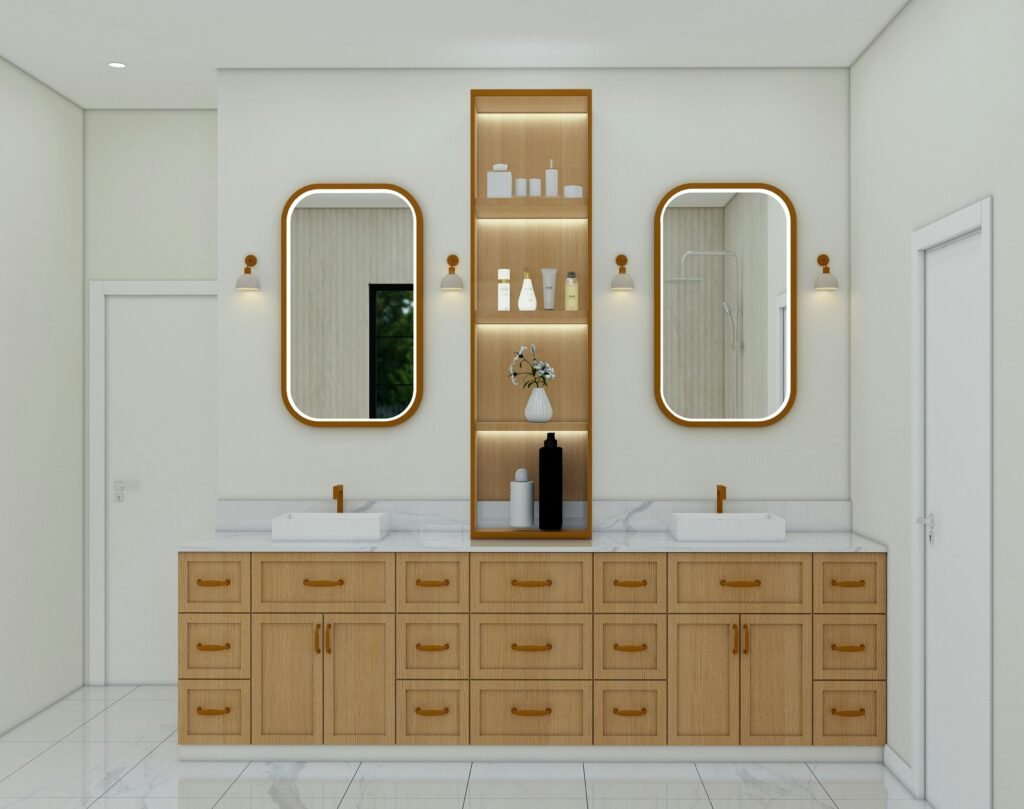
Tall Bathroom Storage Cabinets
Use vertical space. Ideal for tight layouts.
Types:
- Narrow bathroom cabinet
- Freestanding bathroom cabinet
- Linen cabinet
Good for towels and bulk items.
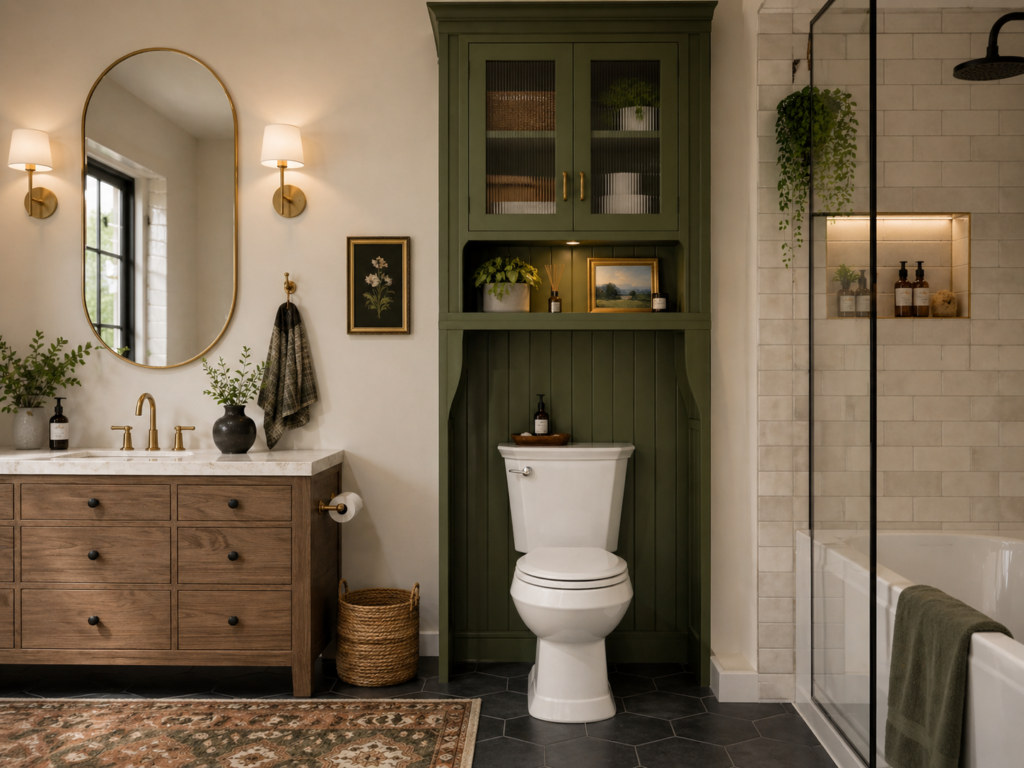
Over Toilet Bathroom Cabinets
Unused space above the toilet. Easy win.
Store:
- Toilet paper
- Cleaning supplies
- Extra items
Smart for small homes.
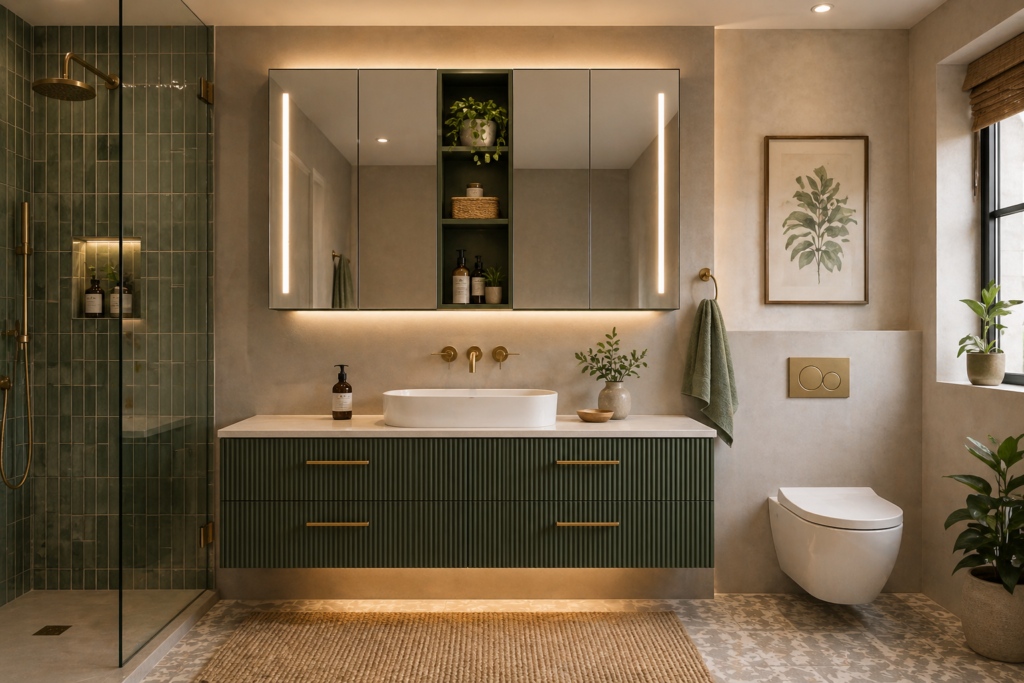
Mirror Cabinets for Bathroom
Mirror + storage.
Options:
- LED mirror cabinet
- Recessed medicine cabinet
- Wall-mounted mirror cabinet
Clean look. Saves space.
Bathroom Cabinets: The Real Space Saver
Small bathroom. Less room. You need a strategy.
Use:
- Wall-mounted cabinets
- Corner bathroom cabinets
- Under sink storage
- Narrow cabinets
Placement matters more than size.
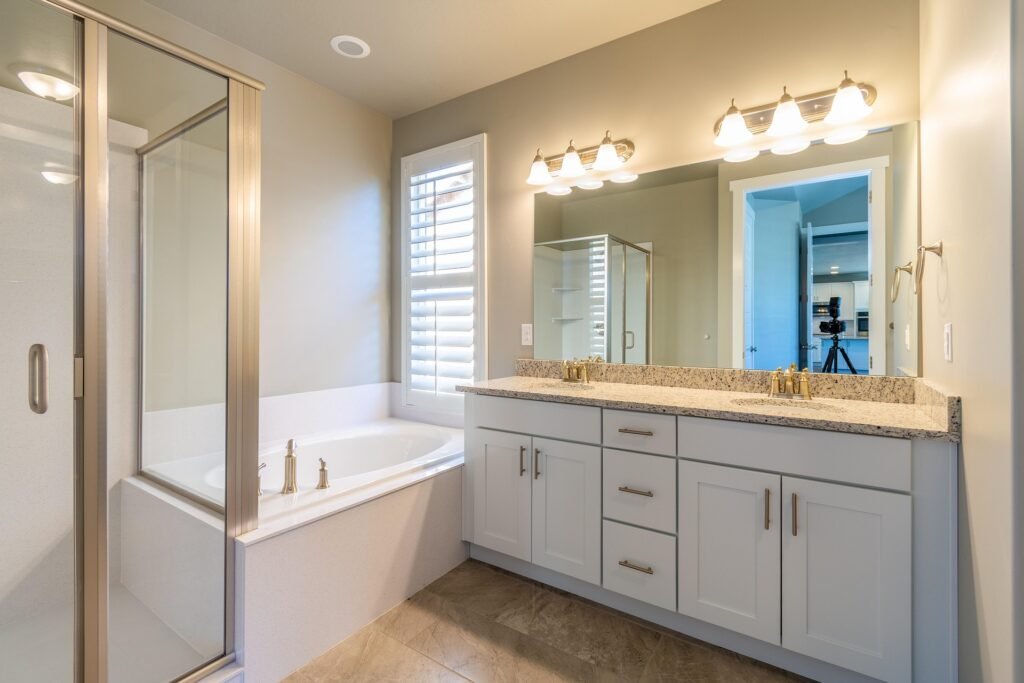
Materials Used in Bathroom Cabinets
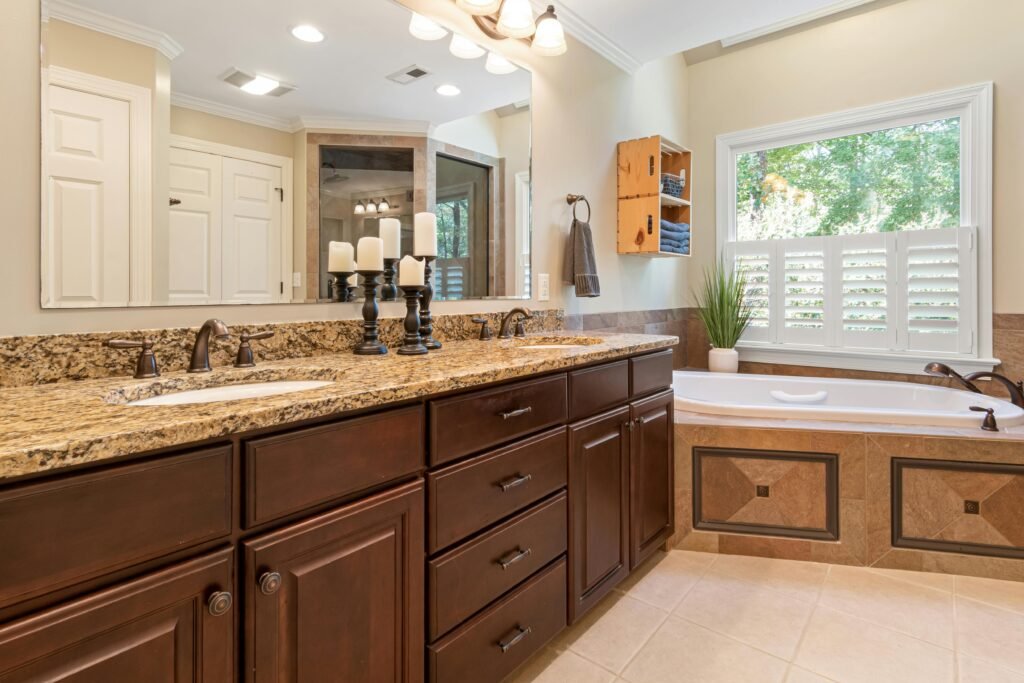
Wooden Bathroom Cabinets
Looks premium. Needs sealing. Moisture can damage it.
MDF Bathroom Cabinets
Budget option. Smooth finish. Not ideal for heavy moisture.
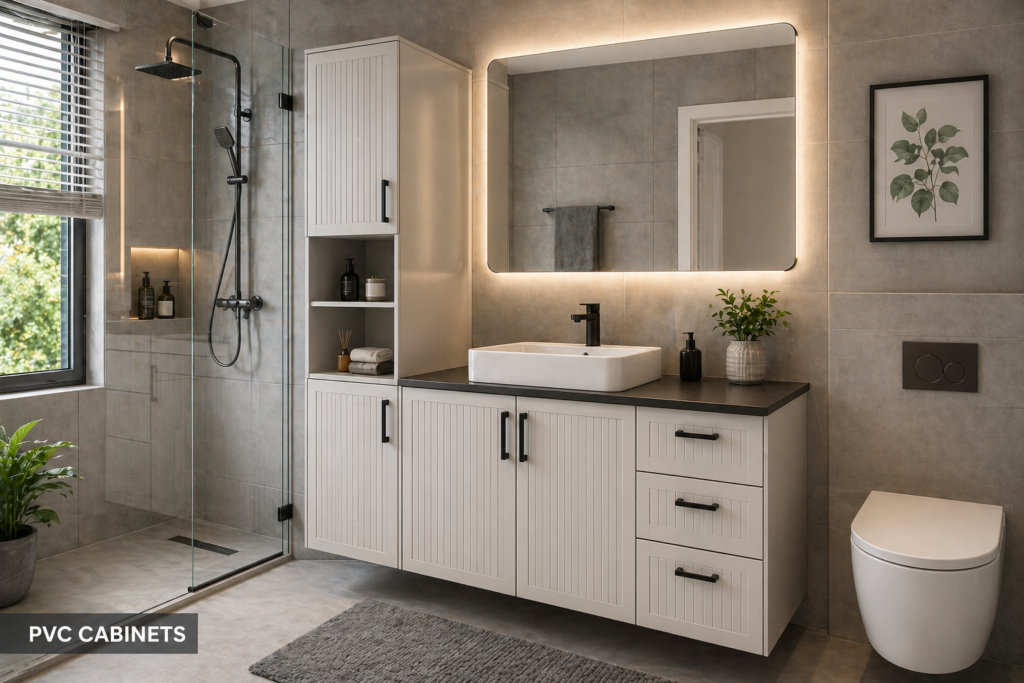
PVC Bathroom Cabinets
Water-resistant. Low maintenance. Good for humid bathrooms.
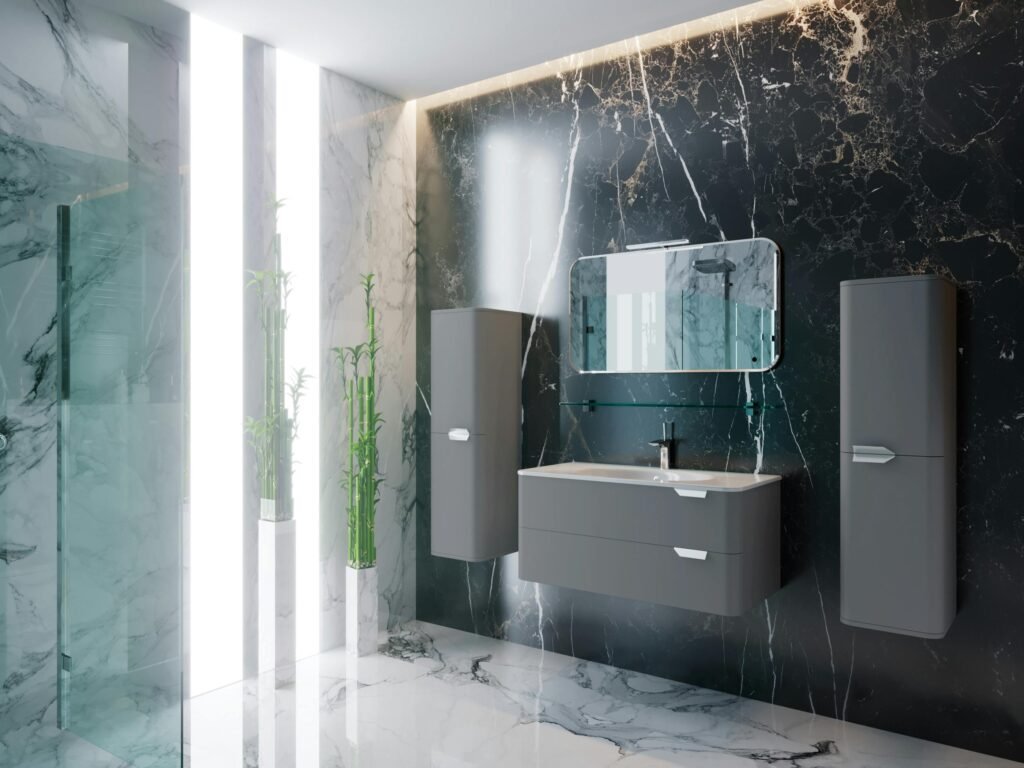
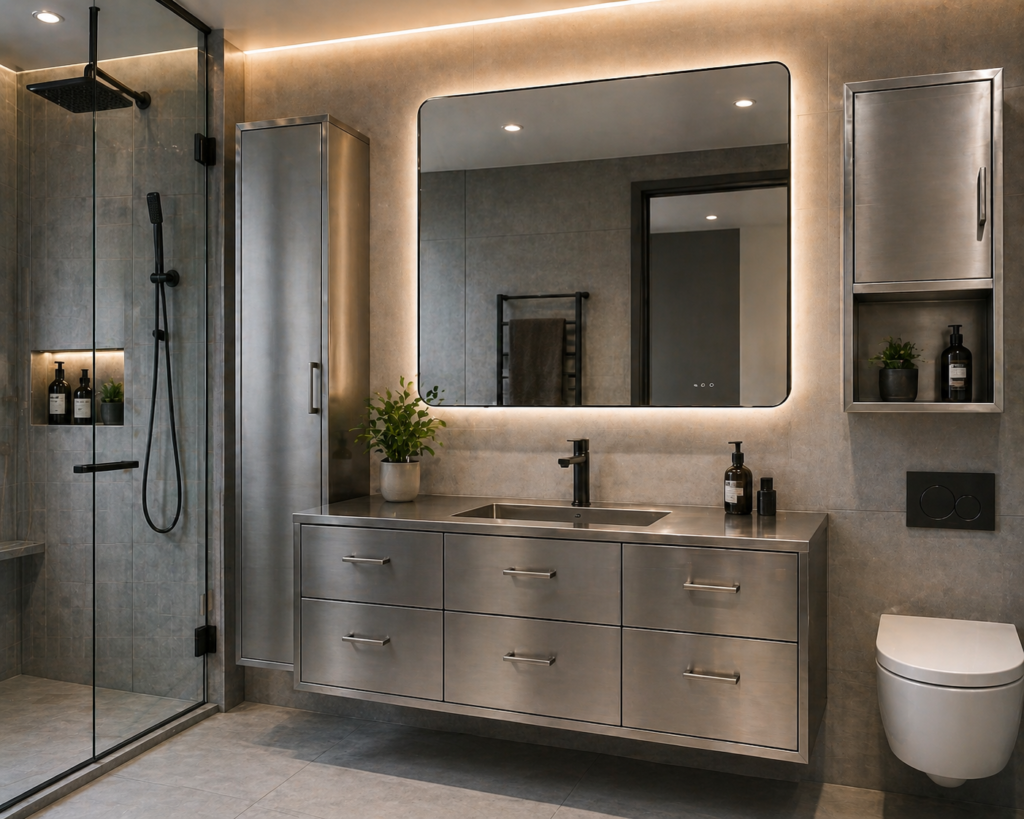
Metal Bathroom Cabinets
Strong. Modern. Needs rust protection.
In U.S. homes, moisture-resistant materials like PVC and treated wood hold up better over time.
Bathroom Cabinet Price in the USA
Prices vary based on size, material, and brand.
- Small cabinet: $50 – $150
- Wall-mounted cabinet: $70 – $250
- Bathroom vanity cabinet: $150 – $1,200
- Tall storage cabinet: $120 – $600
- Custom cabinets: $1,500+
Material and build quality drive most of the cost.
Best Cabinets for the Bathroom Based on Space
Small Bathrooms
Use wall-mounted cabinets and mirror cabinets.
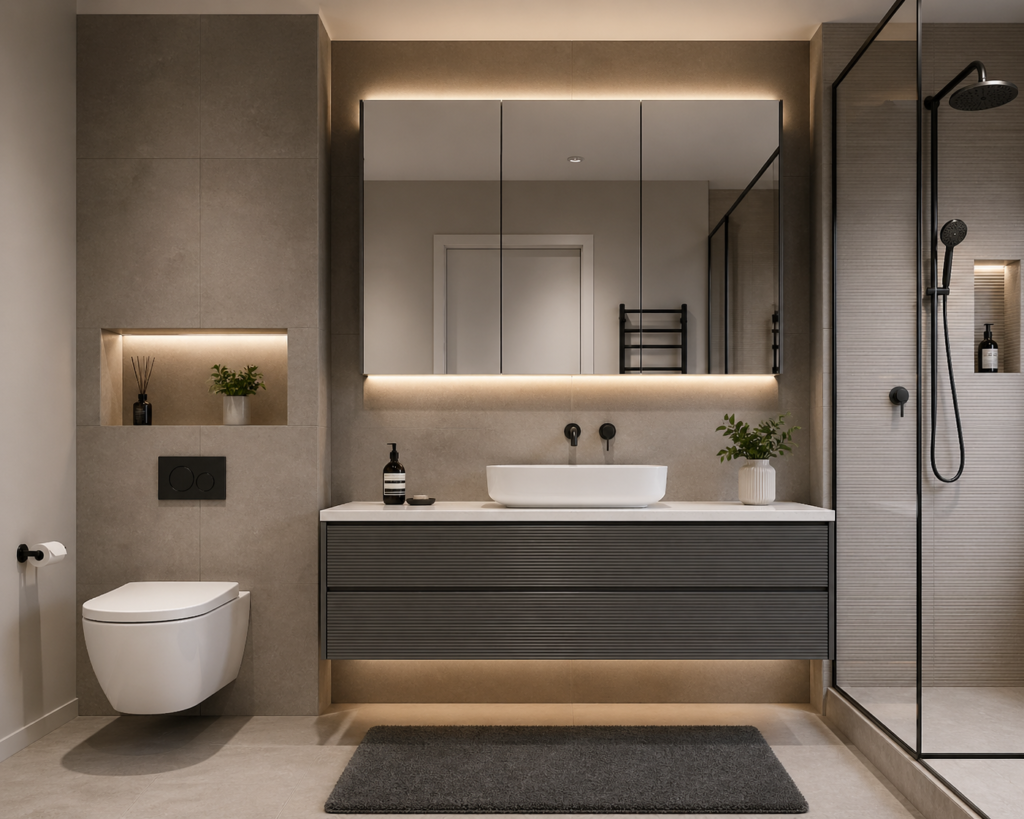
Medium Bathrooms
Add vanity cabinets and extra storage units.
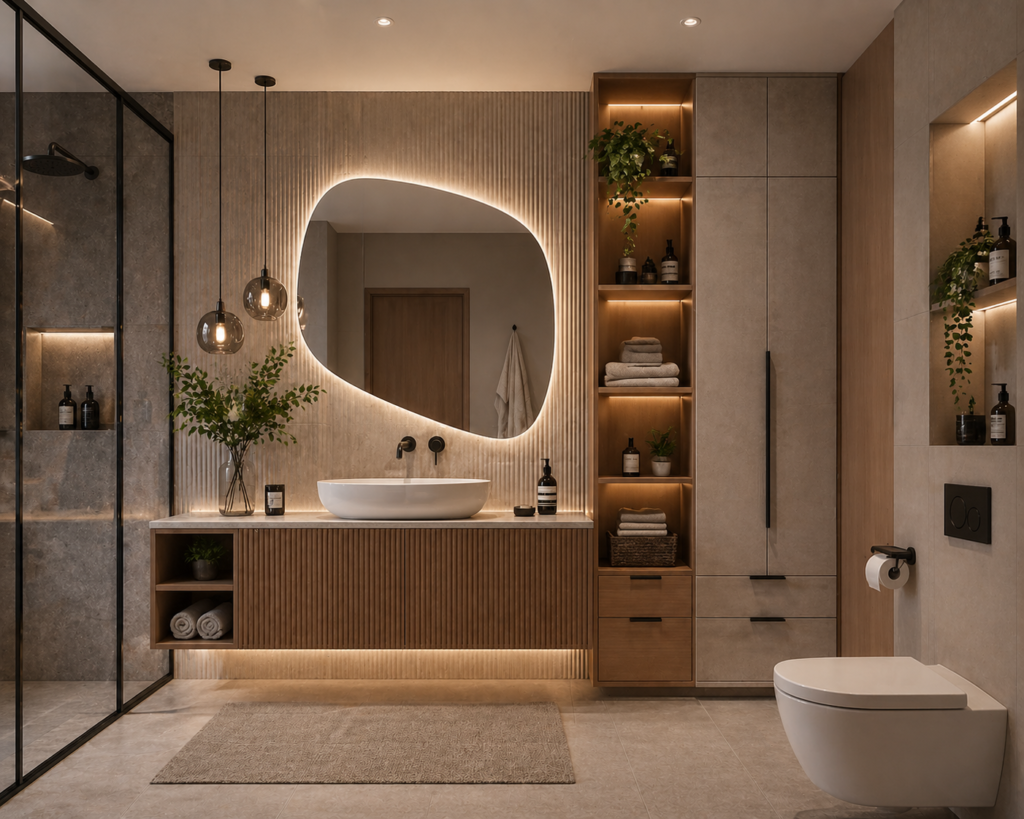
Large Bathrooms
Combine tall cabinets, vanity units, and linen cabinets.
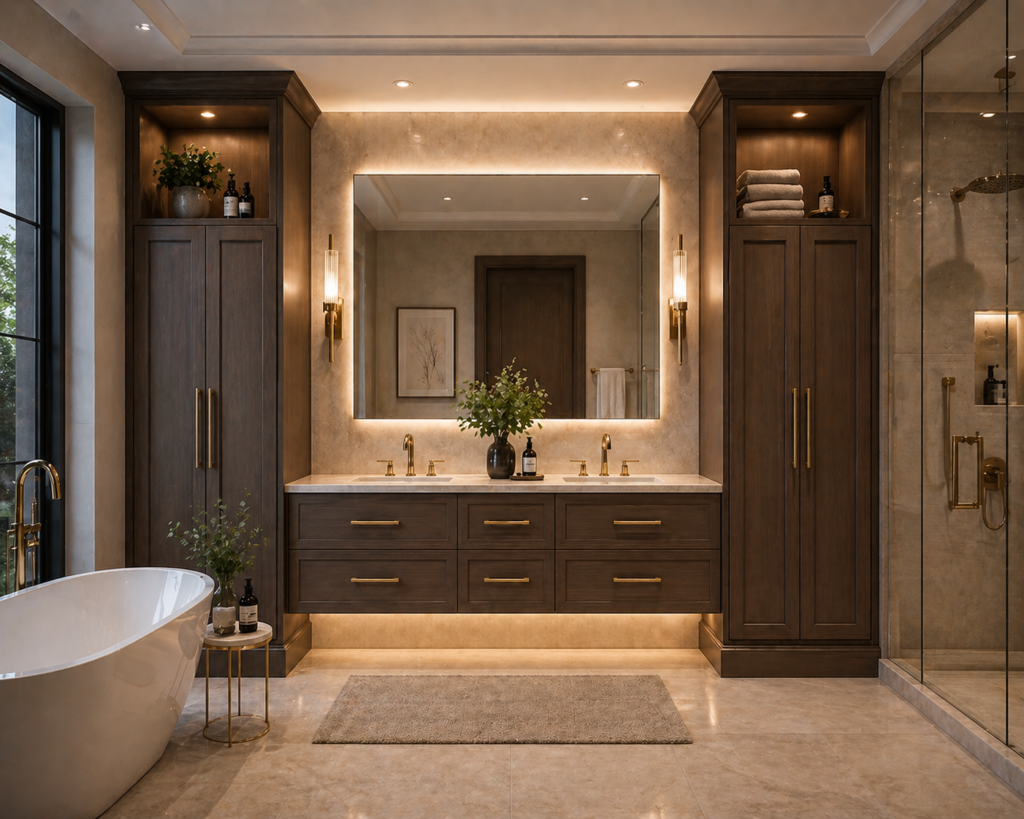
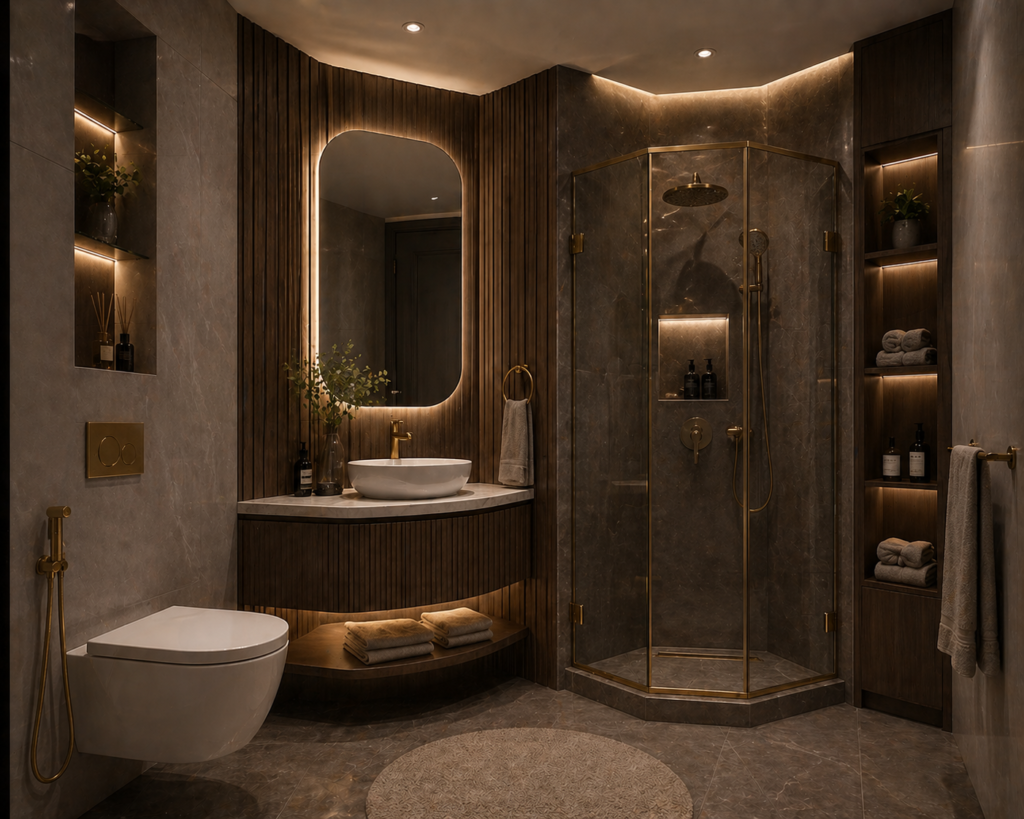
Tight Corners
Use corner bathroom cabinets.
Watch also Shower Curtain
PVC vs Wood Bathroom Cabinets
PVC cabinets:
- Water-resistant
- Low maintenance
- Budget-friendly
Wood cabinets:
- Better appearance
- Higher cost
- Needs sealing
In most U.S. bathrooms, PVC or treated wood performs better long-term.
Can You Use Kitchen Cabinets for Bathroom?
Yes. But not ideal.
They are not built for bathroom moisture.
If you try:
- Seal the surface
- Ensure ventilation
- Avoid direct water exposure
Works short-term.
Bathroom Cabinet Design Tips
- Keep daily items at eye level
- Use drawers for small items
- Add shelves for towels
- Use soft-close hinges
- Match the cabinet color with tiles
Small changes improve usability.
Common Mistakes When Buying Bathroom Cabinets
- Ignoring moisture resistance
- Buying the wrong size
- Choosing style over function
- Skipping storage planning
- Not checking material quality
Fix these early. Saves money later.
Bathroom Cabinet Organization Ideas
- Use baskets inside cabinets
- Separate items by use
- Store extras in upper cabinets
- Keep essentials within reach
Less clutter. Faster routine.
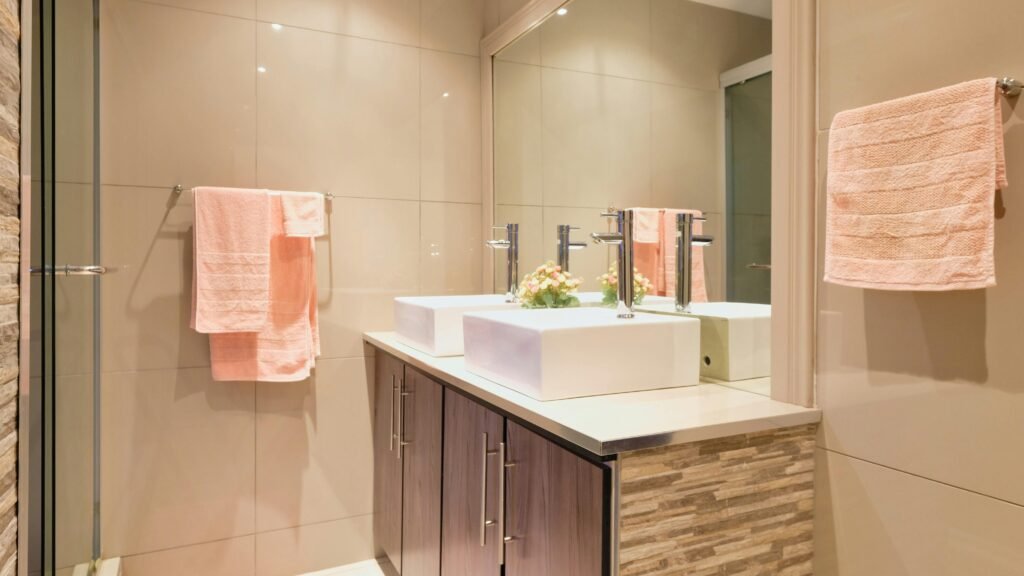
Best Bathroom Cabinet Options in the USA
You can find options from the following:
- Big-box retailers
- Online marketplaces
- Custom cabinet makers
Custom bathroom cabinets work best for unique layouts.
Bathroom Cabinet Layout Ideas for Better Space Use
Layout affects everything. Not just storage.
- Place vanity cabinets near plumbing. Saves installation cost
- Use wall cabinets above eye level for less-used items
- Add tall cabinets in corners to avoid dead space
- Keep at least 24 inches of walking space
Bad layout creates daily frustration. A good layout feels effortless.
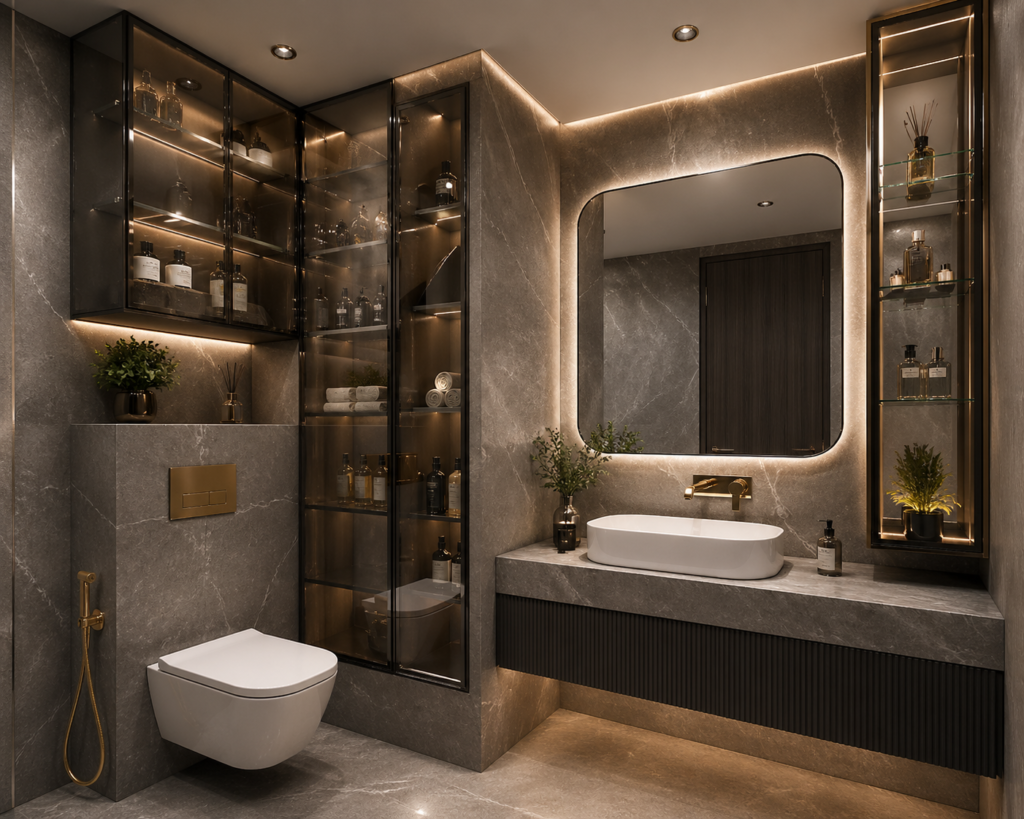
How to Choose the Right Bathroom Cabinet
- Measure your bathroom
- Choose cabinet type (wall, vanity, tall)
- Pick material (PVC, MDF, wood)
- Set a budget
- Compare 2–3 options
- Check reviews
Simple process. Better results.
Storage Features to Look For
Not all cabinets are built the same.
Look for:
- Adjustable shelves
- Soft-close hinges
- Waterproof finishes
- Drawer organizers
- Anti-rust hardware
These small features improve daily use.
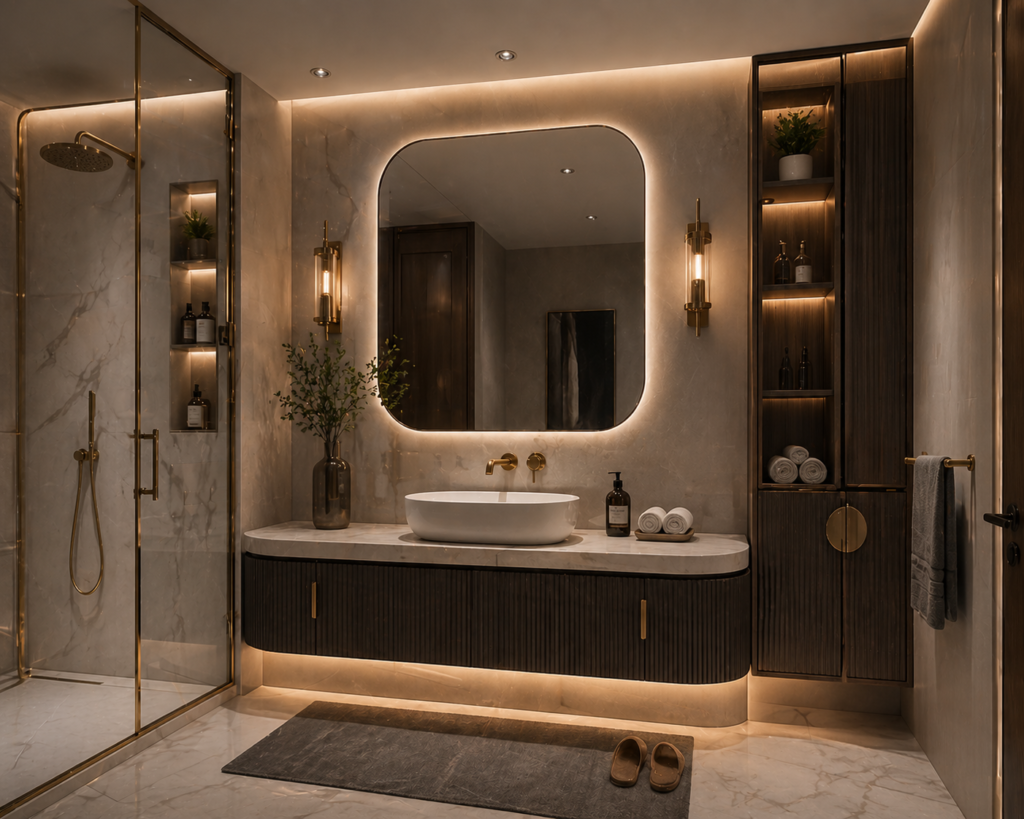
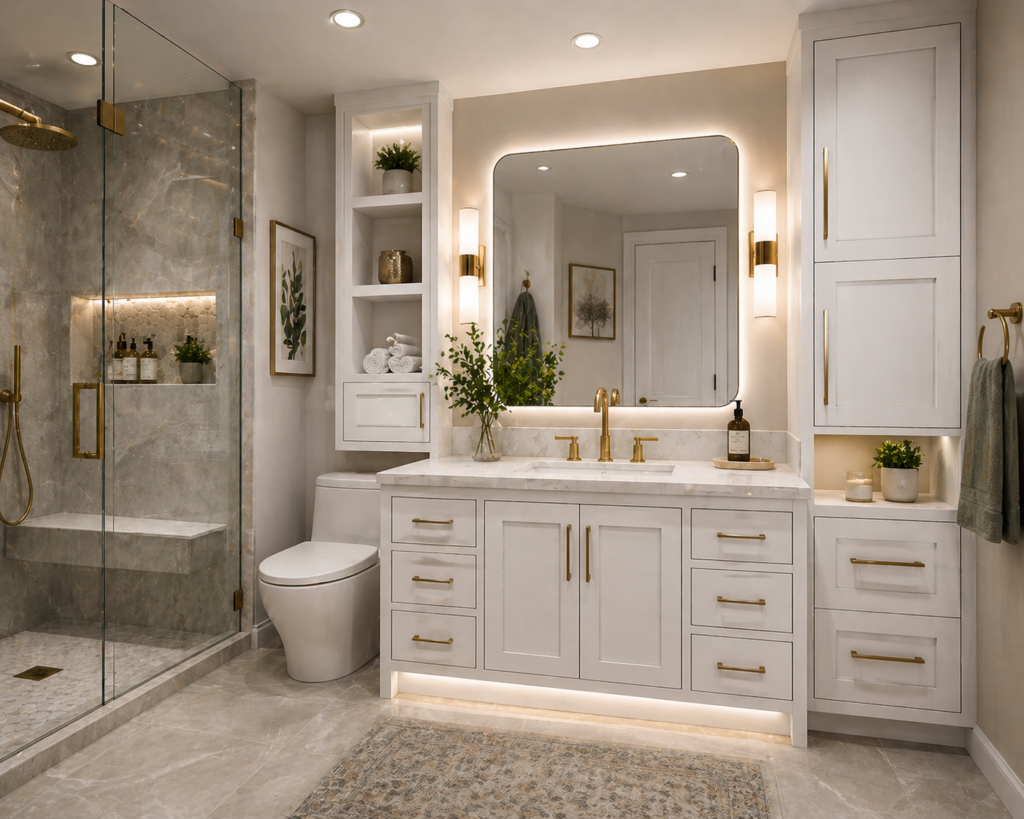
Trending Bathroom Cabinet Styles in the USA
Trends change fast.
Current popular choices:
- Floating vanity cabinets
- Matte black bathroom cabinets
- White shaker cabinets
- Minimalist wall cabinets
- Open shelf + cabinet combos
Simple designs dominate. Less bulk. More function.
When to Choose Custom Bathroom Cabinets
Stock cabinets don’t always fit.
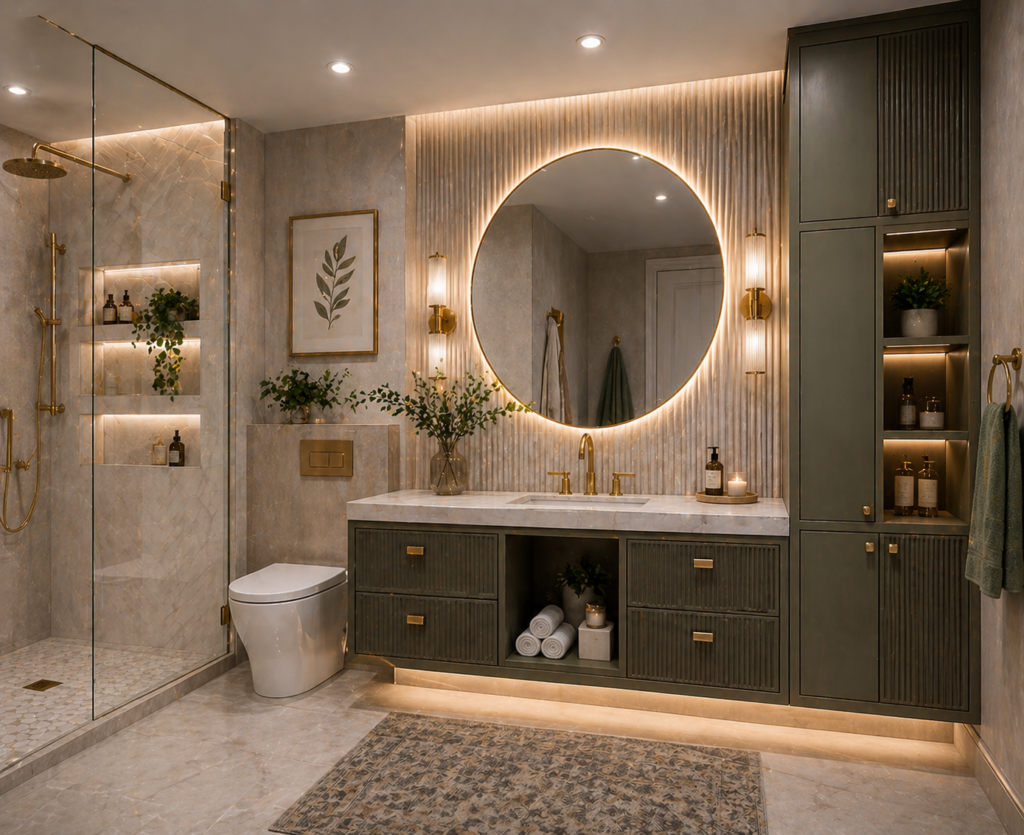
Go custom if:
- Your bathroom has an unusual layout
- You need specific dimensions
- You want a built-in look
Custom costs more. But fits better.
FAQ
What are the best cabinets for the bathroom?
Wall cabinets for small spaces. Vanity cabinets for daily use.
Which material is best for bathroom cabinets?
PVC and treated wood handle moisture well.
How much do bathroom cabinets cost in the USA?
From $50 to $1,500+, depending on type and quality.
Are wall-mounted bathroom cabinets good?
Yes. They save space and improve access.
What size cabinet works for small bathrooms?
Narrow and wall-mounted cabinets fit best.
Are PVC cabinets better than wood?
PVC is more moisture-resistant. Wood looks better.
How long do bathroom cabinets last?
With proper care, most cabinets last 10–20 years.
Conclusion
Cabinets for the bathroom shape how your space functions.
Pick based on size, use, and material. Not just looks.
Measure first. Compare options. Focus on durability.
Shortlist 2–3 options before buying. That avoids most bad purchases.