Living Room Ideas That Actually Work in Real Homes
The living room sets the emotional tone of a home. It’s where days begin slowly, conversations stretch longer than planned, and the house finally exhales at night. A good space doesn’t chase perfection. It feels natural. Comfortable. Easy to live in.
The best living room ideas aren’t copied from staged photos or trend-heavy reels. They grow from how the room functions, how people move through it, and how it supports everyday life. Style is important, but comfort and flow matter more.
This guide walks through how to decorate with intention, choose furniture that fits your space, build layouts that make sense, and layer in warmth, especially as seasons shift. No overbuying. No visual clutter. Just thoughtful choices that last.
How to Decorate a Living Room Without Overthinking It
Start with what’s already there.
Before buying anything, step back and study the room. The light. The shape. The furniture you already own. Most rooms don’t need more pieces. They need better decisions.
Fix the Flow First
If you constantly bump into furniture, squeeze past chairs, or walk the long way around a coffee table, the layout isn’t working. Good flow changes how a room feels more than any decor trend ever could.
Pull furniture away from walls. Create clear walkways. Group seating so conversations feel natural. These basics are the backbone of strong living room ideas that don’t date quickly.
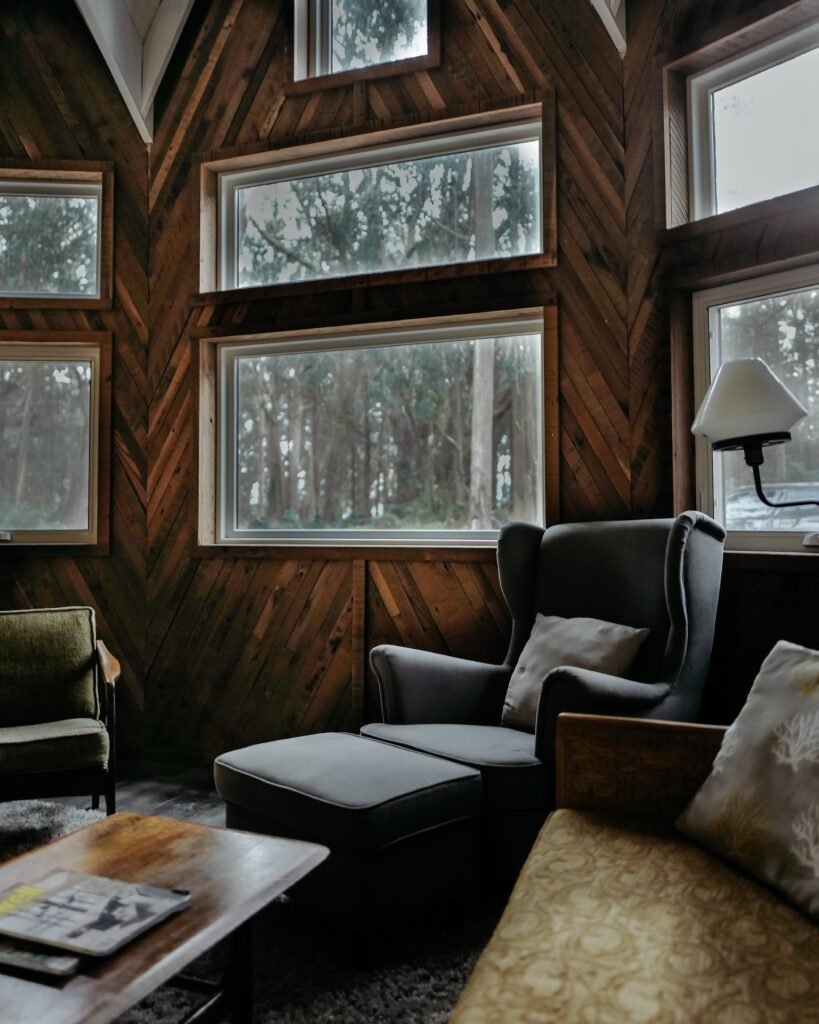
Choose One Visual Anchor
Every room needs a focal point, something the space quietly organizes itself around. It might be a fireplace, a large window, a media wall, or even a standout sofa.
Pick one. Let everything else support it.
Too many focal points create visual noise. One clear anchor brings calm.
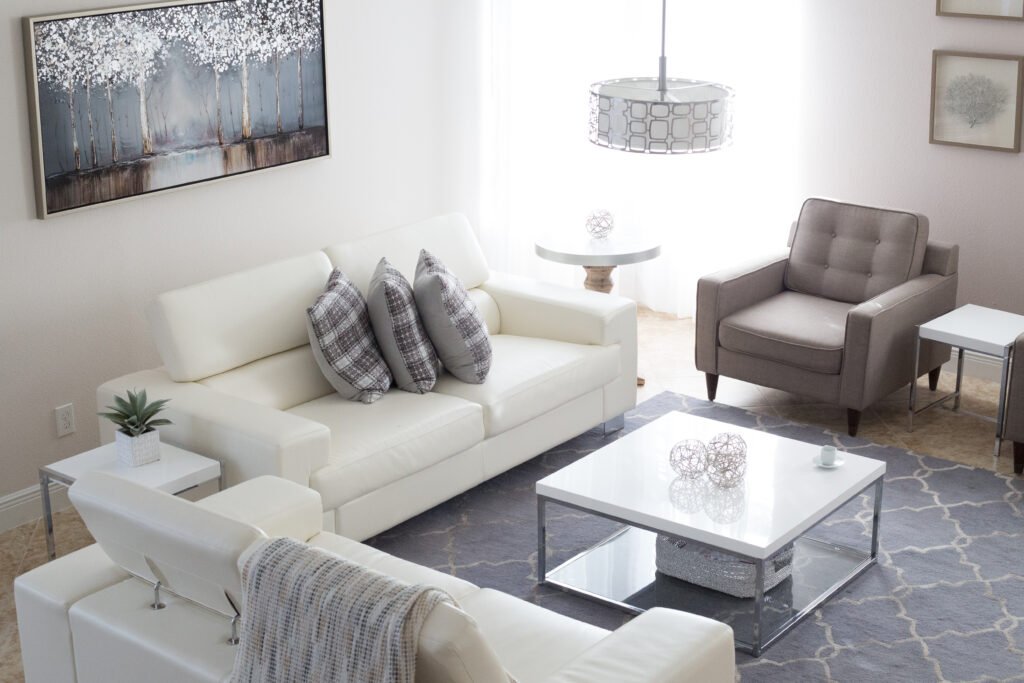
Layer, Don’t Fill
A cozy room isn’t crowded. It’s layered.
Think in textures:
- A rug that grounds the seating
- Throws draped casually
- Pillows that vary in fabric
- Lamps that soften the light
Layering builds warmth without stuffing the room full of things.
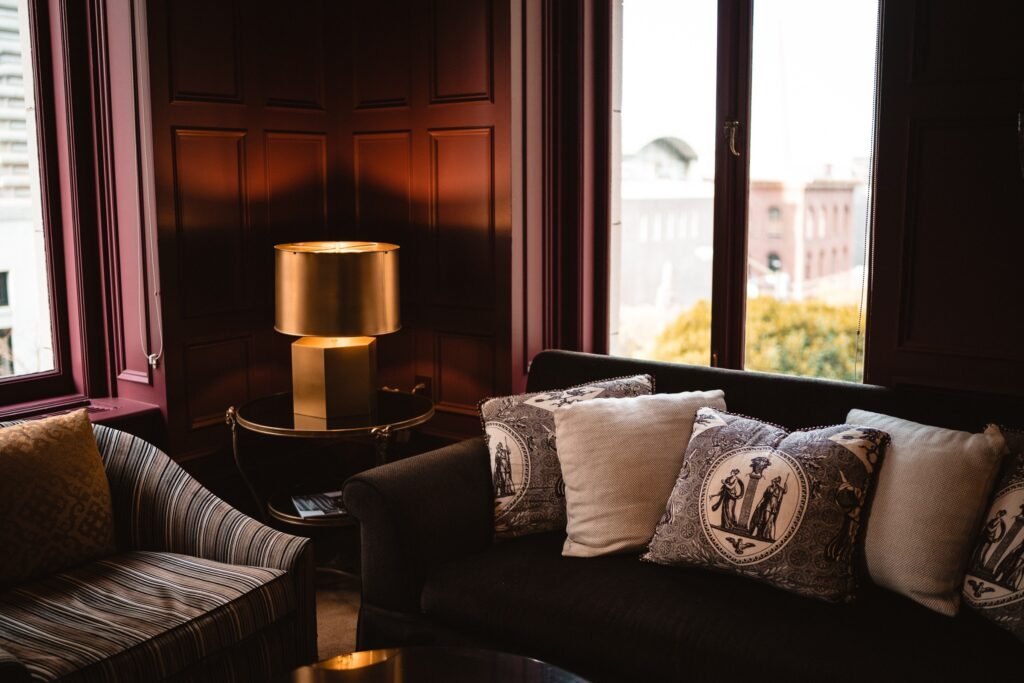
What Should Guide Your Living Room Design Choices?
Real life should lead. Always.
Trends fade. Daily habits don’t.
Design Around How You Actually Live
Ask practical questions:
- Is this room mainly for watching TV?
- Do guests gather here often?
- Are kids or pets part of the picture?
- Does work spill into this space?
Your answers should dictate materials, layouts, and furniture, not aesthetics alone. A delicate sofa may photograph beautifully, but it won’t survive a busy household.
Work With the Room, Not Against It
Pay attention to what the room gives you:
- Natural light
- Ceiling height
- Room length
- Entry points
Long rooms don’t need forced symmetry. Dark rooms don’t need fighting; they need warmer lighting. The smartest living room ideas respect the space instead of trying to override it.
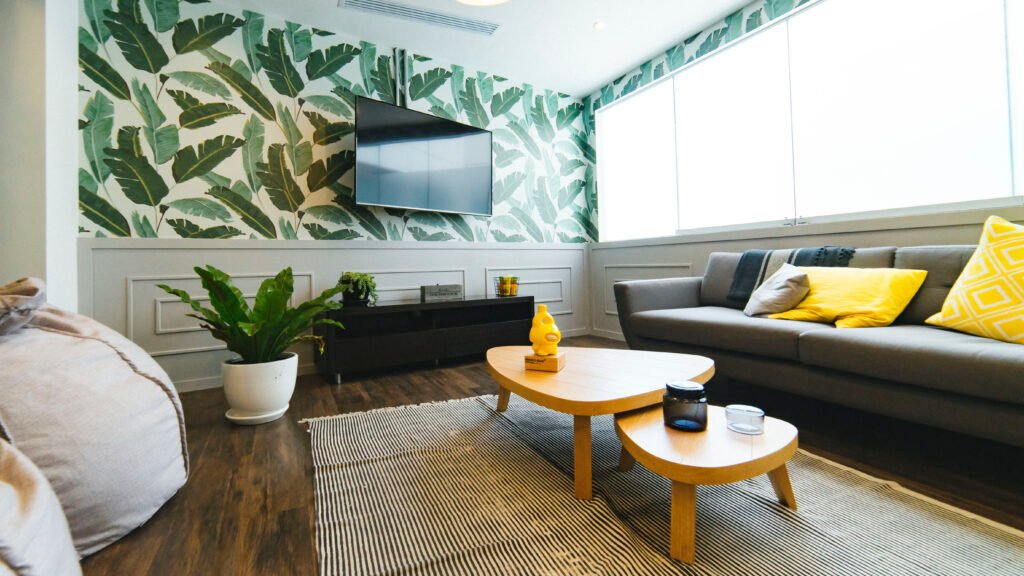
Choosing Living Room Furniture That Makes Sense
More furniture doesn’t equal a better room.
The goal is comfort, movement, and balance.
The Pieces That Matter Most
Most living rooms function best with:
- One comfortable sofa
- One or two accent chairs
- A coffee table or ottoman
- Side tables within reach
- Some form of storage
Anything beyond that should earn its place.
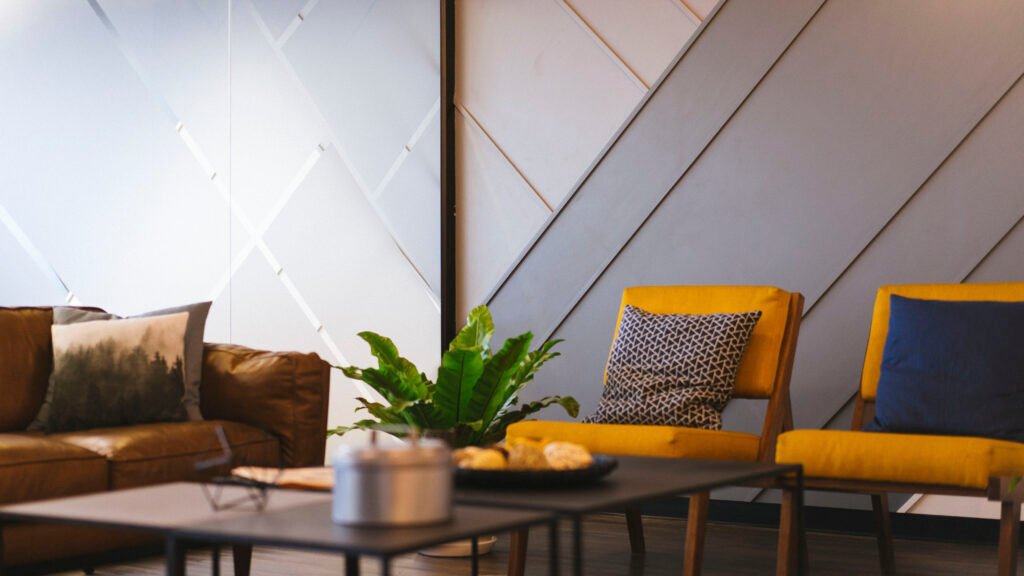
Scale Is More Important Than Style
A beautiful sofa that overwhelms the room will always feel wrong. So will tiny chairs floating in a large space.
Measure everything. Then measure again.
Balanced proportions are quiet, but they’re what separate thoughtful living room ideas from frustrating ones.
Fall Living Room Updates That Feel Natural
Seasonal decorating doesn’t require a full reset. Fall is about mood shifts, not themed displays.
As the weather cools, subtle changes make a big difference.
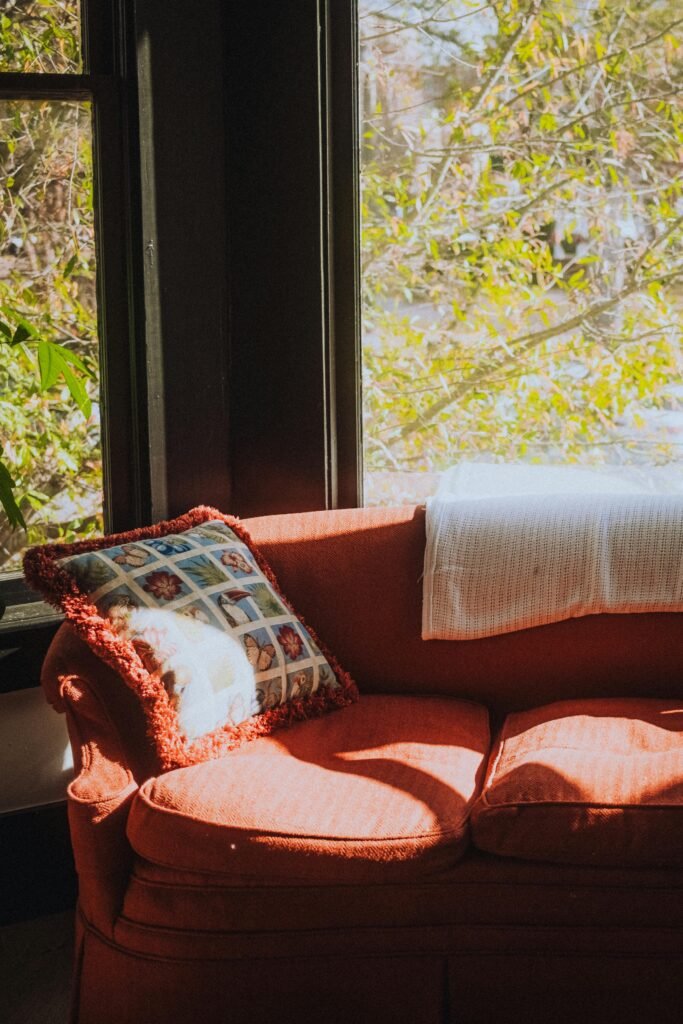
Focus on Warmth, Not Symbols
Fall decor works best when it’s textural and tonal, not literal.
Shift toward:
- Softer lighting
- Deeper neutrals
- Heavier fabrics
That’s enough to change how the room feels.
A Calmer Fall Color Palette
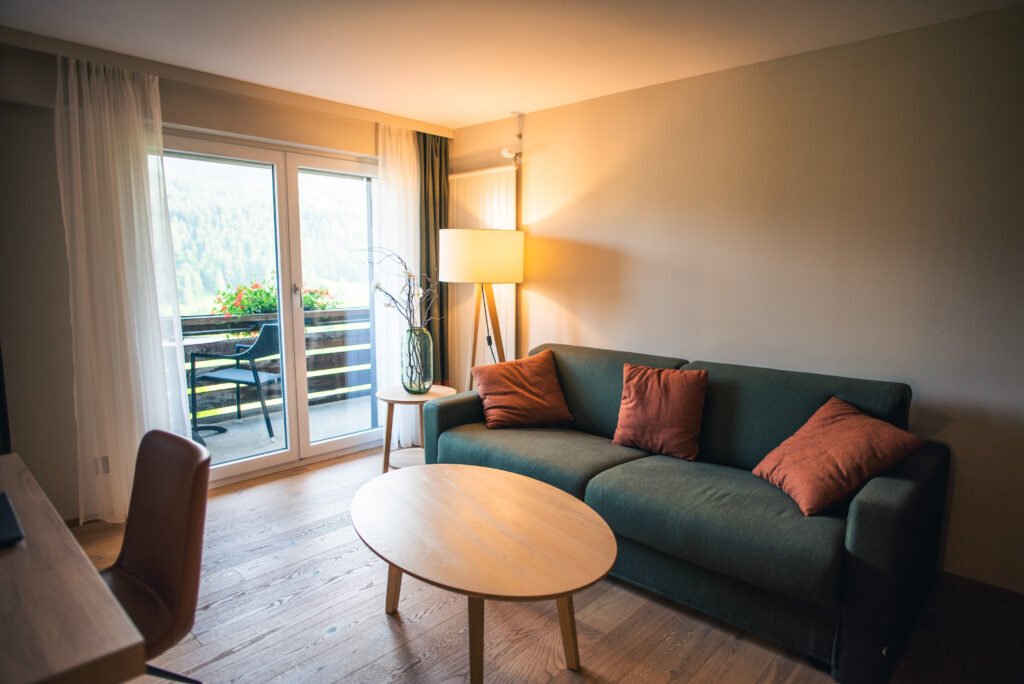
Fall colors don’t have to be loud. Try:
- Warm beige
- Soft camel
- Muted olive
- Rust as an accent
These tones blend easily into existing decor and support cozy living room decor without overwhelming it.
Use Florals Sparingly
Skip anything overly bright or artificial. Neutral stems, dried branches, or grasses work better.
One arrangement is enough. Height adds interest without clutter.
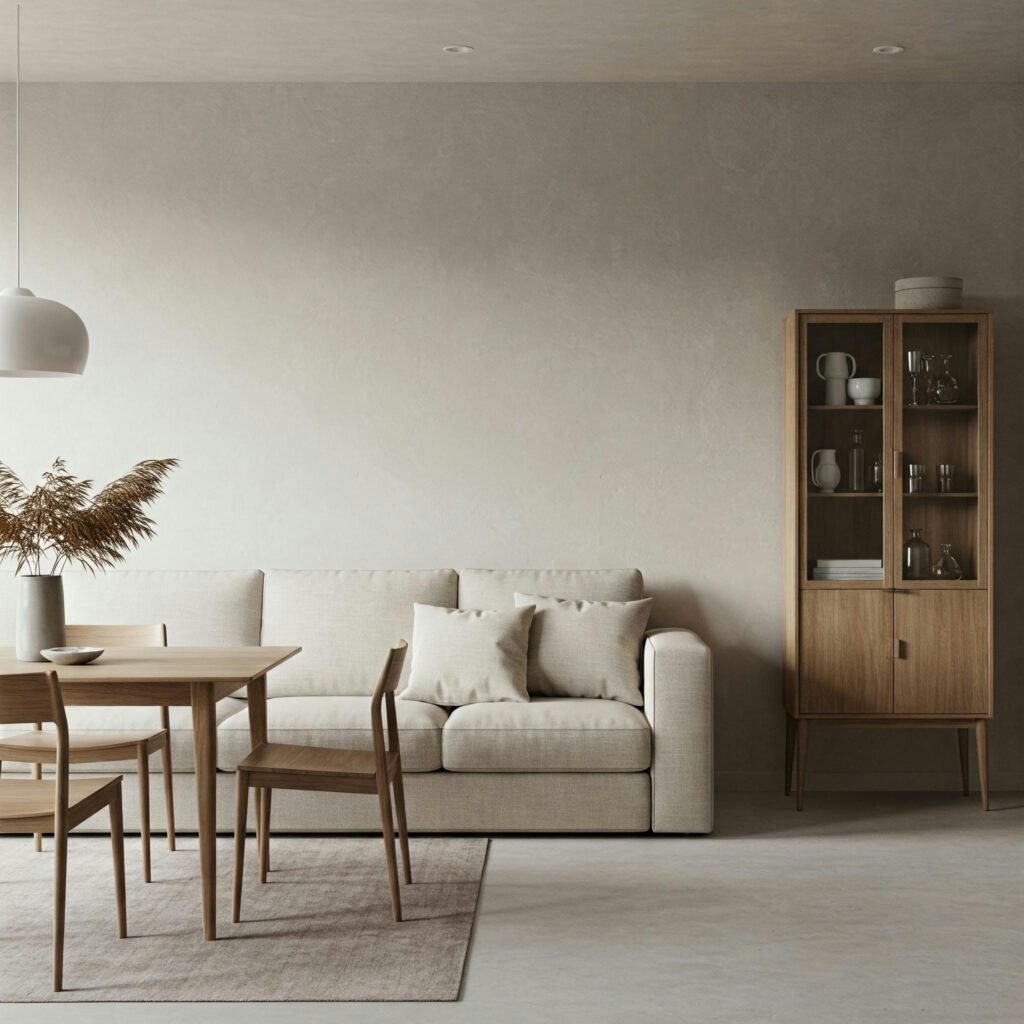
Swap Pillow Covers, Not Pillows
This small change has a big impact.
Linen, velvet, or subtly patterned covers instantly refresh the room for fall without adding bulk.
Quiet Decor That Adds Depth
The most effective fall updates are understated:
- A wooden tray
- A ceramic bowl
- A woven basket
- Amber or smoked glass
Nothing forced. Nothing seasonal for the sake of it.
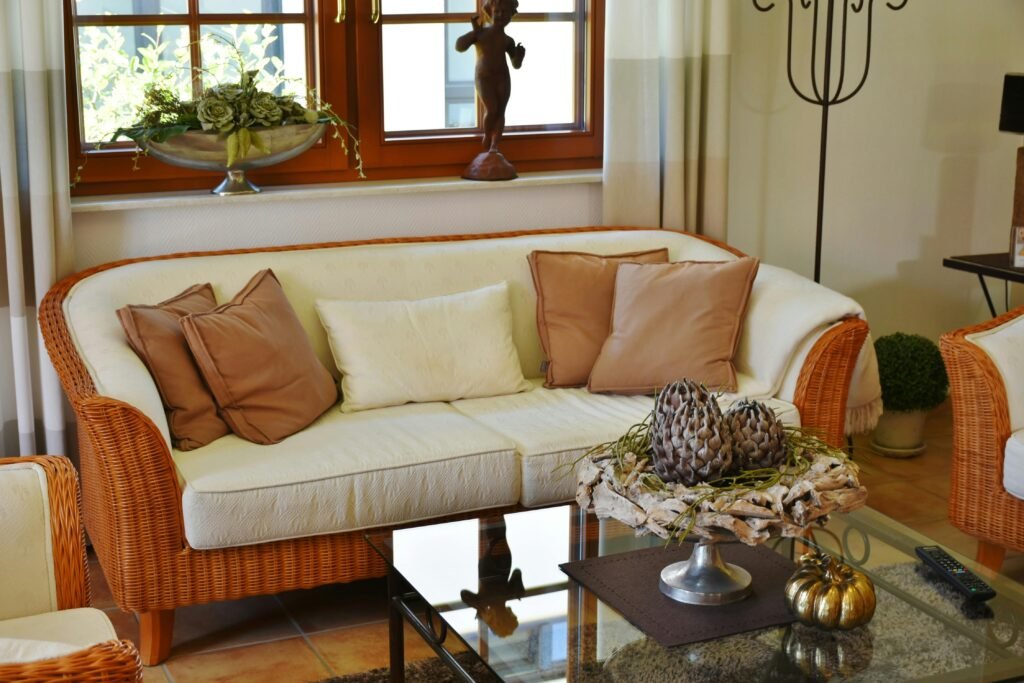
Cozy Fall Living Room Styling That Feels Lived In
Cozy isn’t about softness alone. It’s about contrast.
1. Keep the Color Story Tight
Stick to two main colors and one accent. Repeat them subtly across the room. Repetition creates calm.
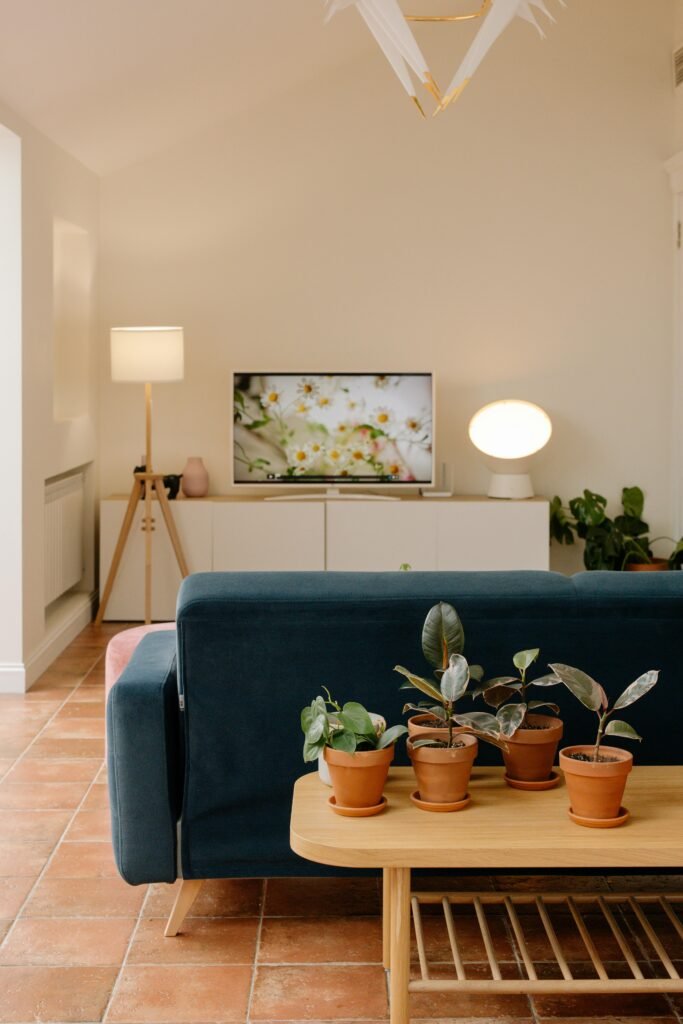
2. Bring in Warm Wood Tones
Wood instantly adds warmth.
- Side tables
- Frames
- Bowls
- Lamp bases
Mix finishes freely. Perfect matches aren’t required.
3. Add Natural Texture
Stone, clay, ceramics, and dried botanicals ground the space and keep it from feeling flat.
4. Layer Throws and Pillows
Avoid matching sets. Mix textures. Slight imperfection feels more inviting.
This approach shows up again and again in warm and cozy living room ideas that actually feel good to sit in.
5. Rethink Lighting Completely
Overhead lighting alone flattens a room.
Use:
- Table lamps
- Floor lamps
- Warm bulbs
Lighting changes everything.
Small Living Room Design That Still Feels Comfortable
Smaller spaces often feel cozier when designed well.
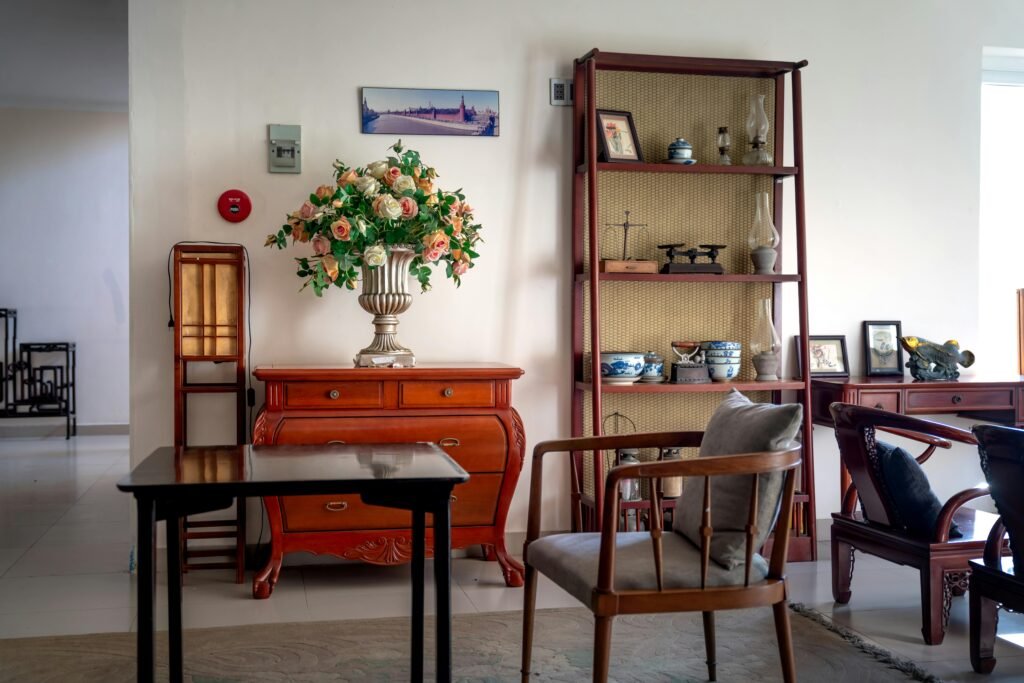
Choose Pieces With Purpose
Every item should serve a role.
- Storage ottomans
- Slim coffee tables
- Chairs with open legs
Visual space matters as much as physical space.
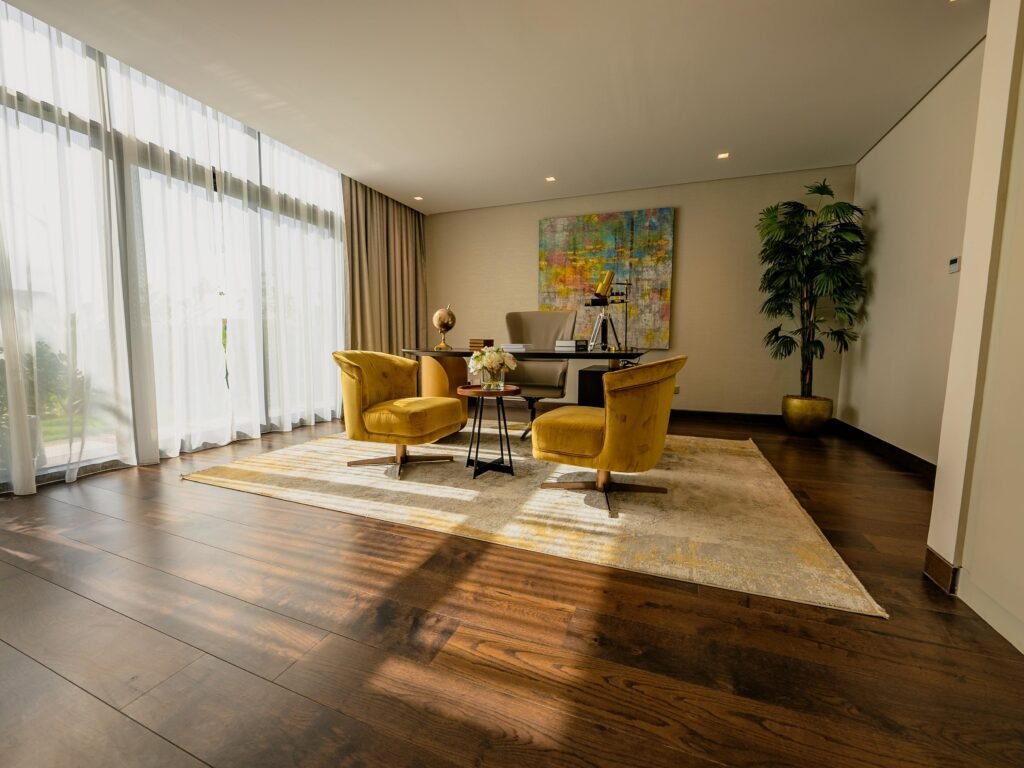
Keep Colors Light but Warm
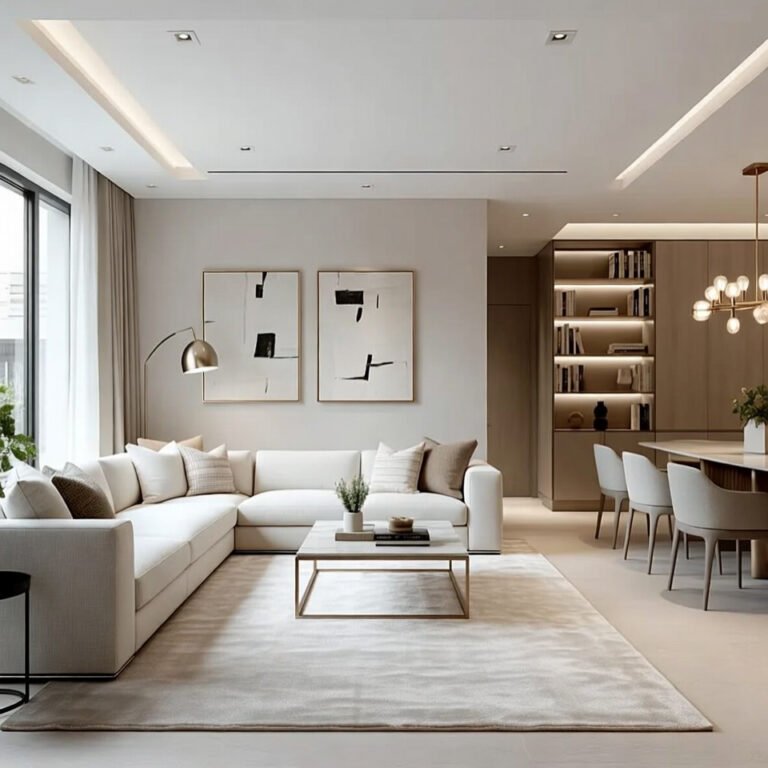
Warm whites, pale beige, and soft taupe reflect light while maintaining comfort.
Use One Mirror Strategically
A single mirror placed near a window or lamp can double the perceived light. More than one usually feels excessive.
Simple choices often deliver the best living room ideas for small spaces.
Modern Living Rooms That Don’t Feel Cold
Clean lines don’t have to mean sterile.
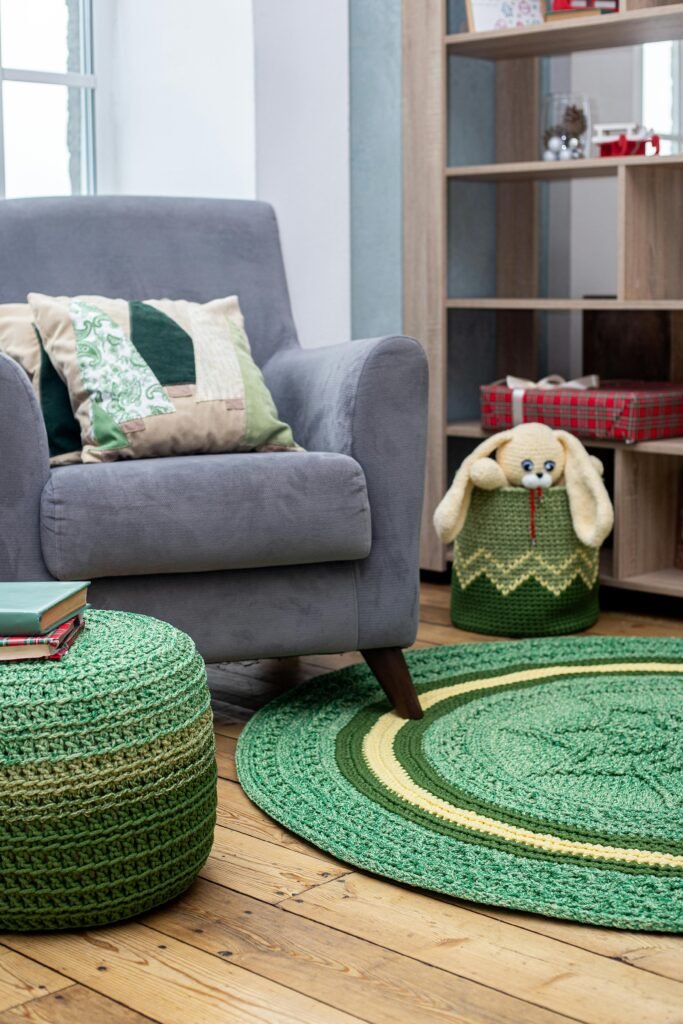
Balance Structure With Softness
Pair tailored furniture with:
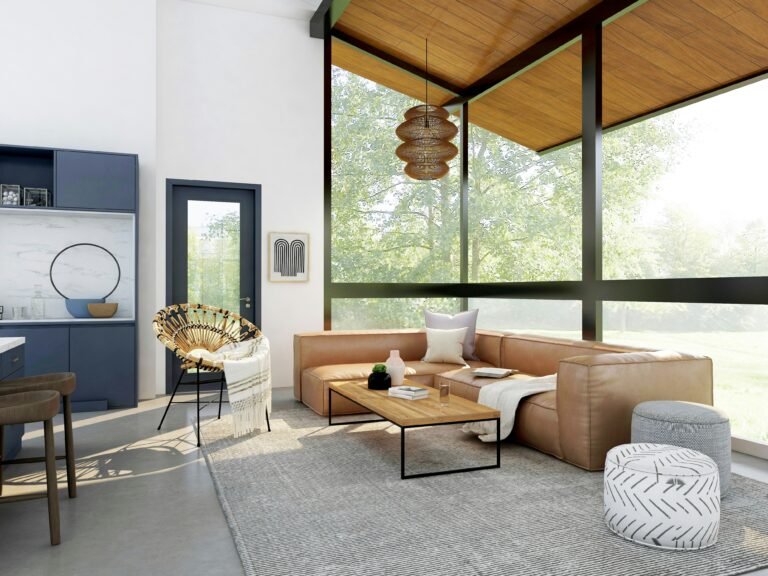
- Plush rugs
- Rounded pillows
- Soft throws
Contrast creates comfort.
Keep Personality in the Room
Minimal doesn’t mean empty.
Books you read. Art you love. Objects with meaning. These details keep a modern room human.
Common Mistakes That Hold Living Rooms Back
Many spaces fail because they chase trends instead of function.
Avoid:
- Too much furniture
- Only one light source
- Ignoring scale
- Decorating every surface
- Constant trend cycling
The best living room ideas feel relaxed, balanced, and lived-in, not staged.
Frequently Asked Questions
What makes a living room feel cozy?
Layered lighting, warm colors, and soft textures make the biggest difference.
How can I update a living room without replacing furniture?
Rearrange the layout, swap pillow covers, add throws, and improve lighting.
Which colors create warmth?
Creamy whites, warm neutrals, soft browns, and muted greens.
How do I improve a small living room?
Use fewer pieces, lighter colors, mirrors, and furniture with visible legs.
What layout works best?
Center seating around one focal point, maintain clear walkways, and balance proportions.
How can a living room feel expensive but comfortable?
Layer textures, invest in lighting, and choose a few intentional statement pieces.
Final Thoughts
The best living room ideas aren’t about perfection. They’re about ease. Flow. Comfort.
Start with how you live. Remove what doesn’t work. Add warmth slowly and intentionally.
Change one thing this week: lighting, layout, or textiles. Small shifts compound faster than you expect.
That’s how a living room becomes a place you actually want to be.