Designers Are Moving Away from Minimalist, All-White Kitchens and Open-Plan Layouts: What’s Replacing Them in 2026
White kitchens once defined modern homes. Clean lines. Bright surfaces. A sense of perfection.
That look dominated design for years.
Now, the shift is clear. Designers are moving away from minimalist, all-white kitchens and open-plan layouts as homeowners increasingly prioritize comfort, function, and real-world usability.
Spaces are no longer built to impress. They need to support daily routines, reduce stress, and feel lived-in.
This change isn’t sudden. It reflects how people use their homes today.
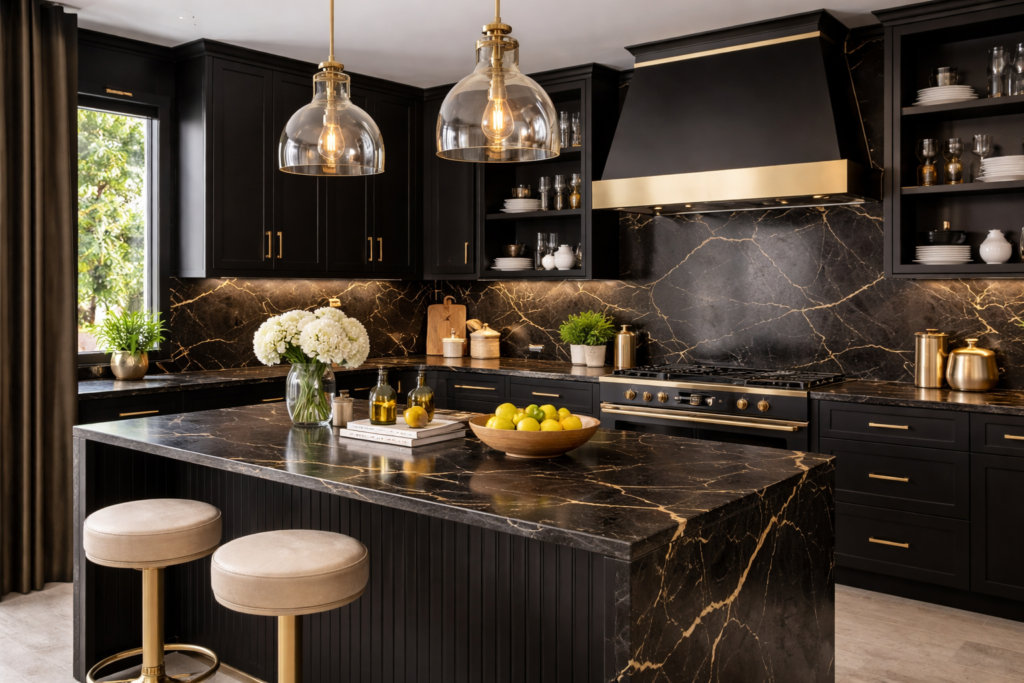
Watch also High End Kitchen Designs
Why Designers Are Moving Away from Minimalist, All-White Kitchens and Open-Plan Layouts
Minimalist design solved one problem. It removed clutter.
But it created new ones.
Homes began to feel flat. Cold. Hard to maintain.
An all-white kitchen looks clean in photos. In real life, it demands constant effort. Every stain shows. Every surface needs attention.
Open-plan layouts brought flexibility, but they also removed boundaries. Noise travels. Cooking smells spread. Mess stays visible.
That’s why designers are moving away from minimalist, all-white kitchens and open-plan layouts and shifting toward spaces that balance beauty with function.
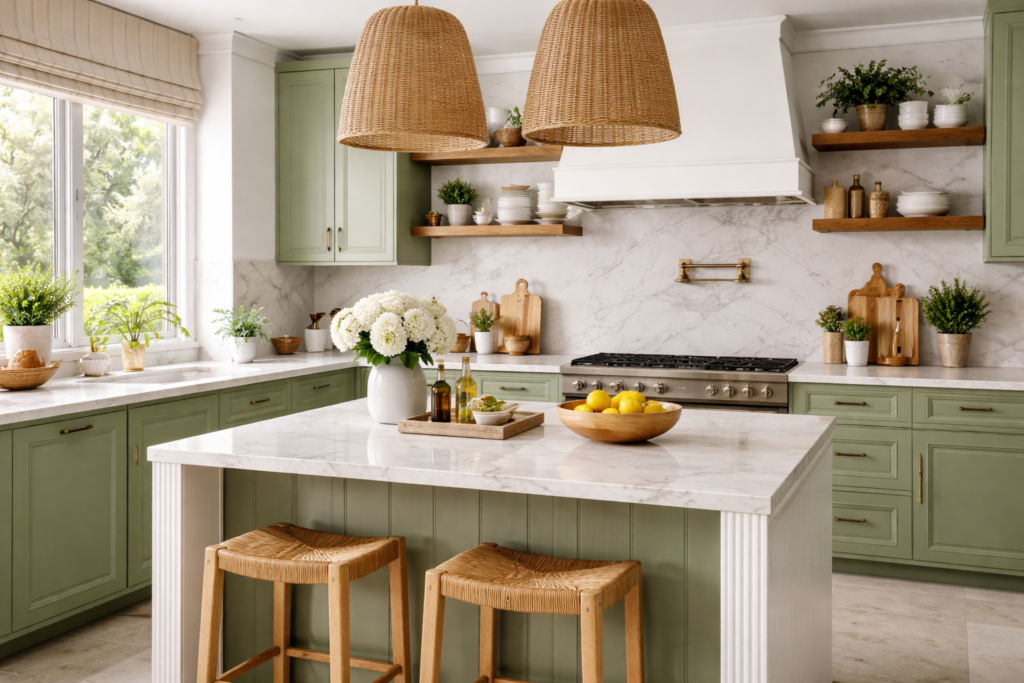
Why All-White Kitchens Are Losing Appeal
They Lack Warmth
Too much white removes contrast. Without variation, the space feels empty rather than calm.
Warm tones create comfort. White alone cannot.
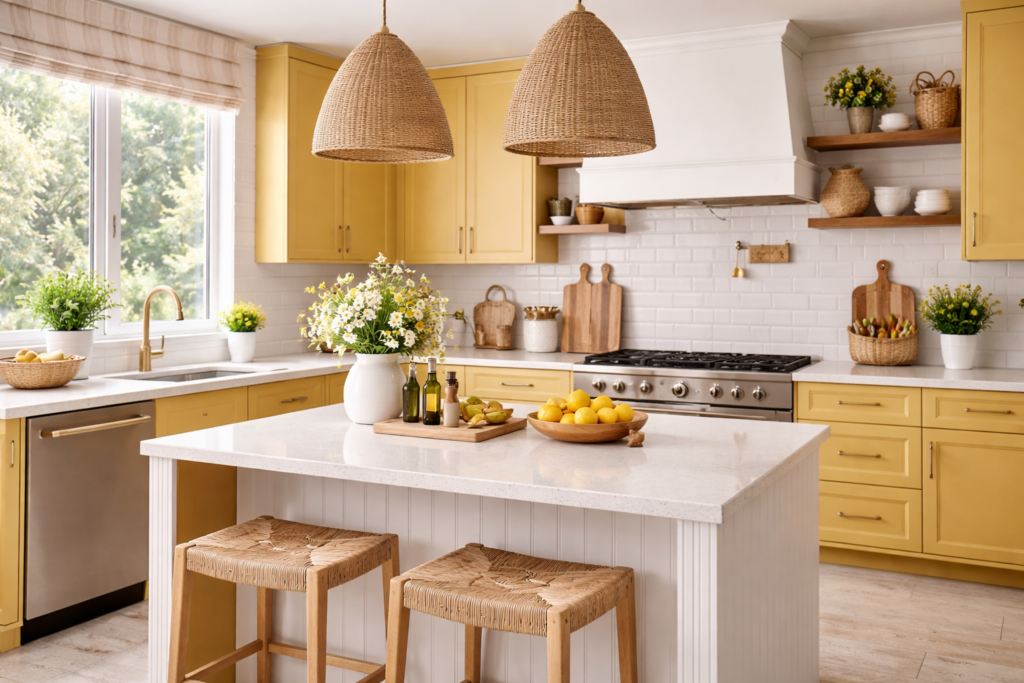
Maintenance Is High
White surfaces show everything. Scratches. Spills. Fingerprints.
Daily use becomes a constant cleaning cycle.
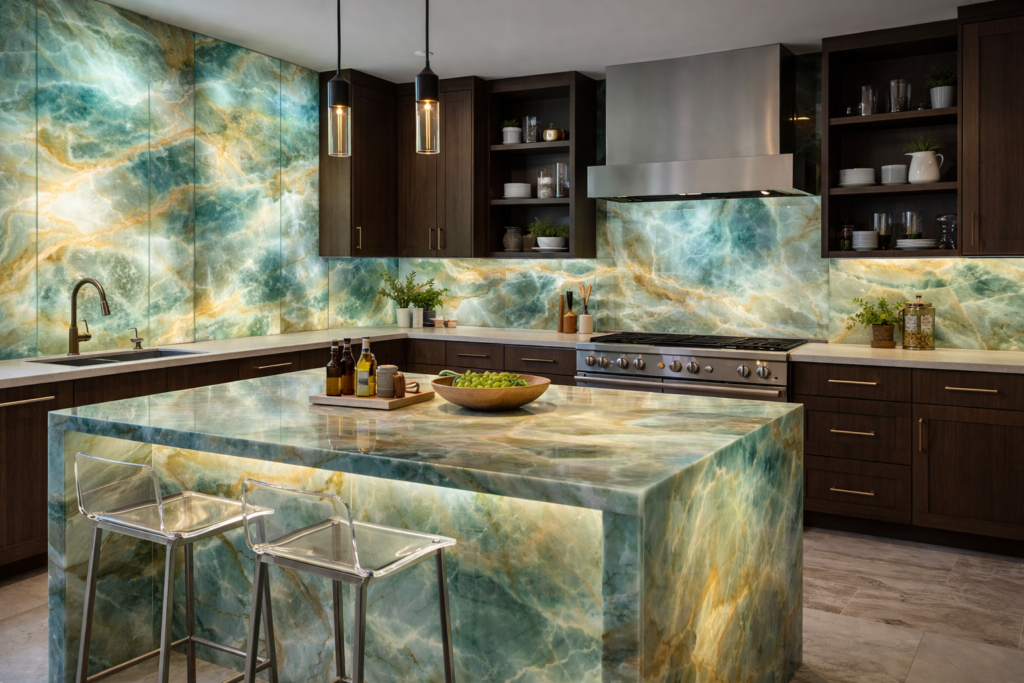
The Look Feels Overused
What once felt modern now feels expected.
Homeowners want something that reflects personality, not repetition.
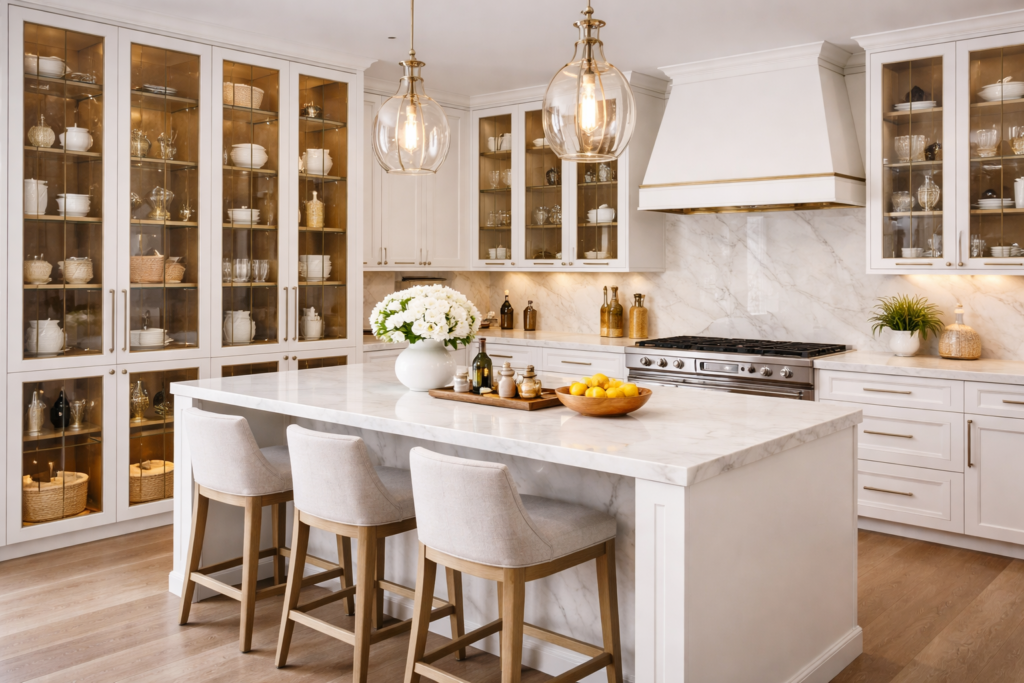
Storage Often Gets Compromised
Minimalist kitchens hide clutter by reducing visible storage.
In reality, that limits functionality.
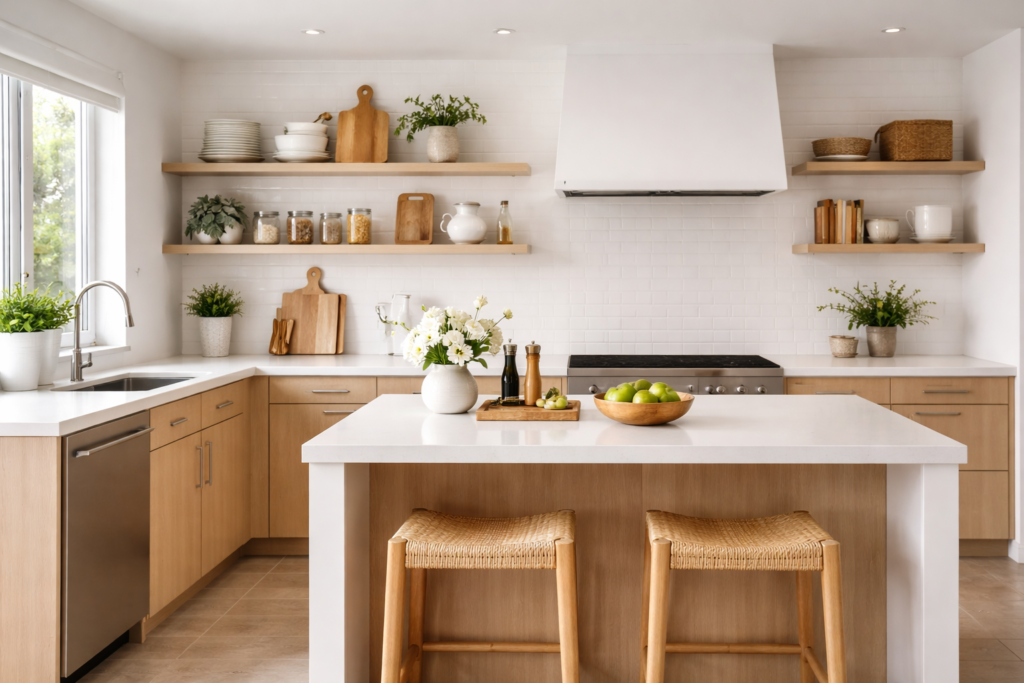
Why Open-Plan Layouts Are No Longer the Default
Noise Becomes a Problem
Cooking, calls, TV, and conversations overlap.
The lack of separation makes it hard to focus.
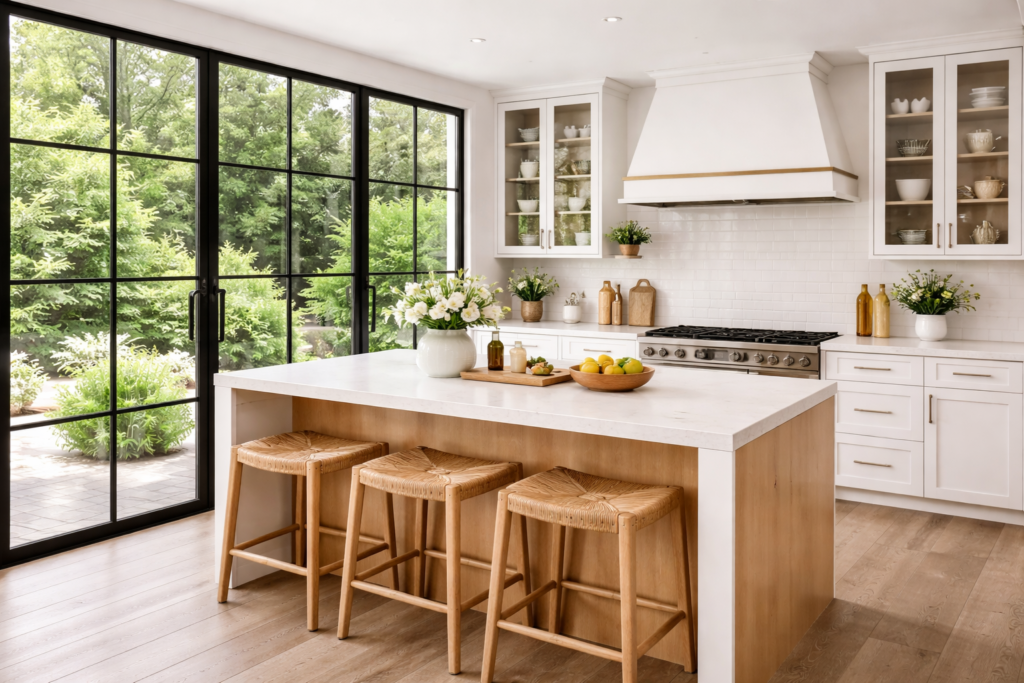
No Visual Privacy
Everything stays in view. Even small messes feel overwhelming.
There’s no space to step away.
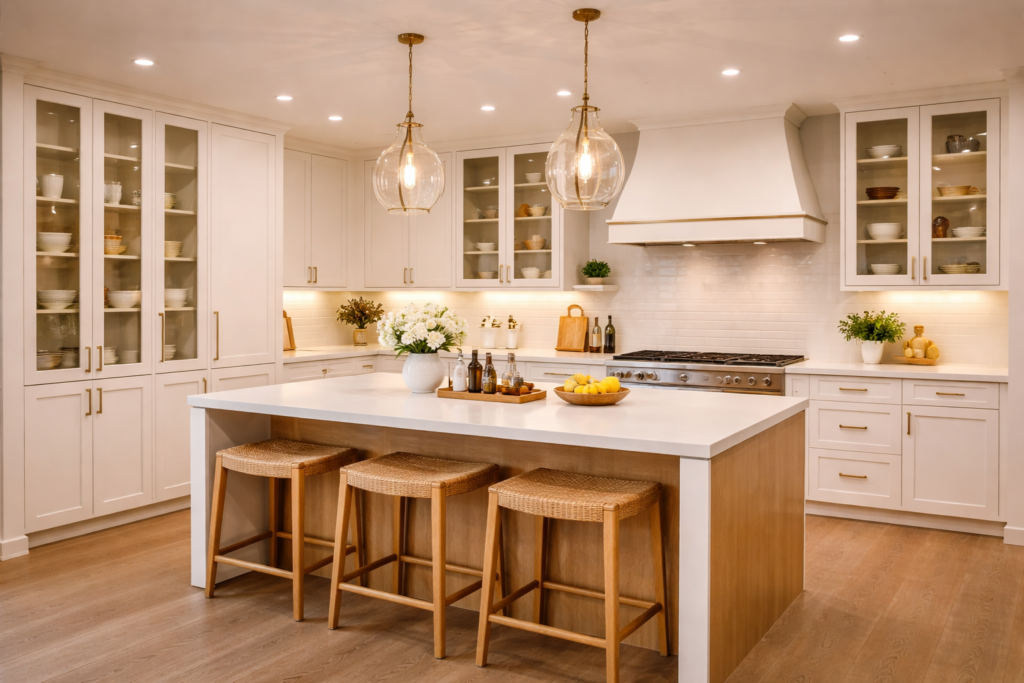
Multi-Use Living Changed Needs
Homes now serve more purposes.
People work, cook, relax, and socialize in the same place. Open layouts struggle to support that without structure.
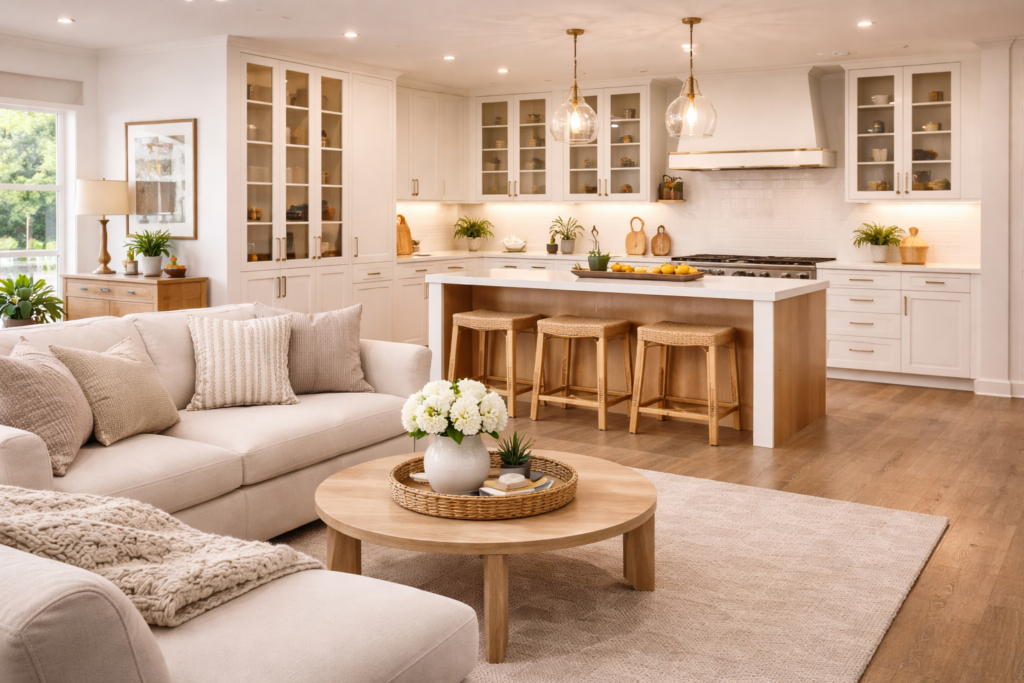
7 Reasons This Design Shift Is Growing
- Spaces feel less inviting
- Personality is missing
- Function takes a back seat
- Remote work changed home needs
- Maintenance is too demanding
- Trends feel repetitive
- Natural materials offer better comfort
These factors explain why designers are moving away from minimalist, all-white kitchens and open-plan layouts and adopting more adaptable design styles.
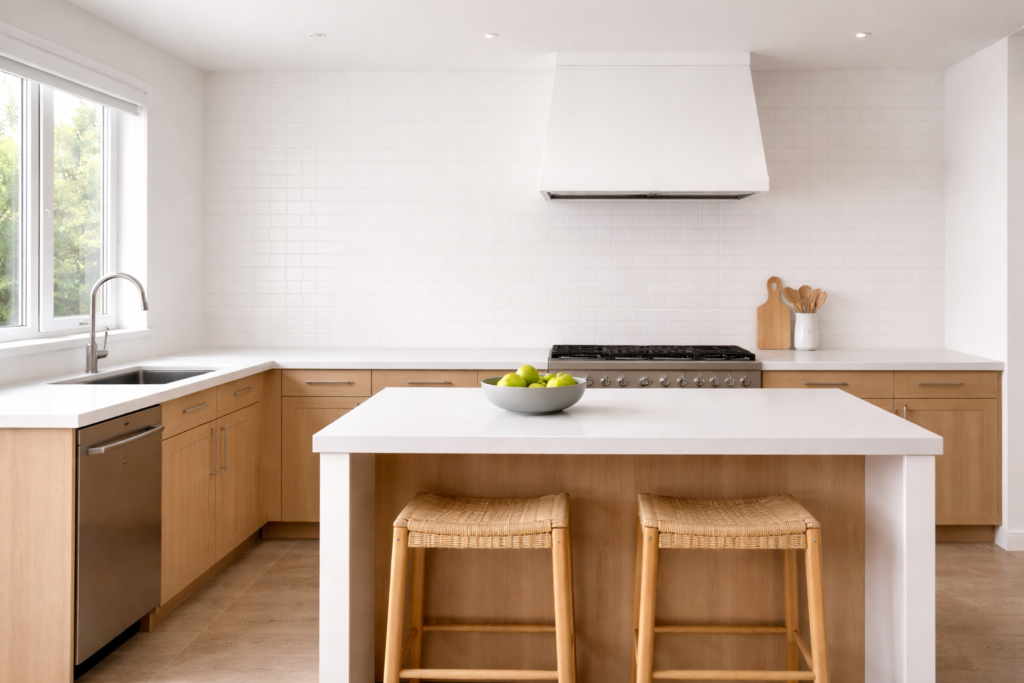
Kitchen Design Trends 2026: What Is Replacing All-White Kitchens
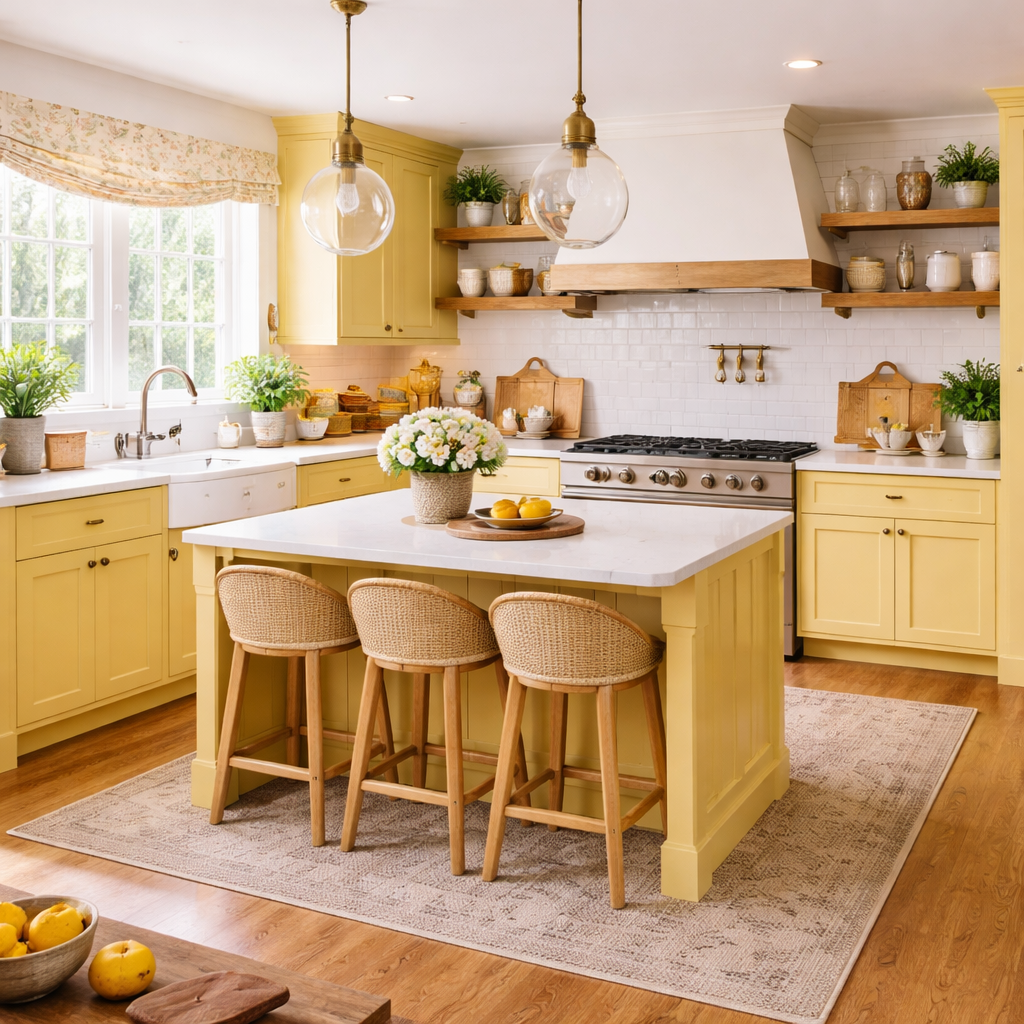
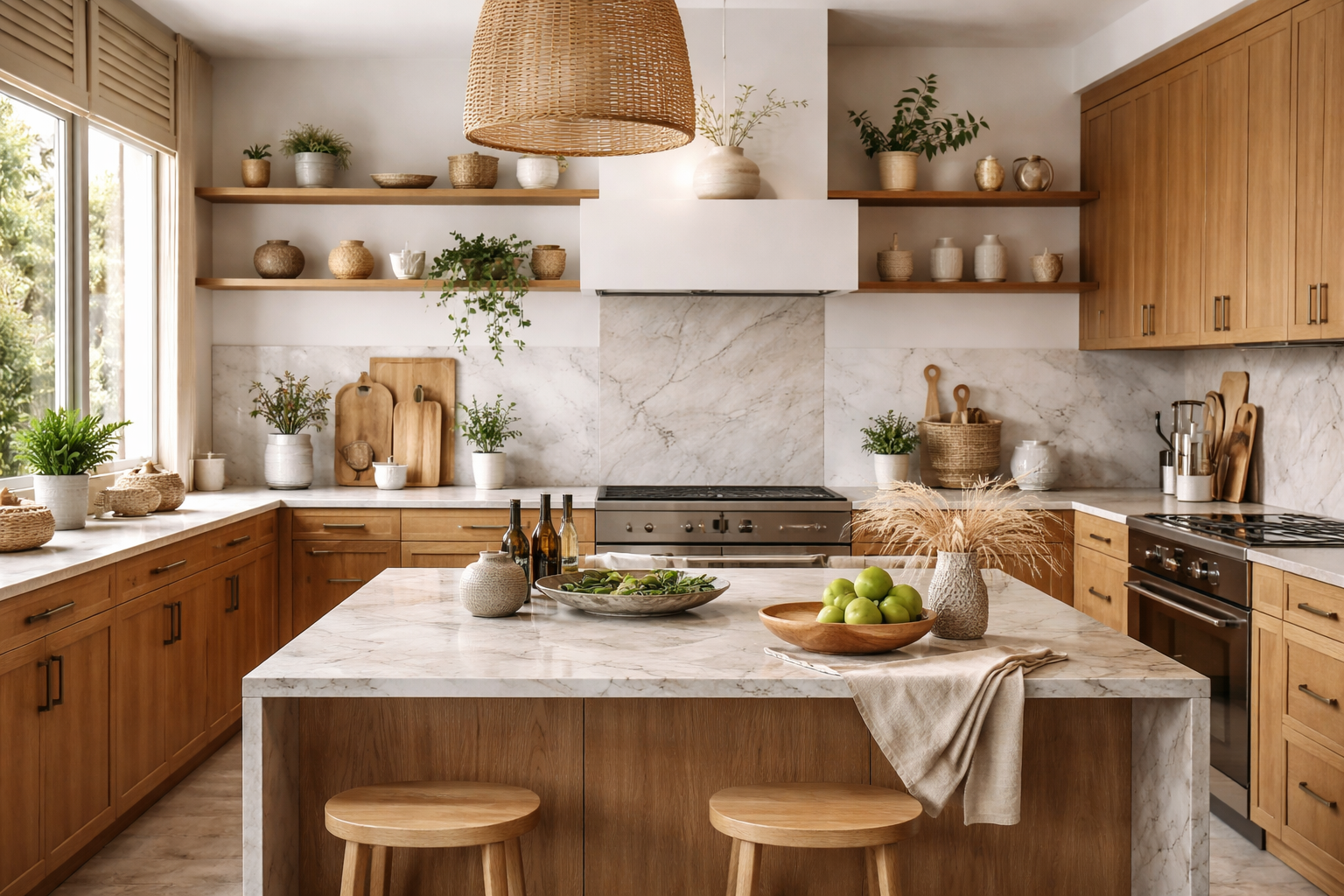
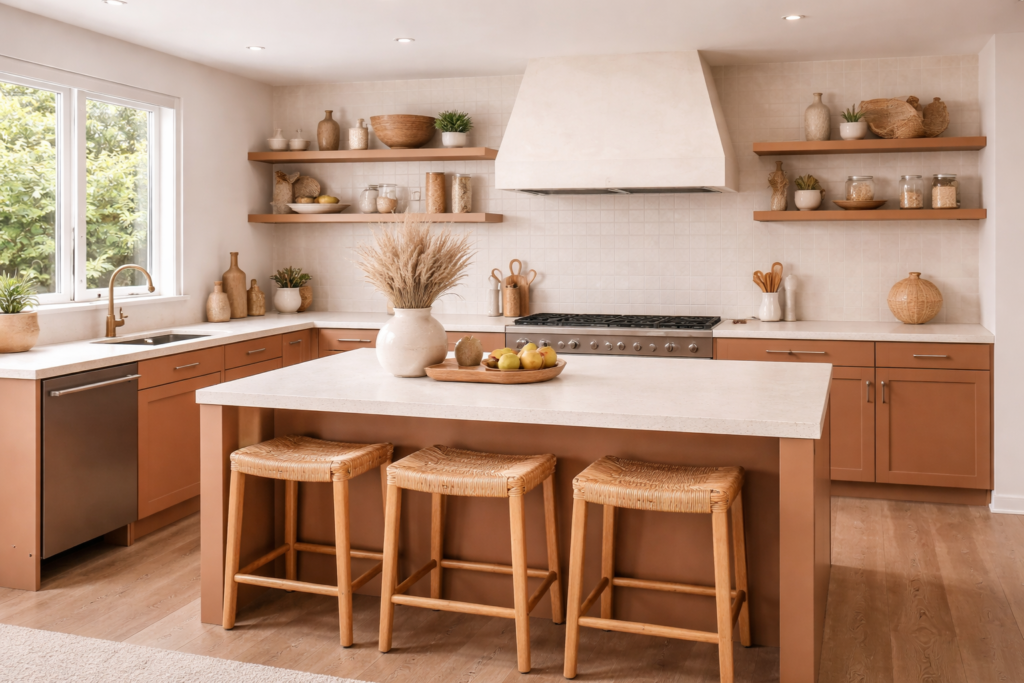
Warm, Grounded Color Palettes
Neutral tones still exist, but they feel softer now.
Beige, taupe, muted green, and clay shades create depth without overwhelming the space.
These colors age better and require less maintenance.
Natural Materials Take Priority
Wood, stone, and textured surfaces bring balance.
They add variation without making the design feel busy.
This shift also connects with sustainability trends.
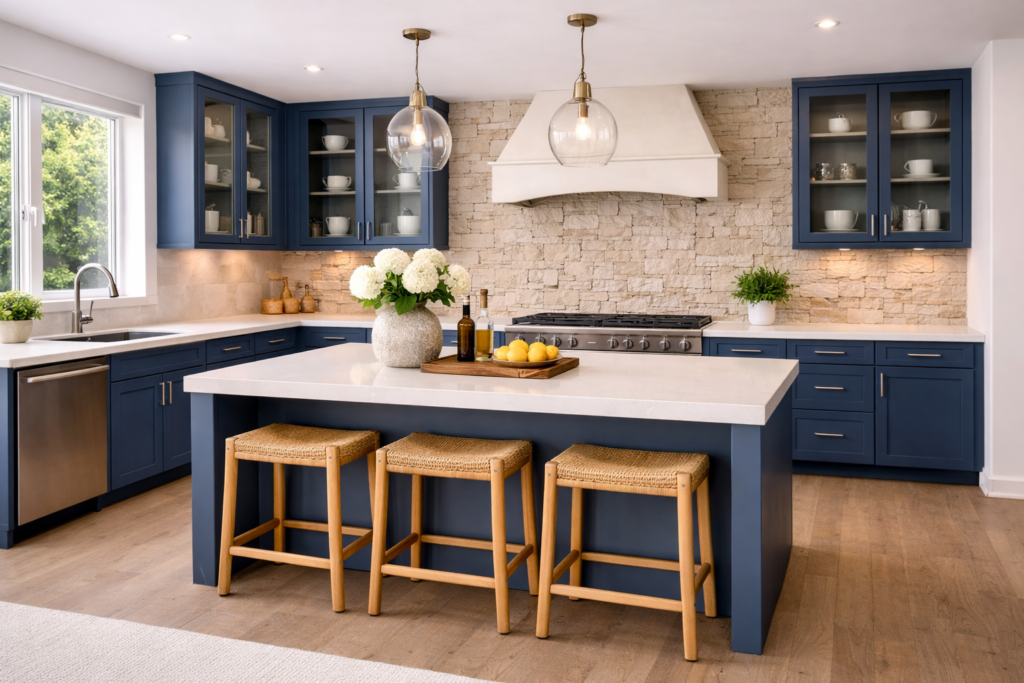
Layered Design Over Flat Surfaces
Instead of one-tone kitchens, designers now combine finishes.
Matte cabinets, textured backsplashes, and mixed metals create visual interest.
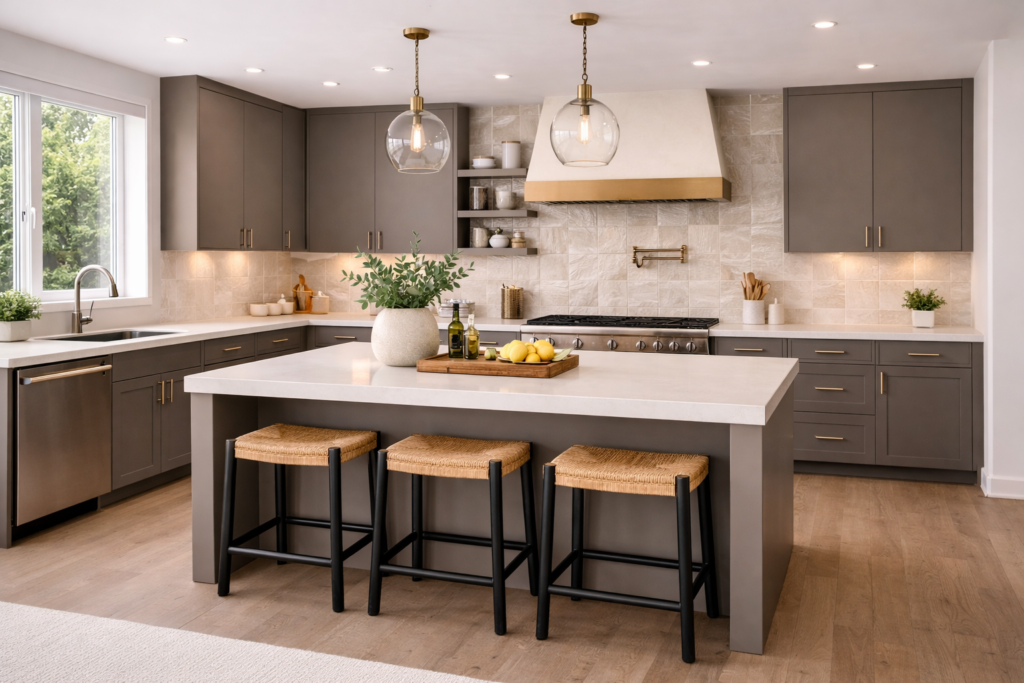
Statement Elements That Add Character
Lighting, cabinet handles, and feature walls now stand out.
Not everything needs to blend in anymore.
Best Kitchen Styles Replacing Minimalism in 2026
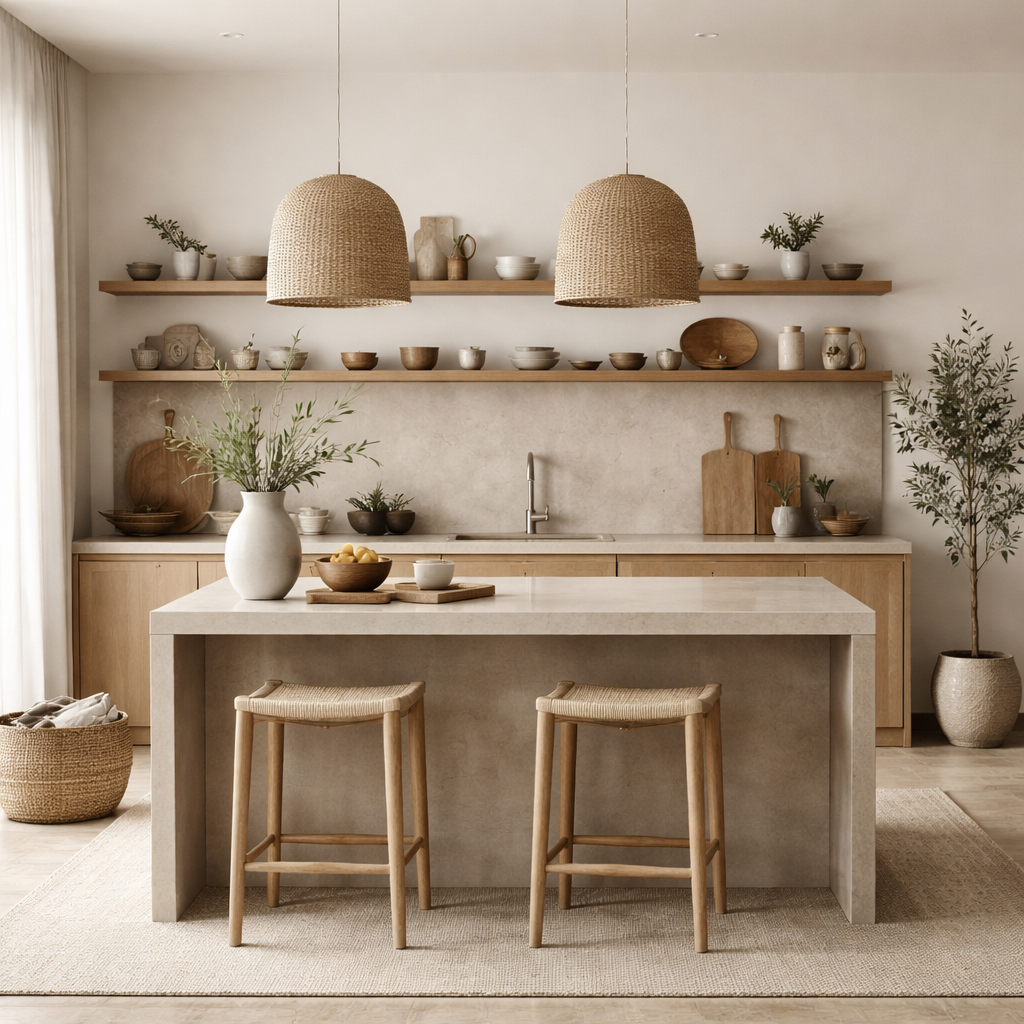
Japandi Style
A mix of Japanese simplicity and Scandinavian warmth.
Clean, but not cold.
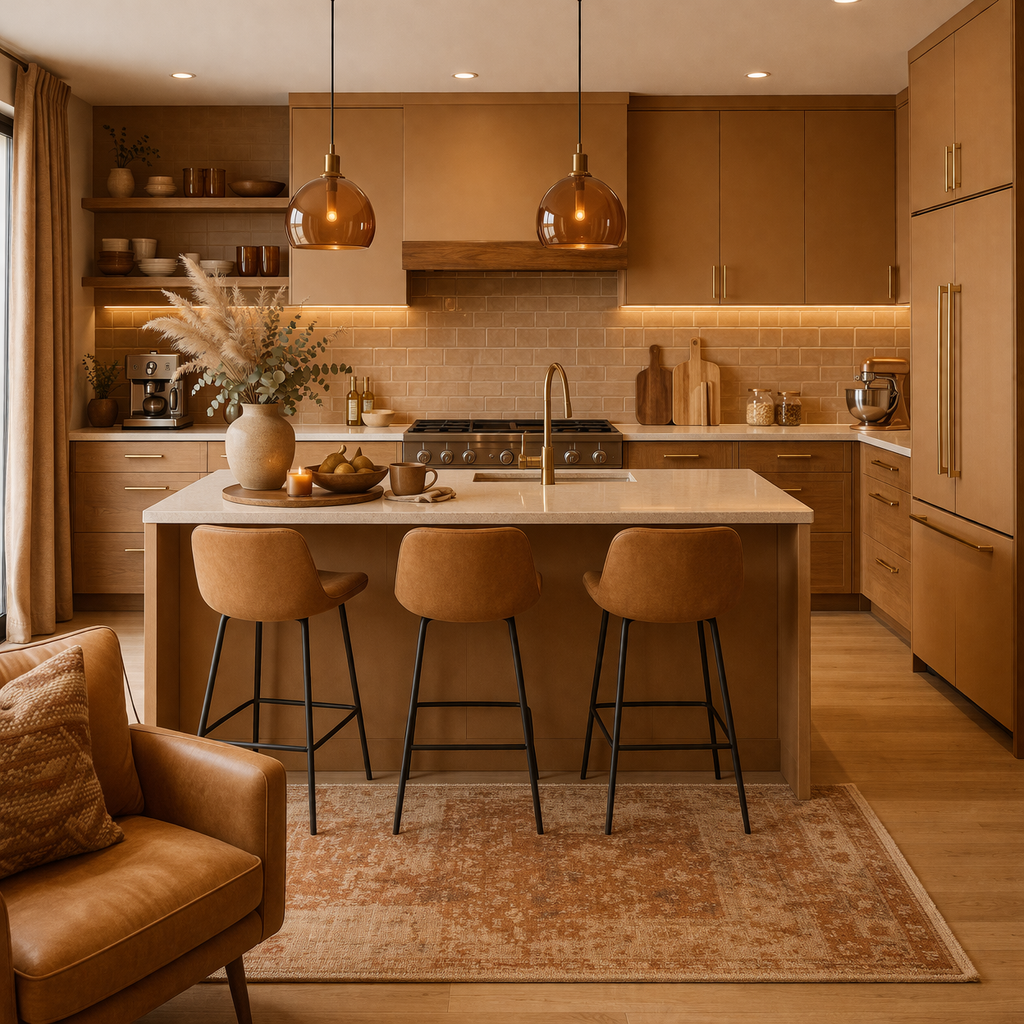
Warm Modern Kitchens
Soft tones, wood finishes, and subtle contrast.
Designed for comfort and everyday use.
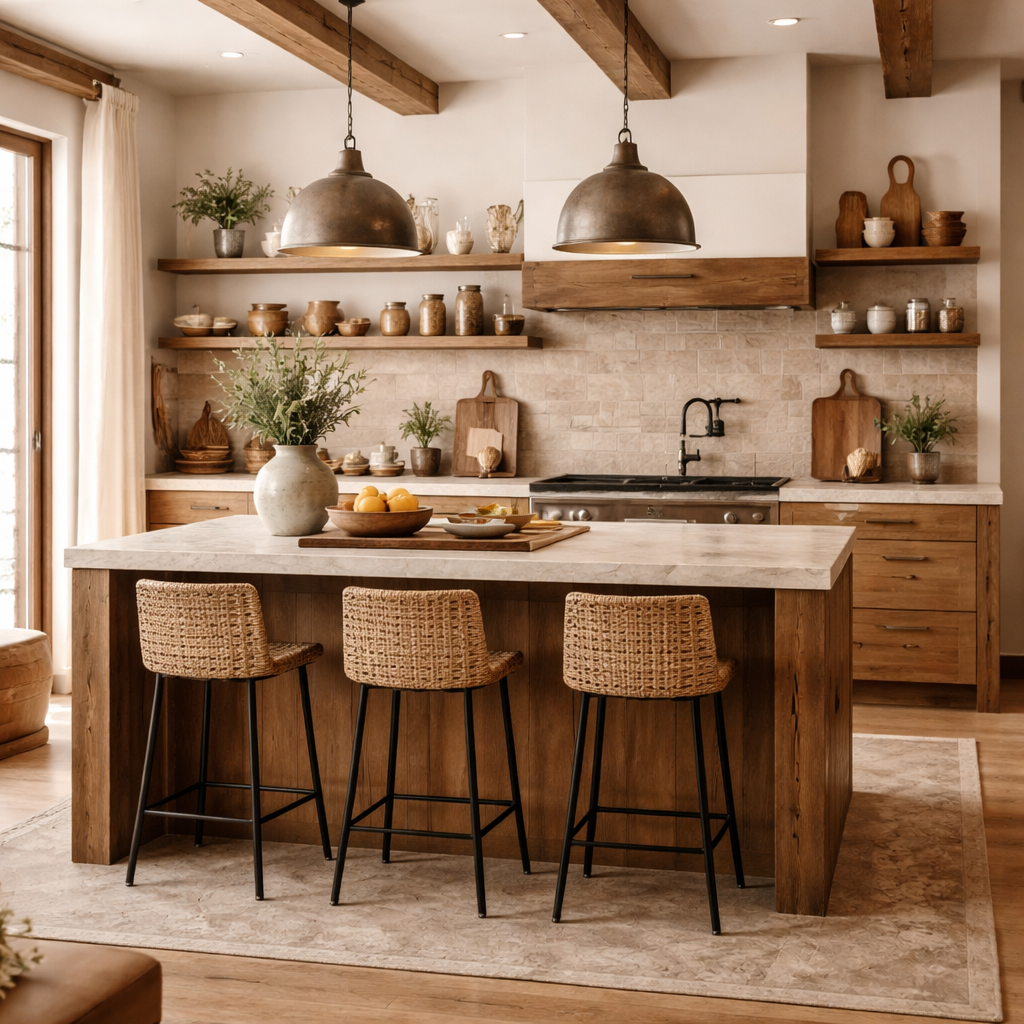
Rustic Modern
Natural textures combined with modern layouts.
Feels grounded and practical.
Transitional Kitchens
A blend of classic and modern elements.
Flexible and timeless.
These styles show how designers are moving away from minimalist, all-white kitchens and open-plan layouts toward more balanced environments.
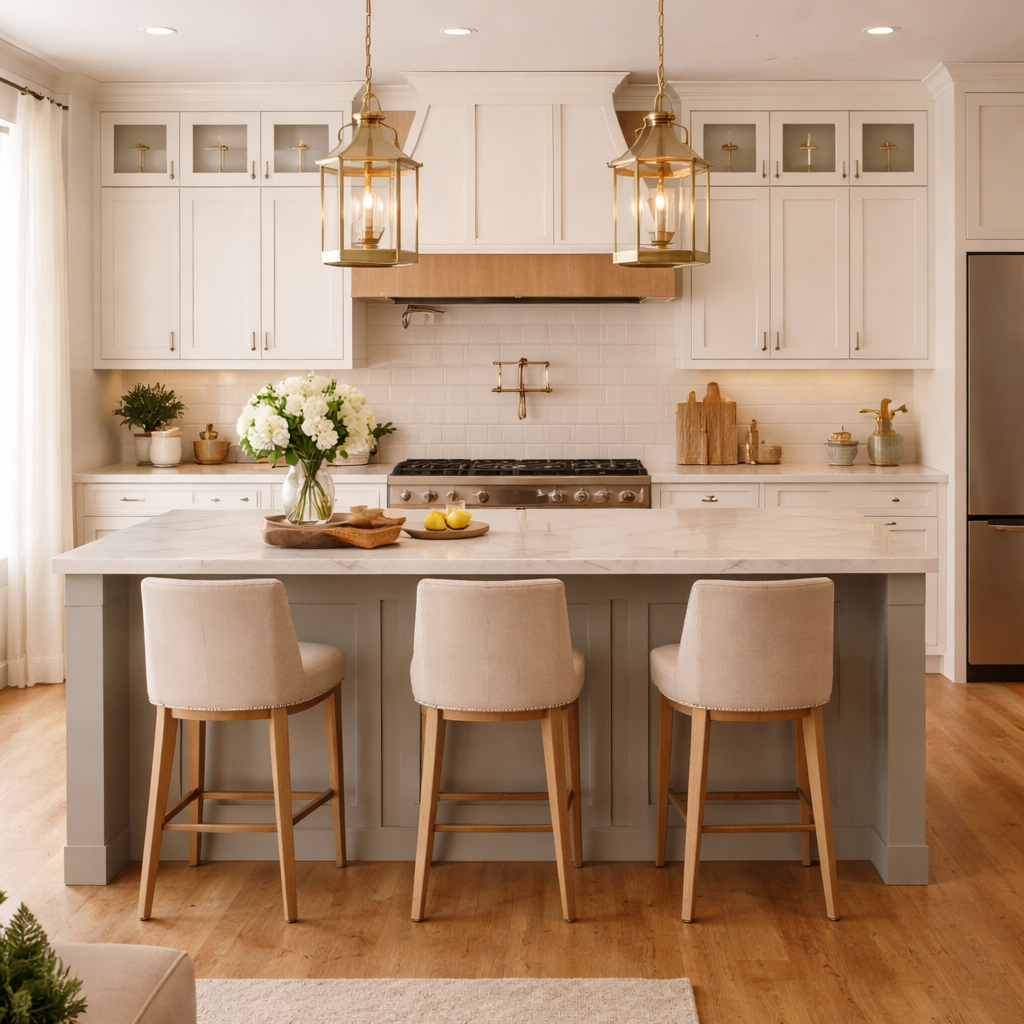
Open-Plan Layout Alternatives That Work Better
Semi-Open Layouts
Spaces stay connected but include partial separation.
This improves flow without losing structure.
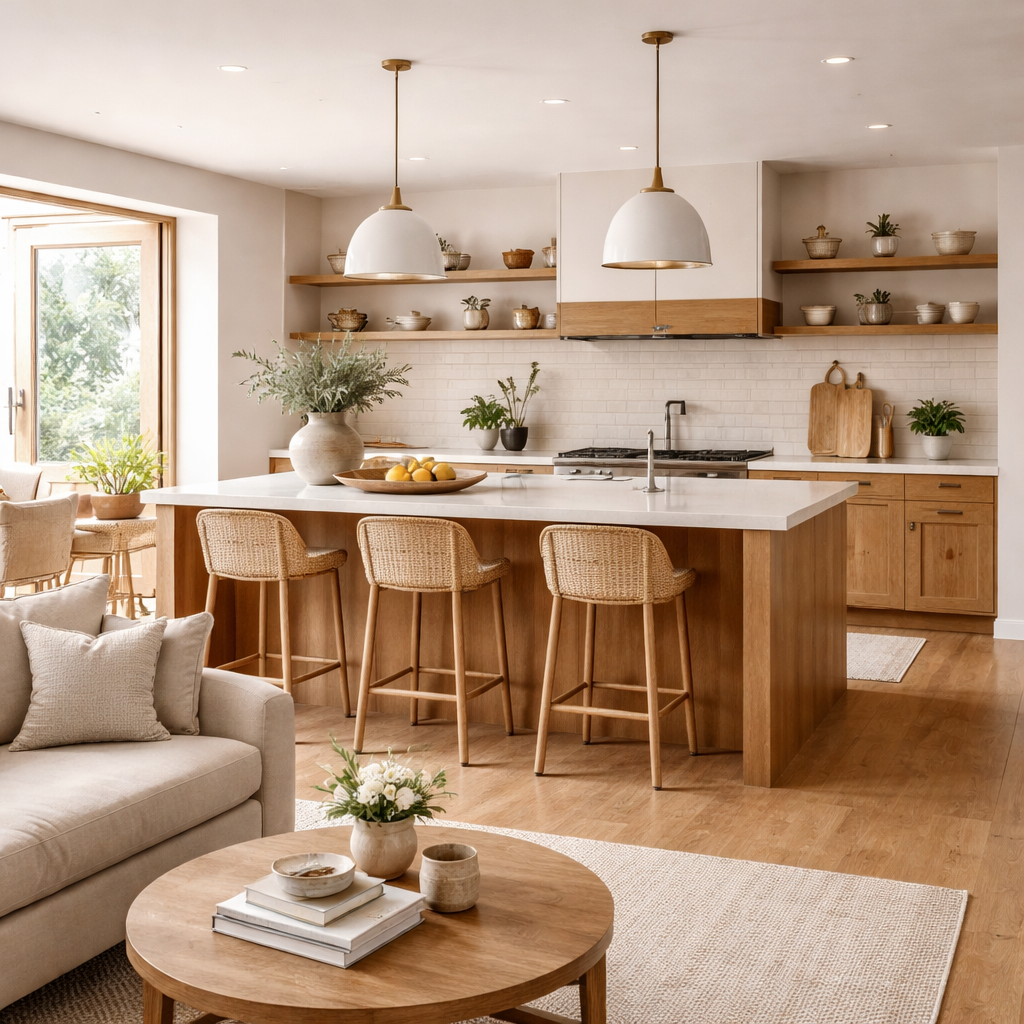
Zoned Interiors
Different areas serve clear purposes.
Cooking, dining, and working each have defined zones.
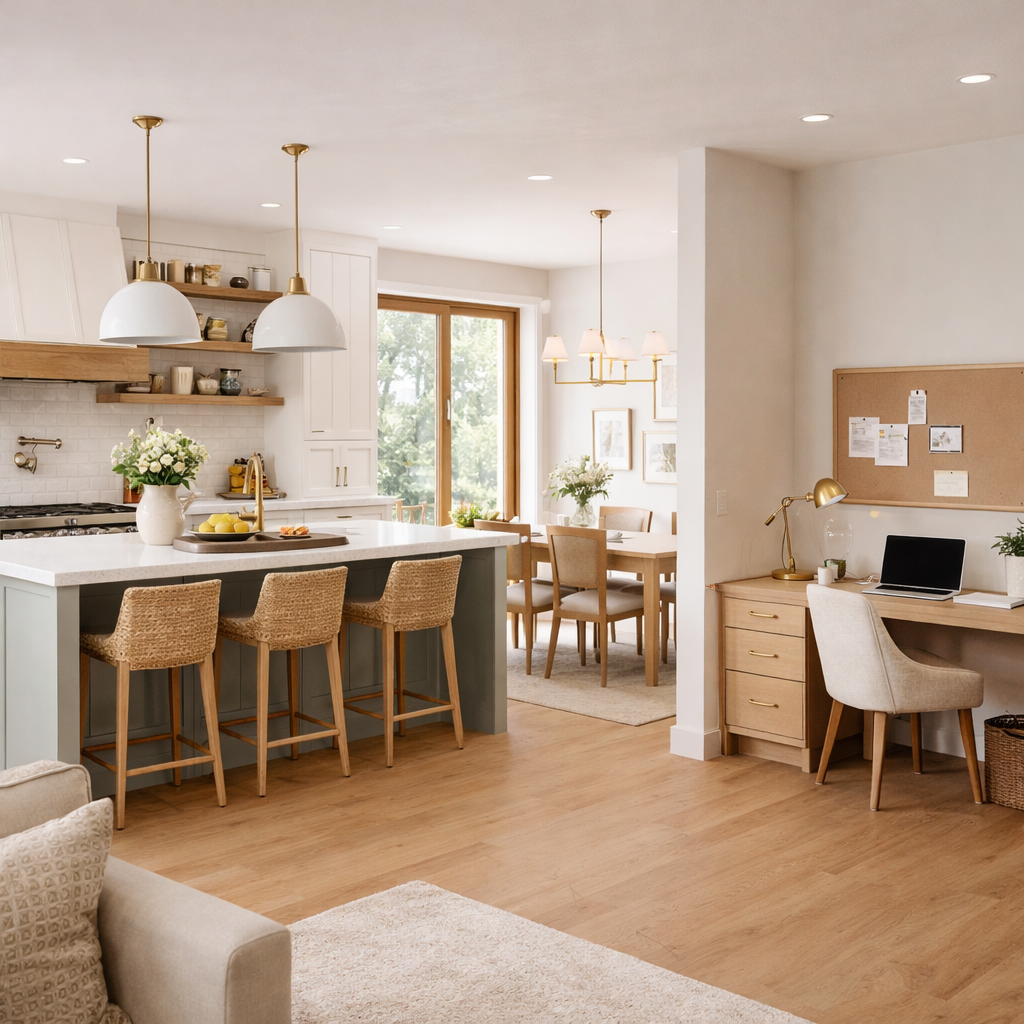
Broken-Plan Design
This approach keeps openness while adding subtle divisions like partitions, shelving, or glass panels.
It solves noise and privacy issues without closing off the space.
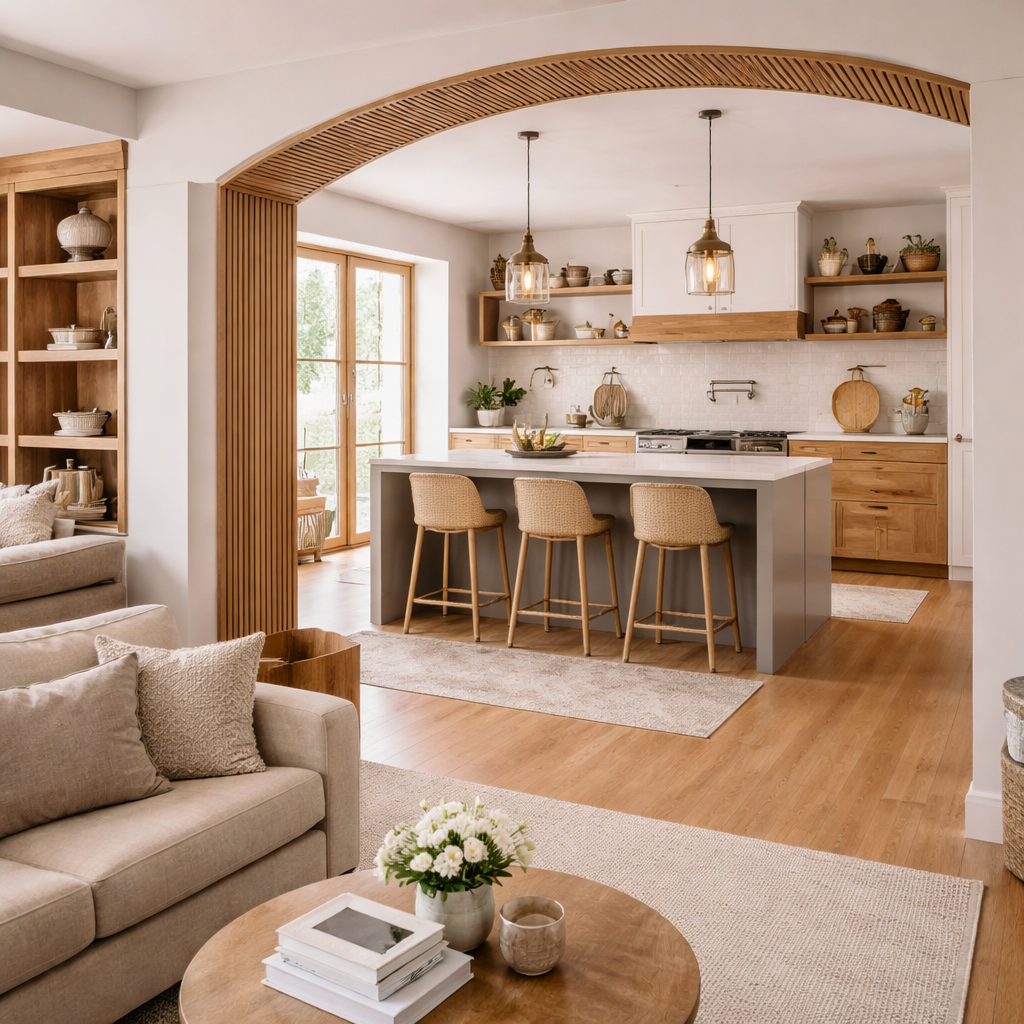
Why This Shift Matters for Real Homes
Design is no longer about perfection.
It’s about usability.
Families need storage. Workers need quiet. Daily life creates a mess.
A design that looks perfect but fails under real conditions does not last.
This shift supports how people actually live:
- Kids moving around
- Work calls during the day
- Shared spaces with different needs
Comfort is becoming more valuable than visual simplicity.
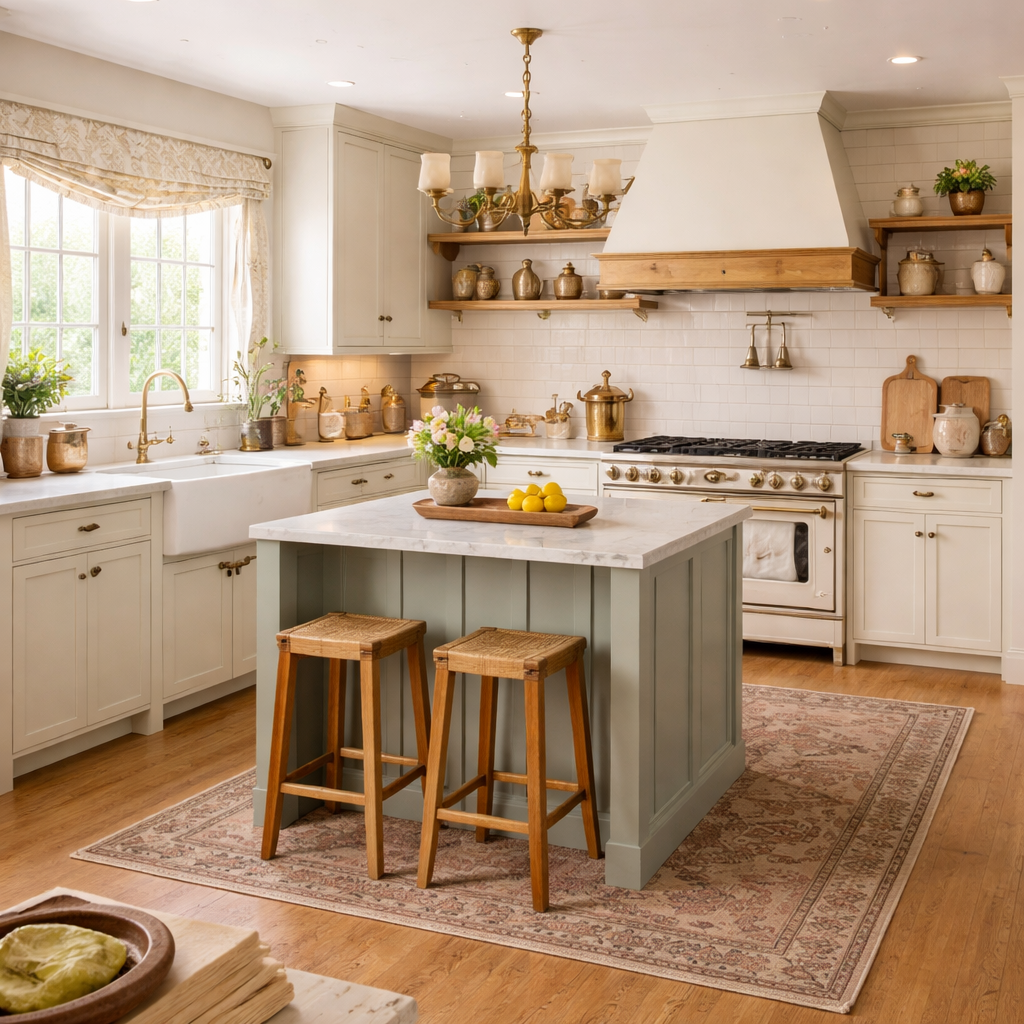
Modern Kitchen Ideas That Improve Daily Living
Add Texture
Flat surfaces feel lifeless.
Wood grain, stone finishes, and tiles add depth.
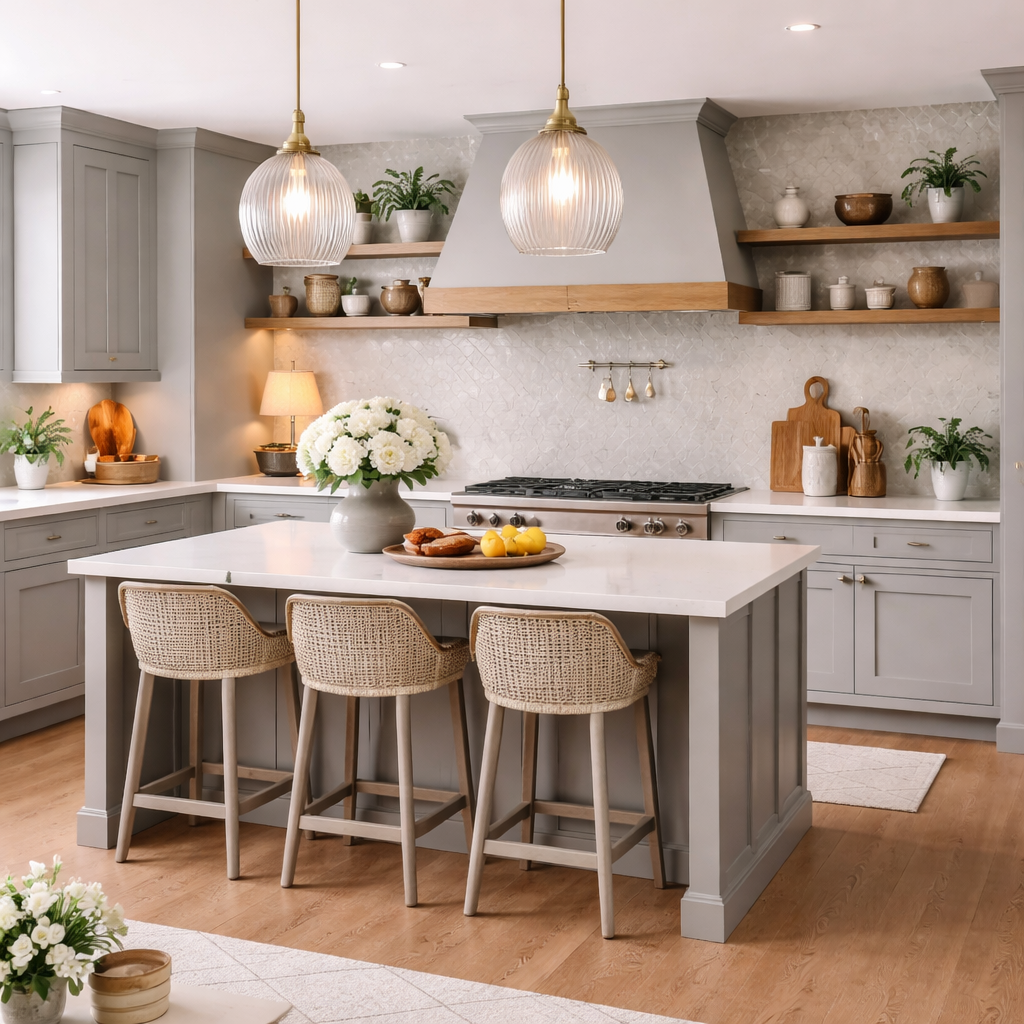
Use mixed tones.
Start with a neutral base.
Add warmth through cabinets, lighting, or décor.
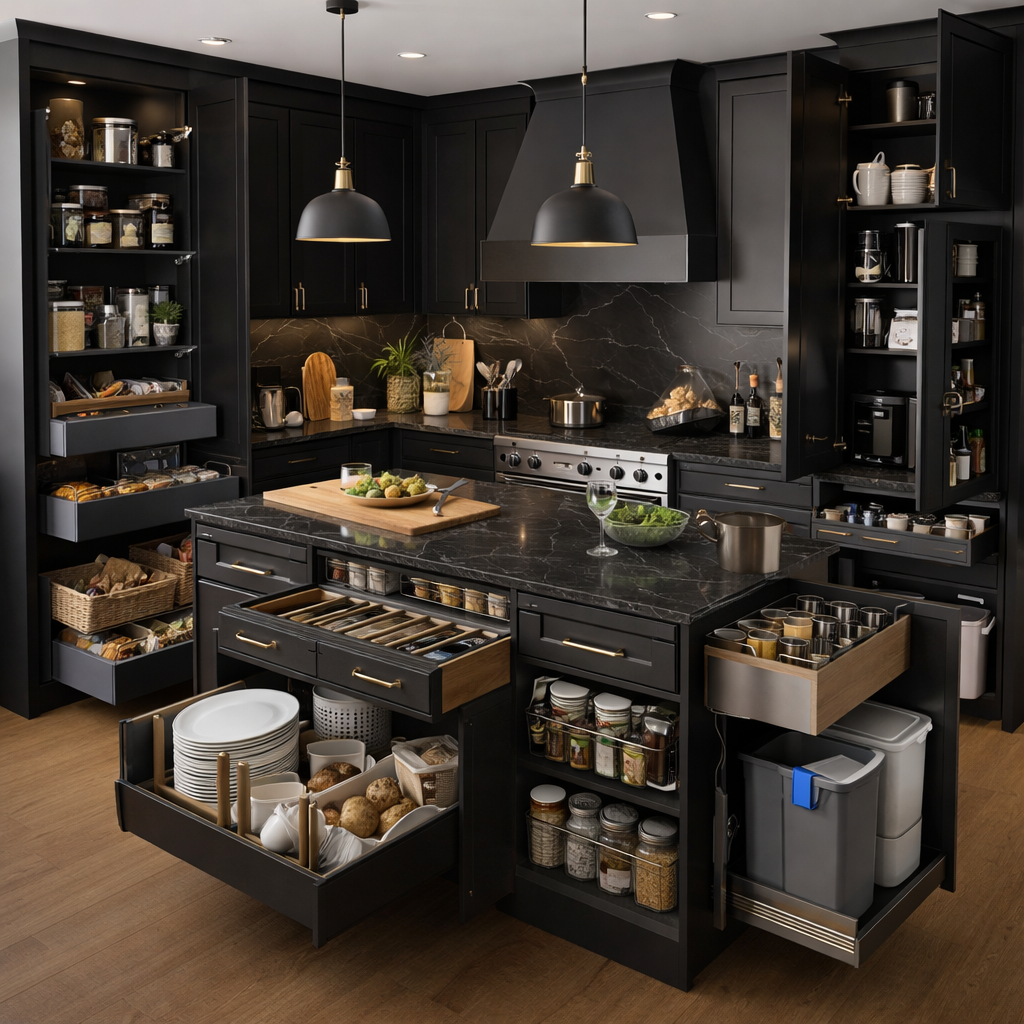
Focus on Smart Storage
Hidden storage should still be accessible.
Function matters more than appearance.
See more on kitchen layout trends.
Improve Lighting
Layered lighting creates comfort.
Warm light makes spaces feel inviting.
Minimalist vs Cozy Modern Kitchens
| Feature | Minimalist Kitchen | Cozy Modern Kitchen |
| Look | Clean but flat | Warm and layered |
| Maintenance | High | Easier to manage |
| Storage | Limited | Practical |
| Daily Use | Less flexible | Highly functional |
| Comfort | Low | High |
| Resale Appeal | Moderate | Strong |
Most homeowners now prefer balance instead of extremes.
Who Should Rethink This Trend Shift
Not every home needs a full transformation.
You may keep elements of minimalism if:
- You have a very small space
- You prefer low visual variation
- Your kitchen is rarely used
But even in these cases, adding warmth improves usability.
Kitchen Design Mistakes to Avoid in 2026
Following Trends Without Context
What works online may not suit your lifestyle.
Ignoring Storage Needs
A clean look should not reduce function.
Overusing One Color
Balance matters more than simplicity.
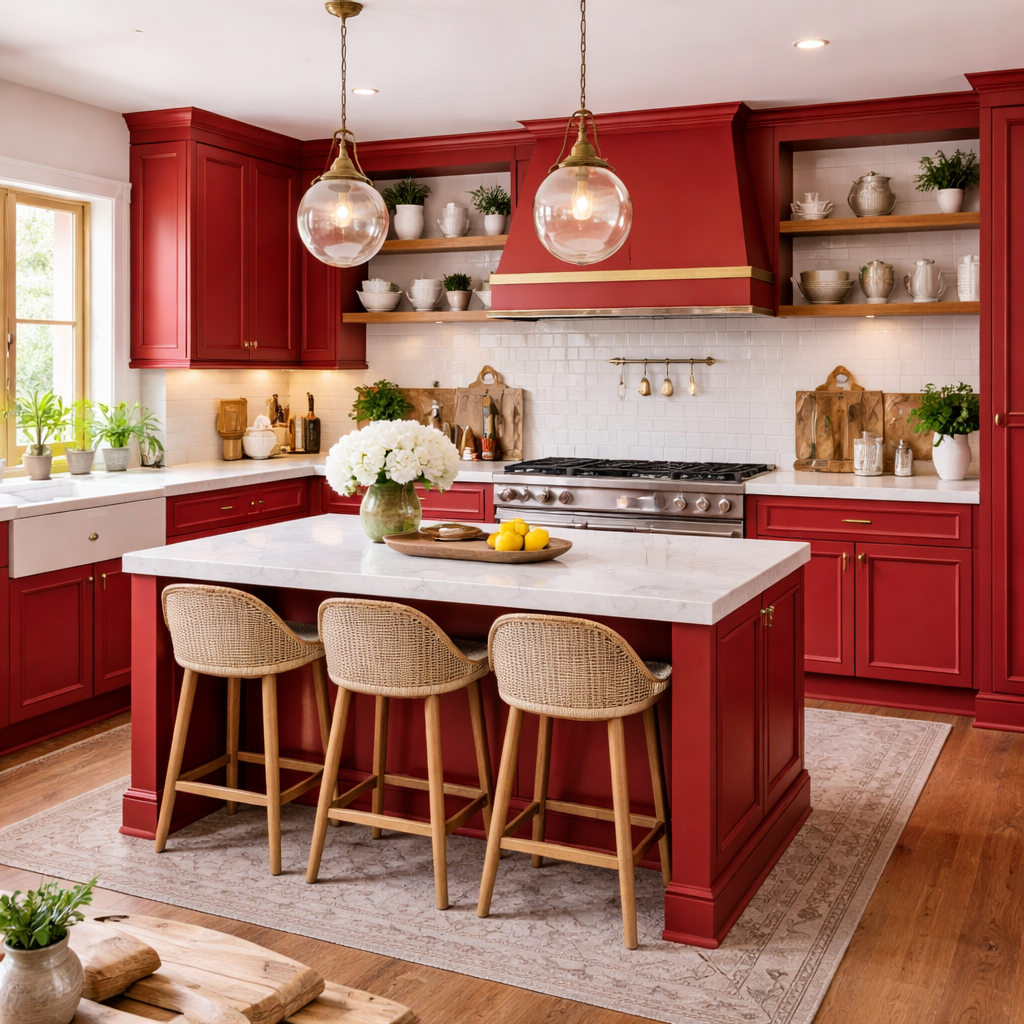
Choosing Style Over Comfort
If a space feels difficult to use, it won’t last.
How to Update Your Kitchen Without a Full Renovation
You don’t need to rebuild everything.
Small changes can shift the entire look.
- Change cabinet finishes to warmer tones
- Replace cool lighting with warm lighting
- Add wood or stone elements
- Upgrade handles and fixtures
- Introduce simple décor
These updates align with the direction designers are taking.