Living Room Furniture
Living Room Furniture: How to Choose Stylish, Comfortable, and Functional Pieces
Living room furniture includes the main pieces used for seating, storage, display, and entertainment in a shared space. Most rooms center around a sofa, chairs, tables, and a media unit. The goal is simple: comfort, function, and a layout that works every day.
Whether you are furnishing a new home or replacing old pieces, choosing the right living room furniture affects how the room looks, feels, and flows.
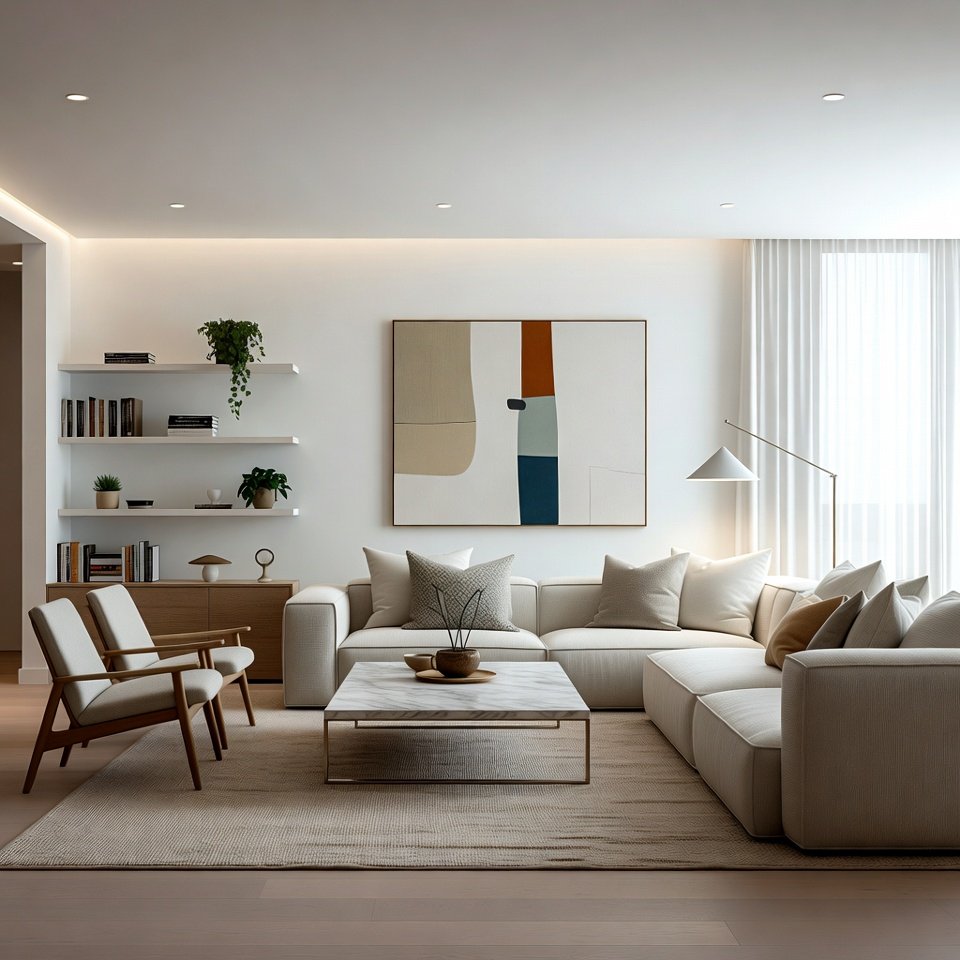
Watch also Cozy Living Room Ideas
Essential Living Room Furniture Pieces Checklist
Most functional living rooms include these core items:
- Sofa or sectional sofa
- Loveseat or accent chairs
- Coffee table or ottoman
- Side tables or a console table
- TV stand or media cabinet
- Storage furniture, such as shelves or cabinets
- Lighting (floor or table lamps)
Large rooms may also include recliners, benches, or extra seating. Smaller homes often rely on multifunctional pieces like storage ottomans.
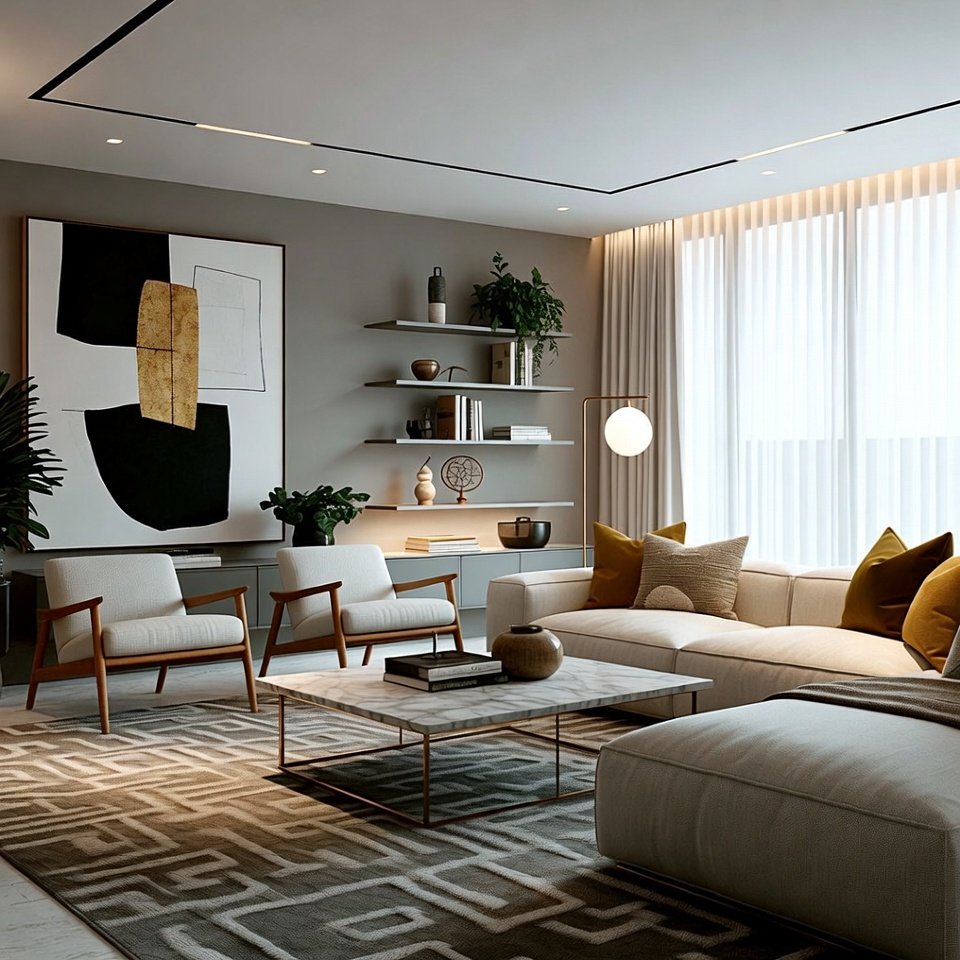
Choose the Right Sofa or Sectional
The sofa anchors all living room furniture layout decisions. Size, depth, and shape matter more than style alone.
Sectional Sofas for Families and Open Spaces
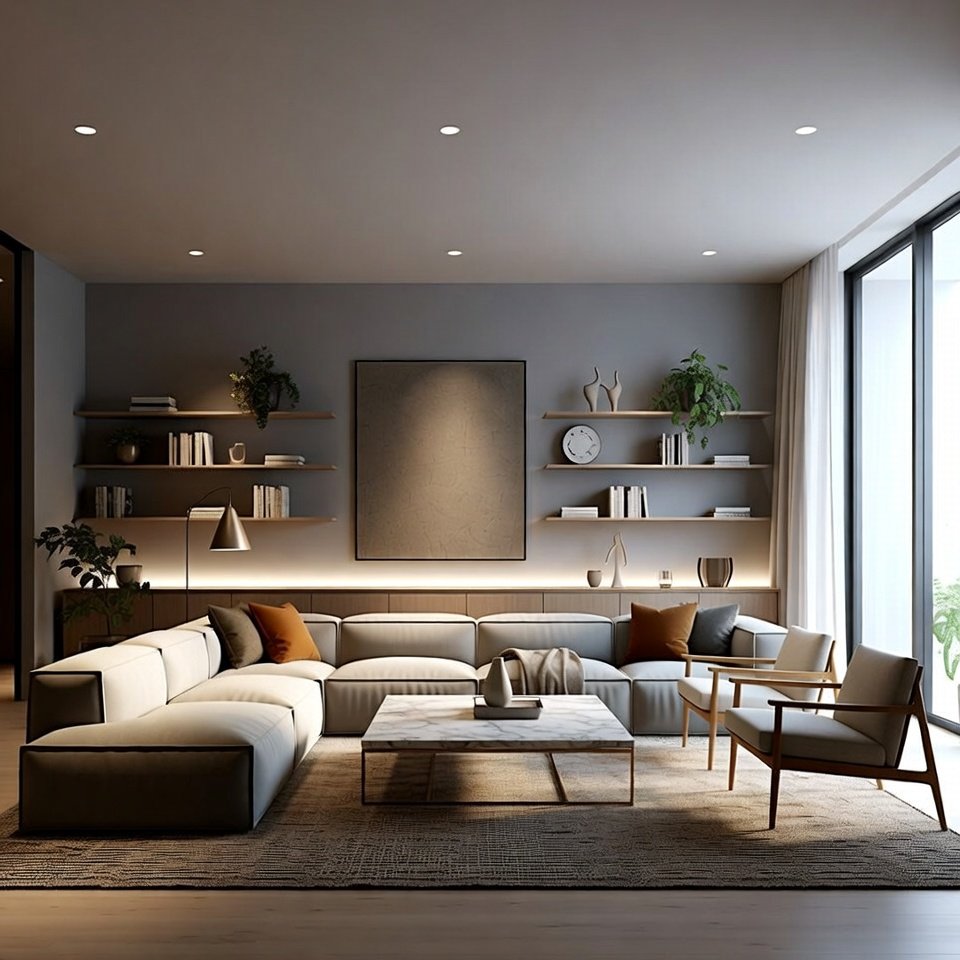
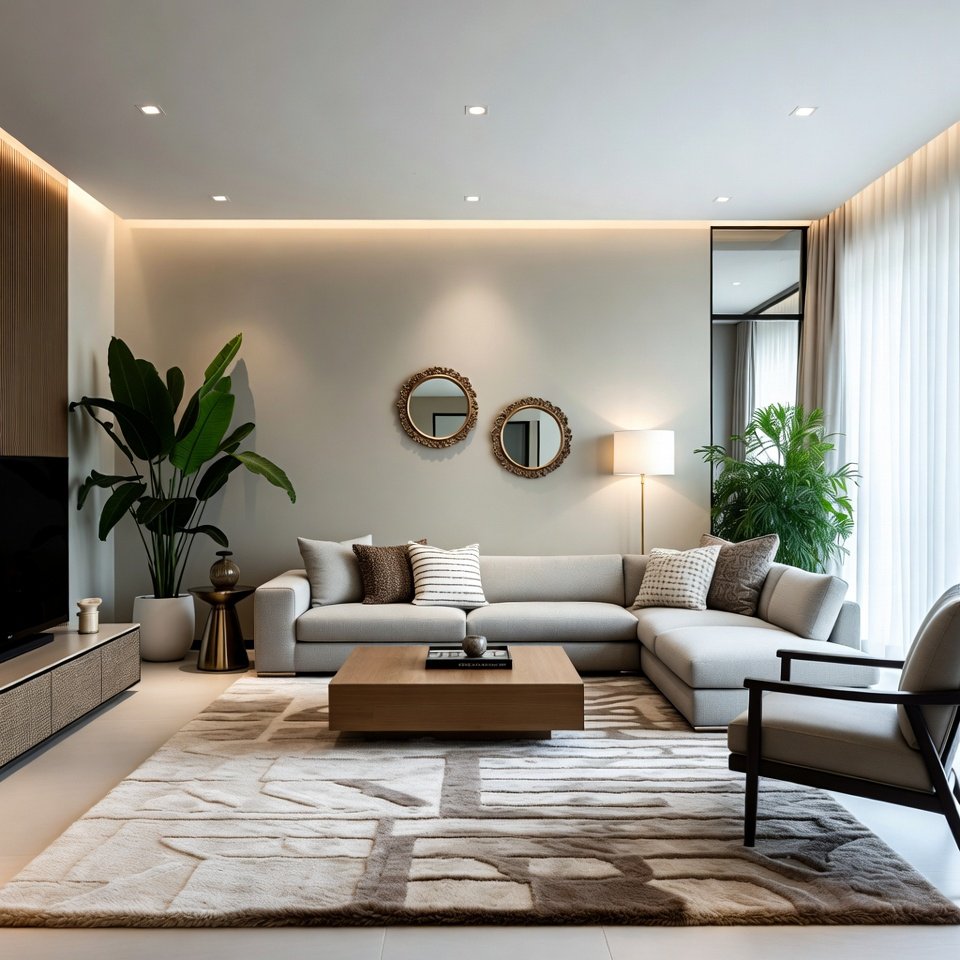
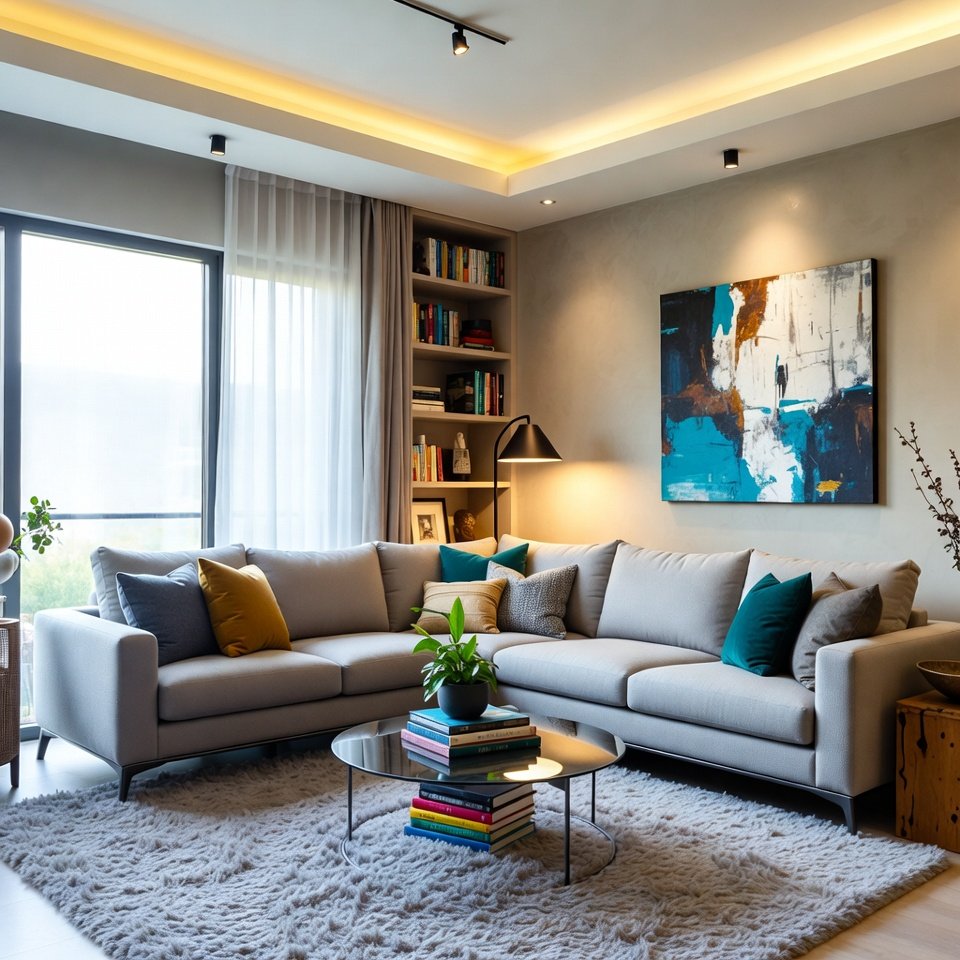
Sectional sofas maximize seating and define large areas. L-shaped and U-shaped designs work well in open-concept homes.
Modular sectionals may include the following:
- Armless seats
- Corner pieces
- Chaise lounges
- Built-in storage
- Matching ottomans
Deep sectionals create a relaxed feel. Storage versions hide blankets, toys, or seasonal items.
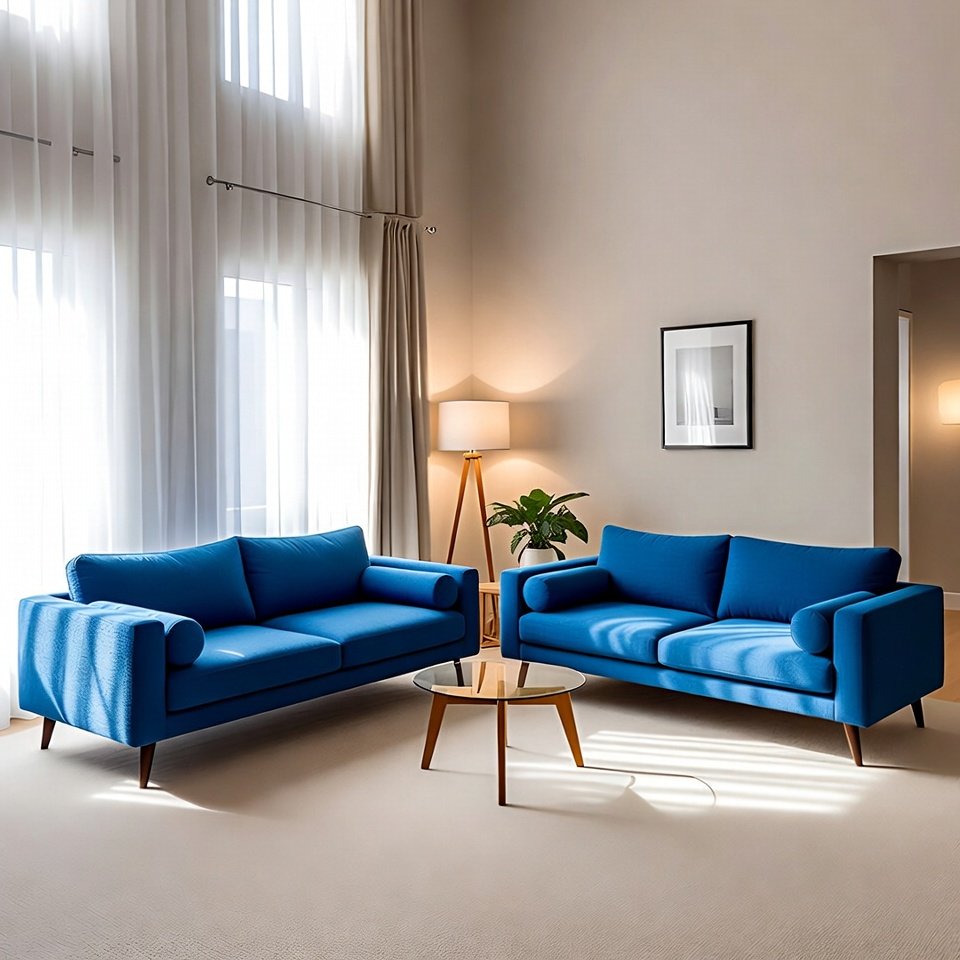
Standard Sofas for Flexible Layouts
Traditional sofas suit most homes and are easier to rearrange. Pairing a sofa with chairs often creates better balance than using one oversized piece.
Popular styles include:
- Track-arm modern sofas
- Rolled-arm traditional sofas
- Low-profile contemporary designs
- Tufted formal sofas
- Reclining sofas for extra comfort
Leave at least 30–36 inches for walkways around major living room furniture pieces.
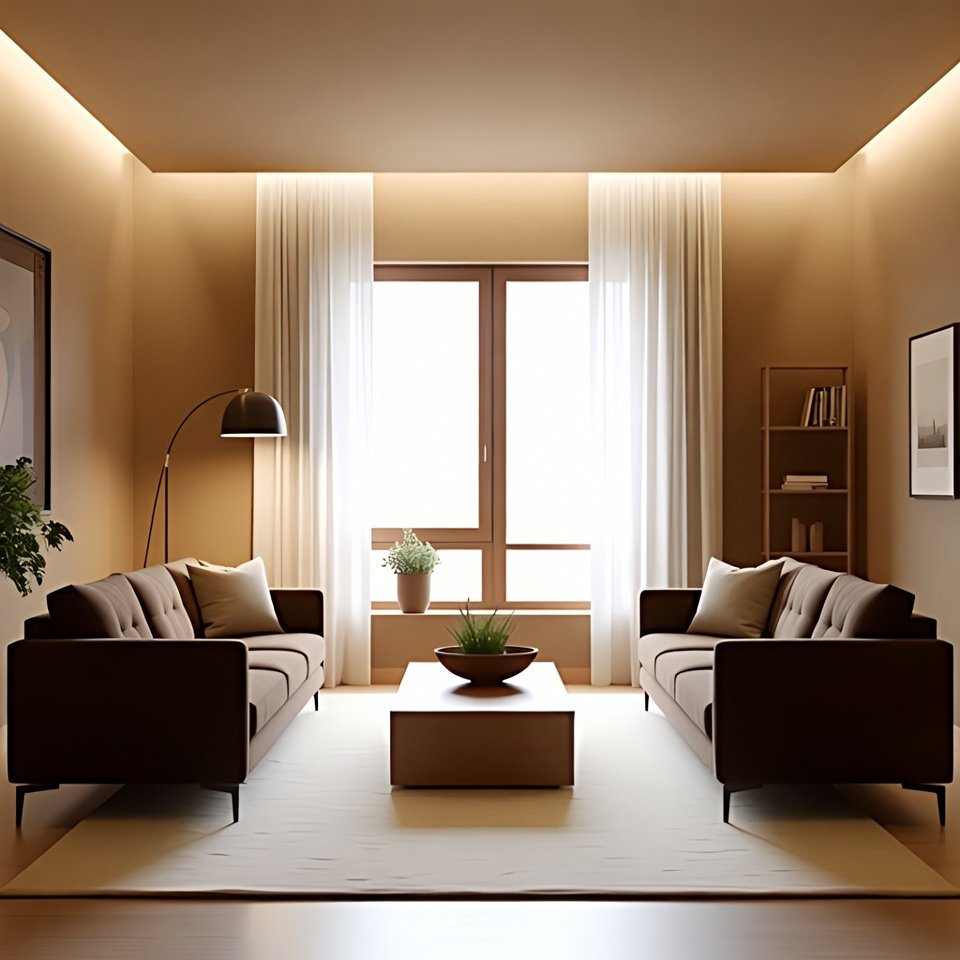
Accent Chairs, Recliners, and Extra Seating
Additional seating improves comfort and makes the room feel complete.
Accent Chairs Add Style and Balance
Accent chairs introduce shape, color, and texture. They also help create conversation zones.
Common options:
- Mid-century armchairs
- Curved contemporary chairs
- Oversized lounge chairs
- Swivel chairs for flexibility
Place chairs across from the sofa or near windows to avoid dead space.
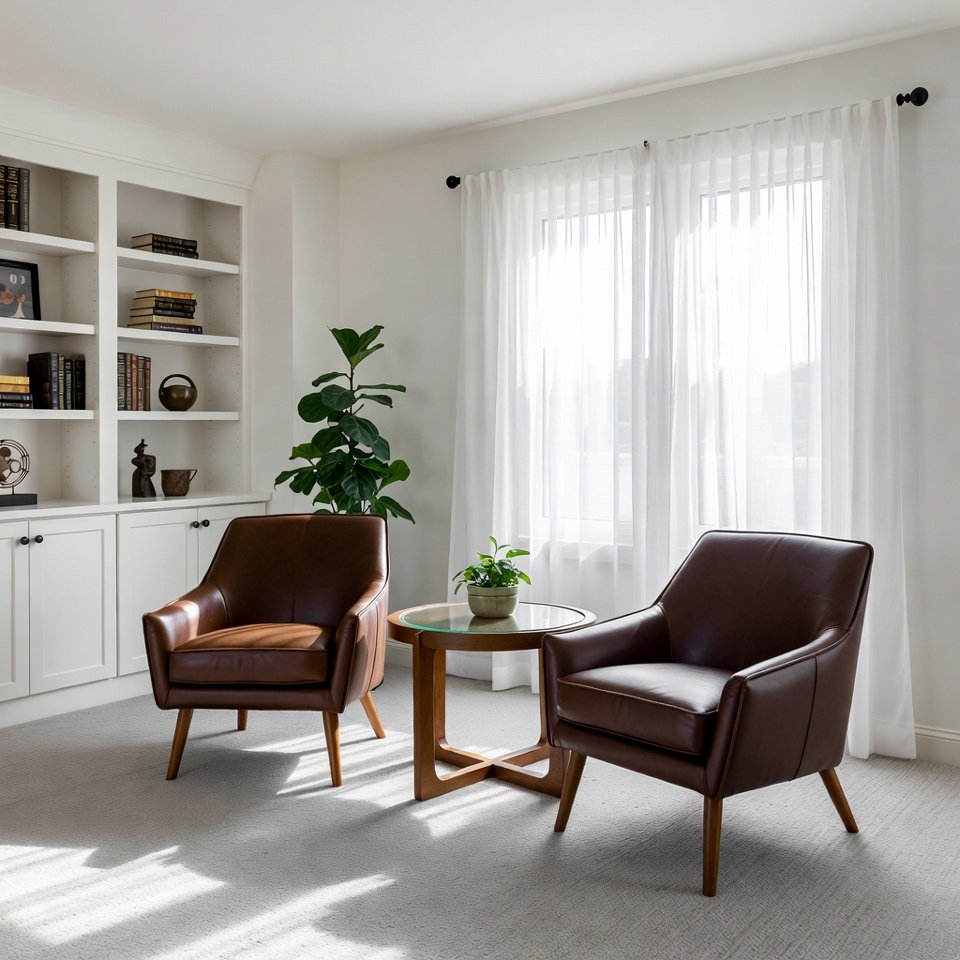
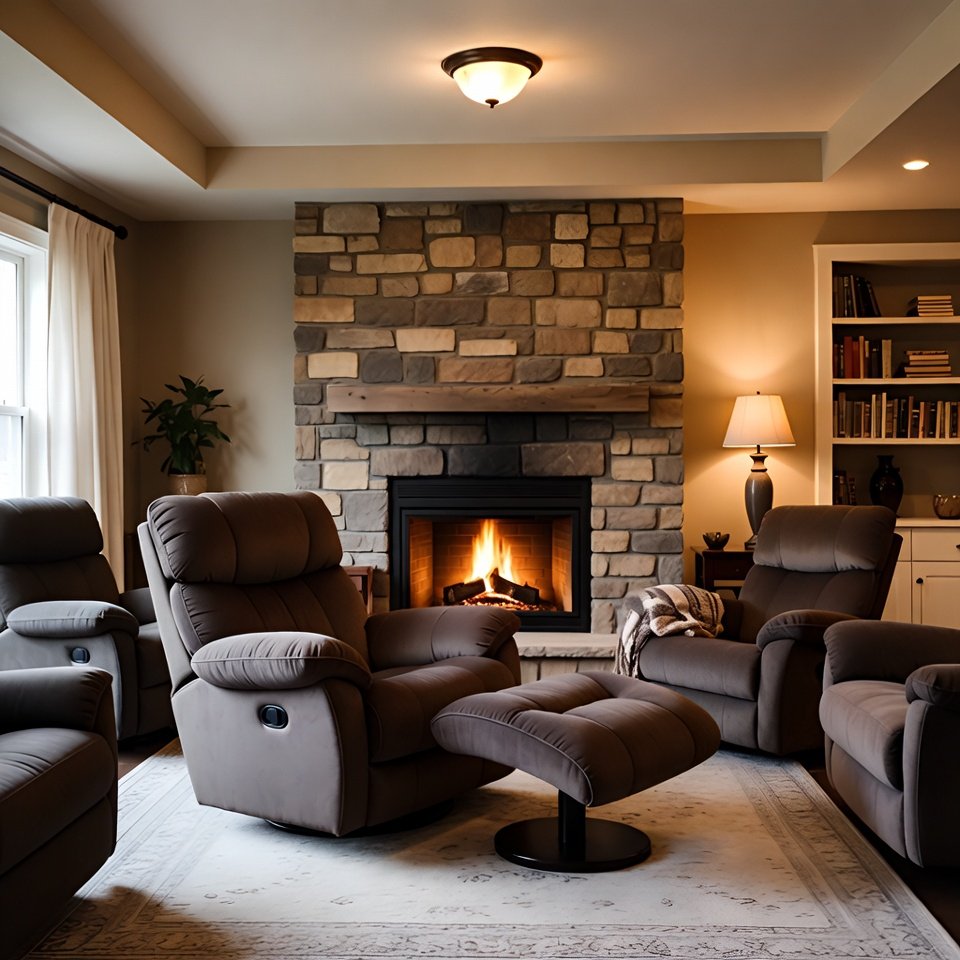
Recliners for Everyday Use
Modern recliners are slimmer and more stylish than older designs. They work well for TV rooms and casual spaces.
Types include:
- Manual recliners
- Power recliners with adjustable positions
- Swivel glider recliners
- Wall-hugger recliners for tight spaces
For comfort-focused homes, recliners are one of the most practical living room furniture investments.
See more on Warm and Cozy Living Room Ideas
Coffee Tables, Accent Tables, and Console Tables
Tables support daily activities while visually anchoring seating.
Coffee Tables
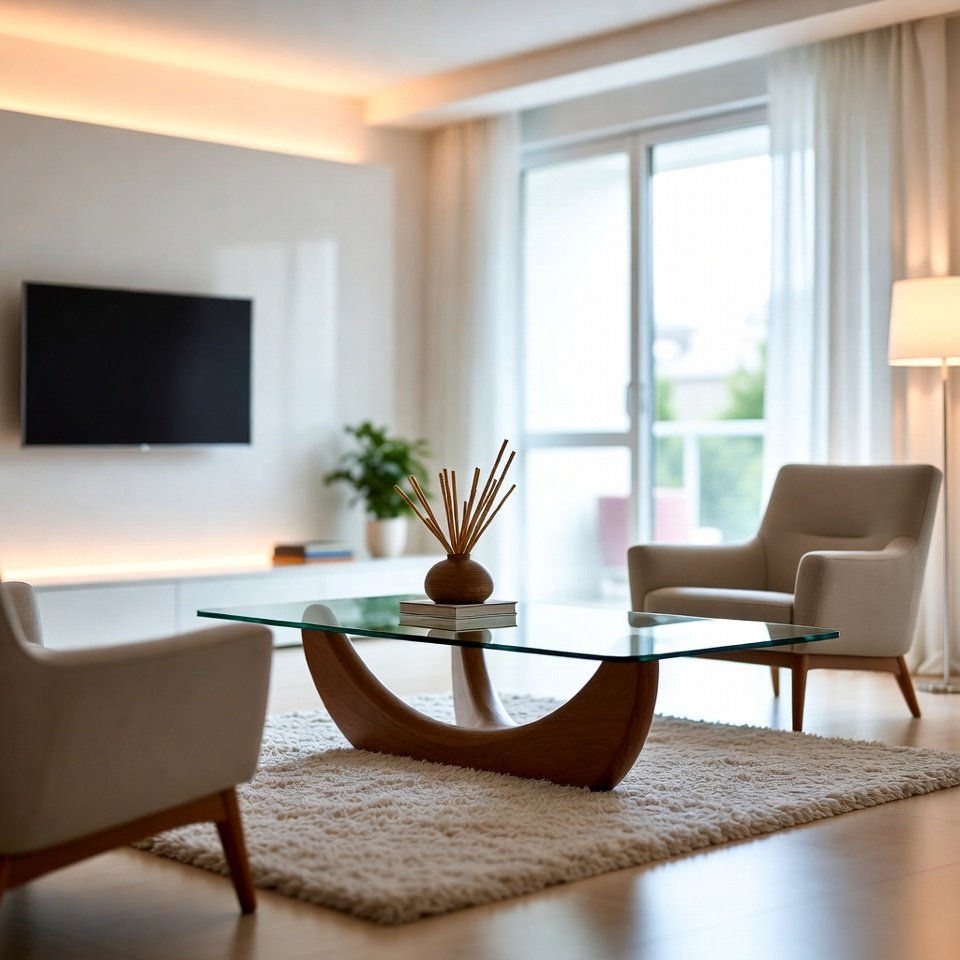
A coffee table should be about two-thirds the length of the sofa. Height should match or sit slightly below seat height.
Popular options:
- Wood tables for warmth
- Glass tables for smaller rooms
- Nesting tables for flexibility
- Ottoman coffee tables for soft edges
- Lift-top tables with storage
Side Tables and Console Tables
End tables hold lamps, drinks, and essentials. Choose a height within a few inches of the sofa arm.
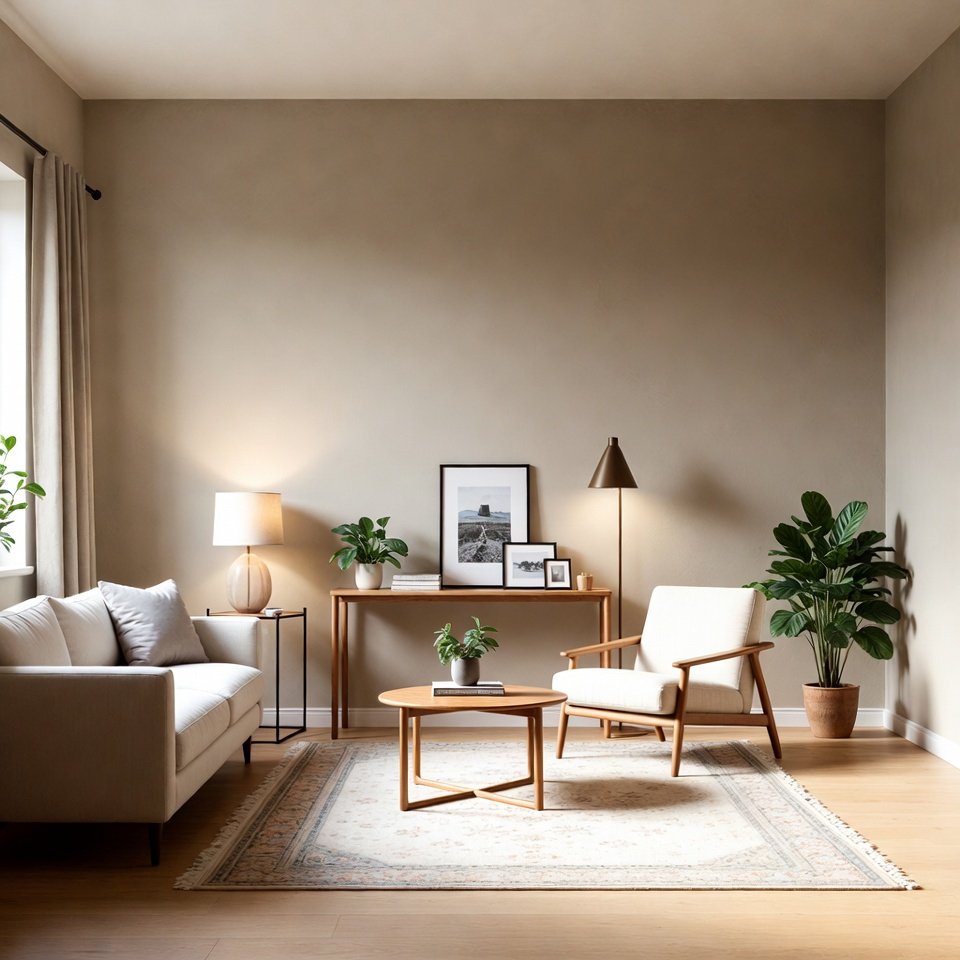
Console tables work well:
- Behind sofas
- Along entry walls
- Under artwork or mirrors
They add storage and display space without crowding the room.
Entertainment Centers and Media Cabinets
Most seating faces a television or focal wall.
TV Stands and Media Units
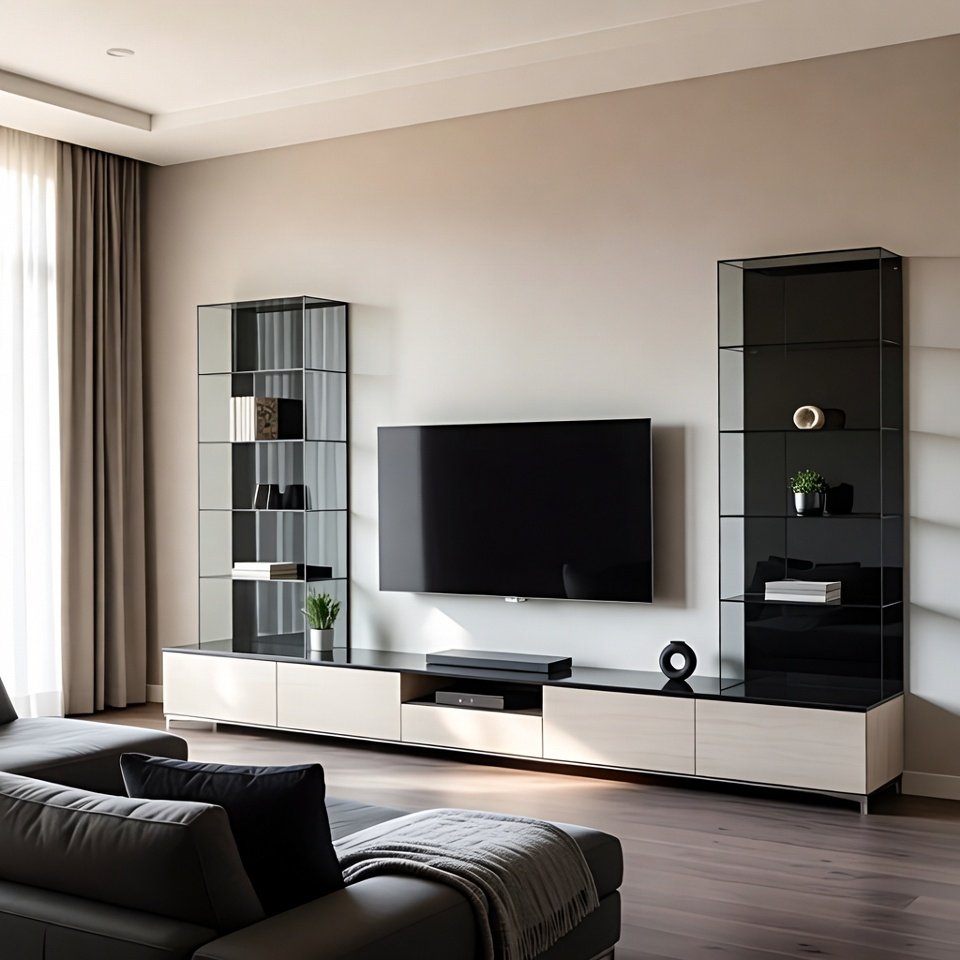
A media console should be wider than the TV for visual balance. Closed storage hides cables, remotes, and gaming devices.
Common styles:
- Low modern media consoles
- Traditional entertainment centers
- Floating wall units
- Corner TV stands
Wall-mounted options free floor space in compact homes.
Storage Solutions That Reduce Clutter
Storage keeps living room furniture sets functional over time.
Useful storage pieces:
- Storage ottomans
- Sideboards or cabinets
- Bookshelves
- Display units
- Storage benches
In small homes, choose furniture that serves more than one purpose.
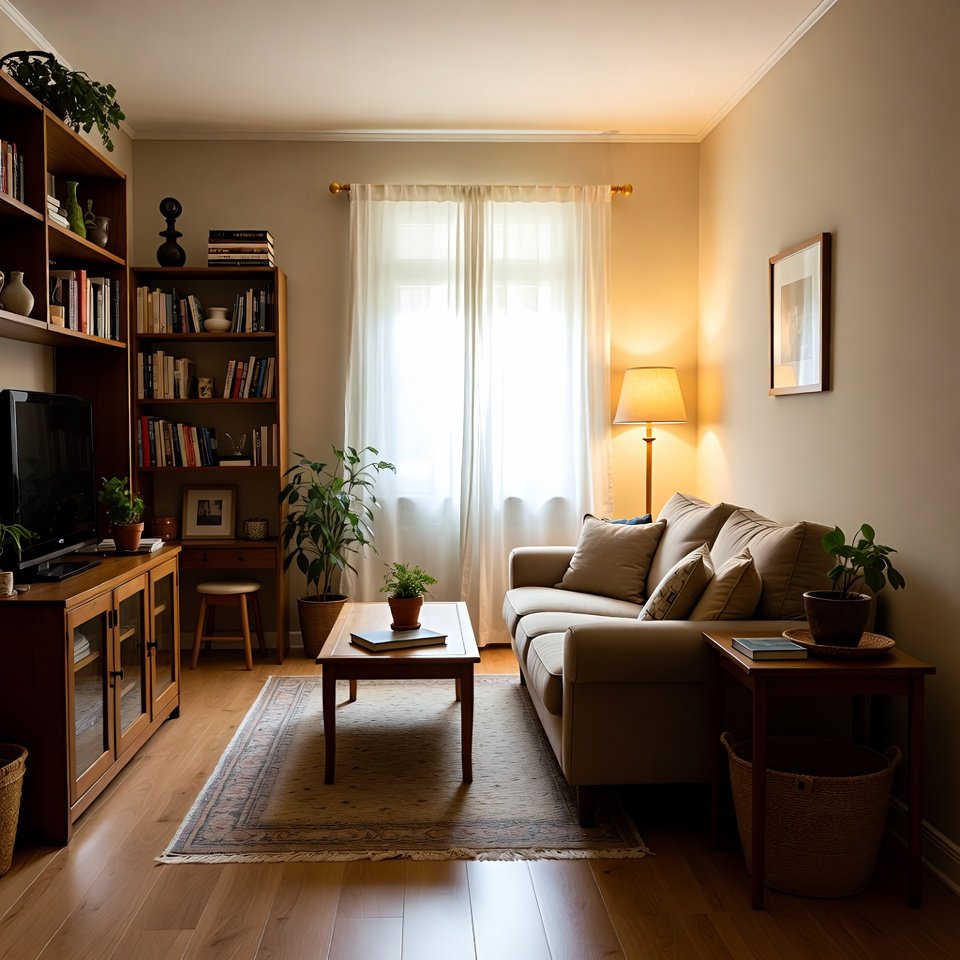
Shop by Material: Durability and Maintenance
Material choice affects comfort, longevity, and cleaning effort.
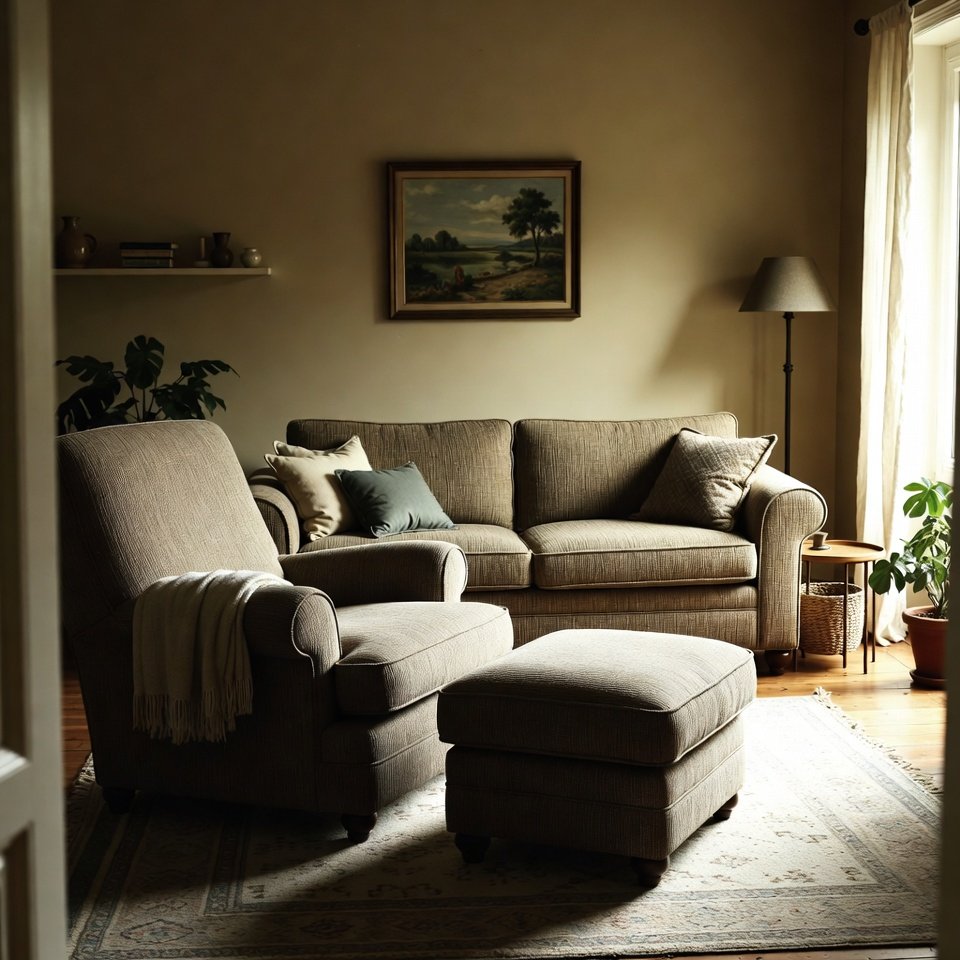
Upholstered Fabric Furniture
Soft and versatile. Performance fabrics resist stains, fading, and pet wear. Ideal for busy households.
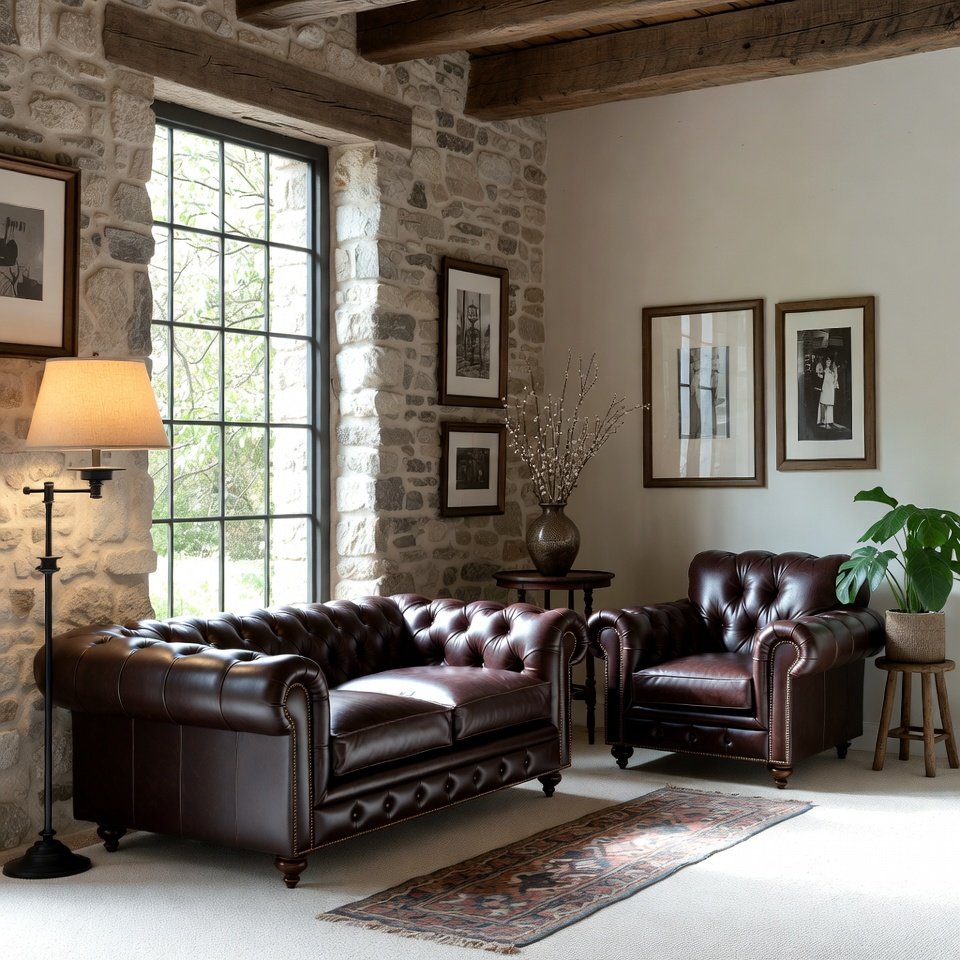
Leather Furniture
Durable and easy to wipe clean. Leather develops character over time and suits both modern and classic interiors.
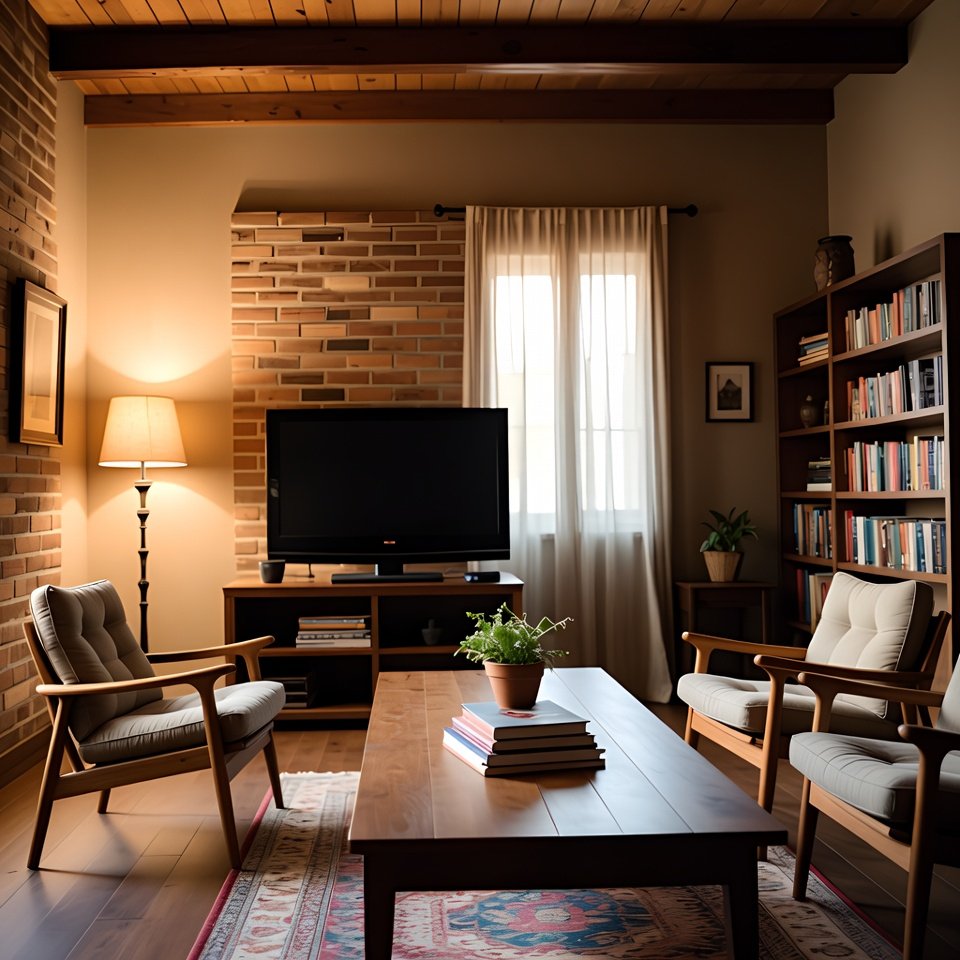
Wood Furniture
Solid wood pieces last for decades. Light finishes feel casual. Dark finishes create a formal look.
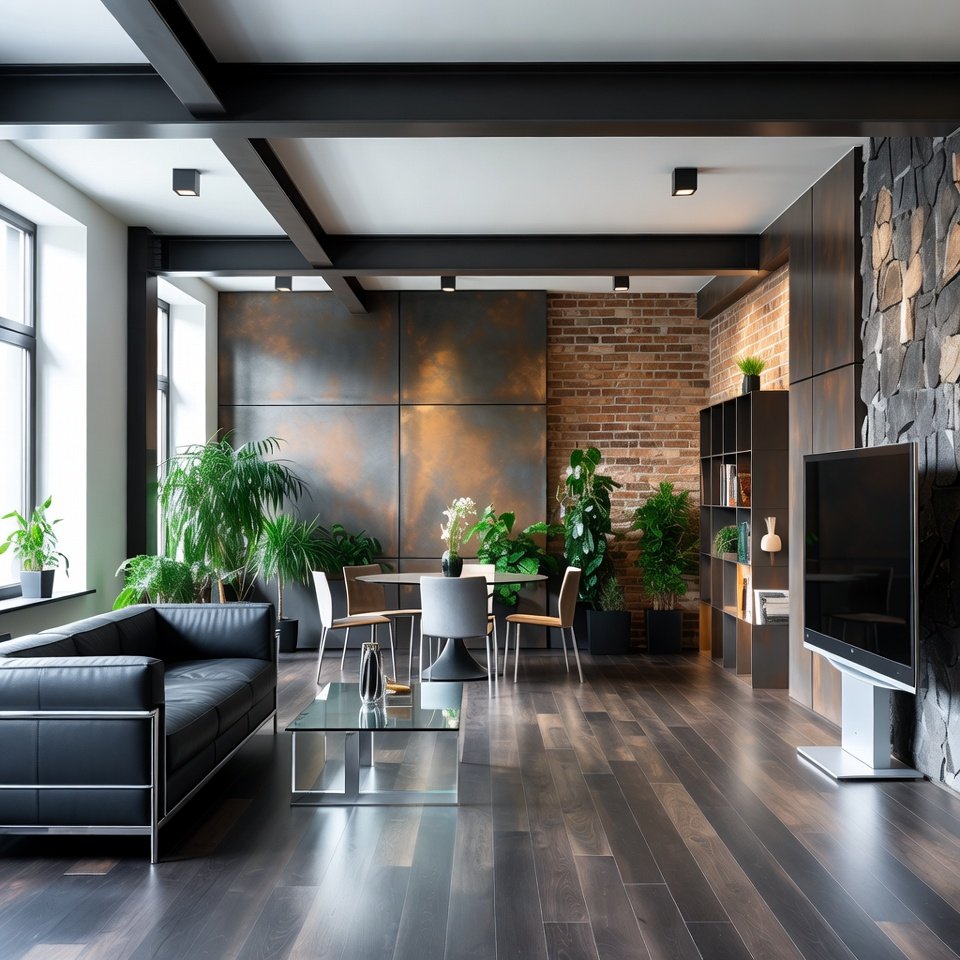
Metal, Glass, and Mixed Materials
Common in contemporary homes, glass tables visually open small rooms. Metal frames add structure and contrast.
Choosing Colors That Work Long-Term
Color influences mood and flexibility.
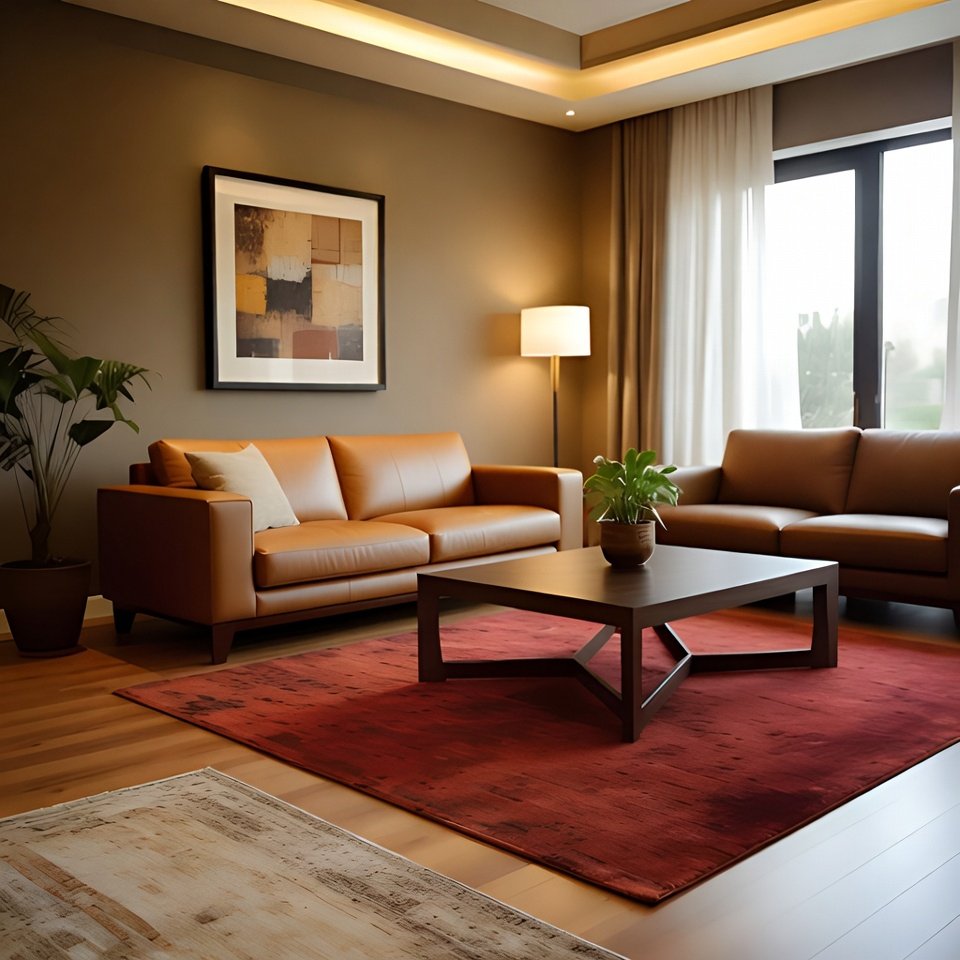
Neutral tones, beige, gray, cream, and white, allow easy updates with decor. Bold colors create focal points but limit future changes.
General guidelines:
- Light colors make rooms feel larger
- Dark furniture grounds spacious rooms
- Match undertones with flooring
- Use pillows and rugs for seasonal updates
Living Room Furniture Layout Tips
Placement determines comfort and usability.
Small Living Room Furniture Layout
- Choose slim or apartment-scale sofas
- Use raised legs to create visual space
- Keep traffic paths clear
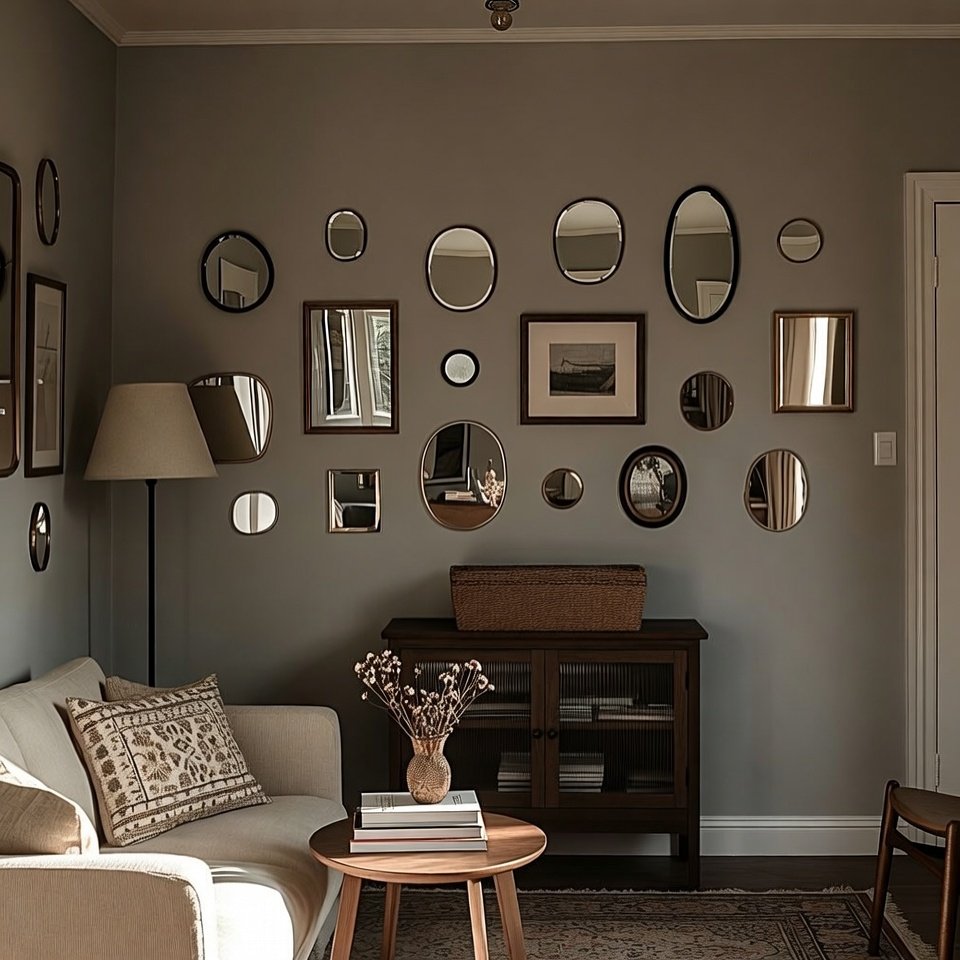
- Use mirrors to reflect light
- Limit oversized pieces
Large Living Room Layout
- Define zones using area rugs
- Use sectionals to anchor seating
- Add multiple conversation areas
- Include larger tables to maintain proportion
A well-planned living room furniture layout prevents both crowding and emptiness.
Styling with Decor and Accessories
Furniture alone can feel unfinished. Accessories soften the space.
Add:
- Area rugs to define seating zones
- Floor and table lamps for layered lighting
- Throw pillows and blankets for texture
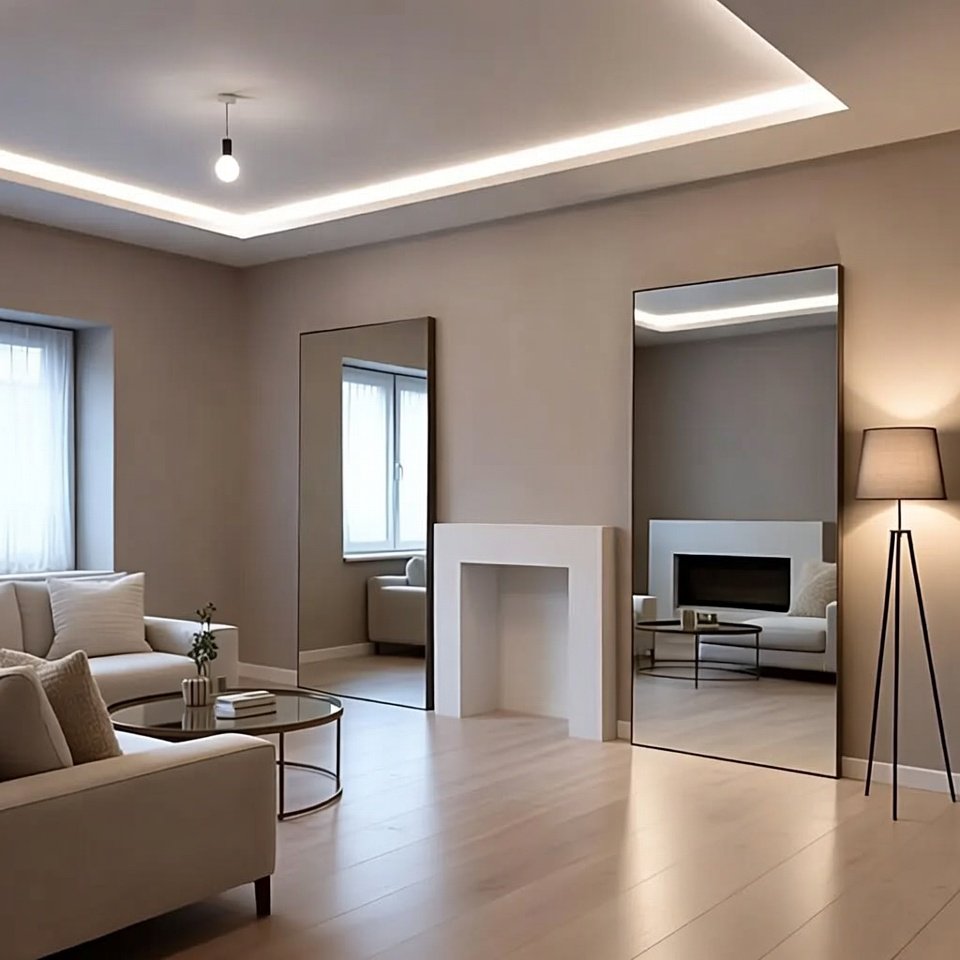
- Wall art or mirrors for personality
- Indoor plants for freshness
These elements connect individual pieces into a cohesive room.
Current Living Room Furniture Trends
Design trends focus on comfort and flexibility.
Popular directions include:
- Modular seating systems
- Curved and organic shapes
- Multifunctional storage furniture
- Sustainable materials
- Textured fabrics such as boucle and velvet
- Built-in USB ports and charging features
Choose trends that fit long-term needs rather than short-term aesthetics.
How to Choose Furniture for Your Lifestyle
Consider how the room is actually used.
Key questions:
- Do you host large gatherings?
- Are children or pets present?
- Is storage a priority?
- Do you prefer formal or casual seating?
- How much TV viewing happens here?
Answering these questions helps narrow choices quickly and prevents costly mistakes.
Budgeting and Smart Buying Tips
Quality modern living room furniture is an investment, but planning helps control costs.
- Buy the sofa first; it gets the most use
- Shop during major sale periods
- Compare frame construction and cushion quality
- Measure everything before purchasing
- Mix durable core pieces with budget decor
Always check return policies for large items.
Conclusion: Build a Living Room That Works Every Day
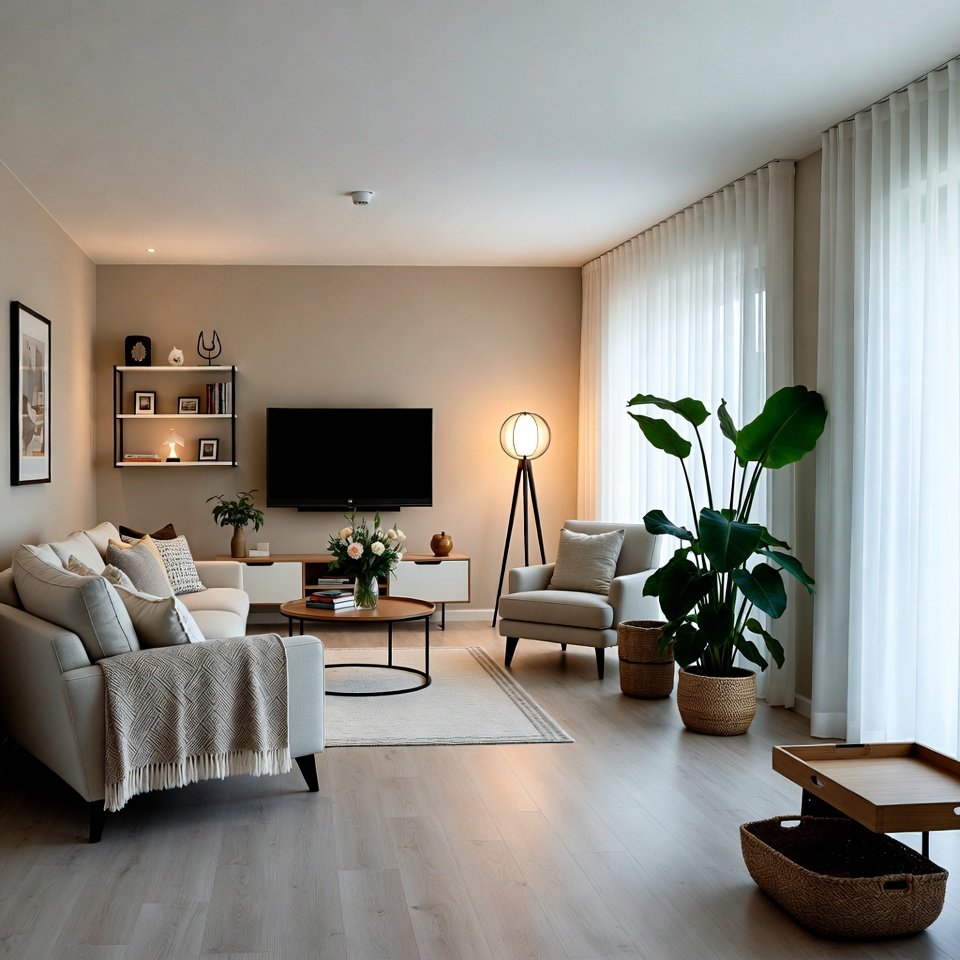
The best living room furniture supports real life. Comfortable seating. Durable materials. Smart storage. A layout that allows easy movement.
Start by measuring the room. Identify must-have pieces. Choose one anchor item, usually the sofa, and build around it. Focus on function first, then style.
A thoughtfully furnished living room becomes a space people actually enjoy using, not just looking at.
FAQ: Living Room Furniture
What furniture should every living room have?
Essential living room furniture includes a sofa or sectional, coffee table, side tables, seating chairs, lighting, and a TV stand or media unit.
How do I choose the right sofa size for my room?
Measure the room and leave at least 30 inches for walkways. The sofa should fit comfortably without blocking doors or traffic paths.
Which living room furniture materials last the longest?
Leather, solid wood, and high-performance fabrics offer the best durability for everyday use, especially in homes with children or pets.
How can I make a small living room look bigger with furniture?
Use light-colored living room furniture, raised legs, mirrors, and multifunctional pieces. Avoid bulky sectionals that overwhelm the space.
What living room furniture trends are popular right now?
Modular seating, curved sofas, textured fabrics, storage-focused designs, and multifunctional furniture are currently popular choices.