18 Coffered Ceiling Ideas That Add Style, Depth, and Value to Your Home
Most homeowners focus on walls, flooring, cabinets, and furniture.
The ceiling rarely gets much attention.
That’s surprising because the ceiling takes up a huge amount of visual space. A plain ceiling can make even a beautifully decorated room feel unfinished. On the other hand, the right ceiling design can completely change how a room looks and feels.
That’s one reason coffered ceiling ideas continue to grow in popularity across the United States.
From custom-built luxury homes to everyday remodels, homeowners are using coffered ceilings to add architectural character, depth, and visual interest. Some prefer traditional millwork and crown molding. Others lean toward clean-lined modern designs with integrated LED lighting.
The best part?
There isn’t one style that fits everyone.
Whether you’re remodeling a living room, updating a dining room, finishing a basement, or designing a new home, there are countless ways to make a coffered ceiling work in your space.
This guide covers 18 inspiring coffered ceiling ideas, planning tips, design considerations, and expert recommendations to help you choose the right look for your home.
What Is a Coffered Ceiling?
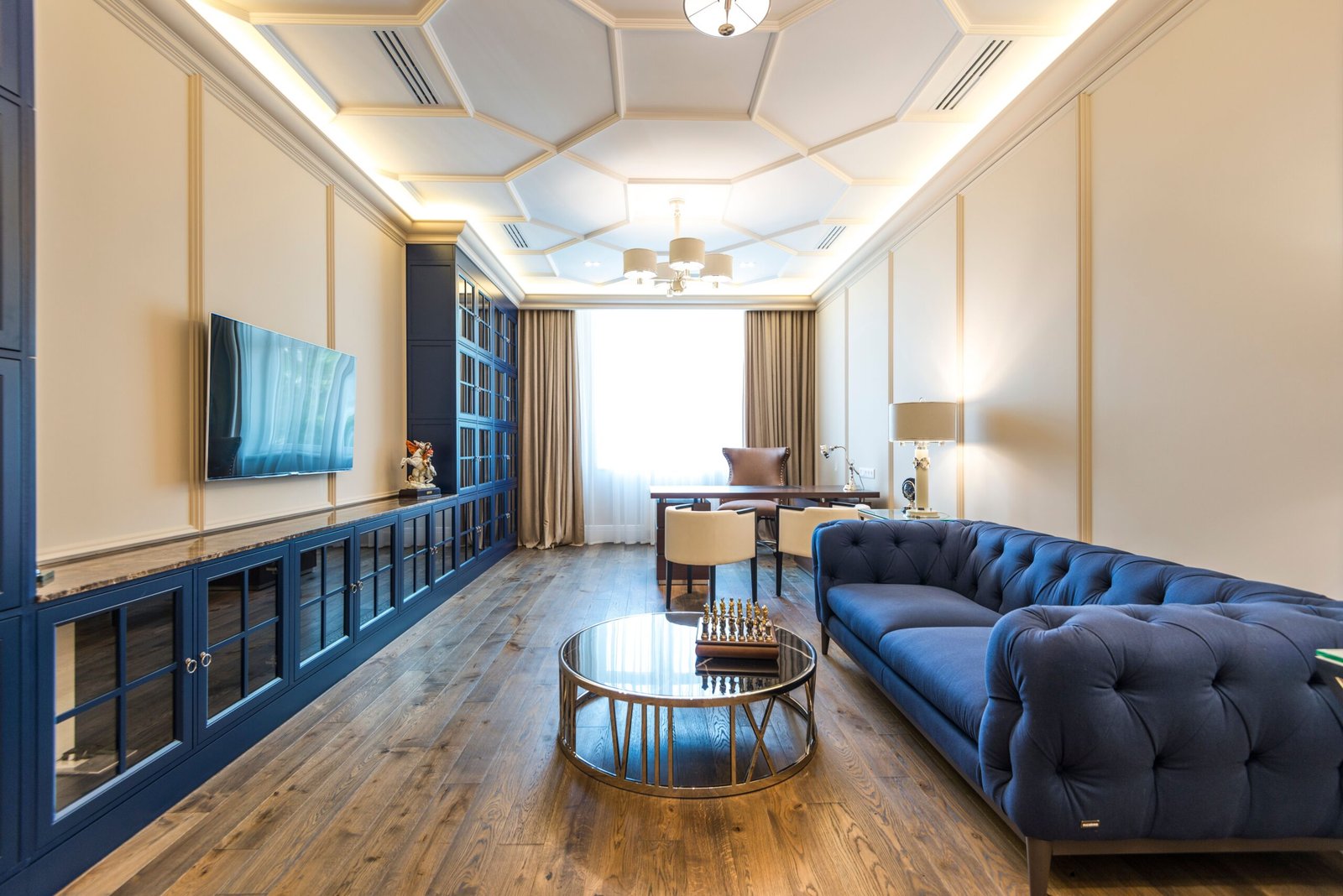
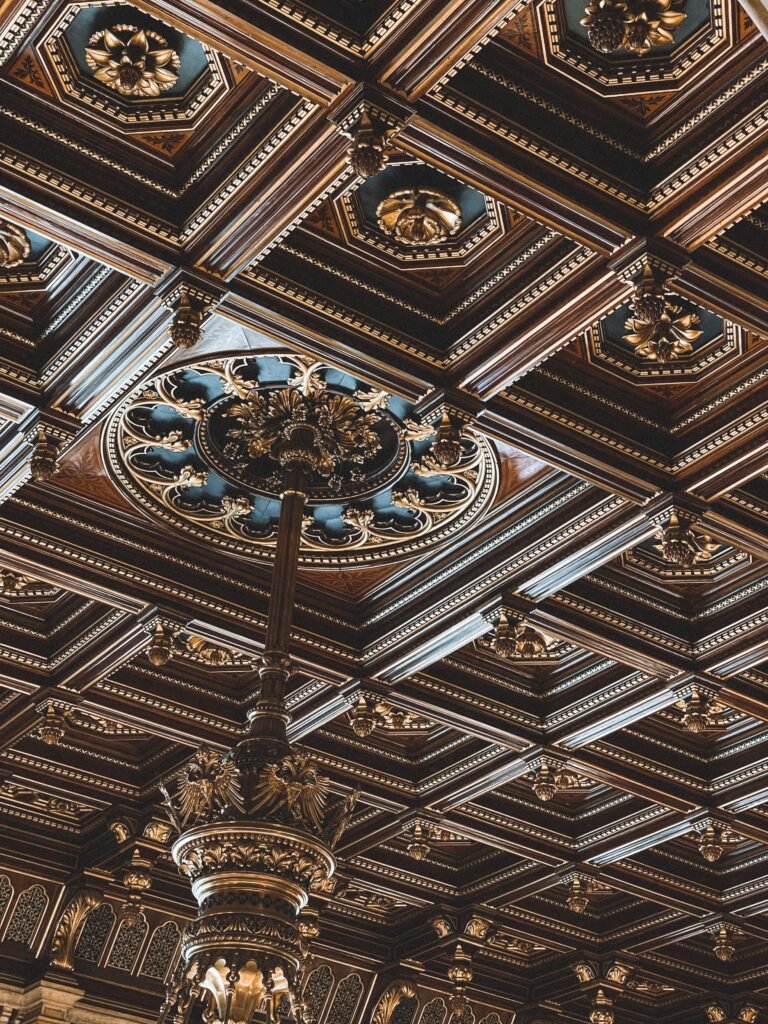
A coffered ceiling is a ceiling design made of recessed panels created by beams, trim, molding, or decorative millwork. The grid pattern adds depth, dimension, and architectural detail while turning the ceiling into a focal point.
The recessed sections can be square, rectangular, octagonal, or custom-shaped, depending on the room and design style.
Historically, coffered ceilings appeared in churches, libraries, government buildings, and luxury estates. Today, they are commonly used in residential interior design to create a more custom appearance.
Unlike a flat ceiling, a coffered ceiling introduces texture and shadow lines that make the room feel more dynamic.

Looking for more ideas? Explore our latest guides. Modern Dining Room Ideas
Why Homeowners Choose Coffered Ceilings
A coffered ceiling isn’t just decorative.
It serves several practical design purposes.
Creates Architectural Interest
Large rooms can sometimes feel empty.
Adding architectural ceiling details helps break up wide open spaces and creates visual structure.
Adds Perceived Value
Custom home ceilings often attract attention from buyers because they signal quality craftsmanship and thoughtful design.
Defines Open Spaces
In open-concept homes, ceiling treatments can help separate functional areas without adding walls.
Improves Lighting Design
Many coffered ceiling lighting ideas incorporate recessed lighting, chandeliers, pendants, or hidden LED strips.
Makes Rooms Feel More Finished
A coffered ceiling can transform an ordinary room into something that feels professionally designed.
How to Choose the Right Coffered Ceiling Style
Before selecting a design, consider how the ceiling will fit into the overall room.
Not every layout works everywhere.
For Modern Homes
Modern coffered ceiling ideas usually feature:
- Wide beam spacing
- Minimal trim
- Clean geometric patterns
- Neutral color palettes
- Hidden lighting
The goal is simplicity.
Too much ornamentation can feel out of place in contemporary interiors.
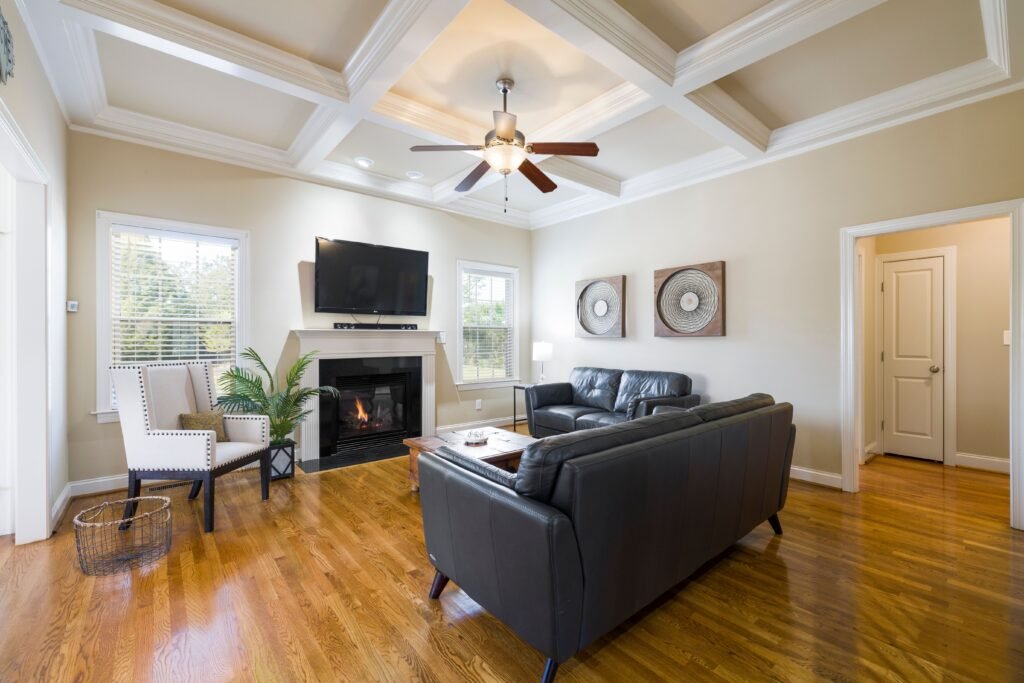
For Farmhouse Homes
Farmhouse interiors often rely on natural materials.
Wood coffered ceiling ideas fit perfectly with the following:
- White walls
- Rustic textures
- Exposed beams
- Stone fireplaces
- Warm wood flooring
Reclaimed wood remains a popular choice.

Don’t stop here, discover more inspiring home decor ideas. Warm and Cozy Living Room Ideas
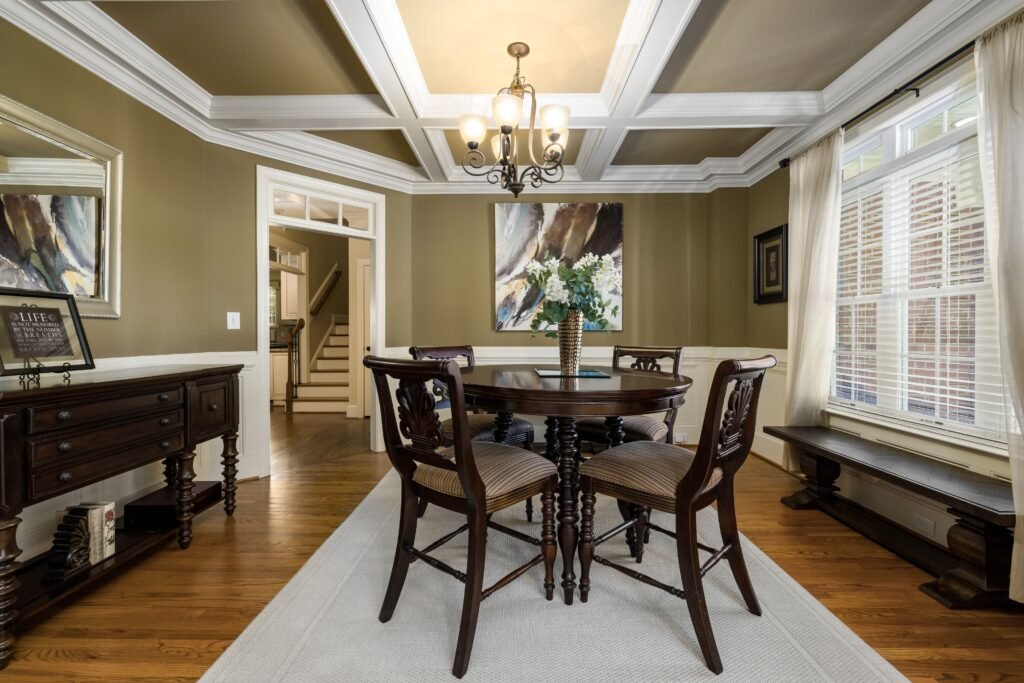
For Traditional Homes
Traditional homes can support more detailed millwork.
This may include:
- Crown molding
- Decorative trim
- Raised panels
- Layered beam profiles
These elements create a timeless appearance.
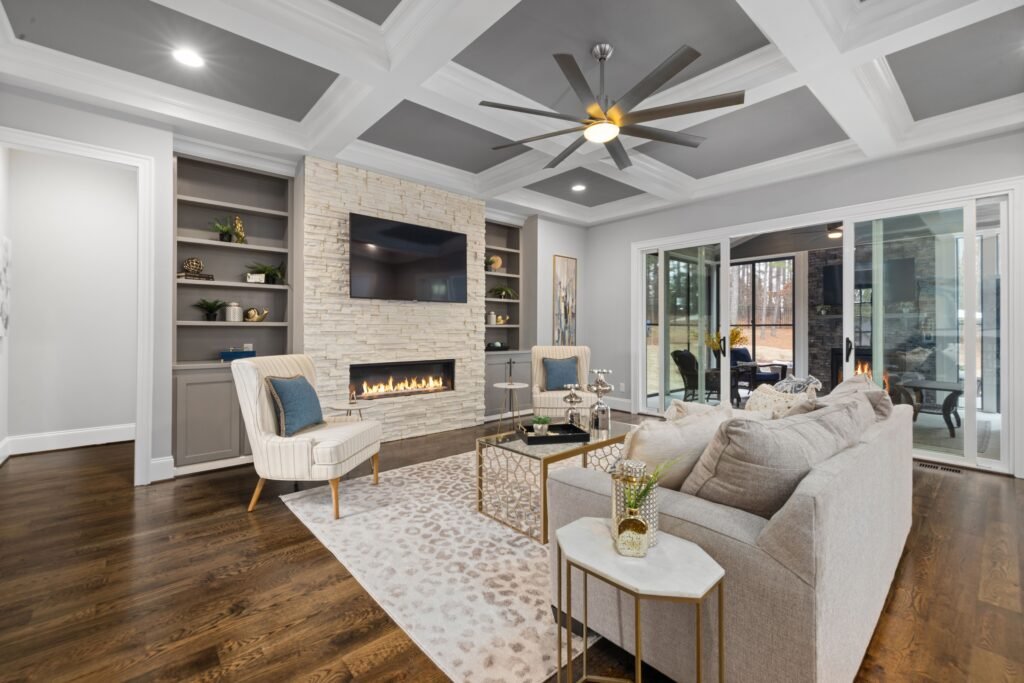
For Small Rooms
Smaller rooms benefit from simpler layouts.
One common mistake homeowners make is choosing oversized beams.
Large beams can make a room feel cramped.
Instead, use shallow profiles and lighter paint colors.
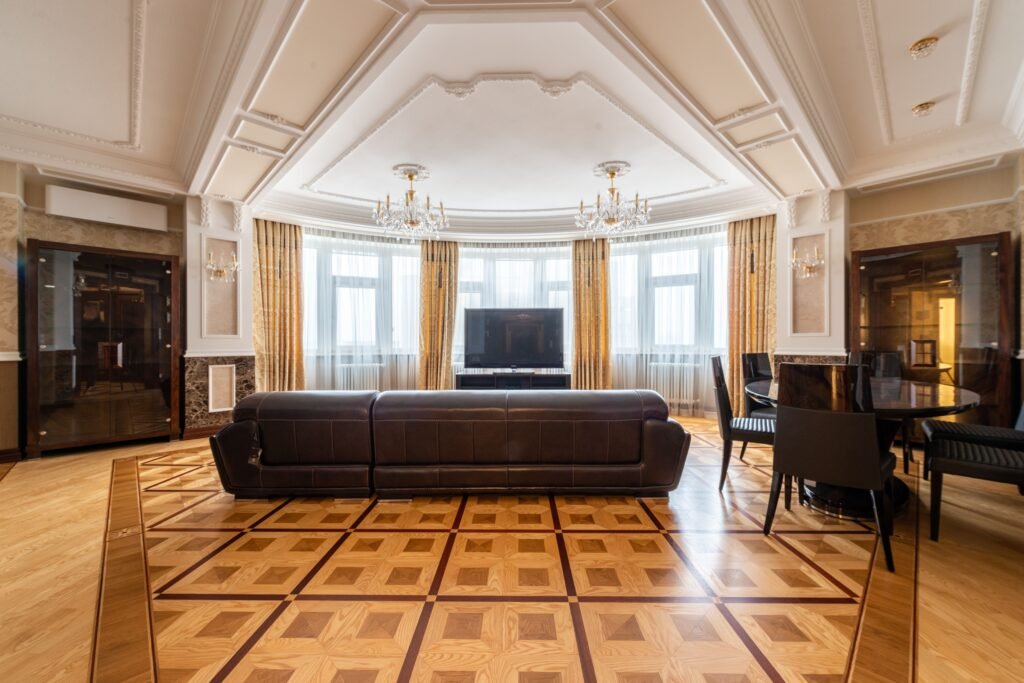
For Large Rooms
Large rooms often need stronger architectural features.
Wider beam spacing and deeper coffers help maintain visual balance.
Find more expert tips and creative design inspiration. Home Remodeling Trends
Ceiling Height Considerations
Ceiling height plays a major role in the success of any coffered ceiling design.
Many homeowners ask:
What Is the Ideal Ceiling Height for a Coffered Ceiling?
Generally speaking:
- 8-foot ceilings work best with shallow beam profiles
- 9-foot ceilings offer more flexibility
- 10-foot ceilings and higher allow deeper coffers and more detailed trim
The lower the ceiling, the more careful you must be with beam depth.
How Deep Should a Coffered Ceiling Be?
Most residential coffered ceilings range between 4 and 8 inches deep.
For lower ceilings, shallower designs usually look better.
For taller ceilings, deeper panels can create more dramatic shadow lines.
Proper proportions matter more than size.
A well-balanced ceiling almost always looks better than an oversized one.
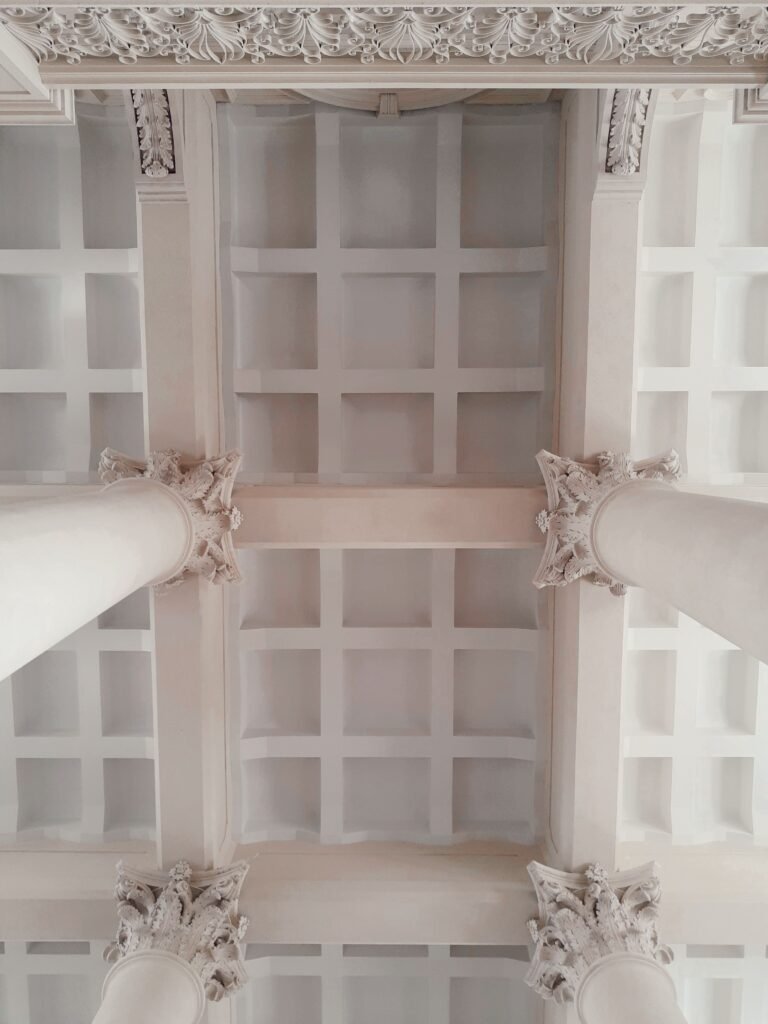
1. Classic White Coffered Ceiling
Some design trends come and go.
White coffered ceilings remain timeless.
The clean appearance works with almost any decorating style and helps reflect natural light throughout the room.
This design is particularly effective in:
- Living rooms
- Dining rooms
- Entryways
- Great rooms
White also highlights the beam pattern without making the ceiling feel heavy.
Best for: Traditional and transitional homes
Works with: Crown molding, hardwood flooring, neutral interiors
Design tip: Pair white beams with soft gray walls for subtle contrast.
2. Modern Coffered Ceiling Ideas With Wide Beams
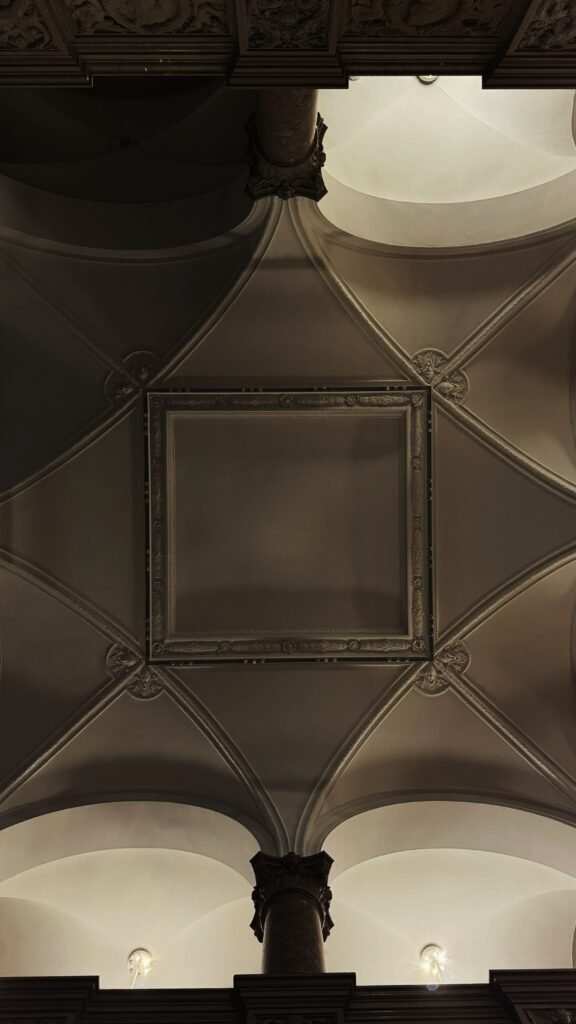
Modern ceiling design often focuses on simplicity.
Wide beams and large recessed sections create a bold look without excessive ornamentation.
The larger beam spacing gives the ceiling room to breathe.
This style has become increasingly popular in luxury home interiors because it feels sophisticated without appearing formal.
Best for: Contemporary homes
Works with: Black accents, minimalist furniture, open floor plans
Design tip: Use matte finishes instead of glossy paint for a cleaner appearance.
3. Natural Wood Coffered Ceiling
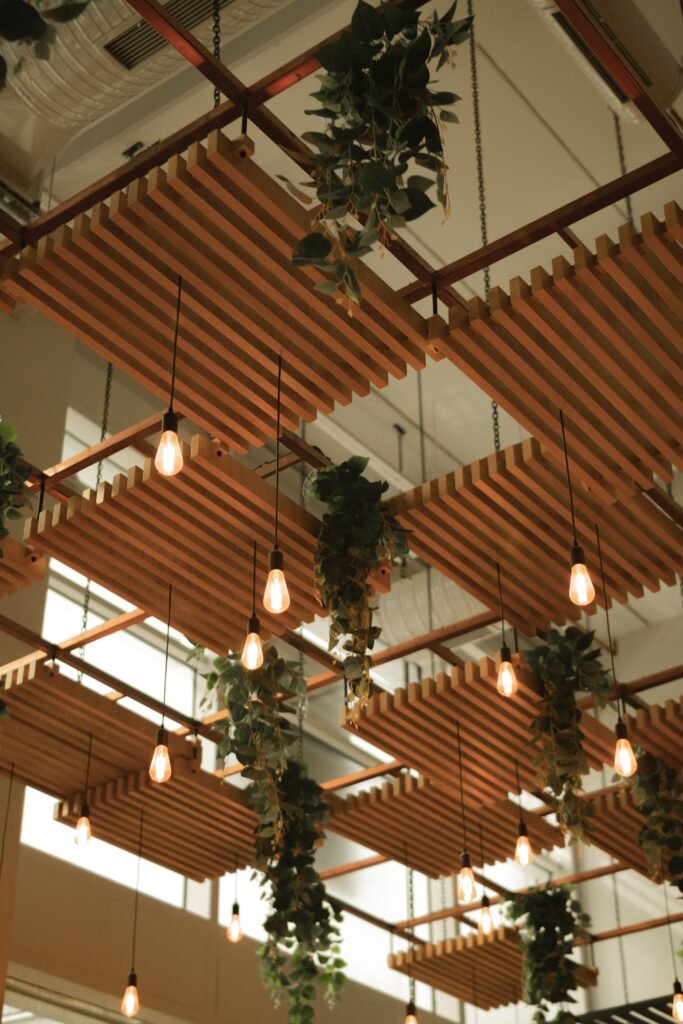
Wood brings warmth that paint simply cannot replicate.
The grain patterns create texture and visual movement while softening modern interiors.
Popular wood species include:
- White oak
- Walnut
- Maple
- Cedar
- Reclaimed barn wood
Natural wood ceilings often become the focal point of the room.
Best for: Farmhouse, rustic, and mountain-style homes
Works with: Stone fireplaces, wood flooring, neutral color palettes
Design tip: Mix natural wood with white walls to prevent the room from feeling too dark.
4. Coffered Ceiling Ideas for Living Rooms
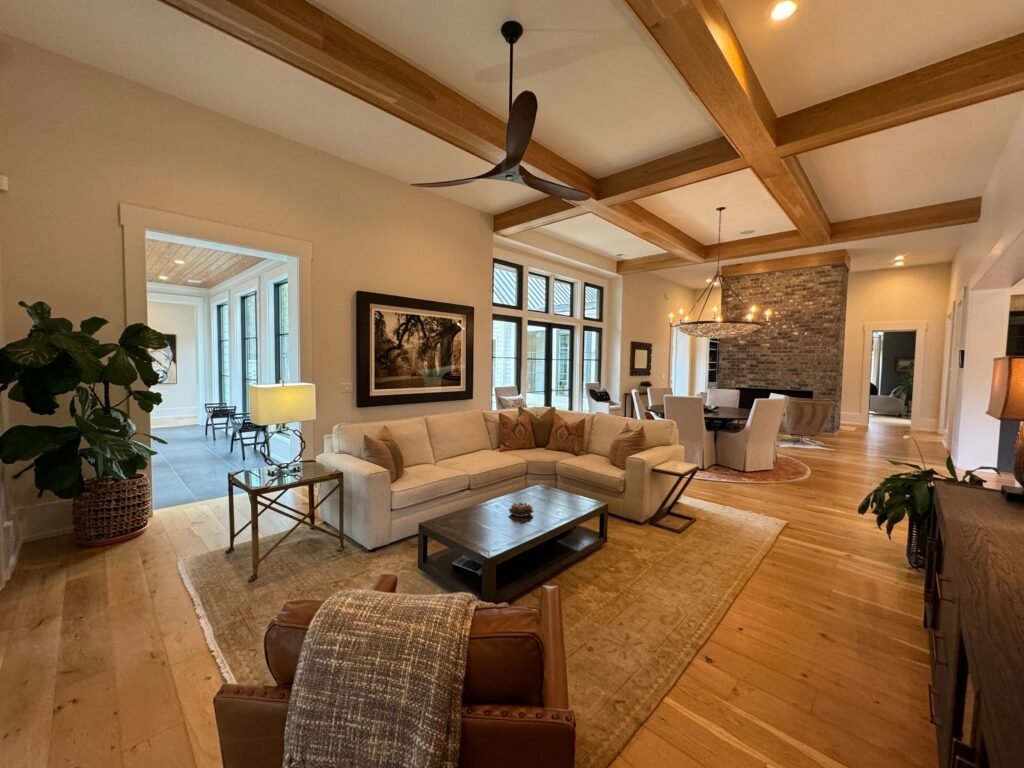
The living room remains one of the most popular spaces for coffered ceiling ideas.
The ceiling naturally draws attention upward and creates a stronger sense of scale.
In larger homes, a coffered ceiling living room often becomes the centerpiece of the entire floor plan.
Many designers combine decorative beams with recessed lighting and a central chandelier.
The result feels intentional and balanced.
Best for: Large family rooms and open-concept spaces
Works with: Sectional sofas, fireplaces, statement lighting
Design tip: Align beam layouts with major furniture groupings whenever possible.
Continue reading for more beautiful home makeover ideas. Home Remodel Design Trends
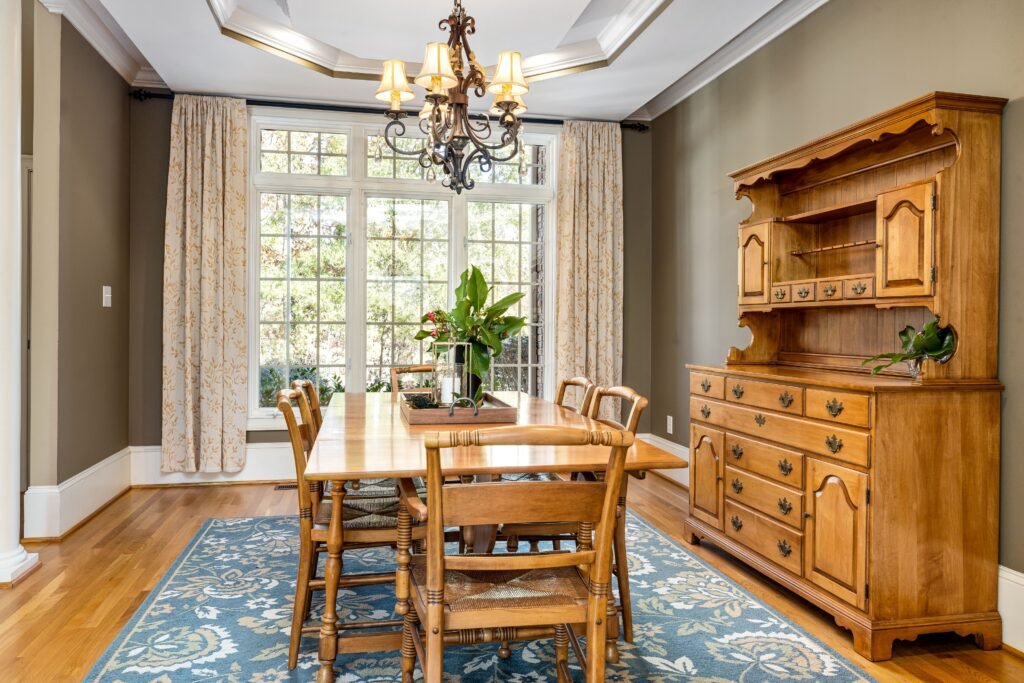
5. Dining Room Coffered Ceiling Designs
Dining rooms are ideal for ceiling upgrades.
The table already serves as a focal point.
A coffered ceiling reinforces that focal point while adding elegance.
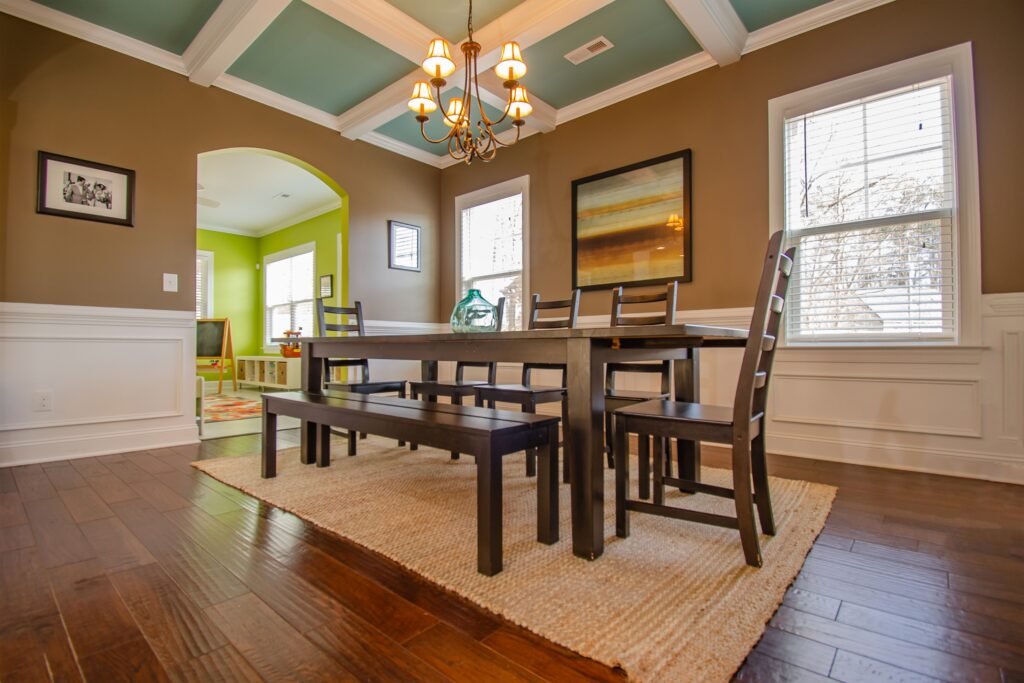
Many homeowners install a chandelier inside the center panel to create visual symmetry.
This arrangement works especially well in formal dining rooms.
Best for: Traditional and transitional dining spaces
Works with: Chandeliers, wood dining tables, decorative molding
Design tip: Match beam spacing to the shape of your dining table for a cohesive look.
6. Coffered Ceiling Ideas for Bedrooms
Bedrooms don’t need dramatic architectural features to make an impact.
In fact, the opposite is often true.
Simple ceiling designs tend to create a calmer atmosphere.
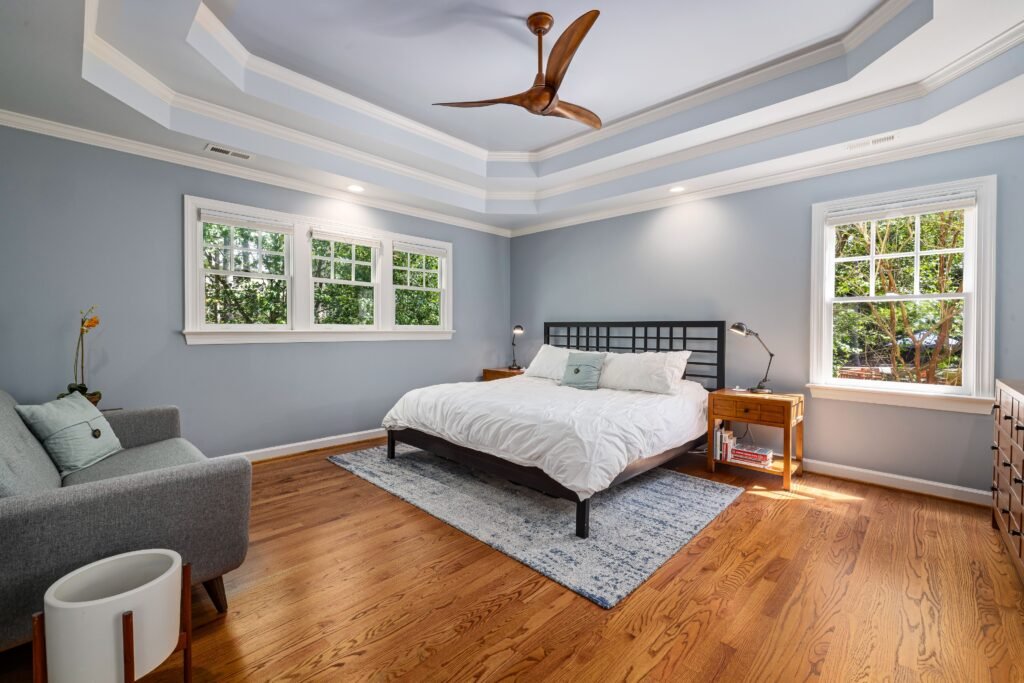
A coffered ceiling adds texture without introducing clutter. It helps frame the room while creating subtle visual interest above the bed.
Many homeowners choose soft paint colors for bedroom ceilings because they feel relaxing during the evening hours.
White remains popular, but warm greige, soft beige, and light gray are becoming common choices as well.
For larger primary bedrooms, designers often center the beam layout above the bed to create a stronger focal point.
One trend gaining attention is combining a coffered ceiling with hidden LED ceiling lighting.
The effect is understated but noticeable.
Best for: Primary bedrooms and guest rooms
Works with: Upholstered headboards, neutral palettes, layered bedding
Design tip: Avoid overly deep coffers in smaller bedrooms. Simpler layouts usually look better.
See more trending home and garden ideas here. Cozy Living Room Ideas
7. Coffered Ceiling Ideas for 8-Foot Ceilings
Many homeowners believe coffered ceilings only work in homes with tall ceilings.
That’s one of the biggest misconceptions in interior architecture.
A properly designed coffered ceiling can work beautifully in an 8-foot room.
The secret is scale.
Oversized beams often make lower ceilings feel cramped.
Shallow beam profiles create the opposite effect.
They add depth without reducing visual height.
During remodeling projects, designers commonly use MDF trim and lightweight materials to create the appearance of deeper architectural ceiling details without sacrificing headroom.
Light colors also help.
White beams and white recessed panels create a seamless appearance that keeps the room feeling open.
Best for: Standard-height homes
Works with: Contemporary, transitional, and farmhouse interiors
Design tip: Keep beam depth between 3 and 5 inches whenever possible.
8. Painted Coffered Ceiling Ideas
Paint can completely transform a ceiling.
Some homeowners prefer a monochromatic look.
Others want contrast.
Both approaches can work.
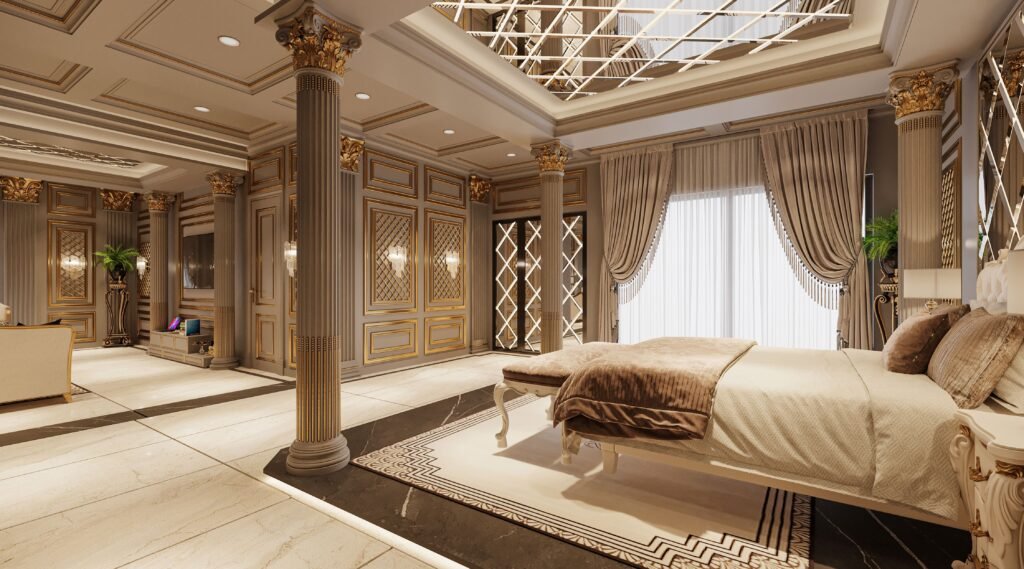
A single-color ceiling often feels clean and timeless. Contrasting colors emphasize the grid pattern and make the ceiling design stand out.
Popular coffered ceiling paint ideas include:
- White and soft gray
- White and navy blue
- Beige and ivory
- Charcoal and white
- Warm taupe and cream
Color selection should depend on the room’s natural light.
One mistake homeowners make is copying dark ceiling colors from social media without considering how much sunlight enters the room.
A color that looks amazing in a bright home may feel overwhelming in a darker space.
Best for: Living rooms, dining rooms, and offices
Works with: Decorative millwork, crown molding, statement lighting
Design tip: Always test paint samples on both beams and recessed panels before committing.

9. Coffered Ceiling Lighting Ideas
Lighting can make or break a ceiling design.
A beautiful coffered ceiling loses much of its impact if the lighting plan is poorly executed.
That’s why experienced designers consider lighting before construction begins.
Not after.
Several lighting approaches work particularly well with coffered ceiling designs.
Recessed Lighting
Recessed fixtures remain one of the most practical solutions.
They provide even illumination while maintaining a clean appearance.
This option works especially well in modern coffered ceiling ideas.
Chandeliers
Chandeliers add visual weight and create a natural focal point.
Many dining room designs place a chandelier in the center of the coffer for balance.
Pendant Lighting
Pendant fixtures can complement kitchen islands and breakfast areas while working alongside decorative ceiling beams.
LED Strip Lighting
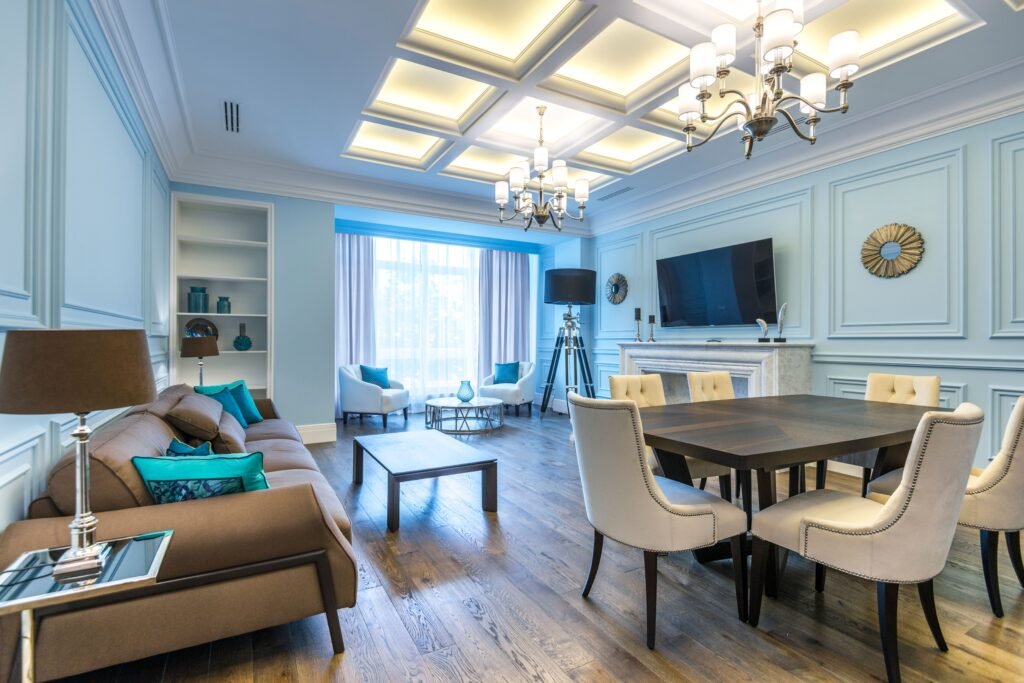
Hidden LED strips continue to gain popularity.
The lighting sits inside recessed sections and highlights the beam layout without creating glare.
Many luxury home interiors use this approach because it adds depth and atmosphere.
Best for: Any room with a coffered ceiling
Works with: Traditional, modern, and transitional styles
Design tip: Layer ambient, task, and accent lighting whenever possible.
10. Rustic Coffered Ceiling Ideas
Rustic ceiling designs focus on character.
Not perfection.
Natural textures, weathered finishes, and visible grain patterns help create a welcoming environment.
Wood coffered ceiling ideas work especially well in rustic homes because they feel authentic.
Reclaimed lumber remains a favorite choice.
Each board contains natural imperfections that add personality to the room.
Many homeowners pair rustic ceiling beams with:
- Stone fireplaces
- Hardwood floors
- Iron lighting fixtures
- Neutral wall colors
The combination creates warmth without feeling overly themed.
Best for: Farmhouse homes, cabins, and lodge-inspired interiors
Works with: Exposed beams, wood furniture, natural materials
Design tip: Mix rough textures with smoother finishes to maintain balance.
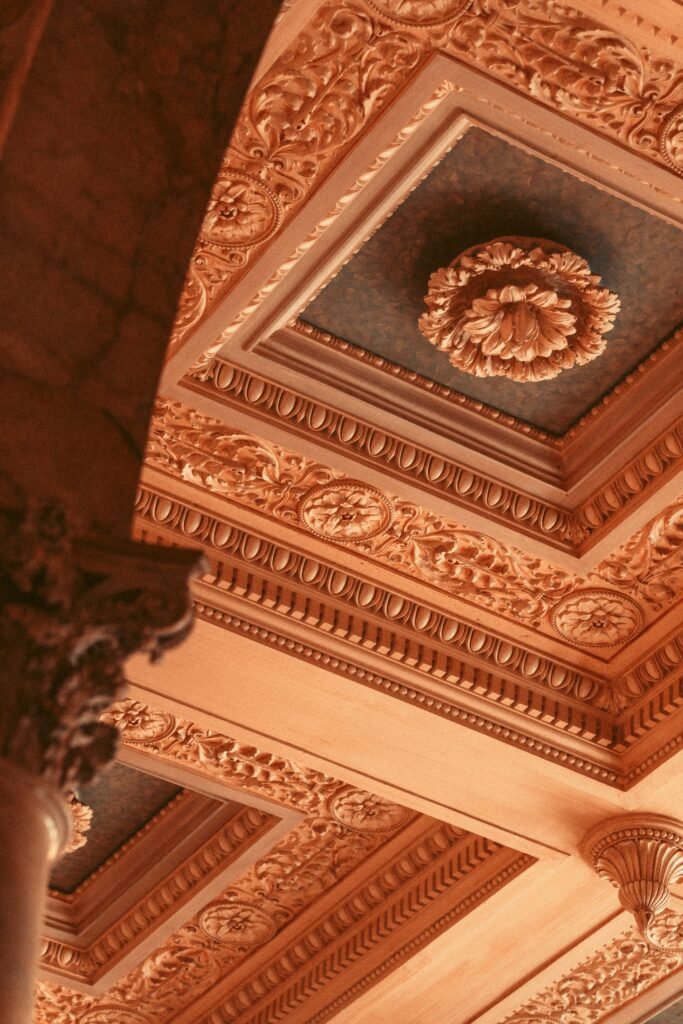
11. Coffered Ceiling Ideas for Kitchens
Kitchen renovations usually focus on cabinetry and countertops.
The ceiling rarely enters the conversation.
That can be a missed opportunity.
A coffered ceiling can help define the kitchen area while adding architectural detail to the entire space.
This becomes particularly valuable in open-concept layouts where visual separation is limited.
White-painted beams remain the most common choice because they complement a wide variety of cabinet finishes.
Natural wood accents can also work beautifully in farmhouse and transitional kitchens.
One practical benefit often overlooked is that ceiling treatments help large kitchens feel less empty.
Without architectural details, expansive ceilings can appear flat and unfinished.
Best for: Open-concept kitchens and large cooking spaces
Works with: Kitchen islands, pendant lighting, custom cabinetry
Design tip: Align beam layouts with major kitchen features whenever possible.
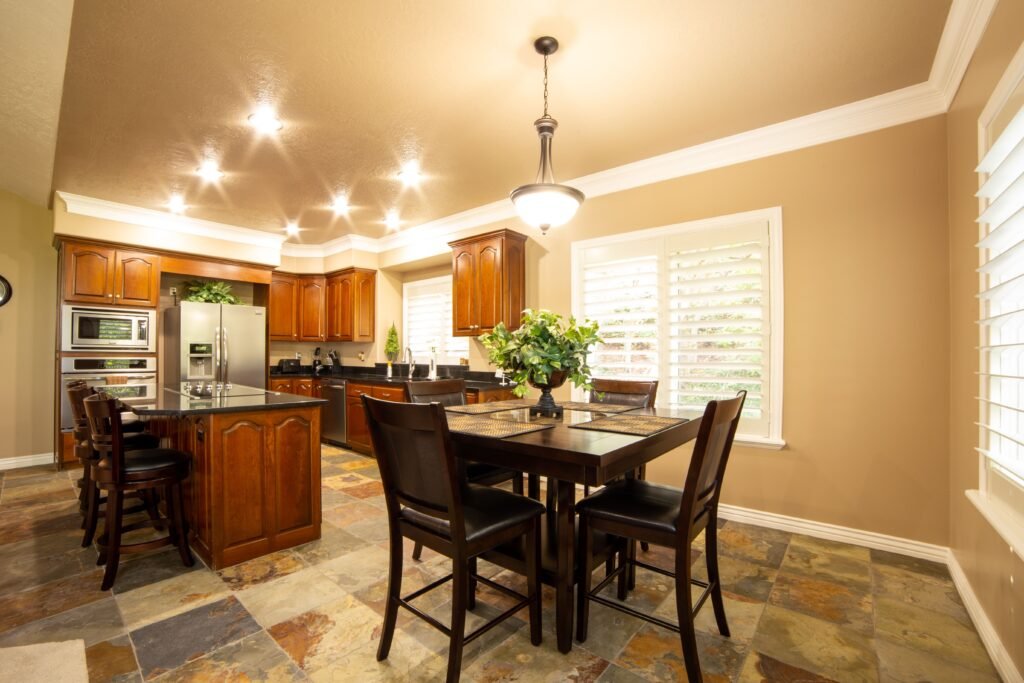
12. Coffered Ceiling With Decorative Beams
Decorative beams and coffered ceilings naturally complement each other.
The combination creates depth, structure, and visual rhythm across the ceiling.
Some homeowners choose solid hardwood beams.
Others prefer engineered wood or faux beams.
The right material depends on budget, ceiling height, and design goals.
Faux beams have improved significantly in recent years.
Many modern products closely resemble real wood while reducing weight and installation costs.
This makes them a practical choice for ceiling renovation ideas where structural modifications aren’t necessary.
Decorative beam ceilings work particularly well in homes seeking a custom-built appearance.
They create strong architectural lines that guide the eye across the room.
Best for: Living rooms, great rooms, dining spaces, and entryways
Works with: Crown molding, custom millwork, recessed lighting
Design tip: Match beam finishes with flooring or furniture for a more cohesive interior design.
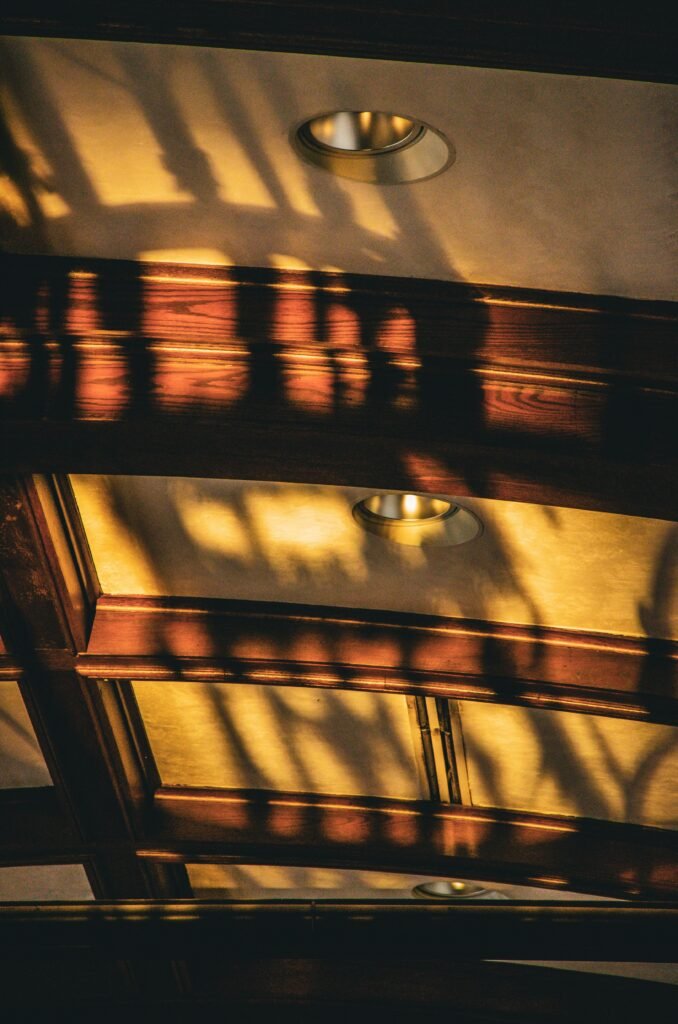
Planning Your Coffered Ceiling Design
Before selecting materials or layouts, spend time evaluating the room itself.
The most successful projects start with planning.
Not construction.
Coffered Ceiling Design Layout
Beam spacing influences the entire appearance of the ceiling.
Small rooms typically benefit from fewer, larger panels.
Large rooms often support more complex layouts.
The goal is visual balance.
Coffered Ceiling Design Plans
Professional design plans help prevent costly mistakes.
Even experienced contractors create detailed layouts before installation begins.
A plan should account for:
- Lighting placement
- HVAC vents
- Ceiling fans
- Structural elements
- Beam spacing
Coffered Ceiling Trim Ideas
Trim details influence the overall style.
Simple trim supports modern interiors.
Decorative trim works better in traditional homes.
Coffered Ceiling Molding Ideas
Crown molding remains one of the most popular additions.
It softens transitions and enhances ceiling craftsmanship.
Many luxury designs combine crown molding with layered millwork to create additional depth.
Coffered Ceiling Decorating Ideas
The ceiling should support the room.
Do not compete with it.
A balanced design considers furniture, flooring, lighting, and wall treatments together.
The best ceilings feel connected to the overall interior architecture.
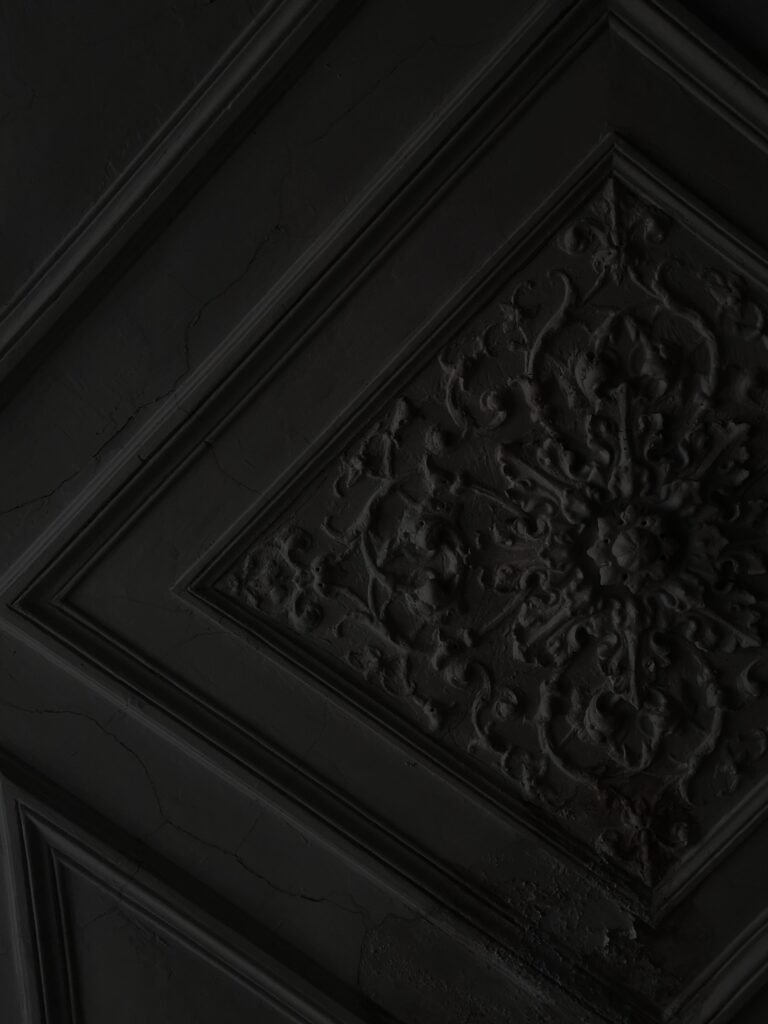
13. Dark Coffered Ceiling Ideas
White ceilings remain the most common choice.
That doesn’t mean they’re the only option.
Dark coffered ceilings create a completely different mood.
They feel dramatic. Sophisticated. Custom.
Deep charcoal, black, espresso brown, and navy blue can emphasize the beam structure and make the recessed panels stand out.
The key is balance.
A dark ceiling generally works best in rooms with:
- Large windows
- High ceilings
- Light-colored walls
- Plenty of natural light
One mistake designers frequently see is homeowners painting a dark ceiling in an already dark room.
The result often feels heavy rather than elegant.
Used correctly, dark coffered ceiling ideas can transform an ordinary room into a standout space.
Best for: Libraries, offices, dining rooms, and large living rooms
Works with: Light walls, hardwood flooring, modern furniture
Design tip: Use warm lighting to soften darker ceiling colors.
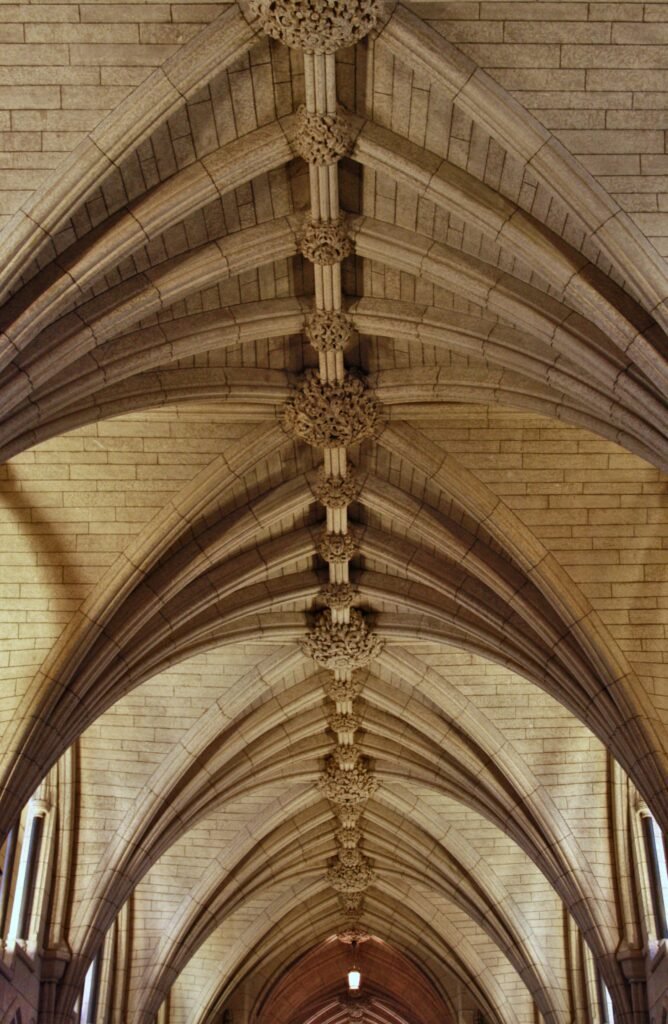
14. Coffered Vaulted Ceiling Ideas
A vaulted ceiling naturally attracts attention.
Adding a coffered pattern creates even more architectural impact.
Unlike standard layouts, coffered vaulted ceiling ideas follow the roofline instead of sitting on a flat plane.
The beam arrangement often becomes a major design feature.
These ceilings appear most often in:
- Great rooms
- Luxury homes
- Mountain homes
- Custom-built residences
Natural wood remains one of the most popular materials for vaulted ceiling designs because it highlights the dramatic ceiling height.
When designed correctly, a coffered vaulted ceiling can make a room feel larger while still maintaining warmth.
Best for: Large open spaces
Works with: Stone fireplaces, exposed beams, oversized windows
Design tip: Keep beam spacing consistent to maintain visual balance.
15. DIY Coffered Ceiling Ideas
Not every coffered ceiling project requires a massive budget.
Many homeowners build their own ceiling systems using affordable materials.
Popular DIY options include:
- MDF
- Trim boards
- Lightweight molding
- Faux beams
The goal isn’t to recreate museum-quality craftsmanship.
It’s to create depth and character at a lower cost.
One lesson that comes up repeatedly during DIY projects is the importance of planning.
A small measuring error can throw off the entire grid pattern.
That’s why professional installers spend significant time on layout before cutting materials.
Simple designs often produce the best results.
Best for: Budget-conscious homeowners
Works with: Paint-grade materials and basic trim profiles
Design tip: Draw the entire beam layout on paper before purchasing materials.
16. Coffered Ceiling Ideas for Home Offices
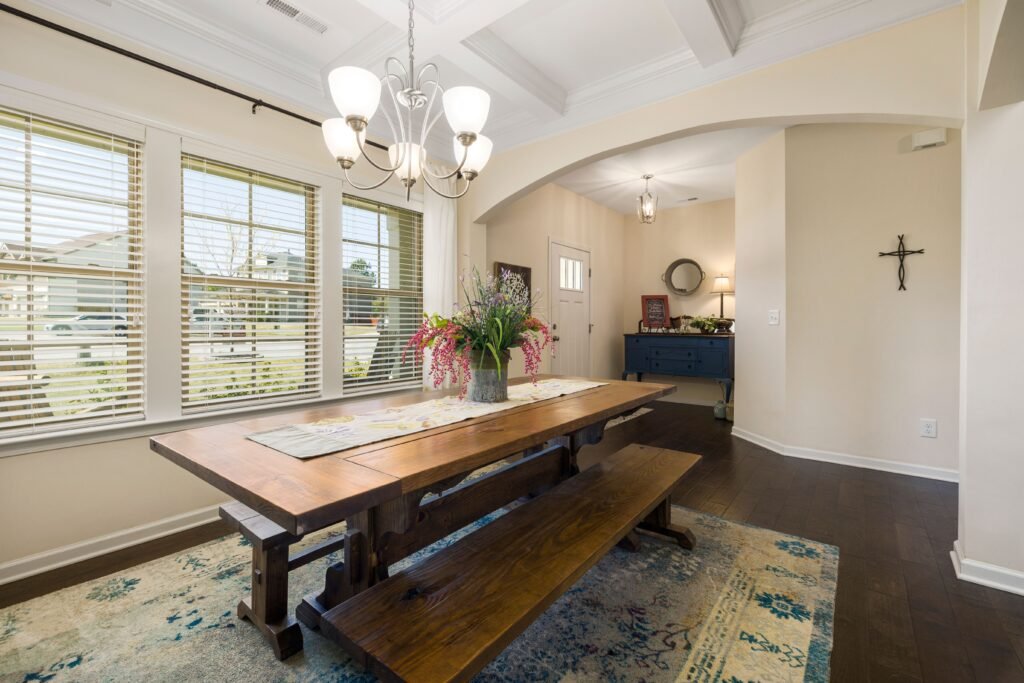
Home offices have become permanent fixtures in many homes.
A plain ceiling often makes the room feel temporary.
A coffered ceiling helps create a more intentional workspace.
The architectural detail adds character without taking up valuable floor space.
Many office designs benefit from:
- Recessed lighting
- Neutral paint colors
- Simple beam layouts
- Acoustic-friendly materials
A common recommendation from designers is to avoid overly decorative ceiling treatments in workspaces.
Clean lines usually support concentration better than highly ornate patterns.
Best for: Dedicated home offices
Works with: Built-in shelving, hardwood floors, custom desks
Design tip: Keep beam layouts simple to maintain a professional appearance.
17. Coffered Ceiling With Integrated LED Lighting
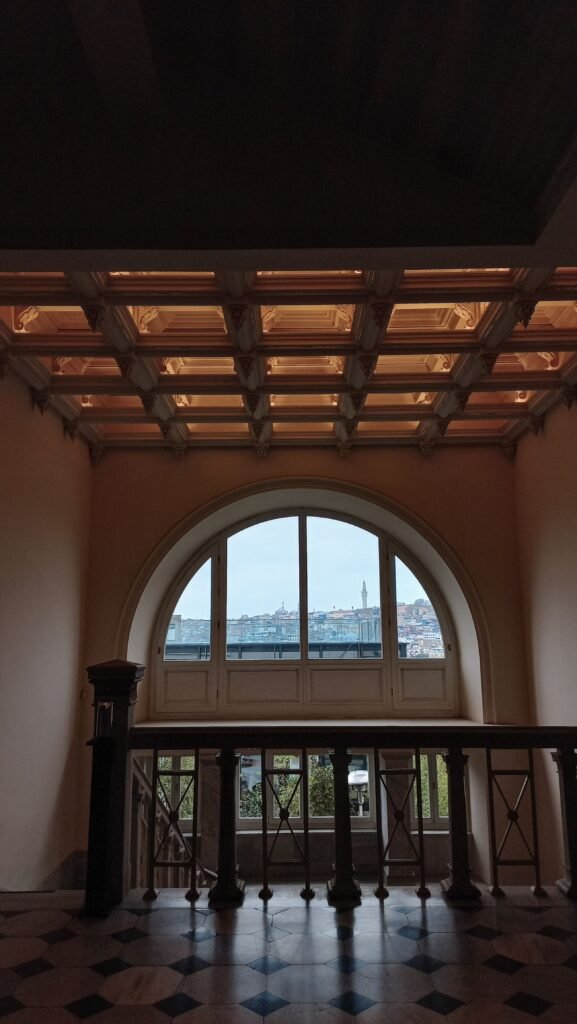
Lighting technology has changed ceiling design dramatically.
Traditional fixtures are no longer the only option.
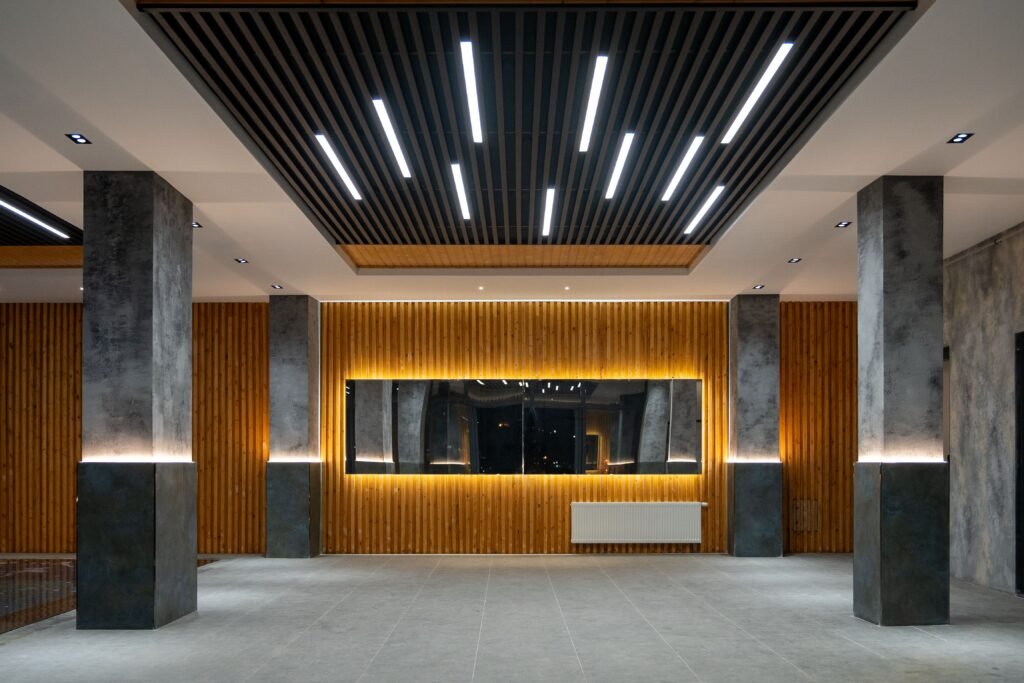
Many modern coffered ceiling ideas include hidden LED strips placed inside the recessed sections.
This creates soft indirect illumination.
The effect feels upscale without being flashy.
LED ceiling lighting offers several advantages:
- Energy efficiency
- Long lifespan
- Low maintenance
- Flexible brightness settings
The lighting also highlights the ceiling’s architectural details after dark.
Without illumination, some ceiling designs lose much of their visual impact at night.
Best for: Modern and contemporary interiors
Works with: Smart home systems and minimalist décor
Design tip: Choose warm white LEDs for a more comfortable atmosphere.
18. Luxury Coffered Ceiling Designs
Luxury ceiling design focuses on craftsmanship.
Not trends.
The best high-end ceilings often combine several architectural elements together.
Examples include:
- Layered molding
- Custom millwork
- Hardwood beams
- Integrated lighting
- Detailed trim work
These ceilings require more planning and labor, but the results are difficult to ignore.
In many luxury home interiors, the ceiling becomes one of the room’s strongest visual features.
Attention to detail separates ordinary ceilings from exceptional ones.
Best for: Custom homes and upscale renovations
Works with: Premium materials and professionally designed interiors
Design tip: Invest in quality millwork if the ceiling will serve as the room’s focal point.
Best Materials for a Coffered Ceiling
Material selection affects cost, appearance, maintenance, and installation difficulty.
Understanding the differences can help prevent expensive mistakes.
MDF
MDF remains one of the most popular options for painted ceilings.
Advantages include:
- Affordable pricing
- Smooth finish
- Easy installation
Drawbacks include limited moisture resistance.
Hardwood Beams
Hardwood creates a premium appearance.
Popular species include:
- Oak
- Walnut
- Maple
- Cherry
The material costs more but provides unmatched character.
Engineered Wood
Engineered products offer a balance between cost and appearance.
They are commonly used in modern ceiling renovation ideas.
Faux Beams
Faux beams provide the look of solid wood while reducing weight and installation costs.
Many homeowners choose them when structural support isn’t required.
How Much Does a Coffered Ceiling Cost?
Cost varies significantly depending on materials, room size, and labor rates.
DIY Coffered Ceiling Cost
Basic DIY projects typically range from the following:
$300 to $1,500
The final price depends on materials and room size.
Professional Installation Cost
Most professionally installed coffered ceilings cost:
$3,000 to $15,000+
Complex layouts increase labor expenses.
Luxury Custom Ceiling Cost
High-end projects can exceed the following:
$20,000+
Especially when custom millwork, hardwood beams, and integrated lighting are involved.
One thing many homeowners underestimate is labor.
Detailed ceiling craftsmanship requires precision.
That precision takes time.
Coffered Ceiling vs Tray Ceiling vs Vaulted Ceiling
Several ceiling styles appear frequently in home design discussions.
Each serves a different purpose.
Coffered Ceiling
Features a grid pattern created by beams and recessed panels.
Best for adding depth and architectural detail.
Tray Ceiling
A tray ceiling contains a single recessed center section.
The design is simpler than a coffered ceiling.
Tray ceiling ideas are common in bedrooms and dining rooms.
Vaulted Ceiling
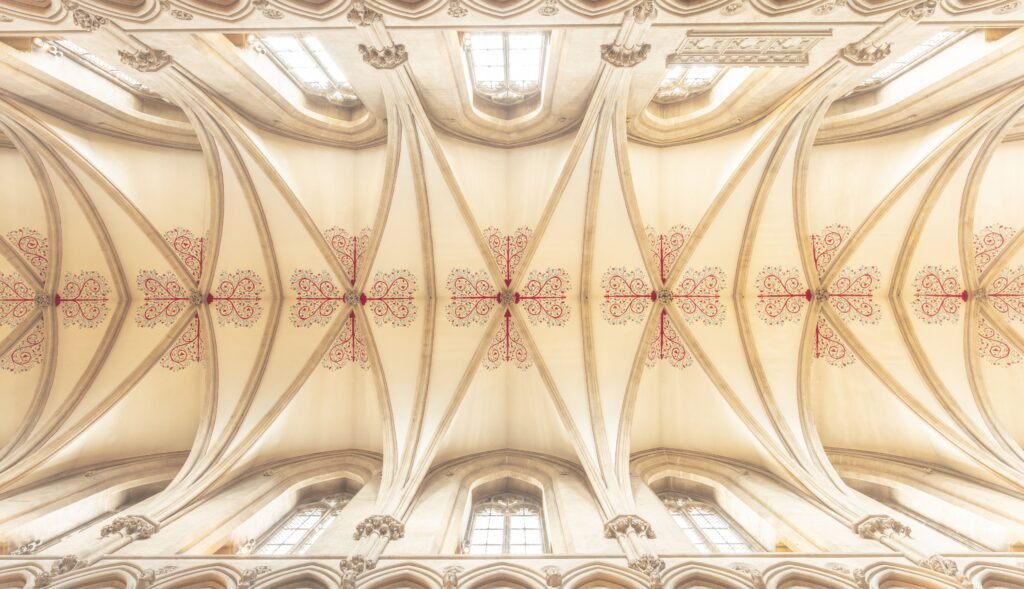
A vaulted ceiling follows the roof structure and increases perceived height.
Vaulted ceiling ideas often appear in great rooms and open-concept homes.
Cathedral Ceiling
A cathedral ceiling is a type of vaulted ceiling with symmetrical slopes that meet at a central ridge.
Cathedral ceiling ideas work particularly well in cabins and mountain homes.
The right choice depends on ceiling height, budget, and overall design goals.
Room-by-Room Coffered Ceiling Ideas
Different rooms require different approaches.
Coffered Ceiling Living Room
Focus on scale and lighting.
Large rooms benefit from wider beam spacing and statement fixtures.
Coffered Ceiling Bedroom
Keep details subtle.
Soft colors often create the most relaxing environment.
Coffered Ceiling Dining Room
Use the ceiling to emphasize the dining table and chandelier.
Coffered Ceiling Kitchen
Coordinate beam layouts with islands and cabinetry.
Coffered Ceiling Basement
Choose moisture-resistant materials and lighter colors.
Coffered Ceiling Hallway
Simple layouts usually work best due to limited width.
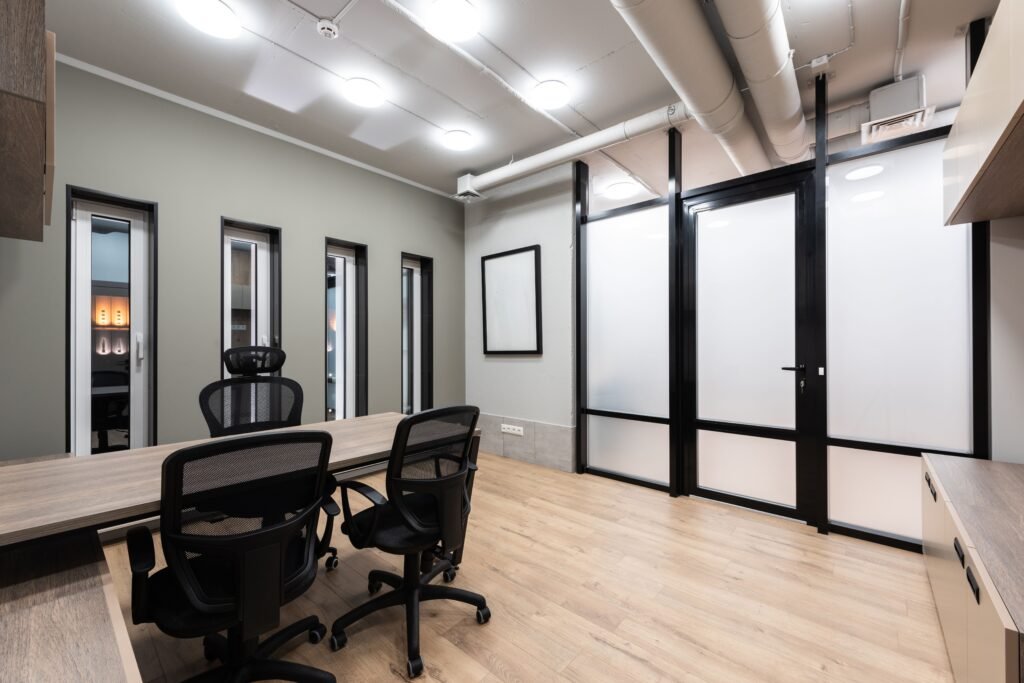
Coffered Ceiling Office
Prioritize clean lines and practical lighting.
Common Mistakes Homeowners Make
Many ceiling projects fail for predictable reasons.
Avoiding these mistakes can save both time and money.
Choosing Oversized Beams
Large beams can overwhelm a room.
Especially in homes with 8-foot ceilings.
Ignoring Lighting Plans
Lighting should be planned before construction begins.
Not afterward.
Using Excessive Detail
Too much trim can make a ceiling feel cluttered.
Selecting the Wrong Paint Color
Paint colors look different overhead than they do on walls.
Always test samples first.
Skipping Design Plans
Every successful coffered ceiling design starts with a clear layout.
Planning prevents costly corrections later.
Frequently Asked Questions About Coffered Ceilings
Do Coffered Ceilings Make a Room Look Smaller?
Not necessarily.
The answer depends on the beam size, color, and ceiling height.
In rooms with lower ceilings, oversized beams can make the space feel smaller. Properly scaled beams often have the opposite effect. They add dimension and draw the eye upward.
Light paint colors also help maintain an open appearance.
Are Coffered Ceilings Still in Style?
Yes.
Coffered ceilings have remained popular because they aren’t tied to a single design trend.
Traditional homes use detailed molding and decorative millwork. Modern homes often use cleaner beam layouts and simple geometric patterns.
The style continues to evolve without becoming outdated.
Can You Add a Coffered Ceiling to an Existing Ceiling?
In most cases, yes.
Many homeowners add coffered ceilings during remodeling projects.
Lightweight materials such as MDF, engineered wood, and faux beams make installation easier than many people expect.
The existing ceiling structure, lighting layout, and room dimensions will influence the final design.
What Is the Best Ceiling Height for a Coffered Ceiling?
Most designers recommend at least 8-foot ceilings.
However, ceiling height alone doesn’t determine success.
Proper proportions matter more.
An 8-foot ceiling can support a beautiful coffered ceiling when shallow beam profiles are used. Higher ceilings simply allow more flexibility.
What Is the Best Wood for a Coffered Ceiling?
The answer depends on the desired look.
White oak remains one of the most popular options because of its durability and attractive grain.
Other common choices include:
- Walnut
- Maple
- Cherry
- Cedar
- Reclaimed wood
Each species creates a different visual effect.
How Deep Should a Coffered Ceiling Be?
Most residential designs range from 4 to 8 inches deep.
Lower ceilings generally require shallower beams.
Higher ceilings can accommodate deeper coffers and more decorative trim details.
Maintaining the right proportions is more important than maximizing depth.
Are Coffered Ceilings Worth the Investment?
For many homeowners, yes.
A coffered ceiling adds architectural detail that cannot be achieved with paint alone.
It can improve the overall appearance of a room and increase perceived home value.
Many buyers view custom ceiling treatments as premium upgrades.
What Rooms Work Best With Coffered Ceilings?
Coffered ceilings work well in:
- Living rooms
- Dining rooms
- Bedrooms
- Kitchens
- Home offices
- Entryways
- Basements
The design can be adapted to almost any room when the proportions are planned correctly.
Can Coffered Ceilings Be Painted?
Absolutely.
Paint is one of the easiest ways to customize a ceiling design.
Some homeowners paint everything the same color.
Others use contrasting colors to emphasize the beam structure.
The best choice depends on the room’s style and lighting conditions.
How Much Maintenance Do Coffered Ceilings Require?
Very little.
Regular dusting and occasional touch-up painting are usually enough.
Wood ceilings may require additional maintenance depending on the finish and environmental conditions.
Properly installed ceilings can remain attractive for decades.
Final Thoughts on Coffered Ceiling Ideas
A ceiling doesn’t have to be an empty surface.
It can become one of the most important design features in the room.
That’s why coffered ceiling ideas continue to attract homeowners, builders, and interior designers alike.
They bring depth where flat ceilings feel plain.
They add architectural character without sacrificing floor space.
They work in traditional homes, modern homes, farmhouse interiors, and luxury custom builds.
The flexibility is part of their appeal.
Some homeowners prefer a classic white ceiling with crown molding and decorative trim. Others choose modern coffered ceiling ideas with wide beams and integrated LED lighting. Many gravitate toward natural wood finishes that introduce warmth and texture.
There isn’t a single right answer.
The best coffered ceiling design is the one that complements your home’s architecture, ceiling height, and overall interior style.
As you plan your project, focus on the fundamentals.
Choose the right beam proportions.
Create a thoughtful lighting plan.
Select materials that match your budget and long-term goals.
Most importantly, view the ceiling as part of the entire room rather than an isolated feature.
When those elements work together, the result feels natural.
A well-designed coffered ceiling doesn’t simply decorate a room.
It helps define it.
Whether you’re updating a coffered ceiling living room, designing a statement dining room, planning a bedroom renovation, or exploring modern coffered ceiling ideas for a new build, the right ceiling design can have a lasting impact.
Take time to explore layouts, materials, lighting options, and finishes before making a final decision.
The extra planning is often what separates an average ceiling from one that becomes the centerpiece of the entire home.
Ready to Transform Your Ceiling?
Start by identifying your room size, ceiling height, and design style.
Then save your favorite coffered ceiling ideas and create a layout that works with your space.
With the right planning, materials, and lighting, a coffered ceiling can turn an ordinary room into one that feels custom, polished, and built to stand the test of time.