Home Remodeling Trends 2026: 15 Smart Upgrades Homeowners Are Prioritizing
The average kitchen remodel now costs between $27,000 and $75,000. Yet more homeowners are choosing to renovate instead of moving. Why? Because a smart remodel delivers what a new house often can’t: a space built around your actual life.
In 2026, the priorities have shifted. Homeowners are done chasing trends they saw on Instagram. They want comfort. They want efficiency. They want rooms that earn their square footage every single day.
Rising energy costs, remote work, and multigenerational living are all reshaping what people actually spend money on. This guide covers the 15 upgrades homeowners are prioritizing right now and why each one matters.
1. Flexible Rooms That Serve Multiple Purposes
A dedicated guest bedroom that sits empty 340 days a year is wasted space. That mindset is driving one of the biggest shifts in modern remodeling.
Homeowners now design rooms that change throughout the day. A Murphy bed turns a home office back into a guest room in 30 seconds. A sliding divider splits one large room into two private spaces. These aren’t tricks; they’re smart design.
Popular upgrades include:
- Built-in desks with fold-away panels
- Murphy beds with integrated shelving
- Hidden storage systems under stairs and benches
- Sliding or pocket room dividers
- Convertible furniture with built-in storage
Flexible layouts maximize every square foot without adding square footage.
2. Energy-Efficient Remodeling
Energy costs jumped over 30% in the last four years. That number alone explains why energy efficiency now ranks among the top reasons homeowners renovate.
The right upgrades cut monthly utility bills and raise home value at the same time. Heat pumps, for example, can reduce heating costs by up to 50% compared to traditional systems. Buyers notice these features, and they pay more for them.
Smart upgrades to consider:
- Energy-efficient triple-pane windows
- Upgraded attic and wall insulation
- Heat pump systems (heating and cooling in one)
- Smart thermostats like Ecobee or Nest
- Solar-ready roofing systems
- LED lighting throughout
These projects often qualify for federal tax credits, too. That changes the math considerably.
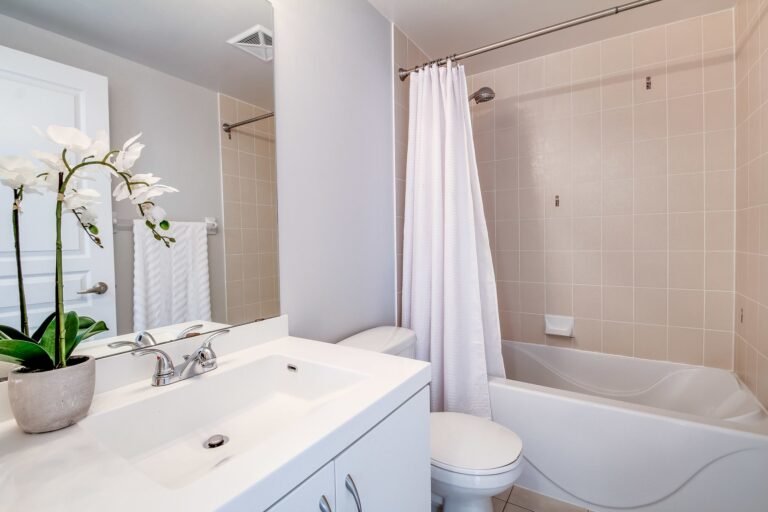
3. Wellness-Focused Bathrooms
Ten years ago, a bathroom was a bathroom. Today, it is the most personal room in the house.
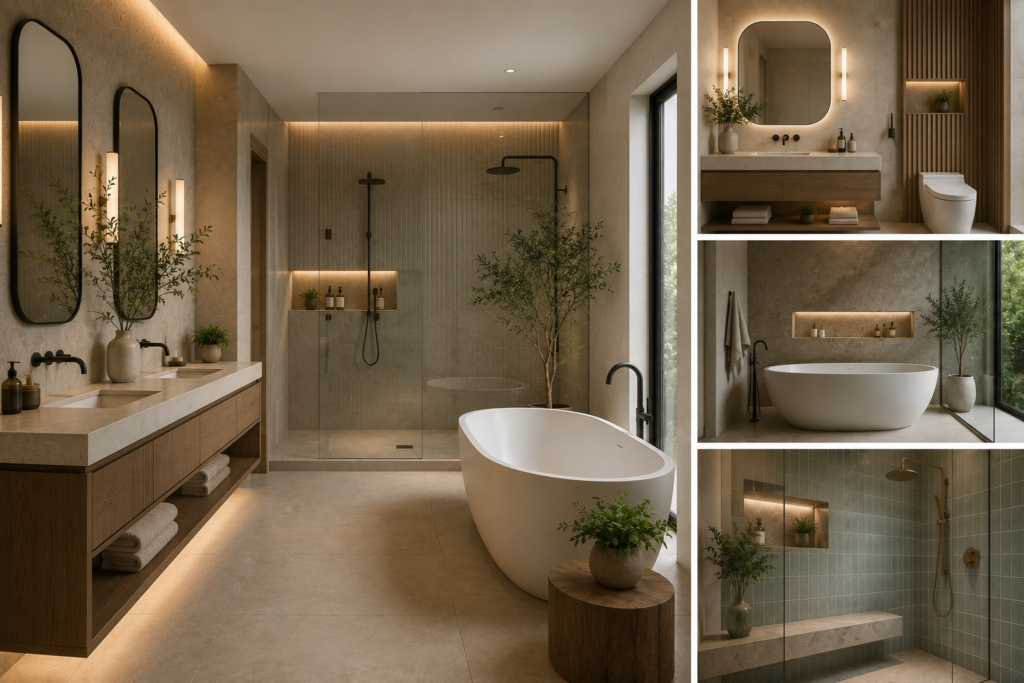
Homeowners are turning bathrooms into daily recovery spaces. Steam showers reduce muscle tension. Heated floors make cold mornings bearable. Ambient lighting mimics natural light and improves mood. These aren’t luxury add-ons for wealthy homeowners; they are practical upgrades that improve daily well-being.
Trending bathroom upgrades:
- Walk-in showers with bench seating
- Steam shower systems
- Radiant heated flooring
- Natural stone or large-format tile
- Layered ambient and task lighting
- Freestanding soaking tubs
Bathroom remodels return roughly 60–70% of their cost at resale. The wellness angle makes them even more attractive to buyers.
Watch also Bathroom Decor Ideas
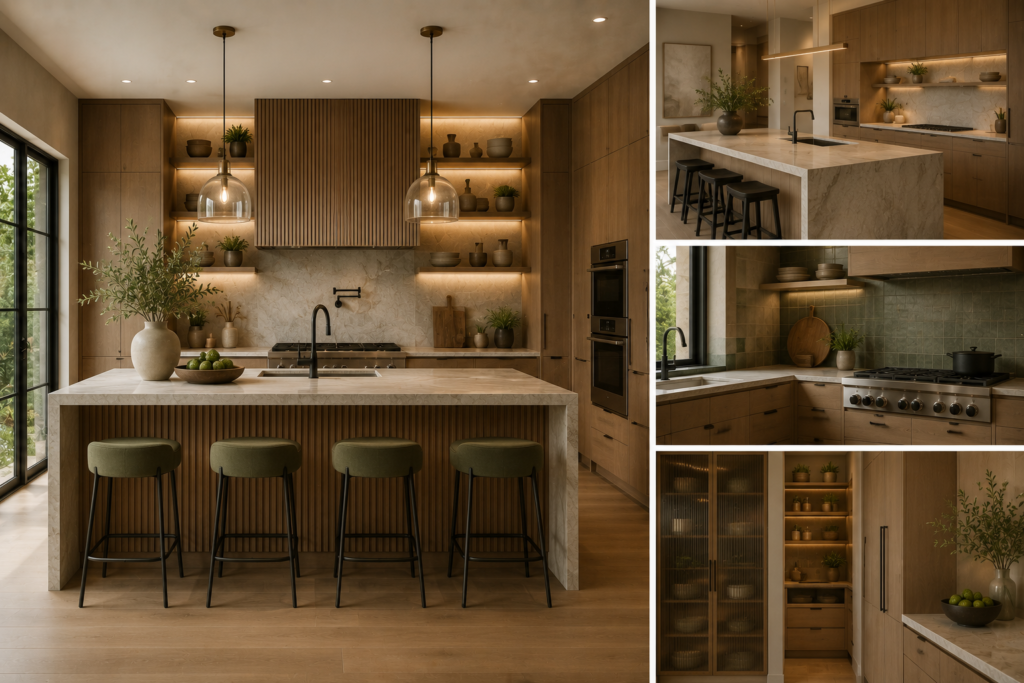
4. Warm and Natural Interior Design
Gray kitchens and cold white walls defined the 2010s. That era is over.
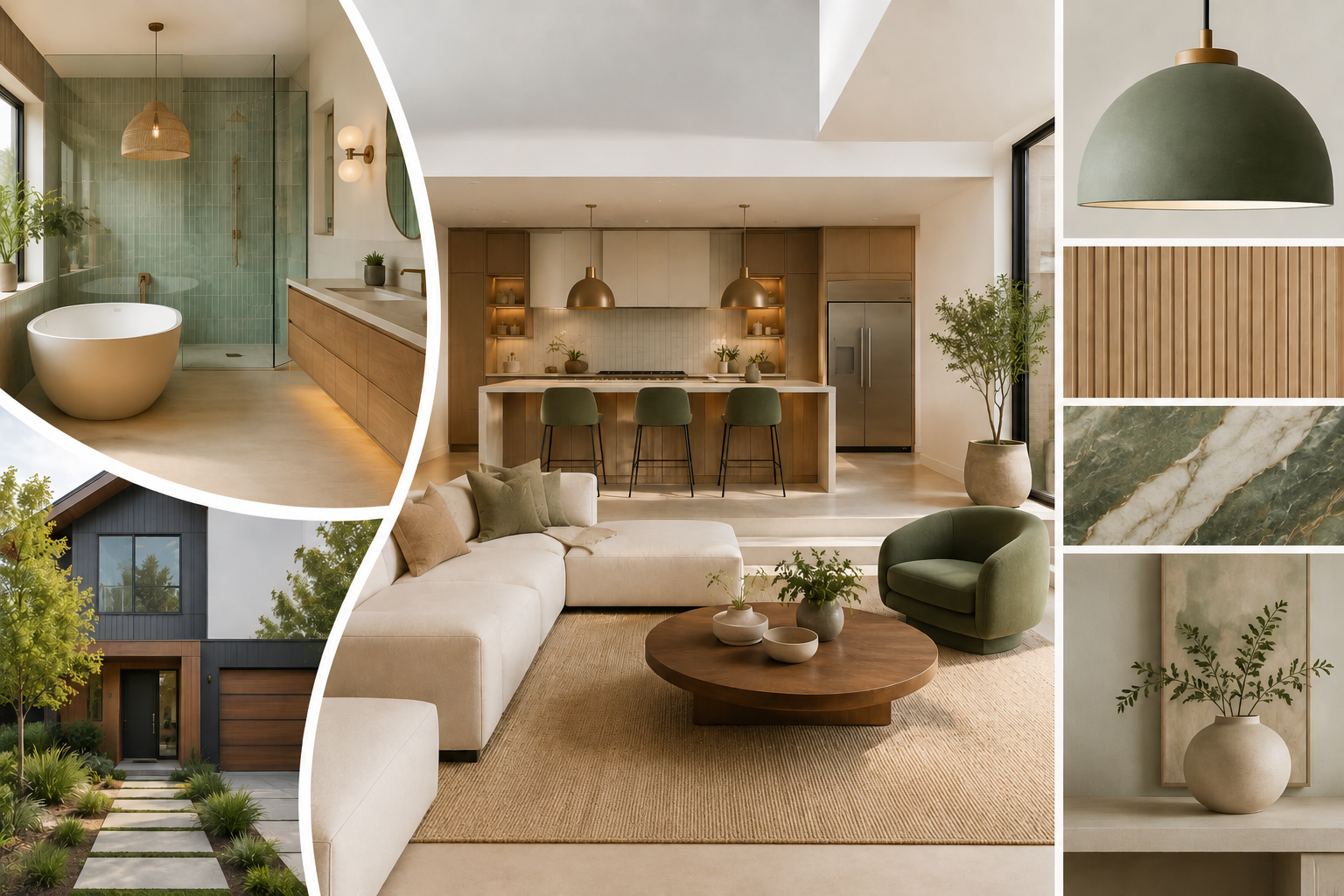
Homeowners in 2026 want spaces that feel warm and alive. White oak cabinetry. Walnut accents. Clay-toned walls. Linen textures. These choices age well because they pull from nature, not from a design trend cycle.
Materials homeowners are choosing:
- White oak and walnut cabinetry
- Clay and terracotta-inspired wall colors
- Warm off-white and greige tones
- Linen and boucle textiles
- Natural stone counters and backsplashes
- Handmade ceramic hardware
This design direction feels timeless because it is. Natural materials outlast trends by decades.
5. Smarter Kitchen Layouts
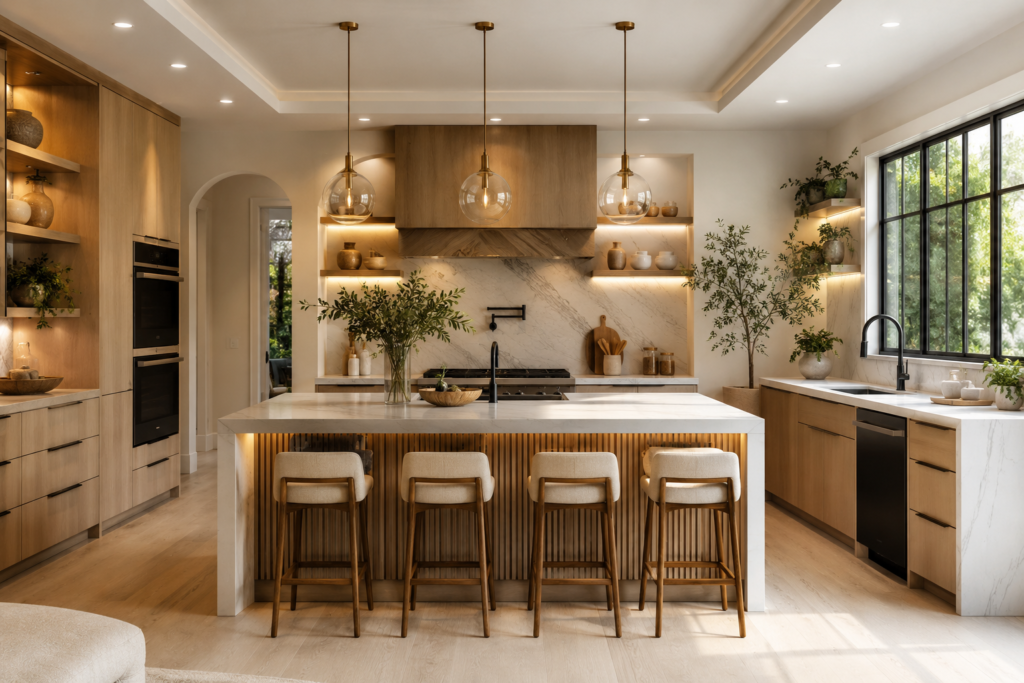
Kitchen size stopped being the goal. Workflow became the goal.
A 400-square-foot kitchen with poor storage and bad traffic flow feels smaller than a 200-square-foot kitchen designed with intention. Homeowners are now investing in layout and organization over square footage.
Popular kitchen remodeling upgrades:
- Appliance garages to hide countertop clutter
- Dedicated beverage stations
- Hidden walk-in pantries
- Multi-functional islands with seating and prep space
- Smart refrigerators and ovens
- Pocket-door cabinetry that keeps things clean and accessible
A well-organized kitchen saves time every single day. That makes it one of the best investments in the house.
See more on Kitchen Design Ideas
6. Outdoor Living Spaces That Feel Like Indoor Rooms
The pandemic taught homeowners that outdoor space isn’t a bonus; it’s an essential living area.
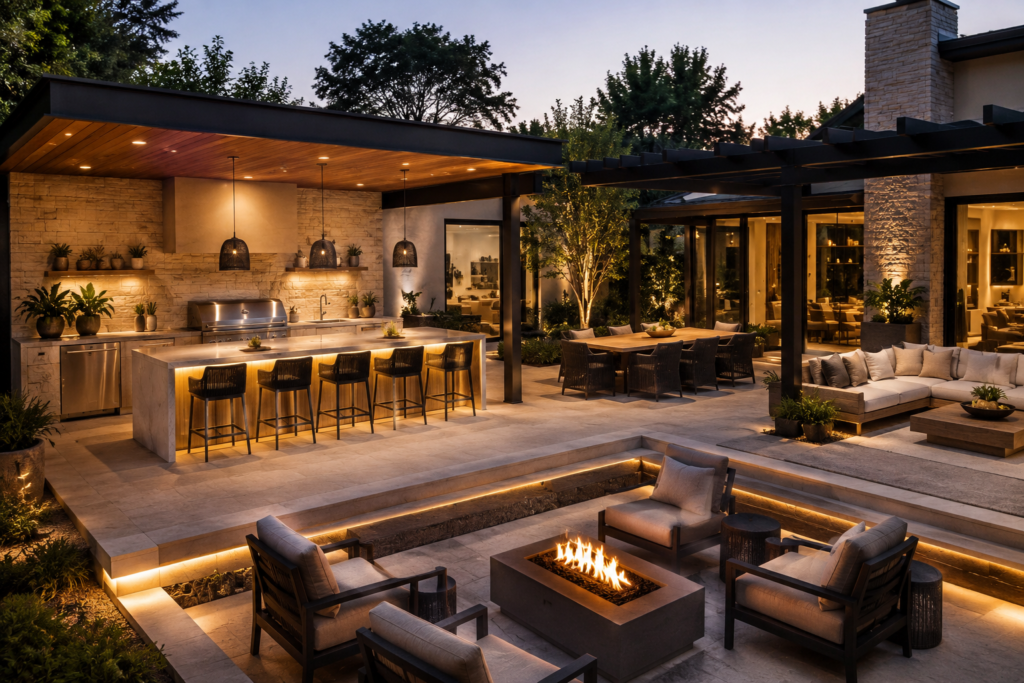
Covered patios with weatherproof furniture. Outdoor kitchens with full grills and refrigerators. Fire pit lounges that extend the season into October. These spaces add usable square footage without the cost of a full addition.
What homeowners are building:
- Covered pergolas with string lighting and fans
- Outdoor kitchens with counters and built-in grills
- Fire pit seating areas with weatherproof sofas
- Outdoor dining spaces with shade structures
- Lounge zones with outdoor rugs and side tables
Outdoor living projects return around 80–90% of their the cost in home value. They also make the home feel significantly larger.
7. Aging-in-Place Design
More than 10,000 baby boomers turn 65 every day. Most of them plan to stay in their homes. That’s pushing aging-in-place features from niche to mainstream.
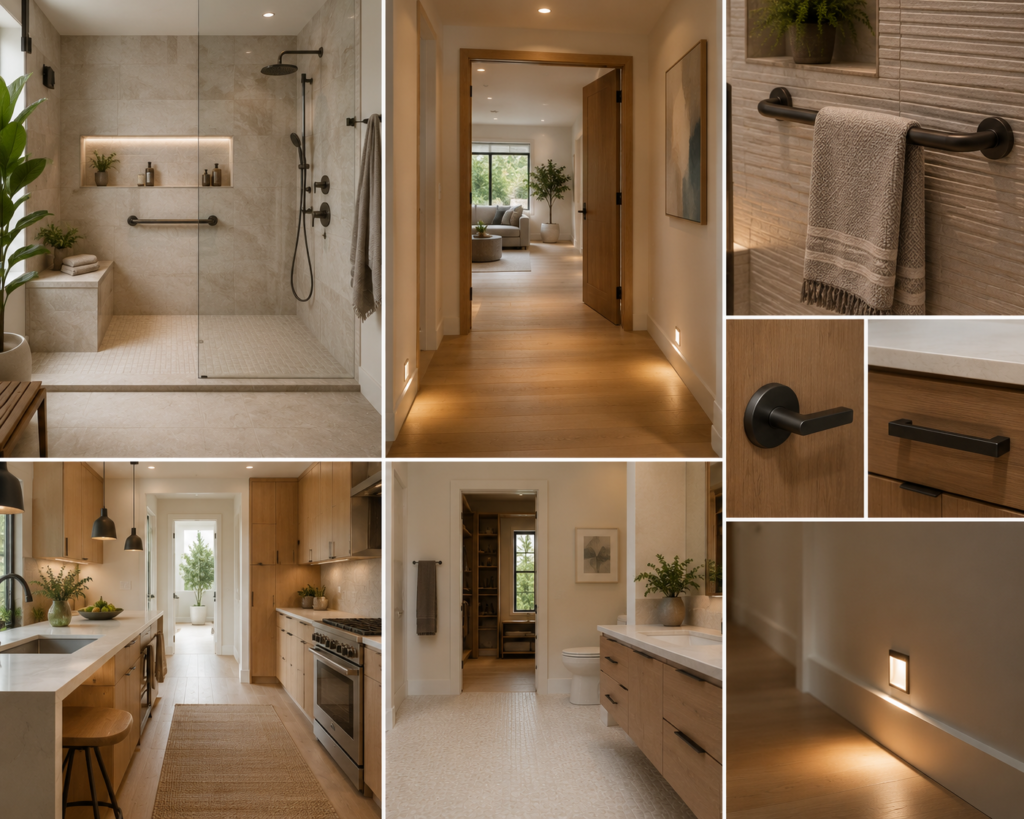
The smart move is to build these features into current remodels. They cost far less to add now than to retrofit later. And they don’t look clinical, modern aging-in-place design looks like good design.
Common upgrades that blend safety with style:
- Zero-threshold walk-in showers
- Wider doorways (36 inches minimum)
- Non-slip flooring in bathrooms and kitchens
- Lever-style door and cabinet handles
- Motion-sensor night lighting in hallways
- Grab bars styled as decorative towel bars
Lighting improvements rank as one of the highest-impact aging-in-place upgrades because falls are most common in low-light conditions.
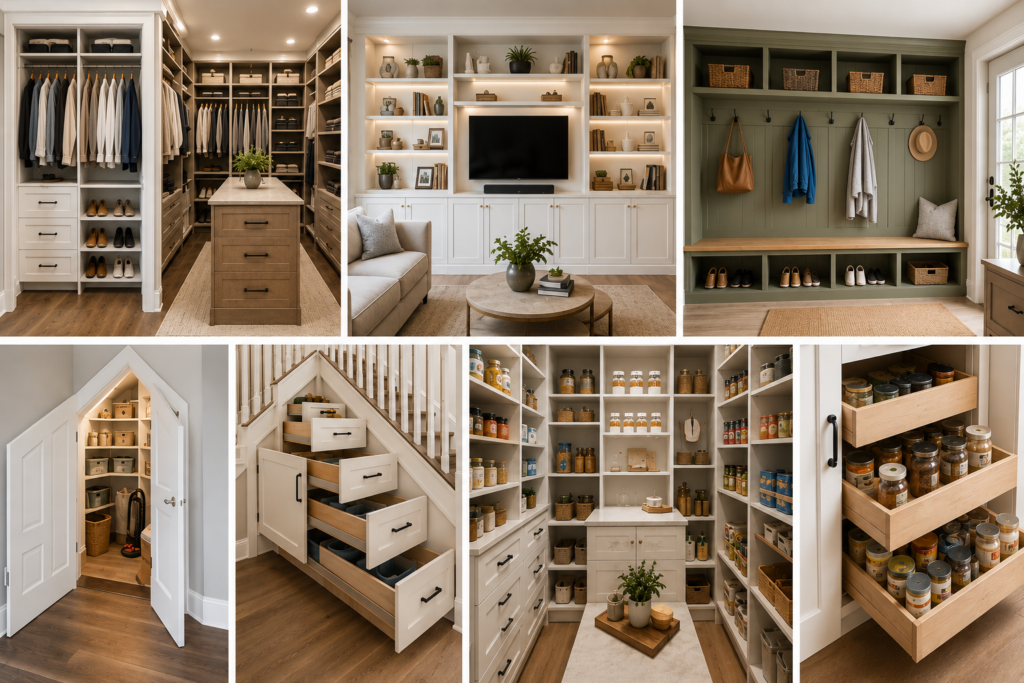
8. Dedicated Storage Solutions
Storage isn’t glamorous. But the lack of it ruins a home faster than almost anything else.
A well-organized home feels bigger. It runs smoother. And buyers pay more for it. Custom closets routinely return over 100% of their cost in perceived home value. That makes storage one of the highest-ROI investments available.
Trending storage improvements:
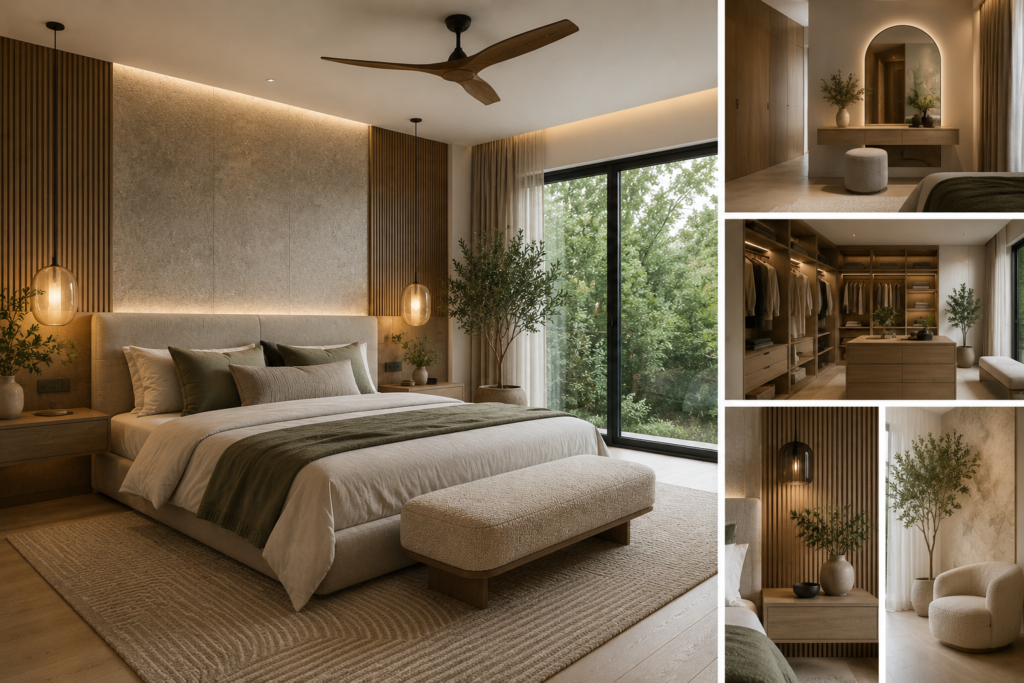
- Custom reach-in and walk-in closets
- Built-in shelving in living rooms and offices
- Mudroom lockers with hooks, benches, and cubbies
- Under-stair storage rooms or drawers
- Full pantry systems with pull-out shelving
Good storage is one of the first things buyers notice, and one of the last things builders include by default.
9. Sustainable Remodeling Materials
An eco-friendly building is no longer just a values decision. It’s a practical one.
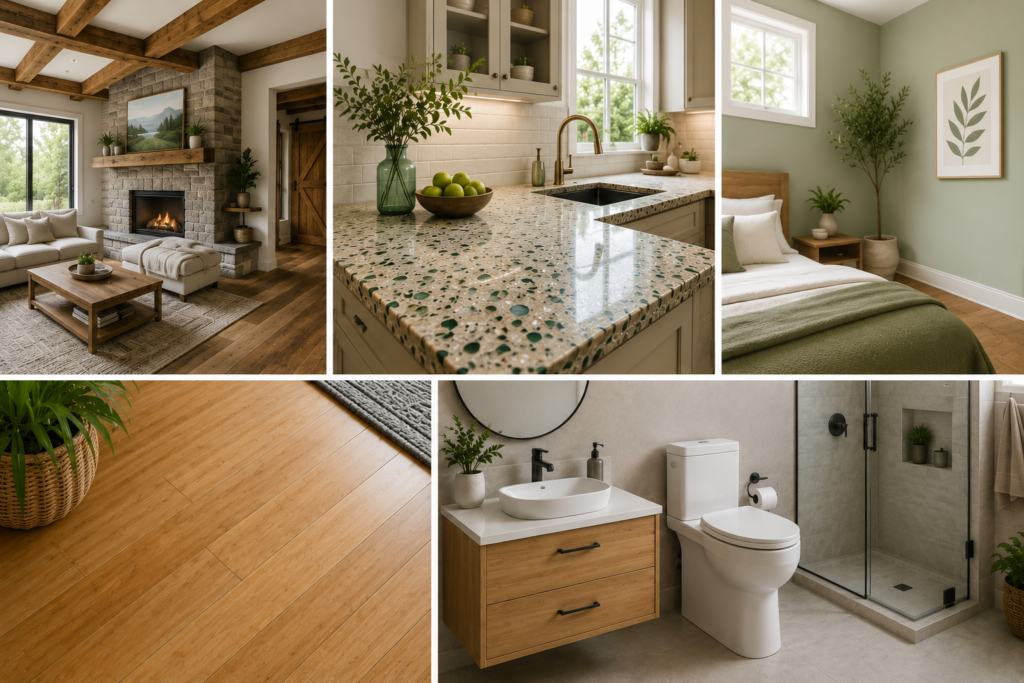
Sustainable materials often last longer than conventional options. Reclaimed wood is already cured and settled; it won’t warp or crack the way new lumber sometimes does. Low-VOC paints reduce indoor air pollutants that affect health and air quality. These aren’t sacrifices. They’re upgrades.
Popular sustainable materials right now:
- Reclaimed wood for flooring, beams, and accents
- Recycled glass or composite countertops
- Low-VOC paints and finishes
- Bamboo flooring (harder than most hardwoods)
- Water-efficient fixtures and dual-flush toilets
Many sustainable materials qualify for green building rebates and tax incentives. Check your local utility provider before you buy.
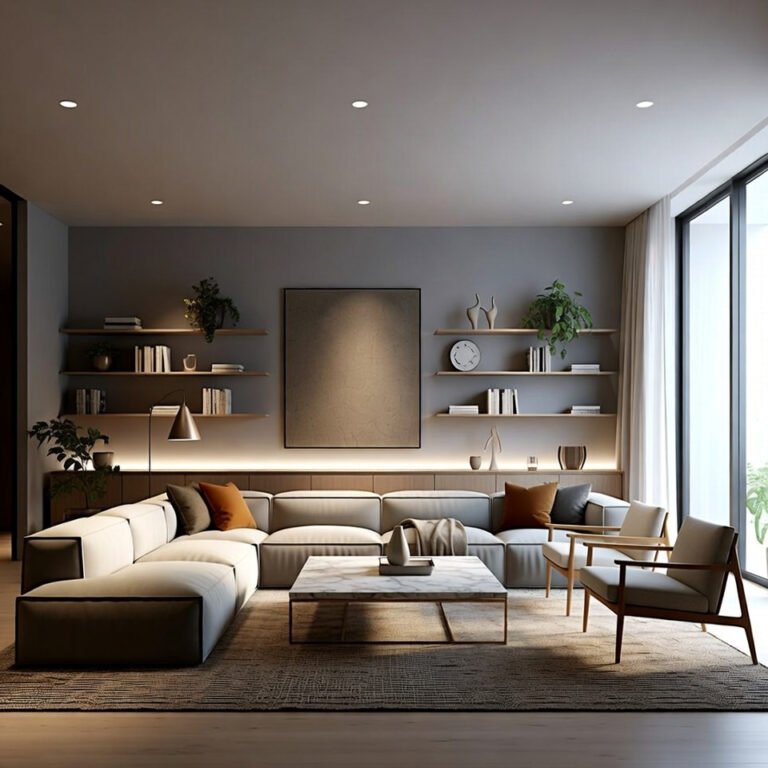
10. Layered Lighting Design
One ceiling fixture does one job. A layered lighting plan does five.
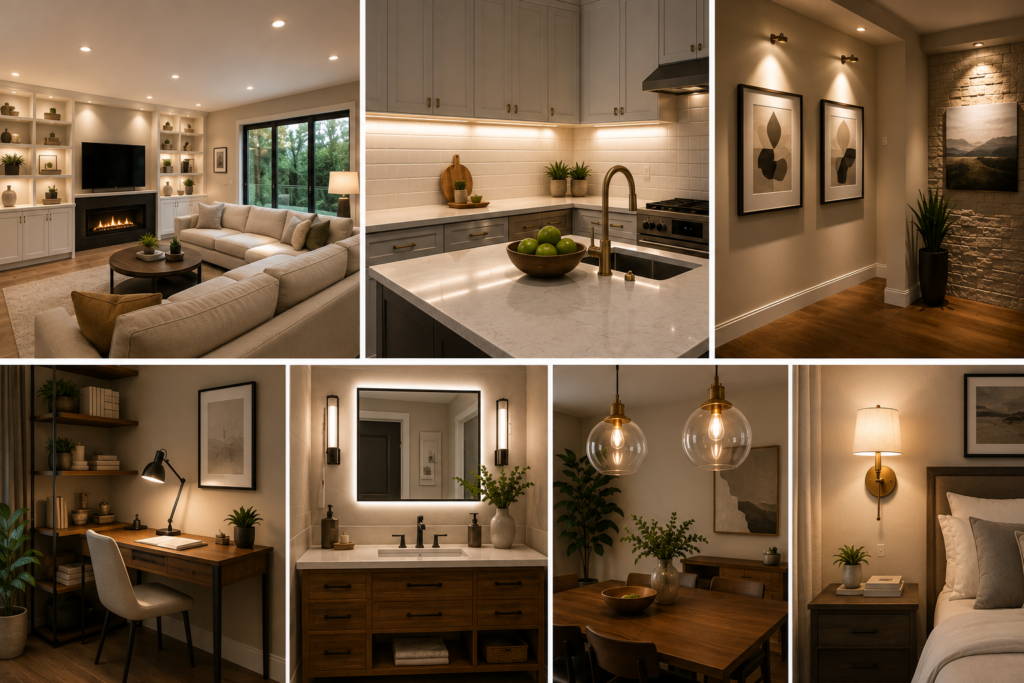
Most homes are severely underlit. A single overhead light creates flat, harsh shadows that make rooms feel smaller and less inviting. Layered lighting fixes this by using multiple light sources at different heights for different purposes.
What a complete lighting plan includes:
- Recessed lighting for general ambient brightness
- Under-cabinet lighting for task work in kitchens
- Accent lighting to highlight art or architecture
- Task lighting for reading desks and vanities
- Decorative pendants or sconces for warmth and style
Good lighting design costs relatively little. It makes a more visual difference than almost any other upgrade in the same price range.
See also Smart Recessed Lighting Ideas
11. Multigenerational Living Spaces
Housing costs have made living together a mainstream solution. Nearly 20% of Americans now live in multigenerational households, a number that keeps climbing.
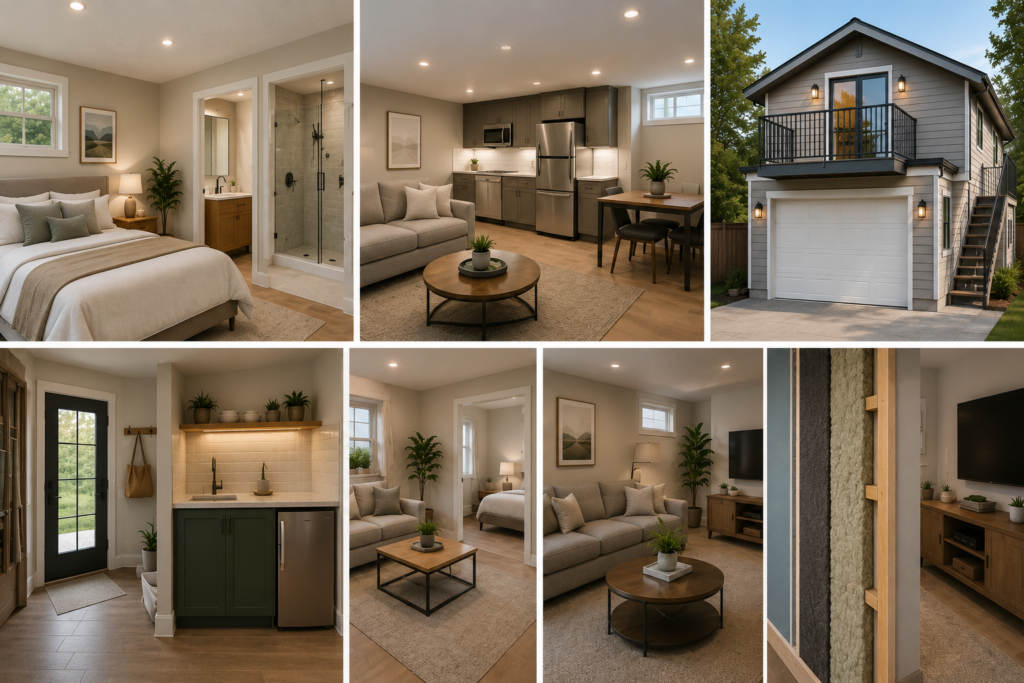
The right remodel makes this arrangement work for everyone. An in-law suite gives privacy. A basement apartment creates separation. A private entrance means two families can share a home without sharing every moment.
What these projects typically include:
- In-law suites with private bathrooms
- Finished basement apartments
- Accessory dwelling units (ADUs) above garages
- Secondary entrances and kitchenettes
- Soundproofing between living areas
ADUs also double as rental income. In high-cost cities, a well-built ADU can generate $1,500 to $3,000 per month.
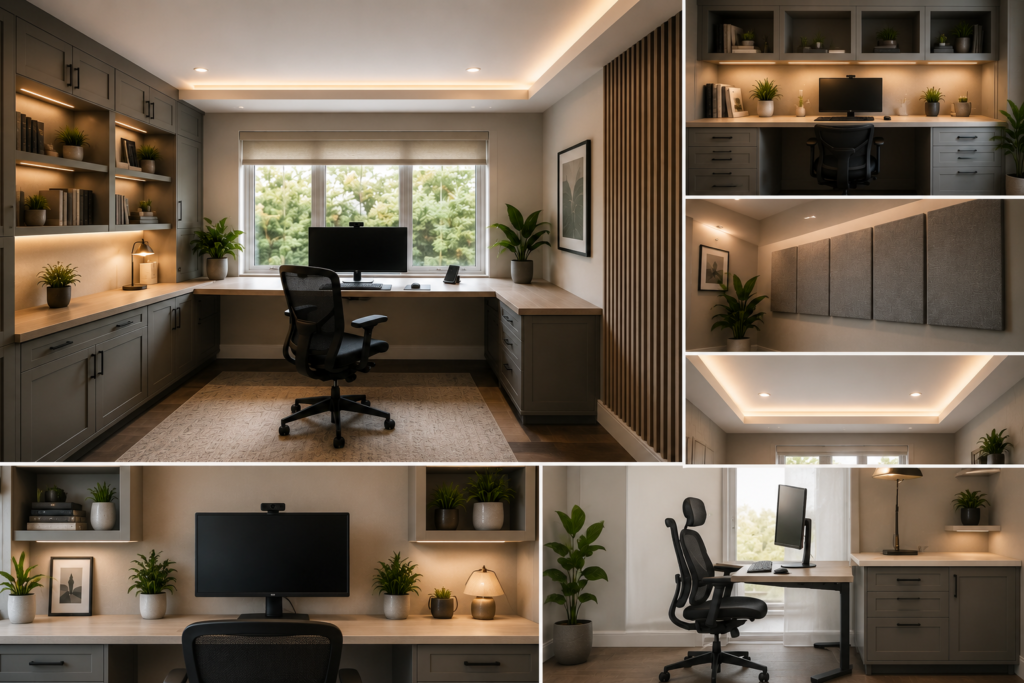
12. Home Offices That Actually Work
A desk shoved in a corner doesn’t count as a home office. Remote and hybrid workers have learned this the hard way.
A real home office needs good light. It needs acoustic treatment so video calls sound professional. It needs storage so work materials don’t spill into the rest of the house. Done right, it becomes one of the most-used rooms in the home.
What serious home offices include:
- Built-in cabinetry and desk space
- Acoustic panels or sound-dampening drywall
- Layered lighting with a window as the primary source
- Clean professional backgrounds for video calls
- Ergonomic layout with proper monitor height and chair space
A dedicated home office adds measurable value in today’s market. Buyers who work remotely, and there are millions of them, actively look for this feature.
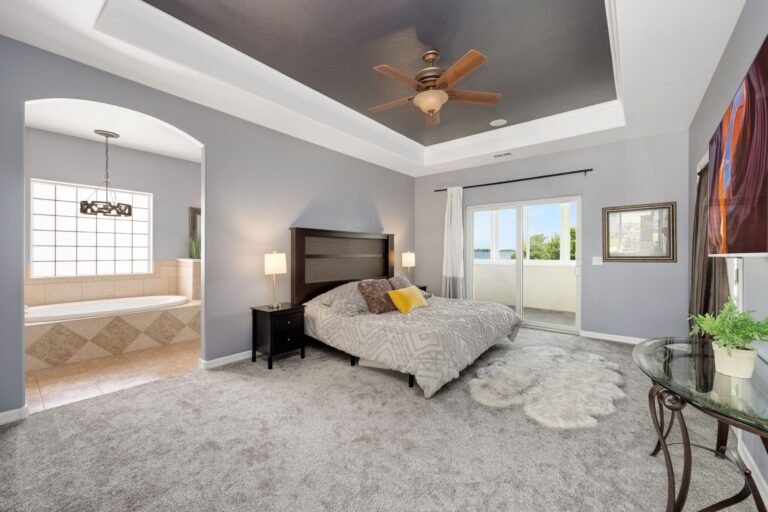
13. Statement Ceilings
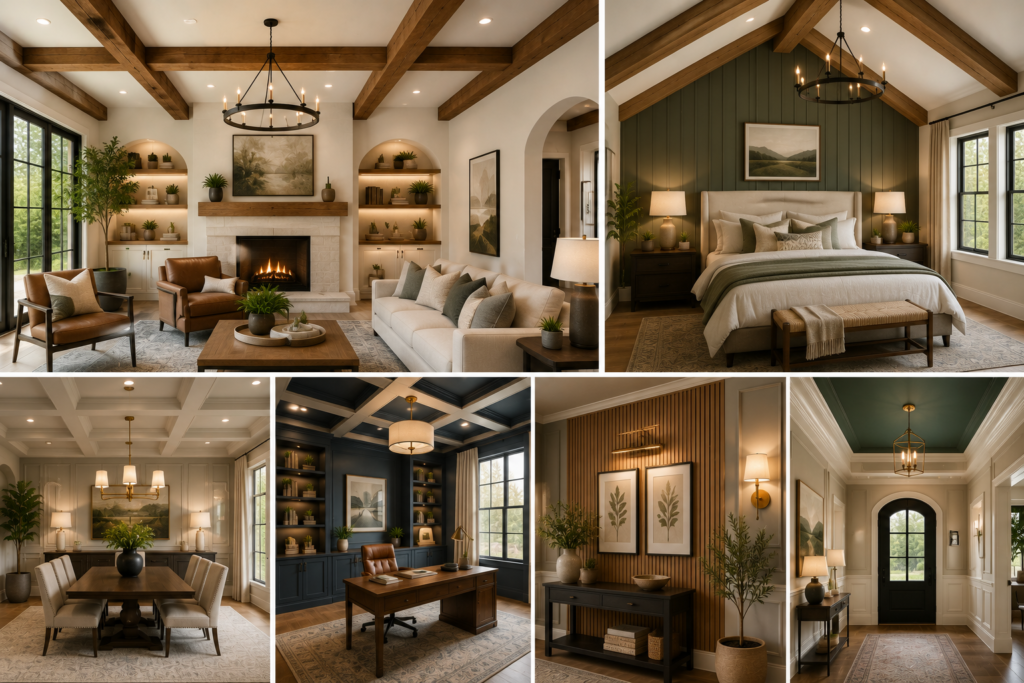
Floors get finished. Walls get painted. Ceilings get ignored.
That’s changing. A vaulted ceiling adds visual height, drama, and personality to a room without touching the floor plan. It’s one of the most effective low-footprint upgrades available.
Popular ceiling upgrades:
- Exposed wood beams in living rooms and bedrooms
- Coffered ceilings in dining rooms and studies
- Decorative wood paneling and shiplap
- Bold painted ceilings in contrasting or accent colors
- Architectural trim and crown detail
A painted ceiling alone costs a few hundred dollars. Wood beams can transform a room for $2,000 to $5,000. The return in visual impact far exceeds the investment.
See more on Home remodel design trends.
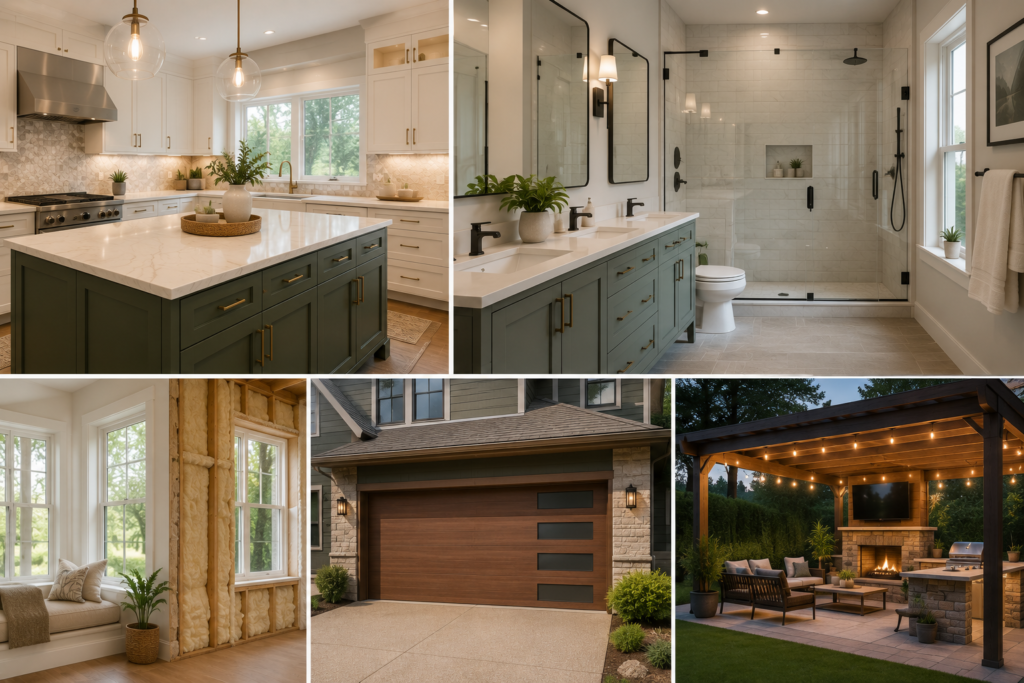
14. Remodeling for Resale Value
Not every remodel is about living in the house forever. Some homeowners are building toward a sale, and the best projects deliver strong returns at closing.
The key is knowing which projects buyers consistently pay for. Kitchen and bathroom updates top the list. Energy-efficient improvements come next. Outdoor living spaces add usable square footage that appraisers can measure.
High-ROI projects to consider:
- Minor kitchen refresh (new hardware, cabinets, and counters) up to 80% ROI
- Bathroom remodel, 60–70% ROI
- Energy-efficient window and insulation upgrades, 70%+ ROI
- New garage door consistently ranks #1 in Remodeling Magazine’s Cost vs Value report
- Outdoor living spaces, 80–90% ROI
Avoid over-improving for the neighborhood. The best ROI comes from bringing your home up to the standard of the surrounding market.
15. Personalized Design Over Generic Trends
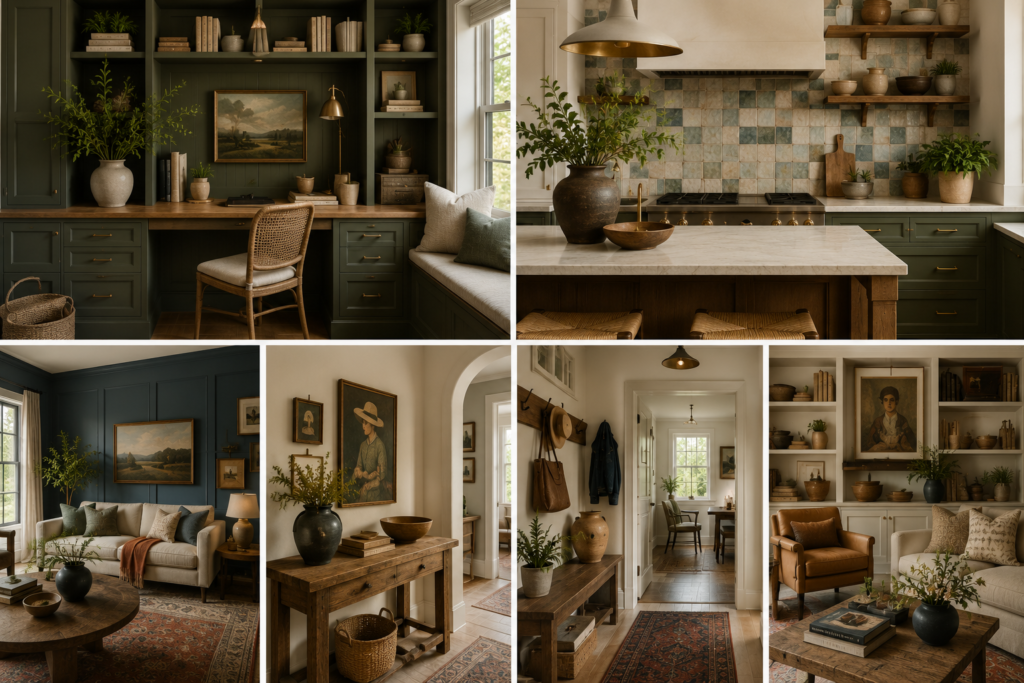
Here’s the truth: the best remodel isn’t the trendiest one. It’s the one that fits your life.
Homeowners are increasingly ignoring what’s popular on social media and building around how they actually live. If you cook every night, you invest in the kitchen. If you have young kids, you invest in mudrooms and durable flooring. If you work from home, you invest in the office.
What personalized design looks like:
- Custom built-ins designed around your specific storage needs
- Handmade tile with character instead of factory-perfect uniformity
- Color palettes chosen for your lighting and lifestyle
- Artisan and local craftsmanship over mass-produced finishes
- Collected décor that tells a story instead of matching a catalog
A home that fits your life perfectly is worth more to you than any trend list says it should be.
Final Thoughts
The smartest home remodeling trend of 2026 isn’t a material or a room. It’s a mindset.
Homeowners are asking one question before every project: Does this make my home work better? Not prettier. Not more impressive. Better, for the people who actually live in it.
Start with what frustrates you most. Fix the room that wastes your time. Upgrade the system that costs you money every month. That approach will serve you better than any trend list.
If you’re planning a renovation this year, start small. One room done right builds more momentum and more confidence than five rooms done halfway.
FAQ
What are the biggest home remodeling trends in 2026?
Flexible multifunctional spaces top the list in 2026. Homeowners are also investing heavily in energy-efficient upgrades like heat pumps and better insulation. Wellness-focused bathrooms, smart kitchen layouts, and outdoor living spaces round out the top five. The common thread across all of them is function over flash.
Which remodeling projects add the most value?
Kitchen remodels and bathroom renovations consistently deliver the strongest returns. Minor kitchen updates often return 75–80% of their cost. Energy-efficient window and insulation upgrades return 70% or more. Outdoor living additions and new garage doors also rank highly in national cost-versus-value studies. The best projects combine daily livability with broad buyer appeal.
Is remodeling better than moving?
For most homeowners right now, the answer is yes. Moving costs include agent commissions, closing costs, and the premium price of a new home in today’s market. A targeted remodel lets you stay in a neighborhood you know, customize your space, and avoid the stress of relocating. It also makes more financial sense when mortgage rates are high.
What is the most affordable remodeling project?
Painting delivers the highest visual return for the lowest cost. Fresh interior paint with updated trim transforms a room for $500 to $2,000. Lighting upgrades, swapping out fixtures, and adding dimmers run $200 to $1,000 and make a dramatic difference. Cabinet hardware updates in kitchens and bathrooms cost under $300 and instantly modernize outdated spaces.
Are smart home upgrades worth it?
Yes, with one condition. Smart upgrades that save money or add security consistently deliver value. Smart thermostats like Nest or Ecobee cut heating and cooling costs by 10–15% annually. Smart door locks and security systems appeal to buyers and renters alike. Smart lighting adds convenience and reduces energy use. The upgrades that exist only for novelty tend to feel outdated within a few years.